 Vietnamnet.vn

 Podcast



VietNamNet spoke with Dr. Tran Quang Thang, director of the Ho Chi Minh City Institute of Economics and Management, about the major turning points in Vietnam’s four-decade transformation, the evolution of its growth model, the role of the digital, green and circular economies, and expectations for the country’s next stage of development.
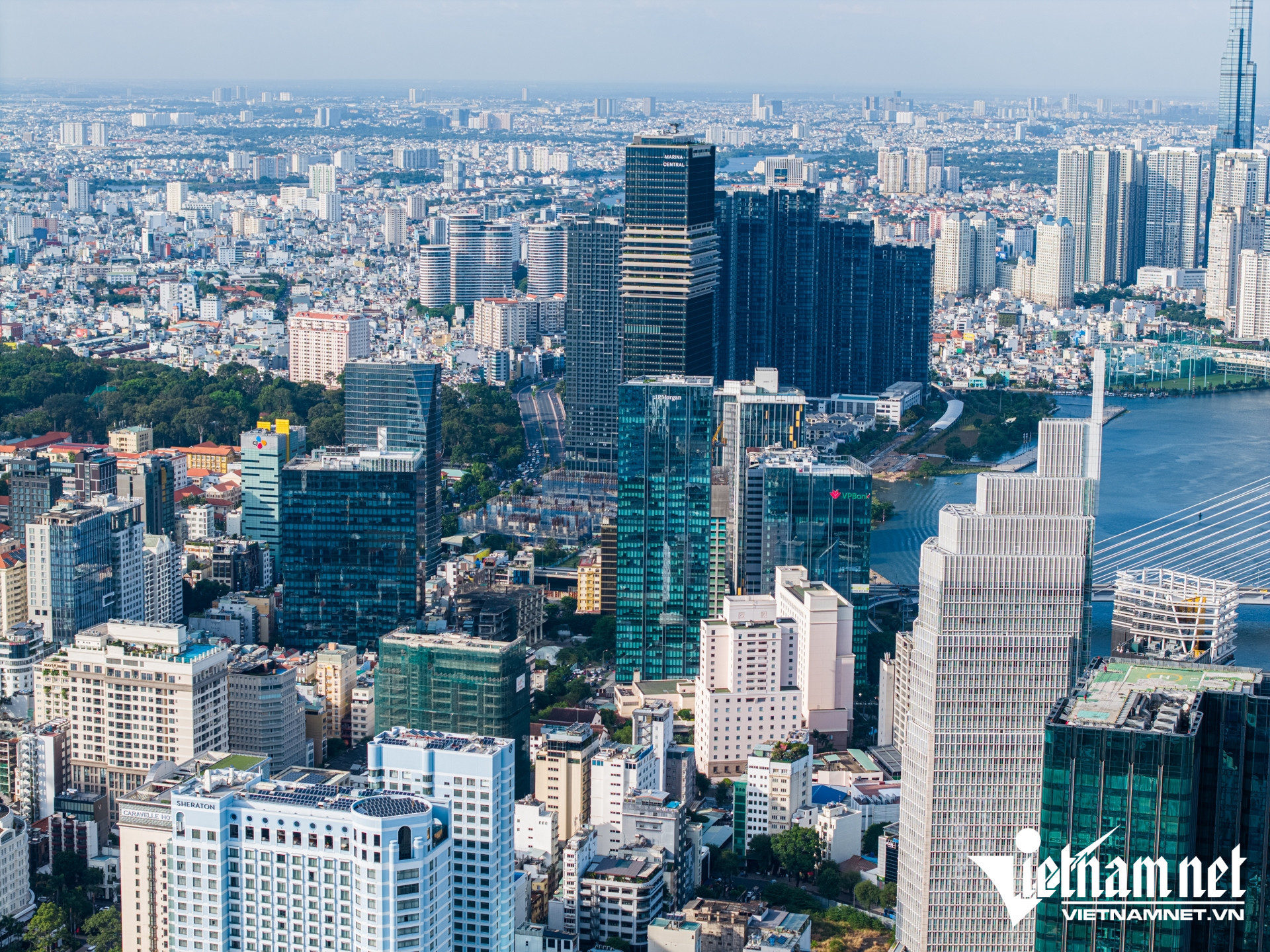
Looking back at the Doi Moi (renovation) journey, what do you consider the biggest milestones and breakthroughs in Vietnam’s transition from a centrally planned economy to a socialist-oriented market economy?
Dr. Tran Quang Thang: In my view, the most important milestone in the Doi Moi journey was the 6th National Party Congress in 1986, when Vietnam began shifting from a centrally planned, subsidized system toward a multi-sector commodity economy operating under market mechanisms with state management.
The major breakthroughs included dismantling the subsidy system and granting greater autonomy to businesses and producers; reforming agriculture through contracting policies, particularly Contract 10; recognizing a multi-sector economy in which the private sector and foreign investment became drivers of development; gradually improving the institutions of the socialist-oriented market economy; and opening the country to deeper international integration, notably through its accession to ASEAN and the WTO and participation in free trade agreements.
At the heart of this process was a transformation in development thinking, effectively combining market principles with the goals of social equity and progress and the State’s guiding role, toward the broader objective of a prosperous people, a strong country, democracy, equity and civilization.
Compared with the early years of Doi Moi, which fundamental limitations has Vietnam’s current economic growth model managed to overcome?
Compared with the early Doi Moi period, Vietnam’s current growth model has addressed several fundamental limitations. The country has gradually moved away from growth driven mainly by resource extraction, low-cost labor and expanding investment toward greater emphasis on productivity, quality, efficiency and innovation.
The economy is no longer primarily focused on addressing immediate shortages. Instead, greater attention is being given to macroeconomic stability, stronger competitiveness, private-sector development and deeper participation in global value chains, alongside sustainable development, digital transformation, the green economy and the circular economy.
An important advance is that growth has become increasingly linked to institutional reform and science and technology, while greater priority is being given to the quality of human resources and inclusive development.
To further improve the growth model, Vietnam needs to focus on several solutions. These include accelerating institutional reform and creating a more transparent and favorable business environment, while making a decisive shift from growth based on capital, resources and low-cost labor toward productivity, science and technology, innovation and digital transformation.
Another priority is improving the quality of human resources, particularly in high-tech fields, while developing the private sector into an important engine of the economy.
Promoting the green and circular economies, using resources more efficiently, and strengthening the economy’s autonomy and resilience amid deeper international integration are also important.
Crucially, rapid growth must go hand in hand with sustainable and inclusive development and improvements in people’s quality of life.
In my view, digital transformation, the green economy and the circular economy have emerged as new drivers for improving the quality of Vietnam’s growth in recent years.
Digital transformation is reshaping governance, production and business models, improving productivity and expanding e-commerce, digital services and the digital economy. The green economy is steering growth toward more efficient resource use, lower emissions and renewable energy development while helping Vietnam meet the requirements of international integration.
The circular economy, meanwhile, enables more efficient use of raw materials, reduces waste and promotes recycling and reuse across production and consumption.
As a result, the economy is not only expanding in scale but gradually shifting toward a more sustainable development model with greater competitiveness and resilience to global disruptions.
In your assessment, how have the scale and international standing of Vietnam’s economy changed after more than 40 years?
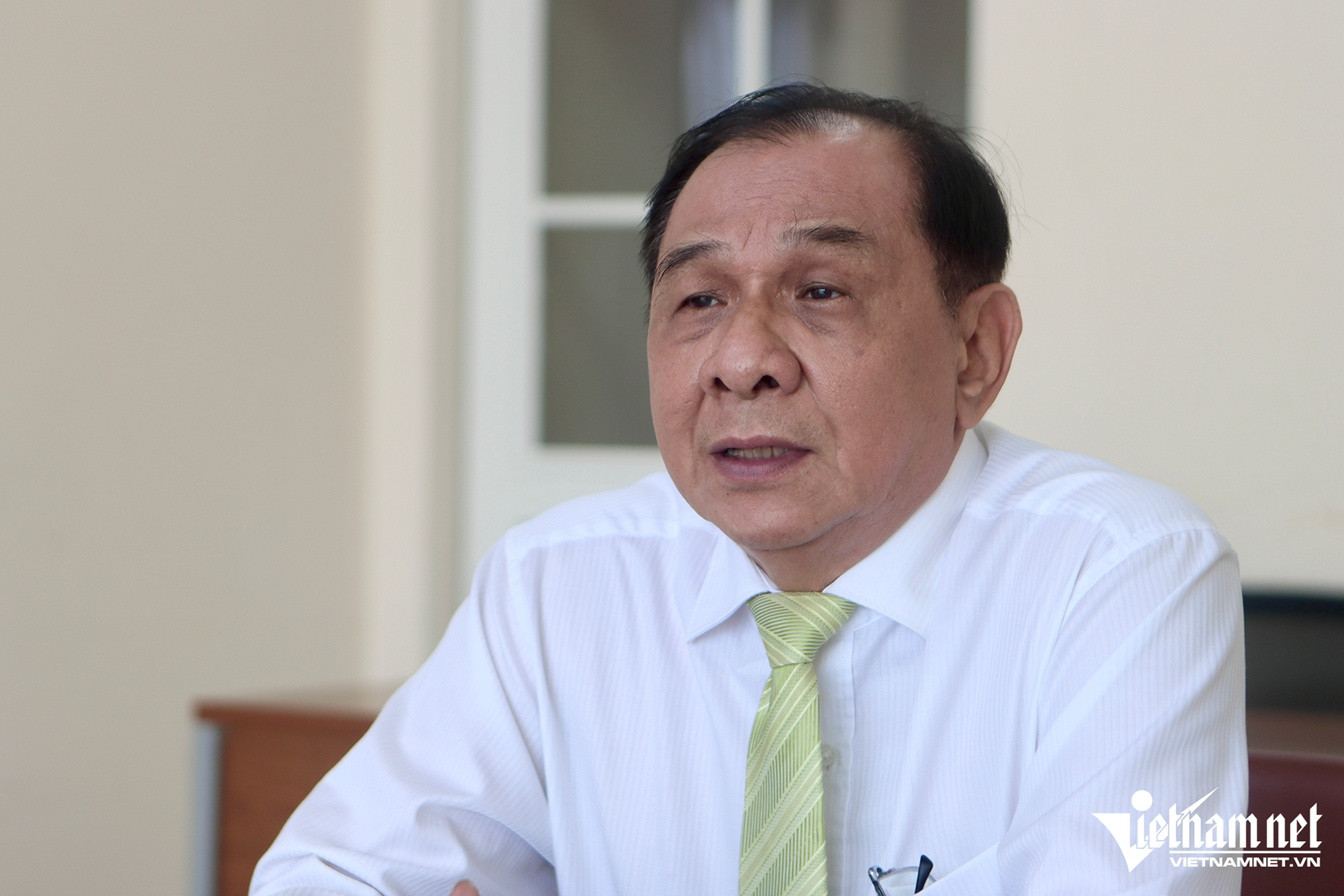
After more than 40 years of Doi Moi, the scale and standing of Vietnam’s economy have changed profoundly.
From a small, poor and largely closed economy facing food shortages, Vietnam has grown into an economy of considerable scale in the region, maintained relatively high growth rates, become an important destination for foreign investment and integrated increasingly deeply into global supply chains.
Vietnam’s international standing has also risen markedly through deeper economic integration, trade relations with major partners and an increasingly active role in trade agreements and regional and international forums.
What stands out is that Vietnam has not only expanded in terms of GDP, trade and foreign direct investment, but has also begun to be recognized as a dynamic and stable economy with long-term development potential.
The National Assembly recently passed the Urban Development Law. What can Ho Chi Minh City expect once the law takes effect?
The adoption of the Urban Development Law is something Ho Chi Minh City has long been waiting for. As a megacity and the country’s largest economic center, the city needs a sufficiently strong mechanism that eliminates gaps or disparities in its development framework compared with the capital, Hanoi.
The law is expected to give the city genuine autonomy, enabling local authorities to make decisions more quickly, promptly and in line with the socio-economic realities of southern Vietnam.
It can also provide a foundation for establishing regional linkage mechanisms, unleashing the creativity of the population and attracting talent from Vietnam and abroad through breakthrough policies.
Looking at Singapore or China, we can see that Vietnam’s mechanisms for attracting talent and resources still face many constraints. For development to accelerate, the mechanisms must be open and flexible, while the administrative workforce must be sufficiently capable and qualified to serve the community.
The greatest expectation is that Ho Chi Minh City will make a powerful leap forward and reinforce its role as the country’s economic locomotive.
What are the prerequisites for ensuring that this law translates effectively into tangible benefits for people and businesses?
I believe the first prerequisite is sufficiently strong decentralization and delegation of authority to local governments, while encouraging voluntary contributions and strict compliance from the business community and the public.
In urban and environmental management, real change does not come from slogans. It comes from planning philosophy, rigorous enforcement of the law and the example set by those who represent society. Waste treatment and the maintenance of public cleanliness must be systematically organized, with clear sanctions.
Infrastructure development and construction must be carried out on schedule, with absolutely no waste. At this stage, the waste of resources and time is even more dangerous than corruption.
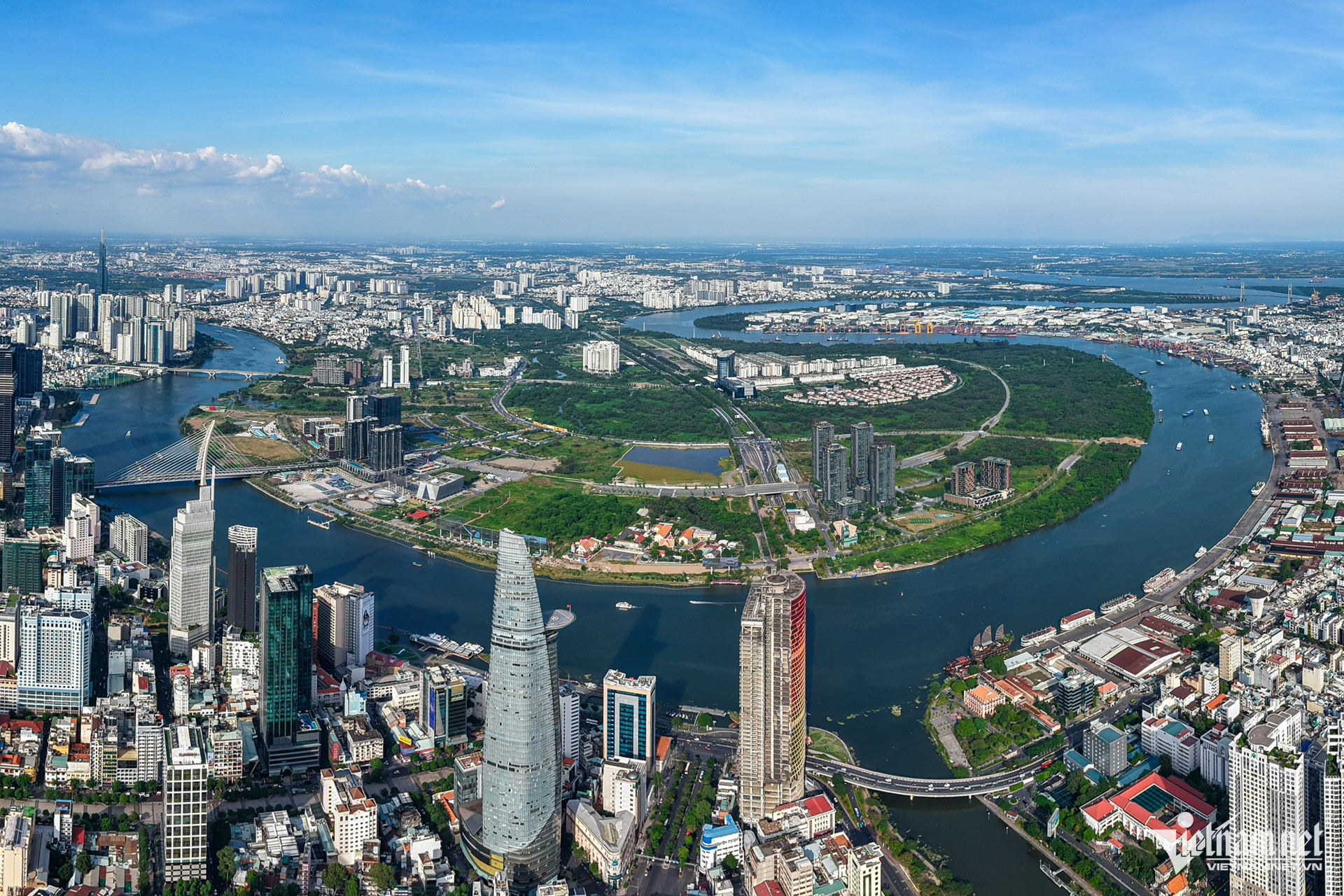
In education and training, the principle of “learning coupled with practice” needs to be thoroughly implemented to build a healthy, civilized and enlightened society.
I hope the adoption of the Urban Development Law will give Ho Chi Minh City an opportunity to “unshackle itself.” It is time to face realities directly and engage in frank dialogue to remove barriers, while developing concise, easy-to-understand guidance that can be applied immediately: those who comply should be supported, while violations should be dealt with strictly.
A law that is genuinely “of the people, by the people and for the people” must reflect the aspirations of citizens and businesses, build consensus from the central to local levels, and usher Ho Chi Minh City into a new phase of more open and sustainable development.
People, myself included, are looking forward to a period in which the country develops faster, but also more sustainably and substantively, with economic growth accompanied by improvements in quality of life.
Among the greatest expectations are higher incomes and better jobs, a safer living environment, higher-quality healthcare and education, fairer development opportunities for everyone, and simpler, more streamlined administrative procedures.
People also expect far-reaching institutional reform, an efficient and transparent administrative apparatus, stronger innovation and digital transformation, development of the green economy, and an enhanced international standing for the country.
In short, the greatest expectation is for Vietnam to become prosperous, modern and inclusive, with people at the center and able to benefit more clearly from the gains of development.
Ngan Anh – Phuoc Sang
.svg)
