 Vietnamnet.vn

 Podcast


Vietnam's government has proposed introducing time-of-use electricity pricing for residential customers when technical conditions allow, alongside a gradual phaseout of cross-subsidies between different electricity consumer groups.
The proposals were presented to the National Assembly on October 20 as part of draft amendments to the Electricity Law, prompting concerns among lawmakers about affordability, particularly for low-income households.
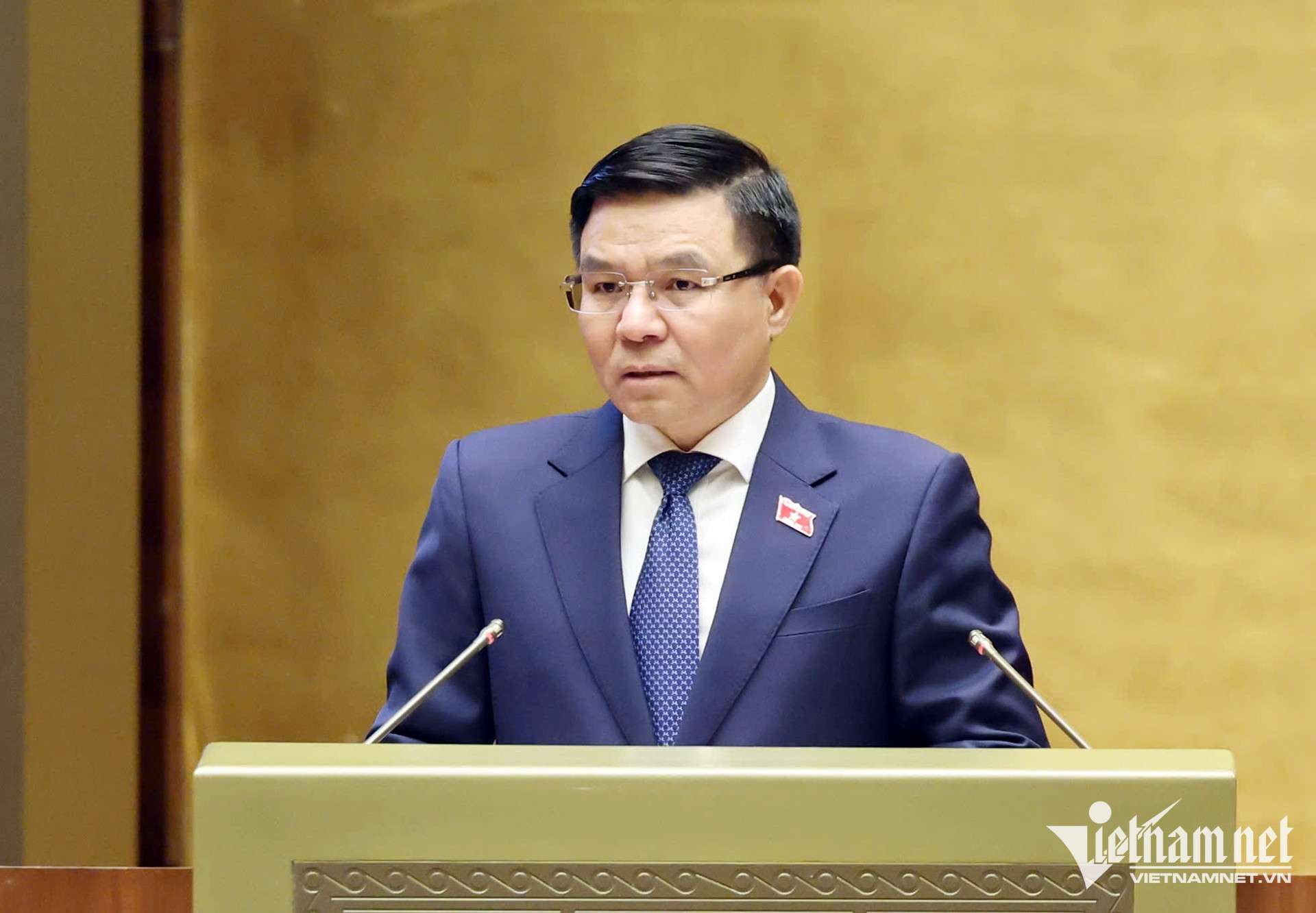
Minister of Industry and Trade Le Manh Hung, presenting the draft legislation on behalf of the government, said the amendments aim to strengthen national energy security, address regulatory obstacles and improve transparency in electricity pricing.
The proposed changes cover power development planning, investment procedures, investor selection, electricity pricing and market operations.
They also seek to expand competitive electricity markets and direct power purchase arrangements, while updating regulations on electricity supply interruptions, payments and power quality.
Government proposes electricity tariffs based on time of use
Under the draft legislation, electricity prices would increasingly reflect market conditions while remaining subject to state regulation.
The pricing mechanism would be aligned with the development of Vietnam's competitive electricity market and the need to safeguard national energy security.
A central proposal is to gradually eliminate cross-subsidies between customer groups that have not yet entered the competitive retail electricity market.
Cross-subsidization occurs when one category of electricity consumers effectively helps cover the costs of supplying another through differences in regulated tariffs.
The government also proposes introducing retail electricity tariffs based on peak, off-peak and normal consumption periods, including for residential customers when the necessary technical infrastructure is available.
Such a system would charge different rates depending on when electricity is consumed, potentially encouraging users to shift some activities away from periods of high demand.
The draft also addresses electricity purchase contracts for different types of power generation, as well as pricing incentives for renewable energy, emerging energy technologies and electricity storage systems.
Where retail electricity prices cannot be adjusted promptly because of macroeconomic stability or social welfare considerations, the government proposes a mechanism to compensate for reasonable costs.
However, lawmakers and the National Assembly's reviewing committee have raised questions about how the reforms would operate in practice and who would ultimately bear the costs.
Families cannot simply postpone dinner until 11 p.m., lawmaker warns
During group discussions following the presentation of the draft law, National Assembly deputy Ta Thi Yen of Dien Bien province expressed support for encouraging electricity conservation and reducing peak demand.
However, she warned that extending time-of-use pricing to households requires particular caution.
Evening peak hours coincide with the normal daily routines of most Vietnamese families, she said.
Parents return from work, children come home from school, and households need electricity for cooking, bathing, laundry, studying, air conditioning and other essential activities.
"A factory can rearrange its production shifts, but a family can hardly move dinner to 11 p.m. or tell young children to wait until peak hours are over before studying or bathing," Yen said.
She warned that a policy designed to encourage changes in electricity consumption could instead increase costs for households that have little ability to alter their routines.
Yen recommended against immediately introducing the pricing system nationwide for all residential customers.
Instead, implementation should take account of customer categories, electricity consumption levels, the ability to shift demand, meter availability and technical infrastructure.
She also called for a clear implementation roadmap and comprehensive impact assessments before the system is expanded.
While electricity conservation is a responsibility shared by consumers, Yen stressed that pricing policies must recognize essential household needs that cannot easily be moved to other times of day.
Lawmakers call for pilot programs and consumer protection
Tran Vu Khiem, standing deputy secretary of the Quang Tri Provincial Party Committee and a National Assembly deputy, echoed Yen's concerns.
He said voters were increasingly worried about rising electricity costs, particularly the potential impact of time-of-use tariffs on households and small businesses.
Khiem recommended introducing the residential pricing mechanism through pilot programs rather than applying it broadly from the outset.
He also called for detailed assessments of the impact on low-income families and support measures to help households adopt energy-efficient appliances.
Regarding the government's proposed compensation mechanism when electricity prices cannot be adjusted promptly, Khiem emphasized the need for financial transparency.
Any compensation costs should be independently audited and publicly disclosed to the National Assembly and citizens, he said.
He warned against allowing accumulated losses to build up before passing the burden on to consumers through sudden electricity price increases.
Khiem also called for direct electricity bill assistance for poor households, social policy beneficiaries and people living in remote areas, funded through the state budget.
Such measures, he argued, are necessary to ensure vulnerable groups are not disadvantaged by electricity market reforms.
Nguyen Xuan Nghiem, a National Assembly deputy from Da Nang, similarly stressed that electricity pricing reform must be accompanied by measures to protect household affordability.
Although he supported greater transparency and a gradual transition toward market-based electricity prices, he said reforms should be coordinated with social welfare policies.
The critical question, Nghiem argued, is not simply how electricity prices are calculated, but whether households will still be able to afford the power they need for essential daily activities.
If assistance is inadequate or introduced too late, the additional financial burden could fall disproportionately on families already facing economic difficulties.
He urged the government to clarify eligibility criteria, implementation responsibilities, funding sources and oversight mechanisms for electricity bill support.
The timetable for pricing reform should also be coordinated with the introduction of support measures to avoid policy gaps that could directly affect household living standards.
Reviewing committee seeks clarity on costs and investment risks
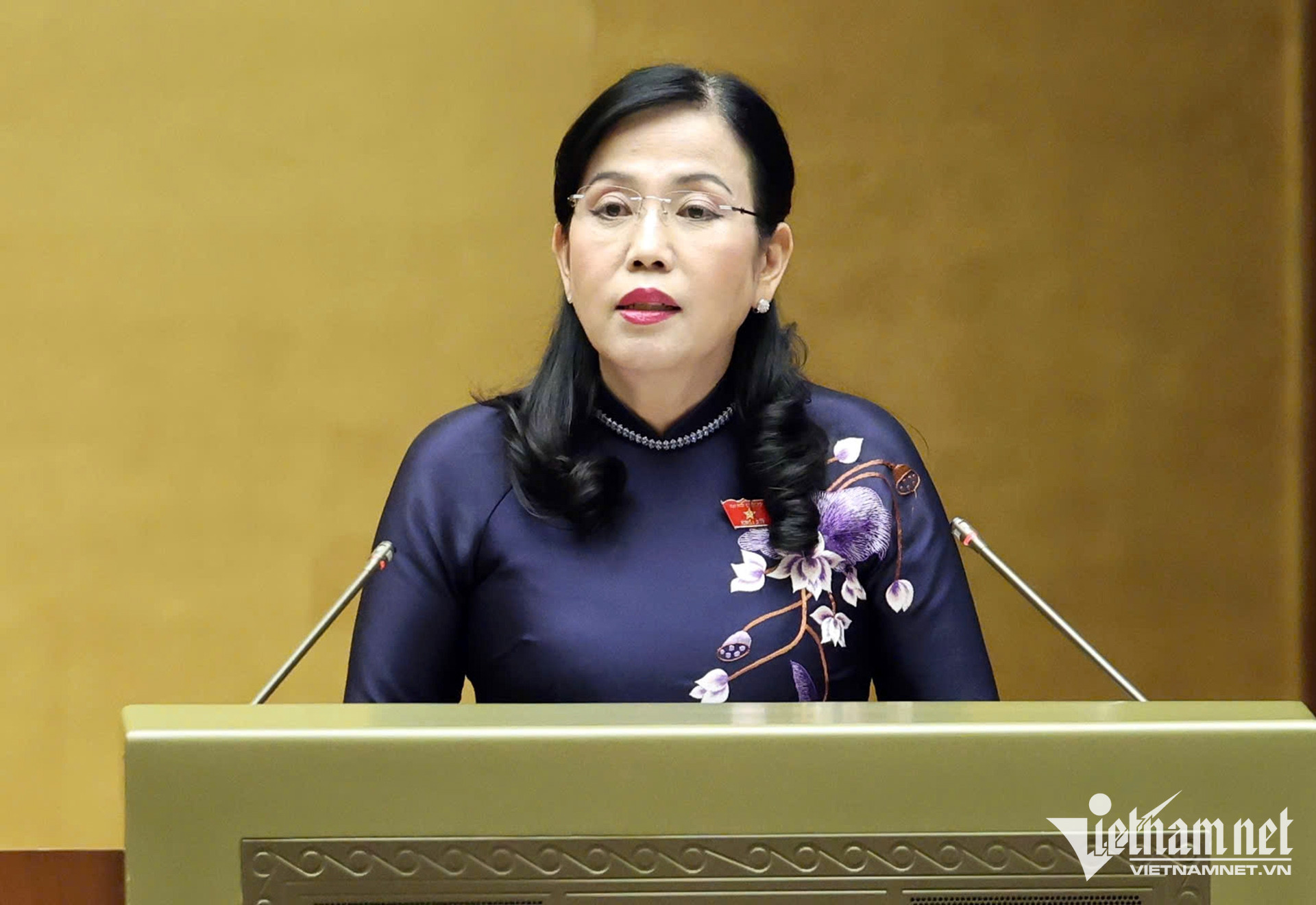
Nguyen Thanh Hai, chairwoman of the National Assembly's Committee on Science, Technology and Environment, presented the committee's assessment of the proposed amendments.
The committee broadly supported the principles of market-based electricity pricing, reasonable cost recovery, gradual elimination of cross-subsidies and the development of a competitive power market.
However, it called for greater clarity on the scope, beneficiaries and implementation timetable of the cross-subsidy phaseout.
The committee also emphasized the need to distinguish electricity pricing reform from direct government assistance for poor households, social policy beneficiaries and residents of areas facing particularly difficult socioeconomic conditions.
Support programs should have clearly defined eligibility criteria, funding arrangements and institutional responsibilities, with transparent implementation.
The committee warned that market-oriented reforms must not undermine access to electricity for groups requiring state assistance.
It also questioned provisions requiring electricity purchase contract prices to ensure full recovery of costs, investment capital and reasonable profits.
Such wording could be interpreted as a government guarantee of investors' financial returns, the committee said.
Instead, electricity prices should reflect reasonable and legitimate costs, investment efficiency, risk exposure and market conditions.
The government should ensure that investment and business risks are not transferred entirely to the state, electricity buyers or end users.
Regarding compensation for costs arising when electricity prices cannot be adjusted promptly, the committee requested clarification of funding sources, compensation methods and the timing of cost recognition and settlement.
These details are necessary to avoid creating an implicit financial obligation for the state budget.
Competitive electricity market expansion also under scrutiny
The reviewing committee supported further development of Vietnam's competitive electricity market and expansion of direct electricity trading mechanisms.
However, it noted that allowing electricity retailers to participate more extensively in direct trading would represent a new policy with potentially significant consequences.
The changes could affect customer distribution, electricity companies' revenue, overall power system costs and the interests of consumers who do not participate in direct trading arrangements.
The committee therefore recommended clearly defining the scale, eligibility conditions, rights and responsibilities of participating electricity retailers.
It also emphasized that companies engaging in competitive electricity trading must meet their full cost obligations rather than shifting expenses unfairly onto customers outside the arrangements.
The debate highlights the challenge facing Vietnam as it seeks to modernize its electricity market while protecting consumers from sudden or disproportionate increases in their bills.
Time-of-use tariffs could encourage more efficient electricity consumption and help manage peak demand, but lawmakers argue that the policy must reflect the practical limits of household flexibility.
For families whose electricity use is concentrated in the evening, the ability to change consumption patterns may be far more limited than it is for industrial customers.
As the National Assembly considers the proposed amendments, the central issue will be how to balance market-based pricing, investment incentives and energy security with the affordability of electricity for ordinary households.
Tran Thuong

