Vietnamnet.vn

 Podcast


Hong Duyen
Luong Pagoda, also known as Tram Gian Pagoda or the Hundred-Compartment Pagoda, was built in the late 15th century, around 1485-1500, in the former Quan Anh region, now Hai Anh Commune in Ninh Binh Province.
For generations, residents of the former Hai Hau District in Nam Dinh Province, now part of Ninh Binh, have passed down a folk verse celebrating the pagoda's distinctive beauty. It speaks of Luong Pagoda standing beside a riverside market, with its hundred tiled compartments and a well lined with circular stones.
Also known as Phuc Lam Tu, the pagoda traces its origins to the reclamation of coastal land more than 500 years ago, during the reign of the Le Dynasty.
Originally a modest religious site, it underwent several rounds of restoration and expansion, particularly in the late 19th and early 20th centuries. Today, the complex is an extensive architectural ensemble comprising 100 compartments.
Its architecture bears the imprint of different historical periods, with artistic styles from the 17th and 18th centuries particularly prominent.
The pagoda grounds are divided into two closely connected sections.
The first contains 49 compartments, including the front ceremonial hall, main Buddhist sanctuary, bell tower, rear hall and two corridors running along the eastern and western sides. The buildings are linked through an intricate arrangement of intersecting roofs, creating a harmonious architectural composition.
The second section also comprises 49 compartments, housing guest rooms, monks' quarters, storage facilities, kitchens and other structures built in the traditional architectural style.
In front of the pagoda lies a crescent-shaped pond, its clear green water reflecting the three-entrance gate and the surrounding ancient trees.
Today, approximately 40 historically valuable stone steles are preserved along the pagoda's eastern and western corridors. They include square steles bearing carved images and circular steles recording the contributions of earlier generations.
The square steles depict the Four Founding Ancestors, honoring those credited with establishing the pagoda.
The circular steles contain a wealth of historical information, documenting the early settlement and coastal reclamation of the region, village regulations governing contributions and land ownership, and recognition given to those who achieved academic success.
Inside the pagoda, the system of ironwood beams, rafters and pillars features elaborate carvings of decorative patterns and dragons in various poses.
The wooden structural supports of the front hall are particularly striking, with carvings depicting dragons facing the moon, dragons swirling through water and dragons holding pearls in their mouths.
Another feature that leaves a lasting impression on visitors is the pagoda's ancient well.
Its circular wall is formed from old stone mortars stacked together, creating an unusual structure. The water remains remarkably clear and cool throughout the year.
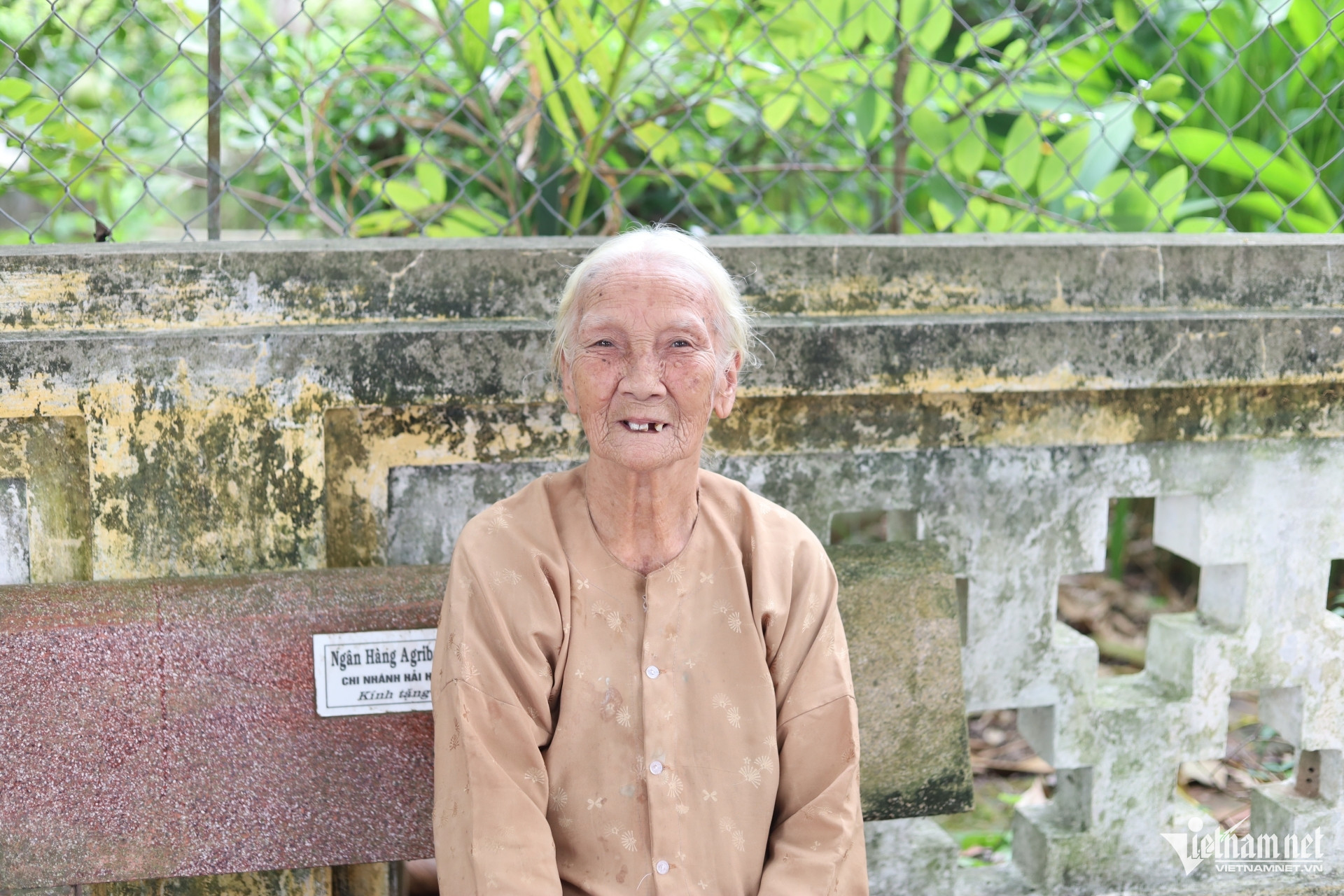
Dang Phu, an elderly woman who has helped look after the pagoda for many years, said local residents traditionally use water from the well to steam sticky rice and prepare offerings to the Buddha.
For the people of Hai Anh, the practice also expresses their respect and gratitude toward their ancestors.
Among the pagoda's most treasured natural features are two ancient mango-family trees standing approximately 25 meters tall, with broad canopies and lush green foliage.
The pair received Vietnamese Heritage Tree recognition in 2019 and are affectionately regarded by local residents as the pagoda's "green treasures."
Every year, the Luong Pagoda Festival takes place from the 13th to the 16th day of the third lunar month.
The festival offers residents an opportunity to honor the Four Founding Ancestors who helped reclaim and settle the land, pray for national peace and prosperity, and preserve the region's longstanding spiritual and cultural traditions.
On March 26, 1990, Luong Pagoda was officially recognized as a national historical and cultural relic.
Located near the coast of the former Hai Hau District, the pagoda is just over two hours' drive from Hanoi, making it an accessible destination for visitors interested in Vietnam's religious heritage and traditional architecture.
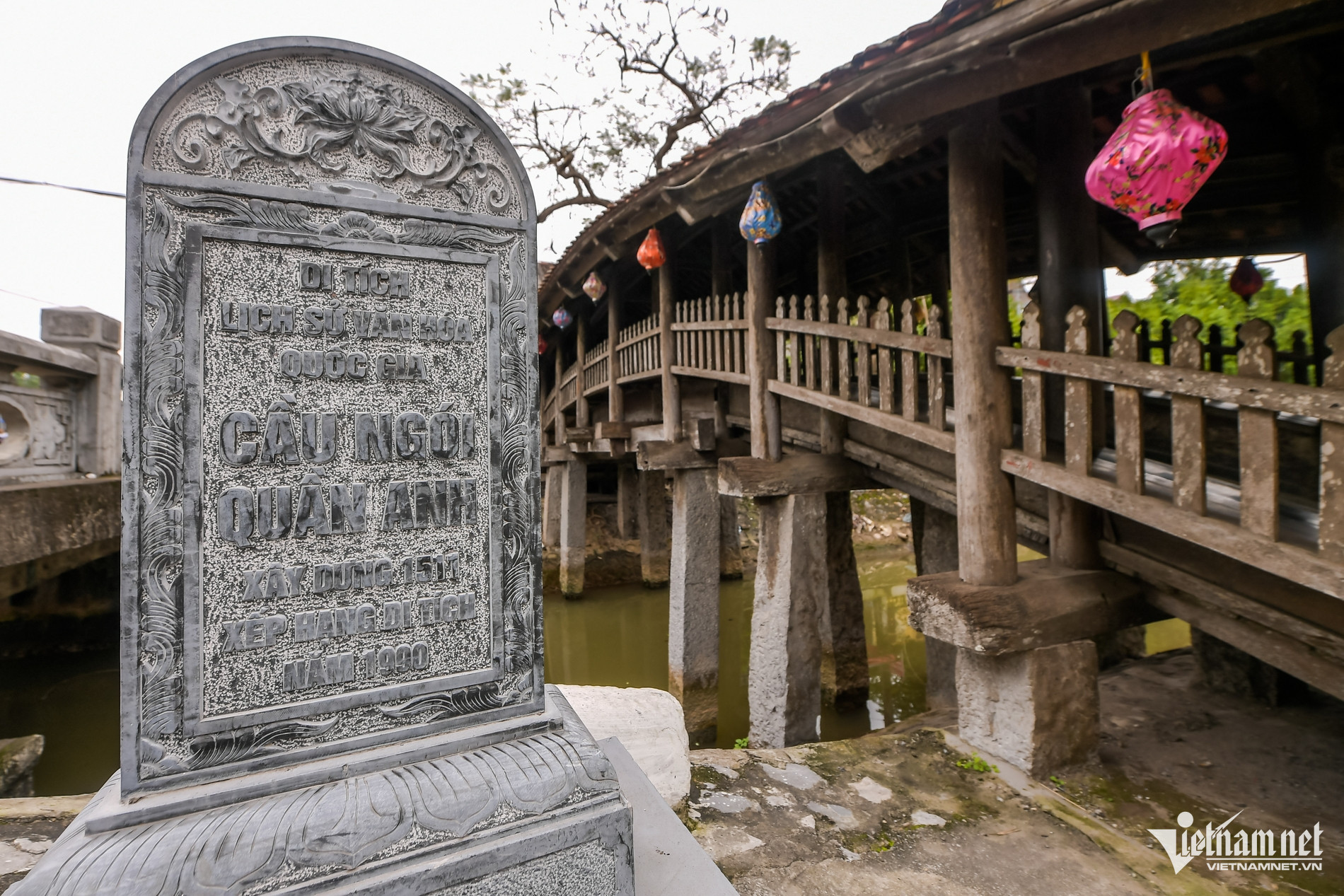
Visitors can also explore the nearby Luong Tile-Roofed Bridge, which was constructed around the same period as the pagoda.
The bridge follows the traditional thuong gia, ha kieu architectural style, meaning a roofed structure above and a bridge below.
Featuring nine tiled compartments, its gracefully curved roof stretches across the picturesque Trung Giang River.
Despite more than five centuries of history, Luong Market's tile-roofed bridge has largely retained its original architectural character and remains a source of pride for local residents.
In 1990, the bridge was also designated a national historical and cultural relic.
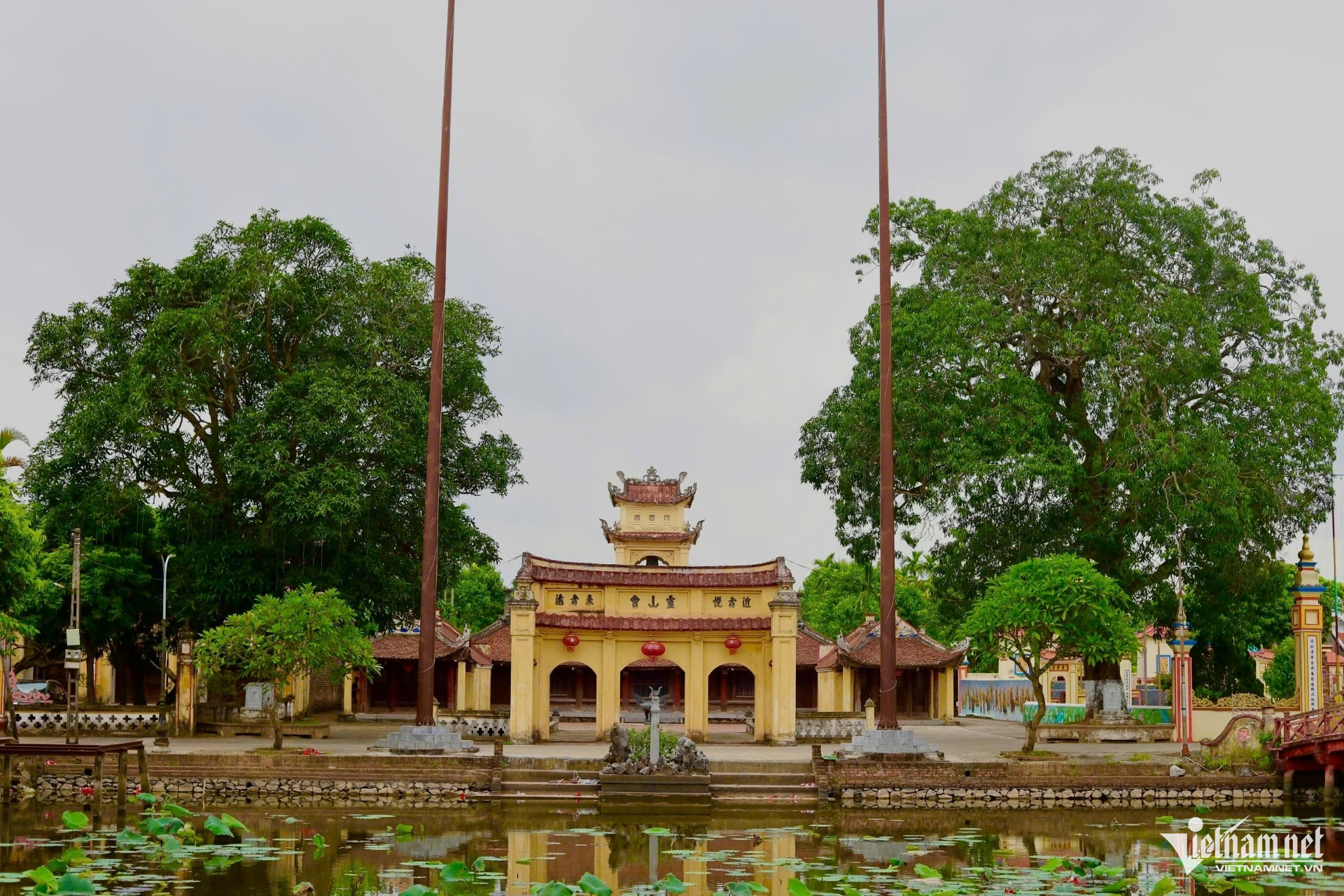
Luong Pagoda reflects architectural influences from several historical periods, particularly the artistic styles of the 17th and 18th centuries.
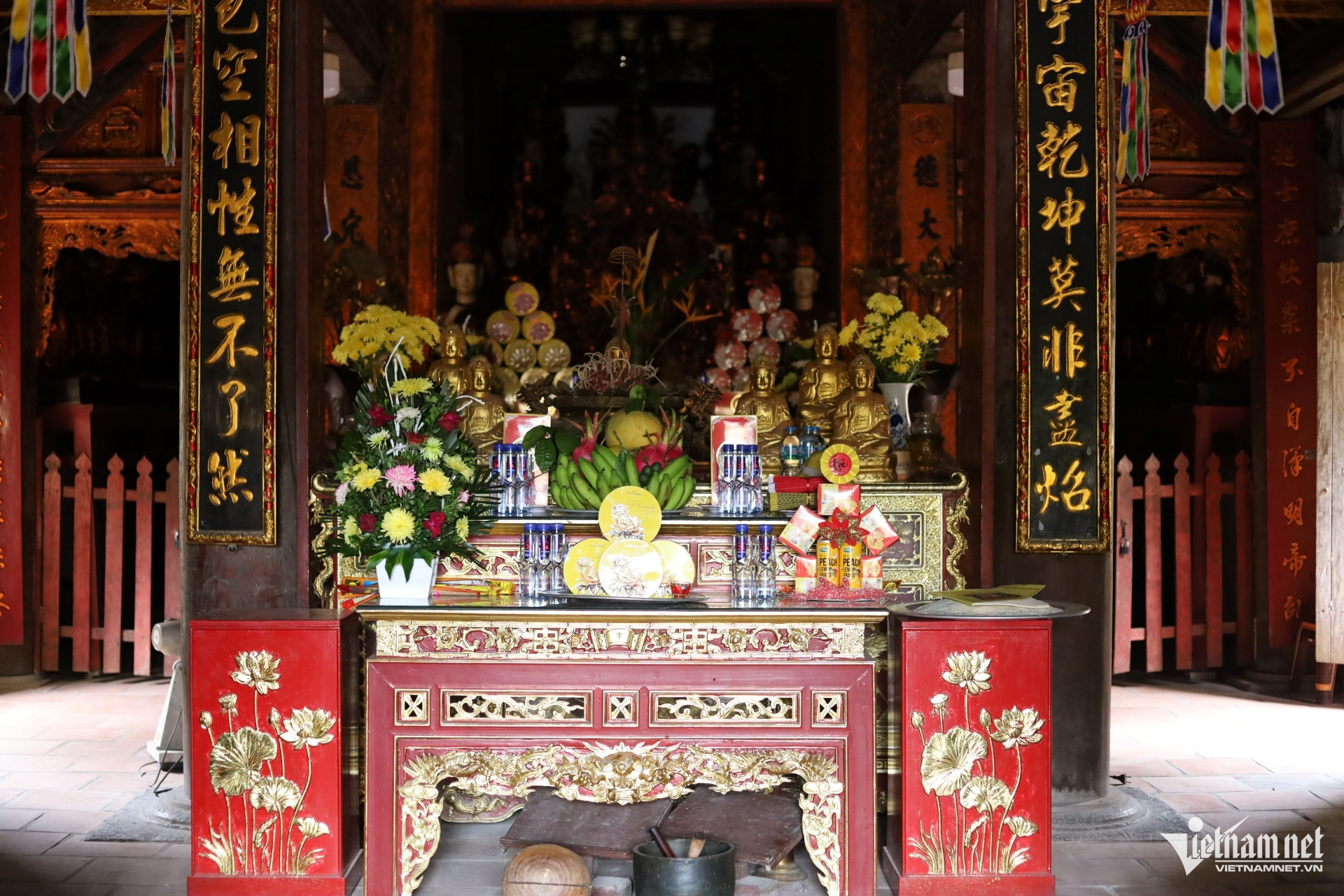
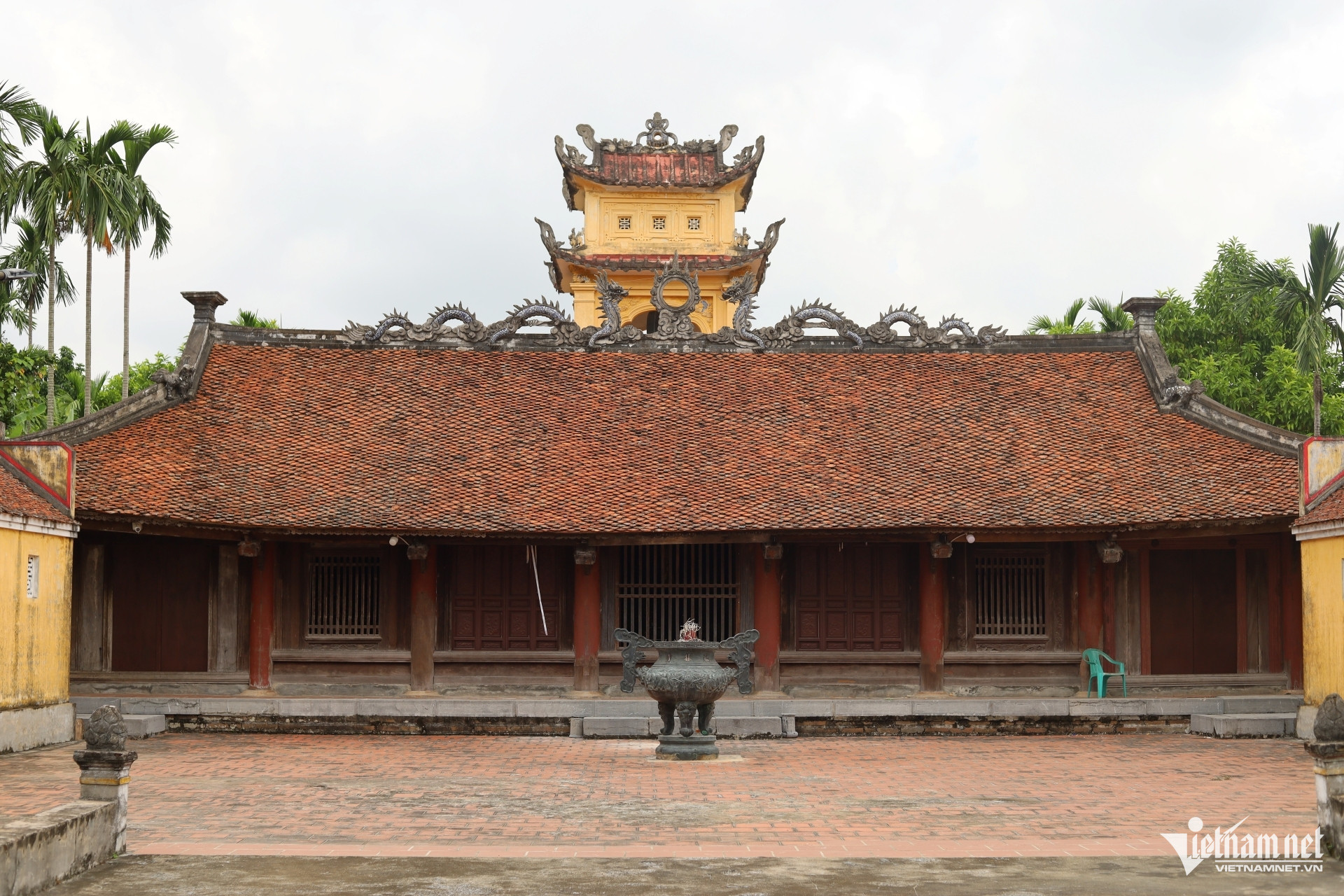
The complex comprises interconnected buildings, including ceremonial halls, Buddhist sanctuaries, corridors and monks' quarters.
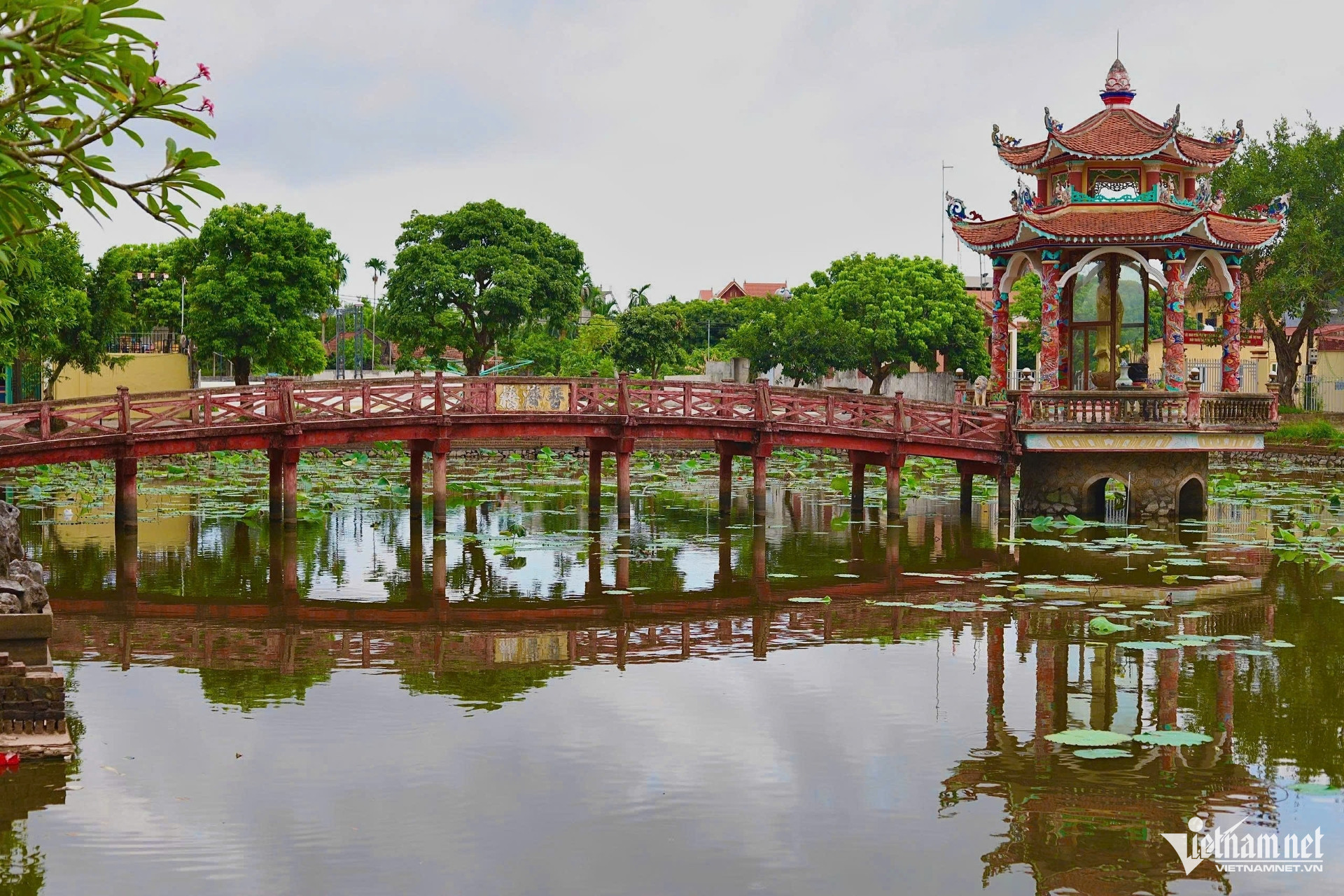
A crescent-shaped pond in front of the pagoda reflects the historic entrance gate and surrounding ancient trees.
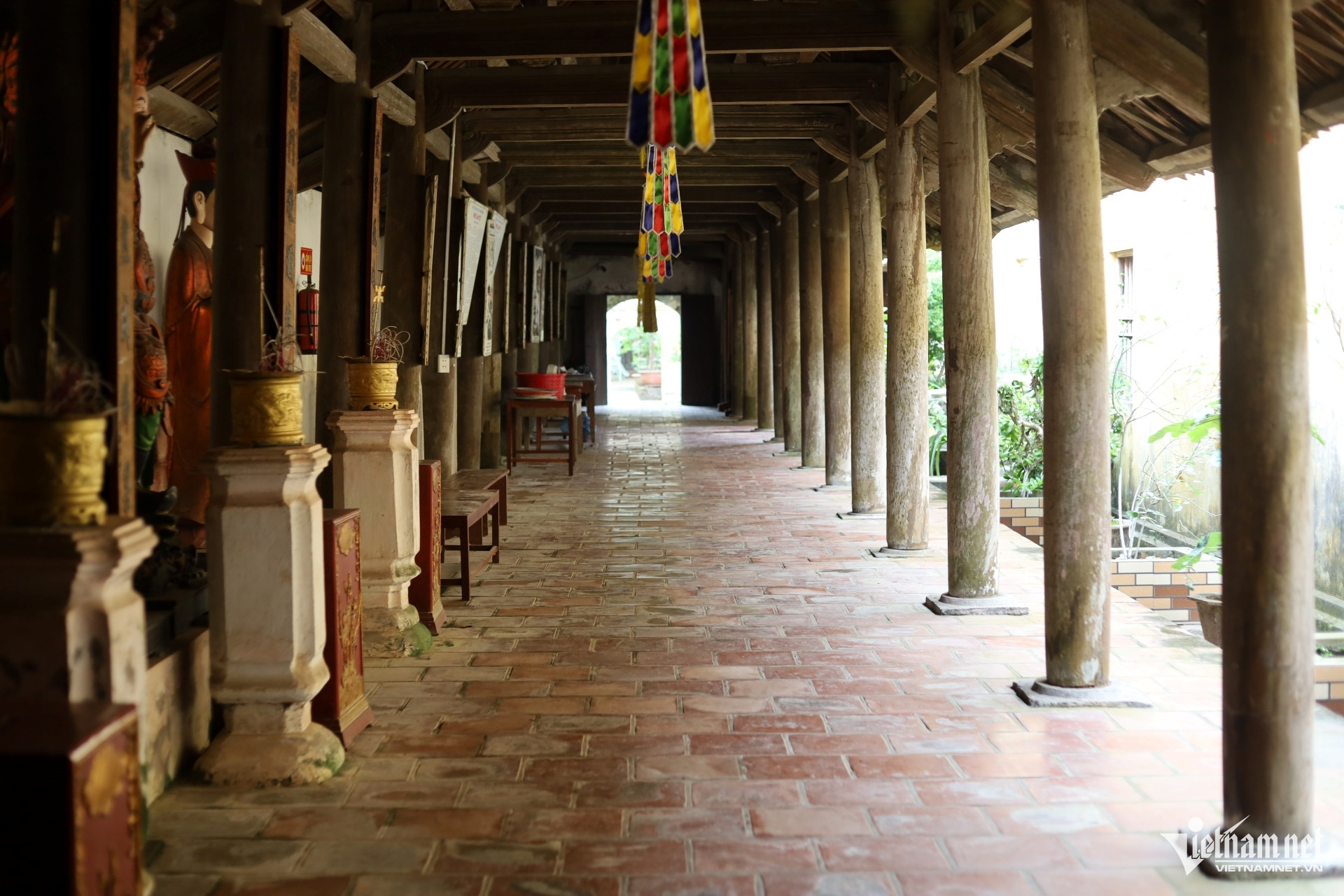
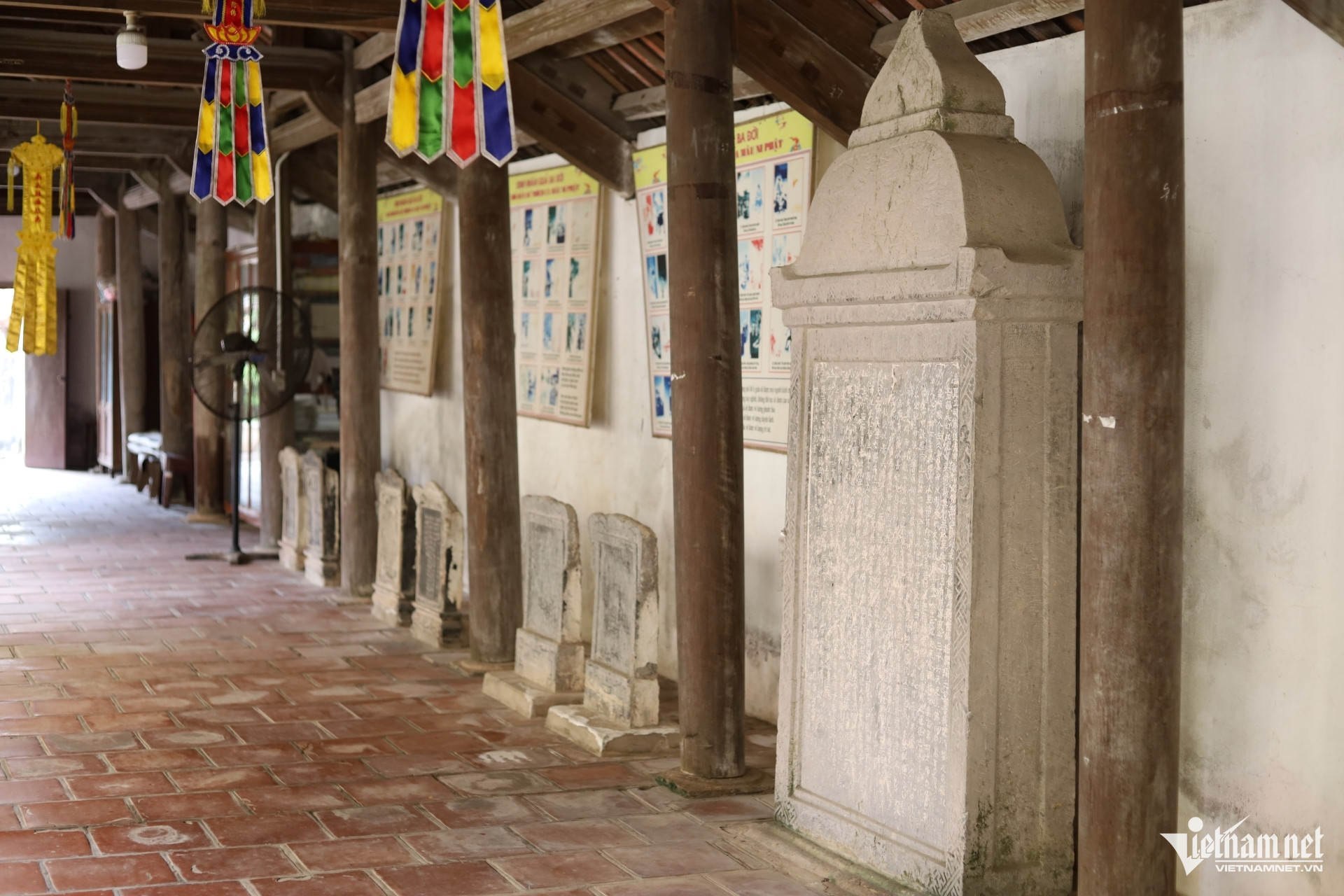
Intricate dragon carvings decorate the ironwood beams, rafters and pillars inside Luong Pagoda.
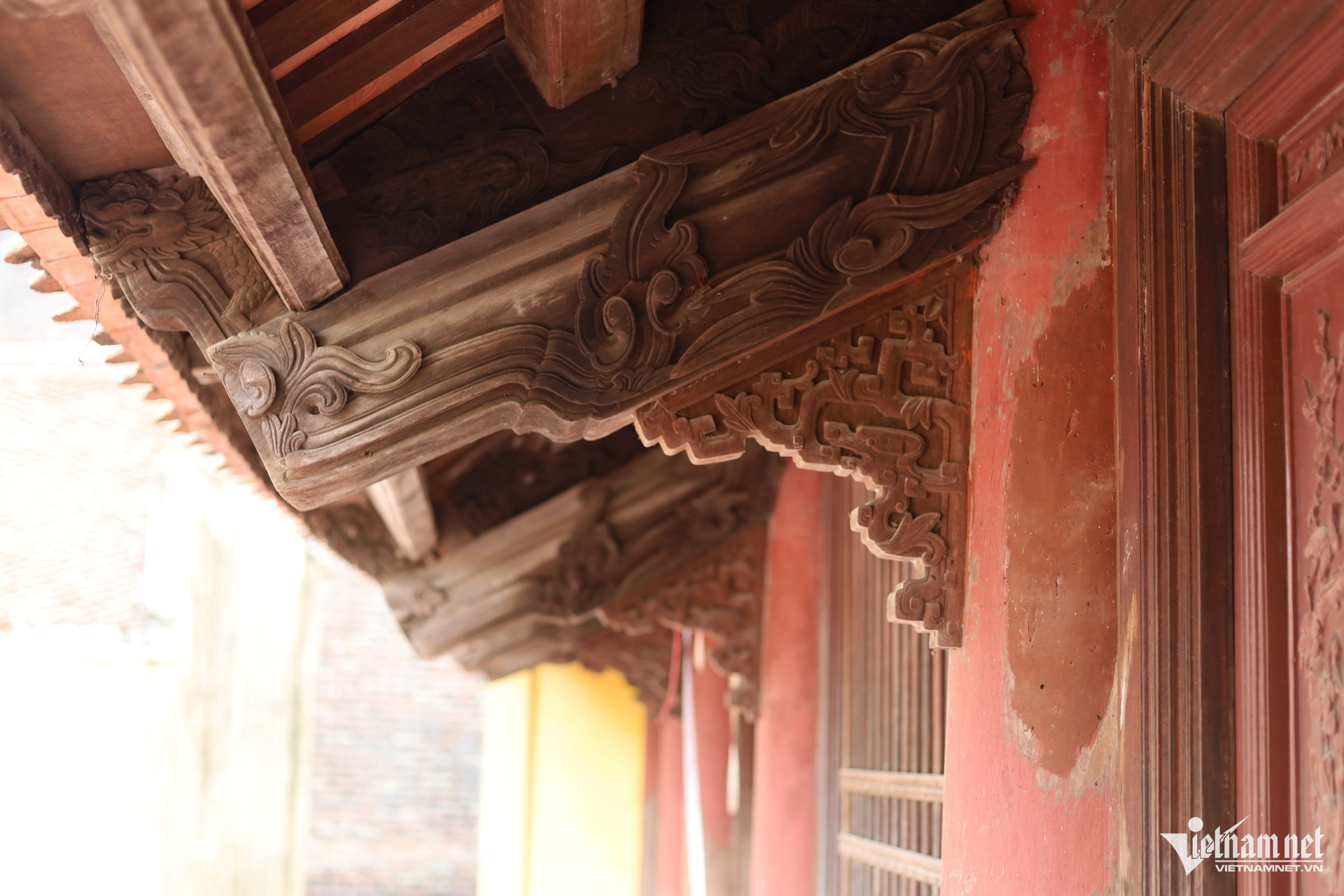
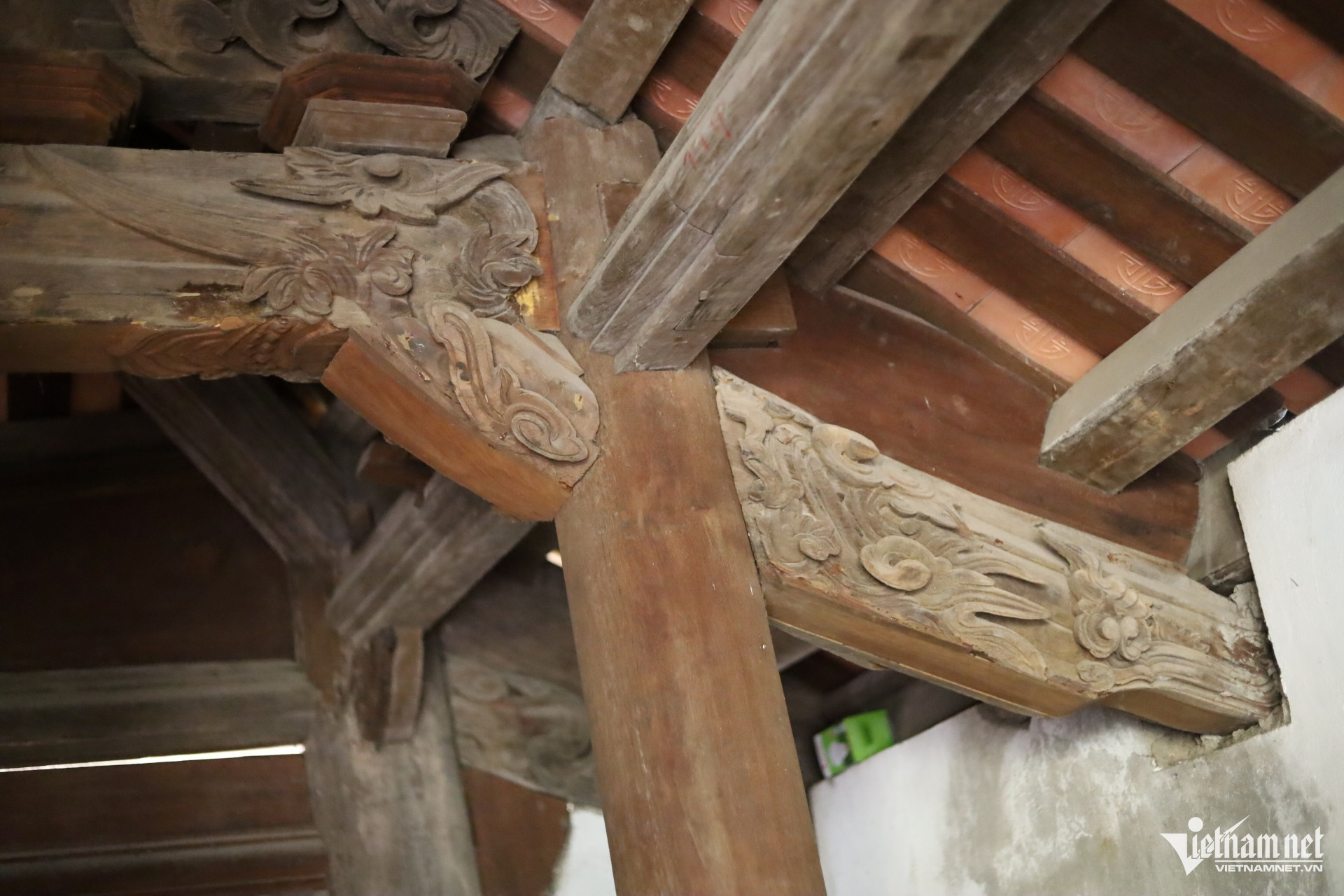
Traditional woodcarvings feature dragons in various poses, showcasing the craftsmanship of earlier generations.
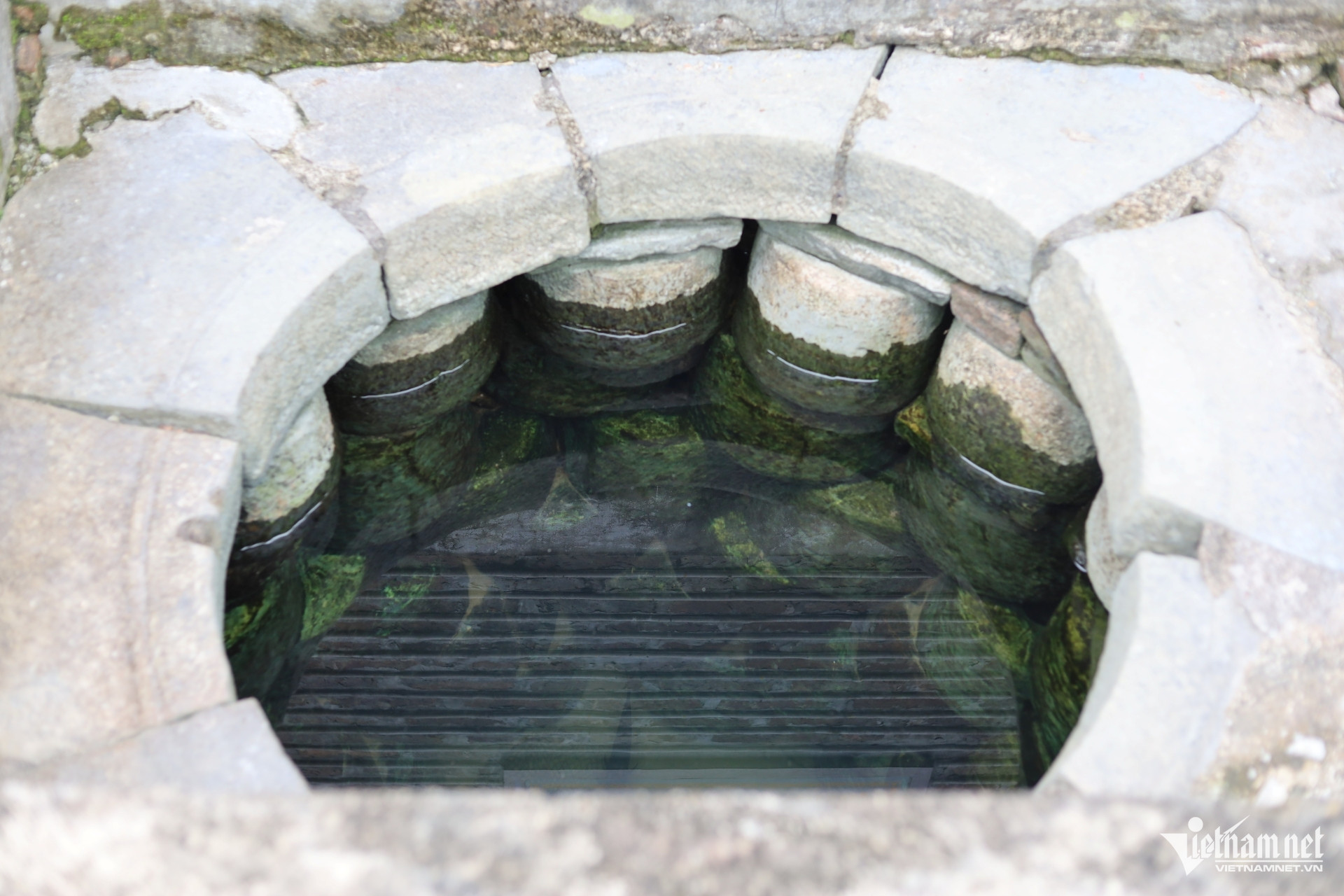
The pagoda's ancient well is distinguished by its circular wall made from stacked stone mortars.
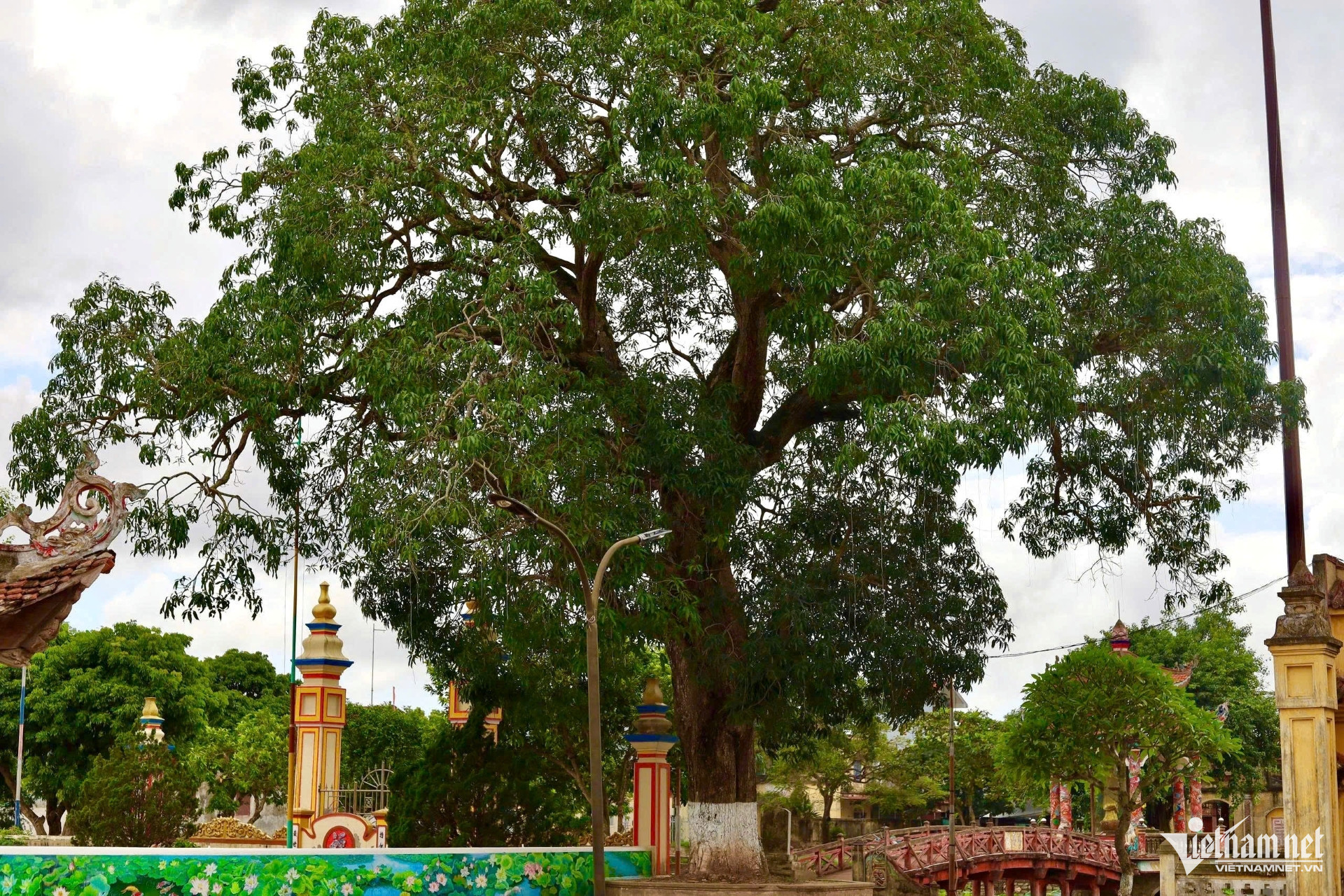
Two ancient trees, each approximately 25 meters tall, were recognized as Vietnamese Heritage Trees in 2019.
The towering trees, known locally as the pagoda's "green treasures," provide shade across the historic grounds.