 Vietnamnet.vn

 Podcast


Formerly located in Tien Son commune, Viet Yen district, Bac Giang province, the pagoda now belongs to Van Ha ward in Bac Ninh province following administrative changes. With its ancient earthen walls, tranquil burial tower garden and centuries-old collection of Buddhist woodblocks, Bo Da continues to preserve a distinctive spiritual tradition rooted in the historic Kinh Bac cultural region of northern Vietnam.
From the name Bo Da to devotion to Avalokiteshvara
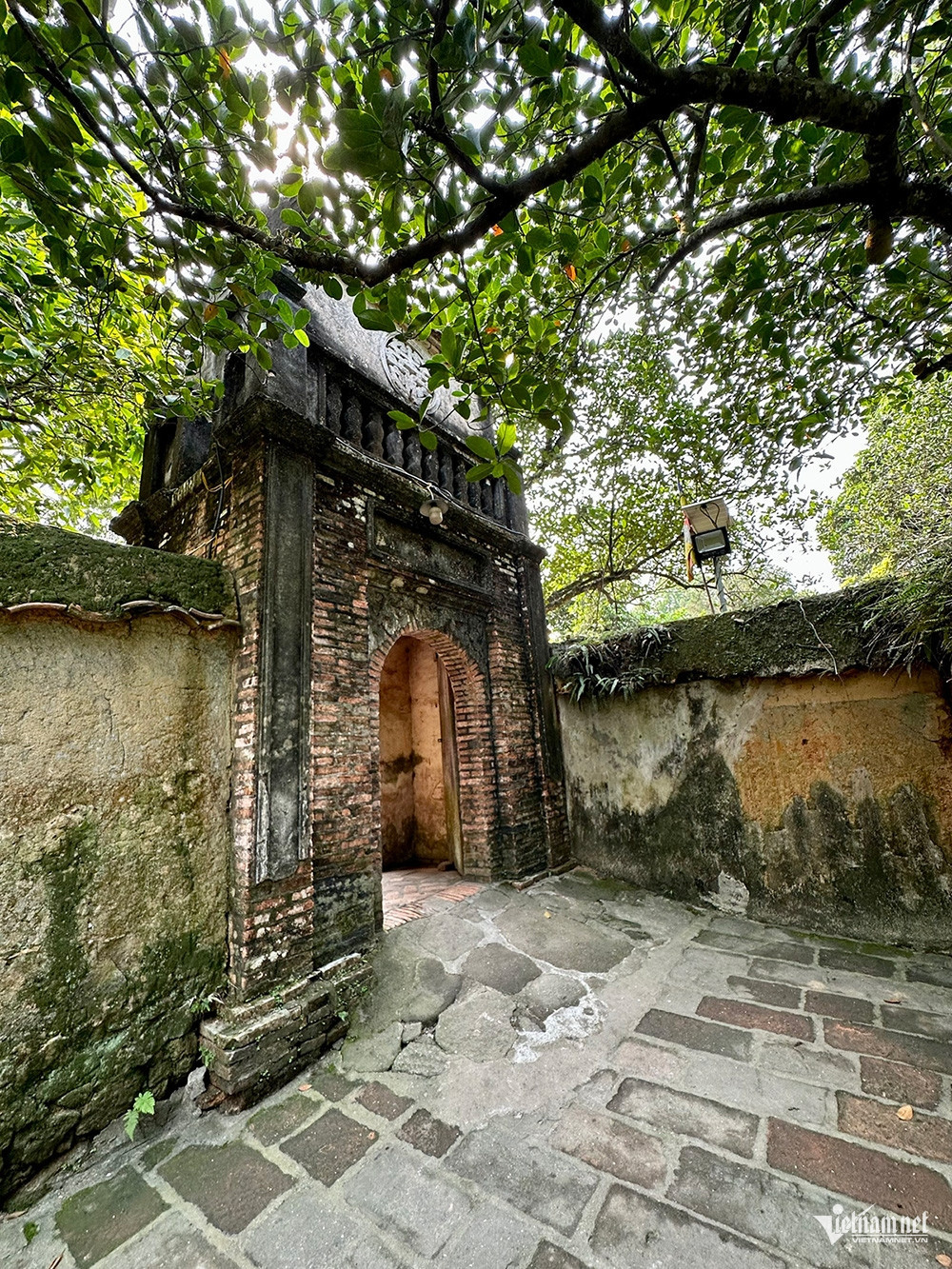
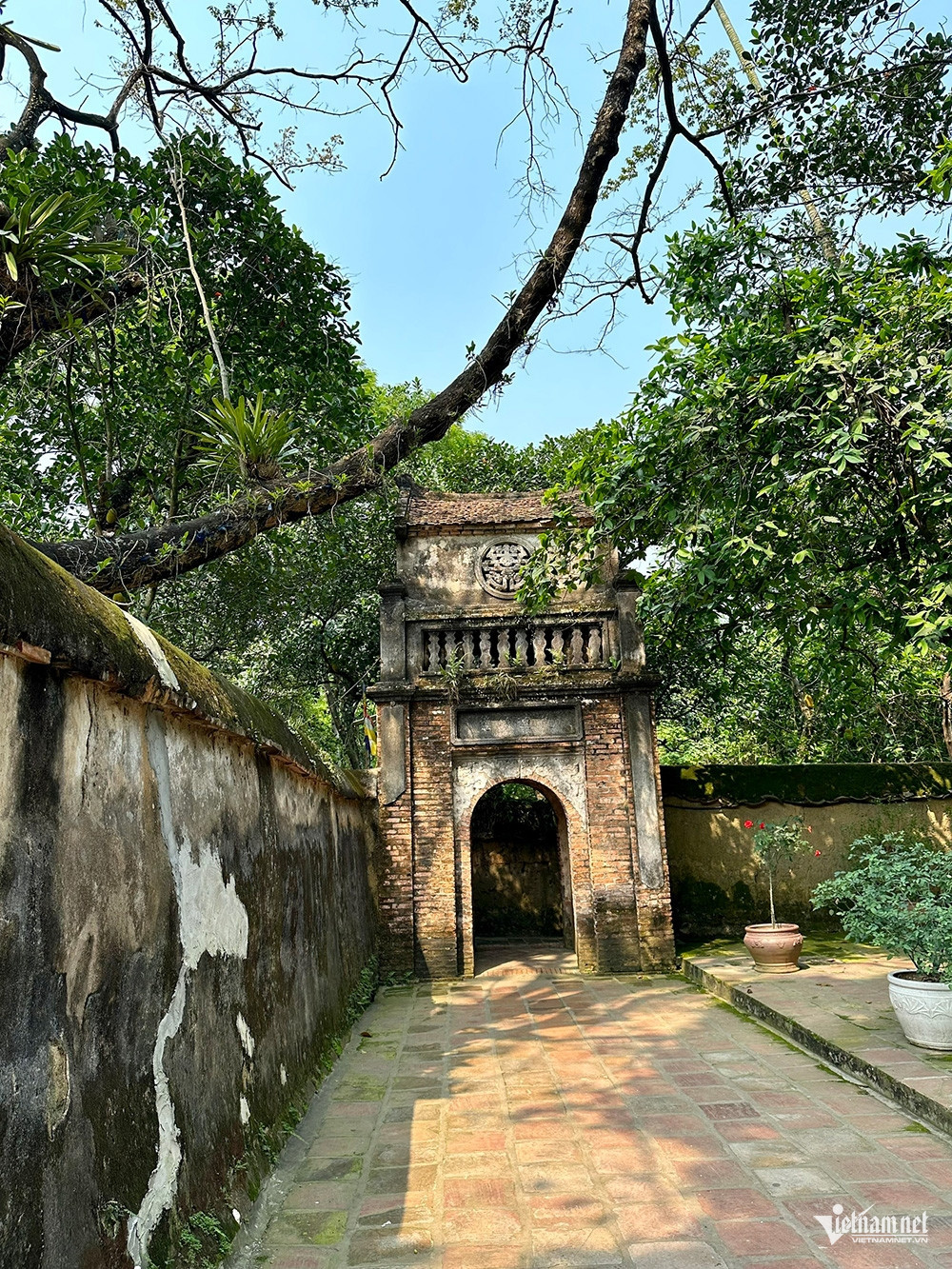
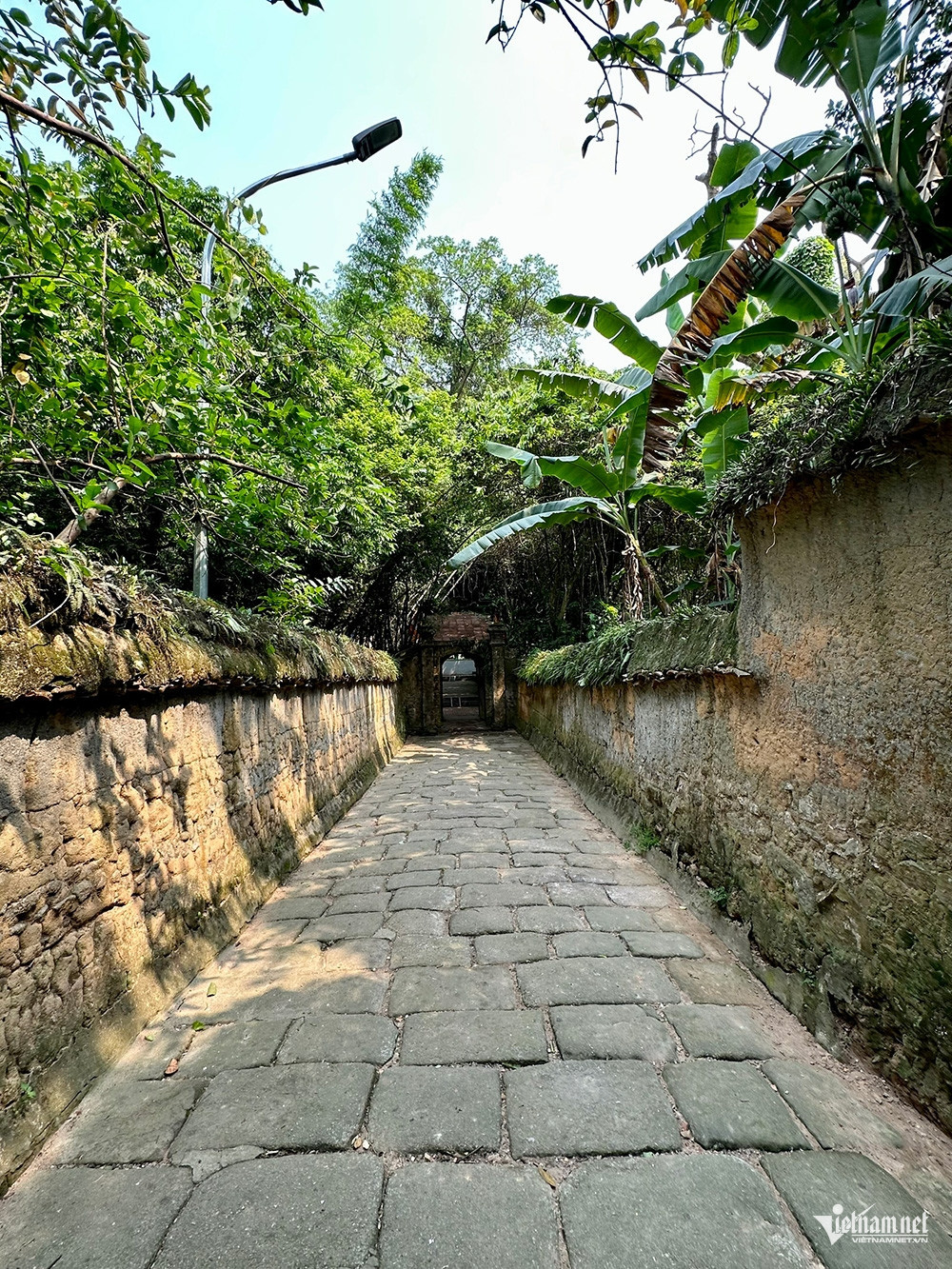
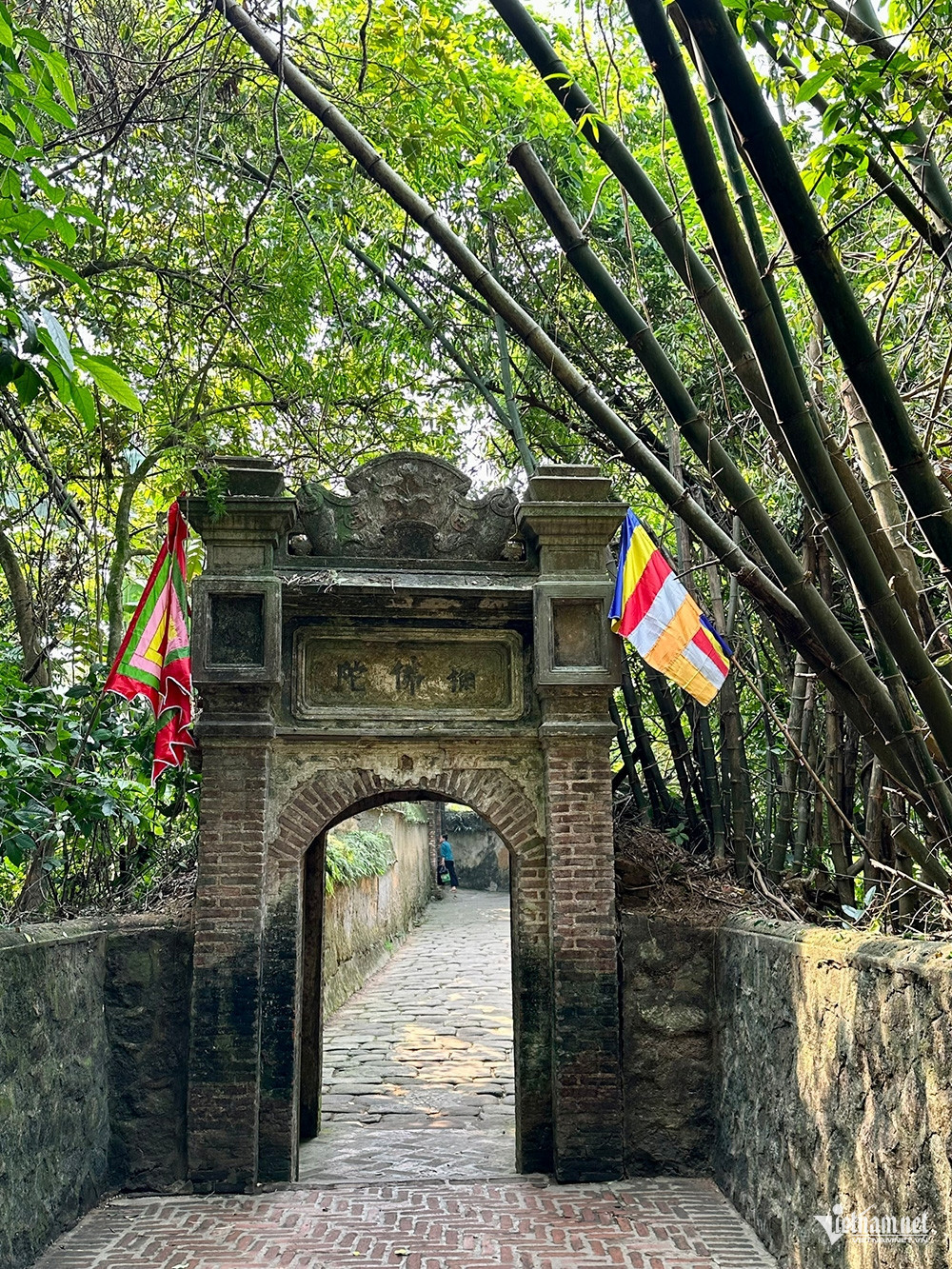
Nestled at the foot of Phoenix Mountain, Bo Da Pagoda welcomes visitors with stone-paved paths, green bamboo groves, weathered earthen walls and traditional buildings sheltered beneath old trees.
Unlike many Buddhist temples known for monumental statues or imposing architecture, Bo Da possesses the quiet dignity of a centuries-old monastic retreat. Yet its identity lies not merely in its buildings but, more importantly, in the religious beliefs and spiritual values passed down through generations.
People in the Kinh Bac region have long repeated the saying "Nam Huong Tich, Bac Bo Da," referring to Huong Tich in the south and Bo Da in the north as two prominent centers of Avalokiteshvara worship in northern Vietnam.
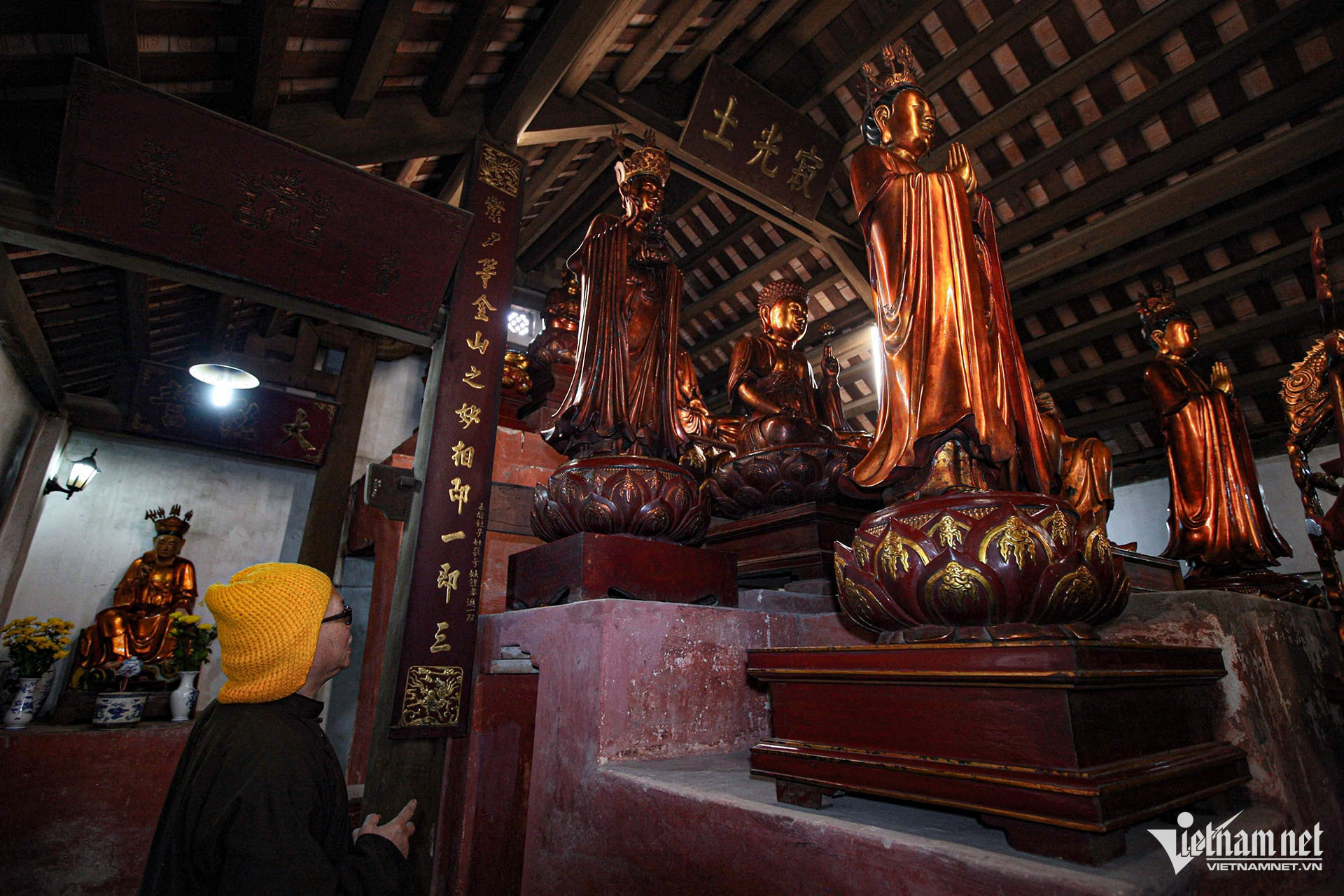
Bo Da is also known as Quan Am Pagoda, reflecting the deeply rooted belief in the compassion of Avalokiteshvara, known in Vietnam as Quan The Am, and the Bodhisattva's power to relieve suffering and protect people from misfortune.
The name Bo Da itself has several possible origins. One interpretation suggests that it evolved from Pho Da, associated with Potalaka, the mythical dwelling place of Avalokiteshvara in Buddhist tradition. Other explanations link the name to the Vietnamese term Phat Da, meaning Buddha, or to the nearby Bo Da Mountain.
According to local folklore, a poor woodcutter who had been unable to have children would repeatedly invoke the name of Avalokiteshvara while gathering firewood in the mountains.
One day, he received a message in a dream, and his wish for a child was subsequently fulfilled. In gratitude, he built a small temple dedicated to Quan Am Tong Tu, a manifestation of Avalokiteshvara associated with the blessing of children.
Although steeped in legend, the story reveals an important dimension of Avalokiteshvara worship in Vietnamese spiritual life. The Bodhisattva is not only a figure associated with liberation in Buddhist teachings but also a compassionate presence in everyday hopes and concerns, particularly the desire for children, family well-being and protection during hardship.
At Bo Da, devotion to Avalokiteshvara therefore brings together two traditions: the universal compassion of Mahayana Buddhism and the popular belief in divine protection and assistance.
A spiritual home of the Linji Zen school and the teaching of four debts of gratitude
Another distinctive feature of Bo Da Pagoda is the way different Buddhist traditions coexist with indigenous Vietnamese beliefs.
Historical materials about the pagoda point to the influence of the Three Teachings, a tradition that recognizes the shared foundations of Buddhism, Confucianism and Taoism.
The pagoda honors the Buddha and the three patriarchs of Vietnam's Truc Lam Zen tradition, while also incorporating elements of Confucianism, Taoism and folk religion.
This reflects a defining characteristic of Vietnamese religious life, where different philosophical and spiritual traditions have often developed alongside one another rather than remaining strictly separate. Together, they have helped shape moral values and community customs.
From the early 18th century, under the leadership and expansion efforts of Abbot Pham Kim Hung, Bo Da developed into an important center of the Linji Zen school, known in Vietnam as the Lam Te school.
While popular Buddhist worship often focuses on prayers and blessings, monastic Zen practice places greater emphasis on religious discipline, meditation, spiritual cultivation and the transmission of teachings between generations of monks and nuns.
Bo Da once served as a center where senior Buddhist masters delivered teachings, trained monastic disciples and organized annual summer retreats.
During these retreats, monks gathered for intensive study and practice, strengthened their observance of Buddhist precepts and reinforced the spiritual bonds of the monastic community.
The pagoda's alternative name, Tu An Tu, or Temple of the Four Debts of Gratitude, also reflects a central ethical teaching in Buddhism.
These four debts are commonly understood as gratitude toward one's parents, the Three Jewels of Buddhism - the Buddha, Dharma and Sangha - the nation, and all sentient beings.
This teaching encourages practitioners to seek not only personal enlightenment but also a sense of responsibility toward their families, their country and the wider community.
It also illustrates the close relationship between Buddhist philosophy and traditional Vietnamese values, particularly the importance placed on gratitude, loyalty and human relationships.
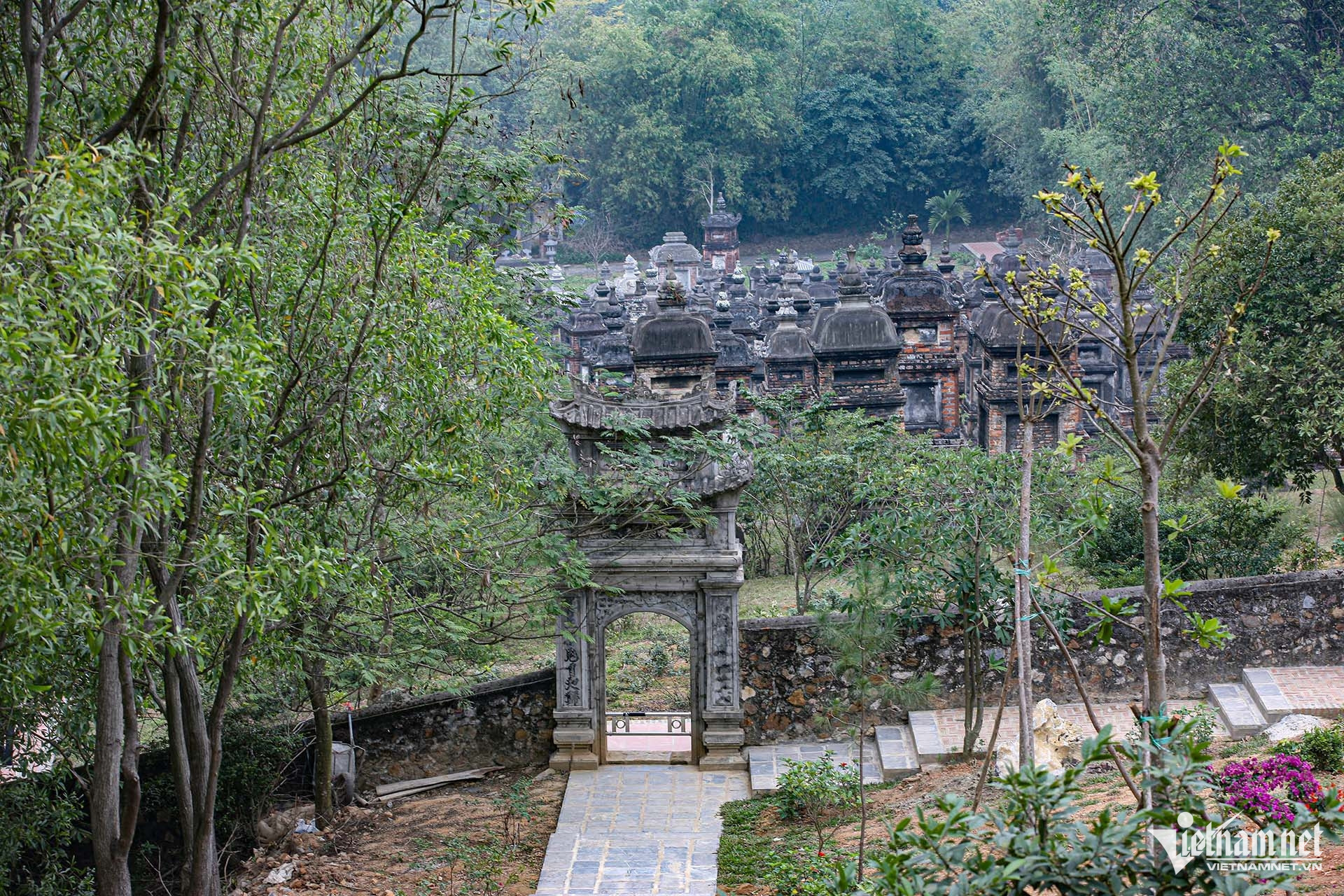
Ancient burial towers and Buddhist woodblocks preserve a living lineage
If devotion to Avalokiteshvara expresses people's hopes for compassion and protection, Bo Da's ancient burial tower garden offers a quieter reflection on impermanence, continuity and the monastic life.
Beneath the shade of trees, brick and stone burial towers have stood for centuries, preserving the ashes and Buddhist relics of generations of monks and nuns from the Linji Zen school.
One distinctive feature is that the garden contains towers dedicated to both male and female monastics.
According to the traditional distinctions recorded at the pagoda, towers commemorating monks are generally topped with a nectar vase resting on a lotus pedestal, while those dedicated to nuns are marked by a lotus-bud design.
These structures are far more than burial monuments. Within the Buddhist monastic tradition, they symbolize the continuity of spiritual teachings and express gratitude to earlier generations of religious masters who devoted their lives to study, practice and the propagation of Buddhism.
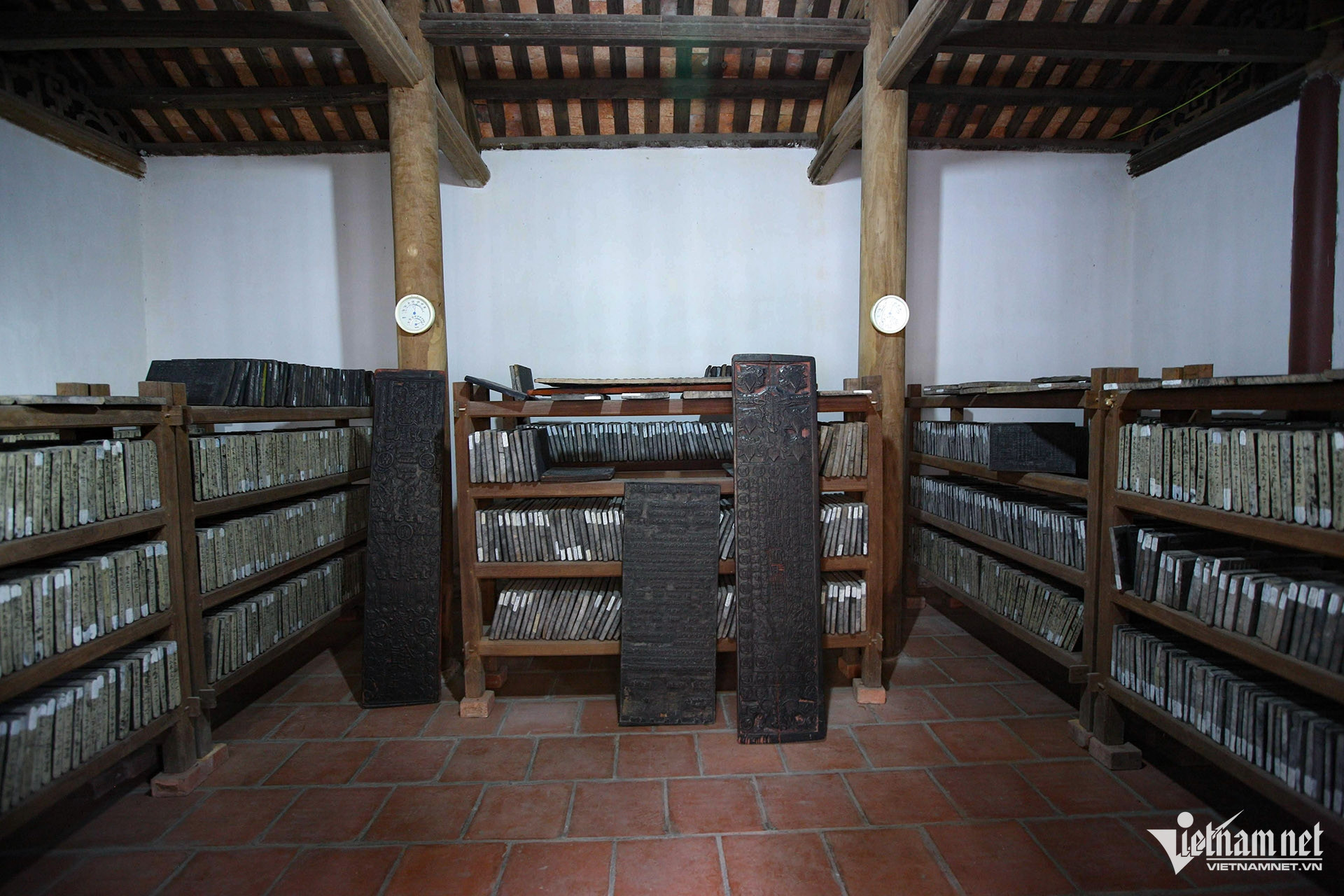
Alongside the burial tower garden, Bo Da's collection of Buddhist woodblocks represents another remarkable part of its heritage.
According to Vietnam's Department of Cultural Heritage, the pagoda preserves 1,935 woodblocks, documenting centuries of Buddhist scripture carving, religious teaching and monastic education.
Particularly notable is the fact that the texts carved on these blocks focus primarily on Avalokiteshvara and Buddhist monastic precepts.
Their contents reveal the close connection between the Buddhist ideal of compassion and salvation and the discipline required for spiritual cultivation.
Each woodblock preserves more than written teachings. It also embodies the dedication of generations of Buddhist masters who worked to transmit religious knowledge and maintain their spiritual lineage.
As long as these scriptures continue to be studied, recited and practiced, their significance extends beyond that of historical artifacts.
Preserving spiritual traditions in modern life
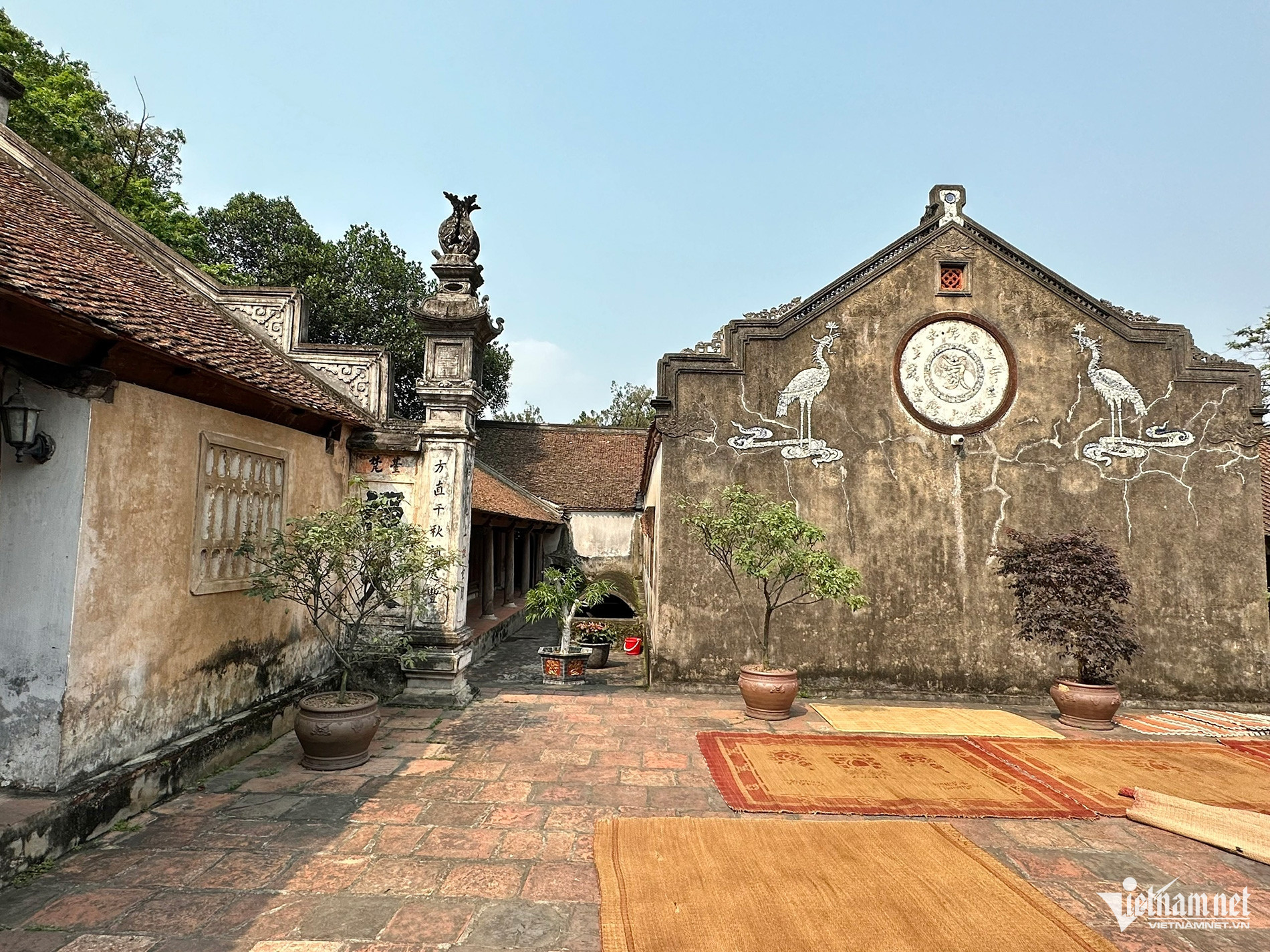
Despite the pace of modern life, Bo Da retains the atmosphere of a secluded Buddhist monastery.
Its wooden corridors, brick courtyards, earthen walls and tree-lined pathways create a sense of separation from the noise and activity of the outside world.
The pagoda's architectural principle of "noi thong ngoai be," meaning internally connected but enclosed from the outside, reinforces this atmosphere.
Buildings and courtyards are linked within the complex, while the surrounding walls and greenery provide privacy and tranquility for monastic life.
Yet Bo Da's deeper significance goes beyond its peaceful appearance.
It is a place where devotion to Avalokiteshvara, the teaching of the Four Debts of Gratitude, monastic discipline and reverence for Buddhist patriarchs continue to coexist within a single religious setting.
From the prayers of ordinary worshippers to the spiritual training of monks and nuns, from ancient Buddhist woodblocks to centuries-old burial towers, these elements collectively define the pagoda's distinctive identity.
Within the broader history of Vietnamese Buddhism, Bo Da is therefore more than a repository of memories from an ancient monastic tradition.
It remains a reminder of enduring spiritual values: compassion, gratitude, dedication to religious practice and the responsibility each person bears toward others and the world around them.
Thai An

