 Vietnamnet.vn

 Podcast



Tran Nghi
Lac Khoai Pagoda, also known as Hung Khanh Tu, is an ancient Buddhist temple in Lac Khoai village, Gia Phong Commune, Ninh Binh province. Named after the village, it has long been celebrated for its scenic setting amid Bang Mountain and the Ky River.
The pagoda features traditional architecture in the style of the 19th-century Nguyen dynasty, although many structures have since been restored or rebuilt.
Its formal name, Hung Khanh Tu, conveys prosperity and auspiciousness, while Lac Khoai suggests happiness and peace. Sheltered by Bang Mountain, the pagoda blends into its natural surroundings. The beauty of the mountain is said to have inspired earlier generations to build a temple here.
The complex comprises two sections: the Lower Pagoda and the Upper Pagoda. At the foot of the mountain, the Lower Pagoda has a T-shaped layout, with a three-bay front worship hall and a single-bay main sanctuary. Its tall roof structure features curved trusses, square purlins and overlapping scale-shaped tiles.
To reach the Upper Pagoda, visitors climb 99 stone steps winding along the mountainside. Built halfway up the mountain, it consists of two parallel halls: a five-bay front worship hall and a three-bay main sanctuary. Its timber roof frame combines stacked beams above with sloping support arms below.
All the veranda columns and some interior columns are cylindrical stone pillars. Their surfaces bear carved couplets and verses praising the pagoda and its mountain setting.
From the Upper Pagoda, a path leads directly to the summit, where visitors can take in sweeping views of Bang Mountain, the Ky River and the surrounding landscape. The complex retains numerous valuable objects, including religious statues, stone steles, bronze bells and stone incense burners.
Beside the mountain path, about 30 meters from the Lower Pagoda, stands a stele pavilion built in the At Mui year during Emperor Thanh Thai’s reign. Part of the inscription describes the site as “the foremost scenic wonder of the Hoa Lu grotto region.”
According to the book Gia Vien: History and Culture, the pagoda honors not only the Buddha and the Three Holy Mother Goddesses but also historical figures associated with legends about King Dinh Tien Hoang and Zen master Nguyen Minh Khong.
Legend holds that King Dinh established a palace on Bang Mountain called Tay Ung Palace. He also built Lac Ung Palace on a riverside mountain for Empress Dowager Duong Van Nga to bathe.
Nguyen Minh Khong is also said to have practiced Buddhism here. After his death, local people built a shrine to him on Duong Mountain.
A couplet at the Upper Pagoda recalls his legacy and the sacred landscape:
“Heaven brought forth a sage, an imperial preceptor under the Ly dynasty, whose wondrous deeds live on.
The land gathers sacred energy, with the Ky River to the left and Bang Mountain to the right, honoring the divine.”
During the revolutionary struggle, the pagoda was the founding site of Lac Khoai’s first Communist Party cell and the commune’s Viet Minh organization, part of Vietnam’s independence movement. It also hosted meetings to plan the general uprising during the August Revolution of 1945.
During the resistance war against French colonial rule from 1945 to 1954, the pagoda served as a transfer station for wounded soldiers. It also housed the offices of the Ninh Binh provincial Resistance and Administrative Committee and military command, as well as their counterparts from Ha Nam province.
Recognized for its historical and cultural significance, Lac Khoai Pagoda was designated a national heritage site in 1997.
Through successive periods of upheaval, it has remained a place where the cultural traditions, religious life and revolutionary memories of the Gia Vien area are preserved.
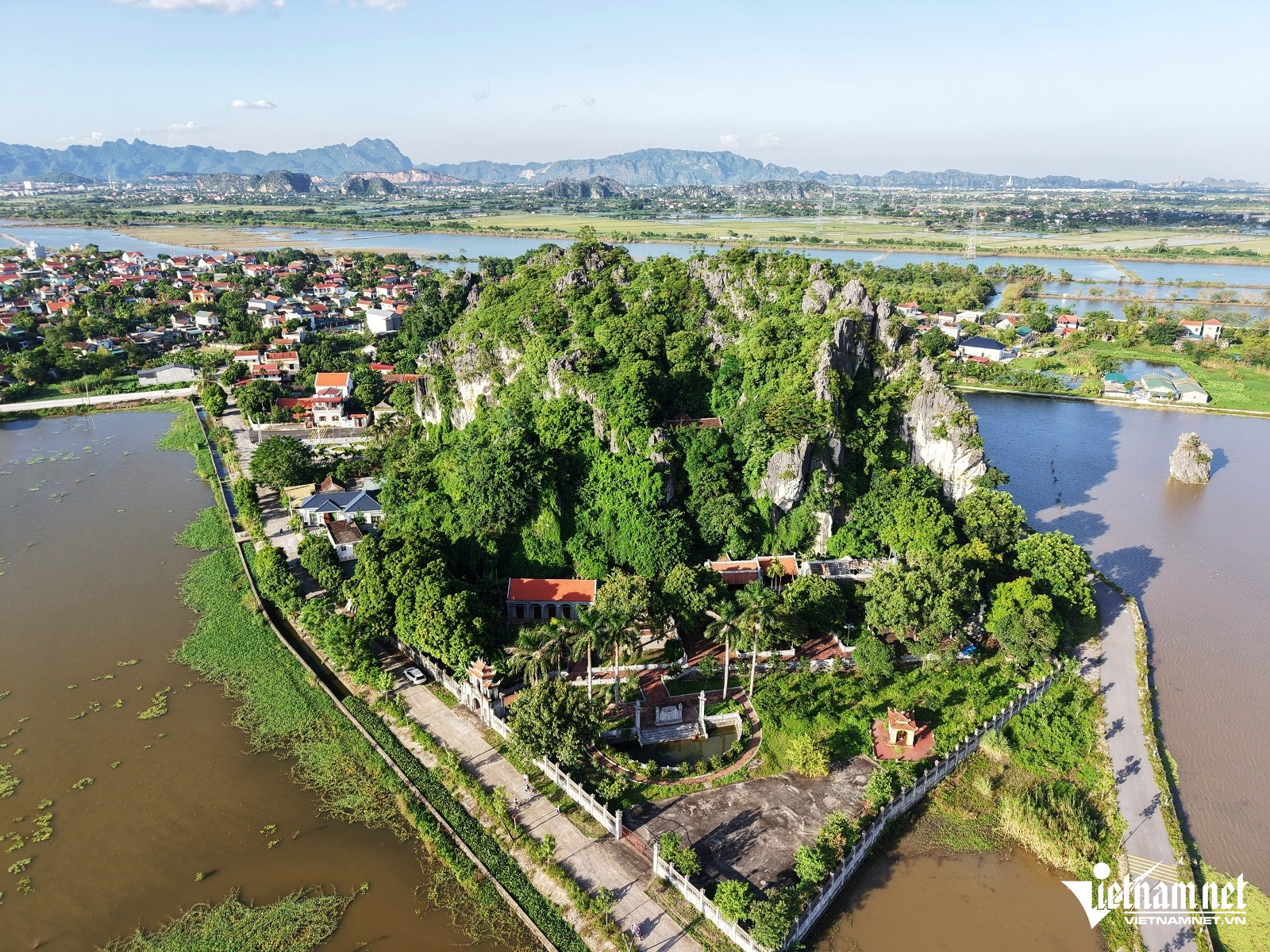
Lac Khoai Pagoda, also known as Hung Khanh Tu, nestles against Bang Mountain.
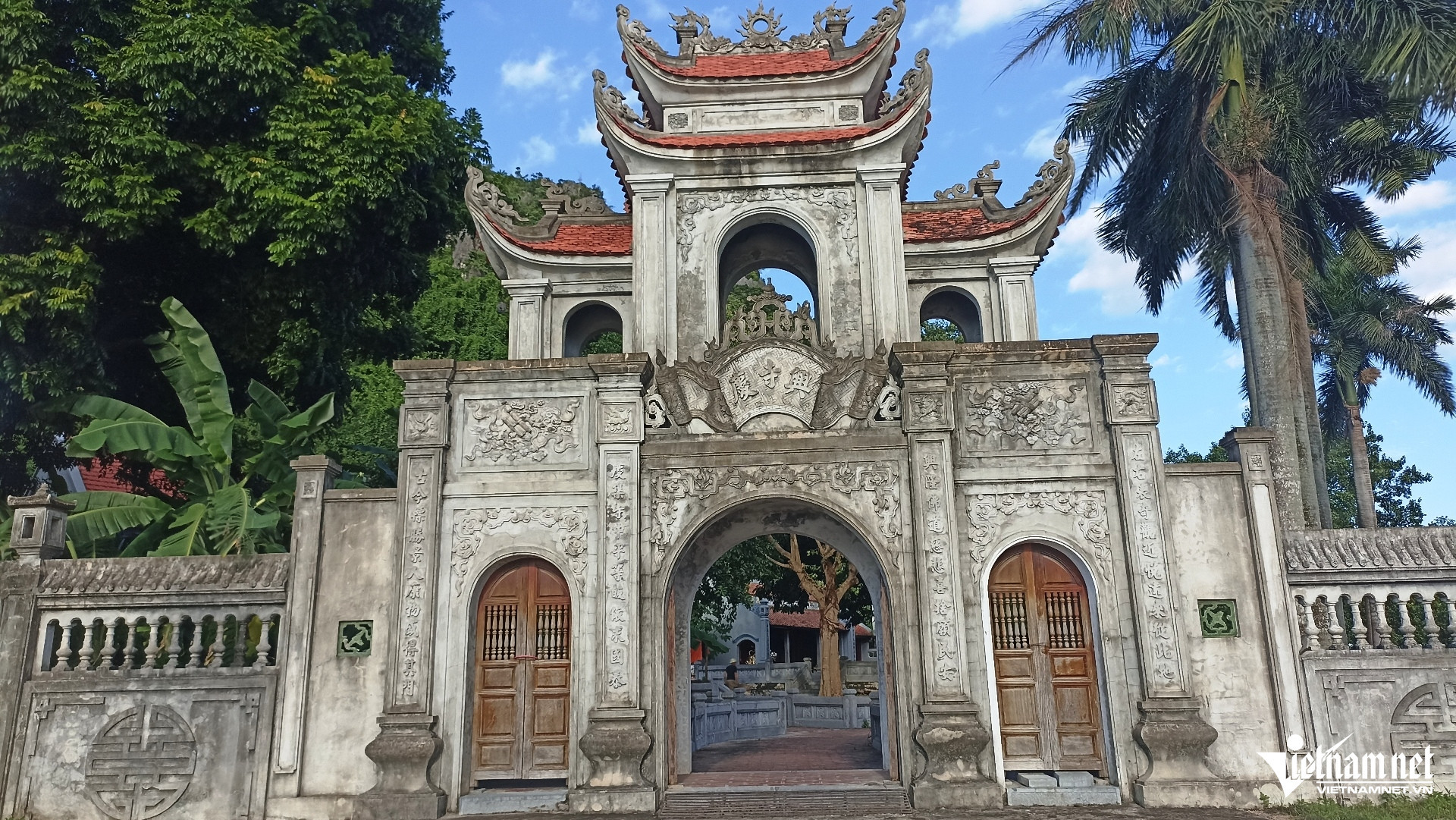
Named after its village, the pagoda features traditional architecture in the style of the 19th-century Nguyen dynasty.
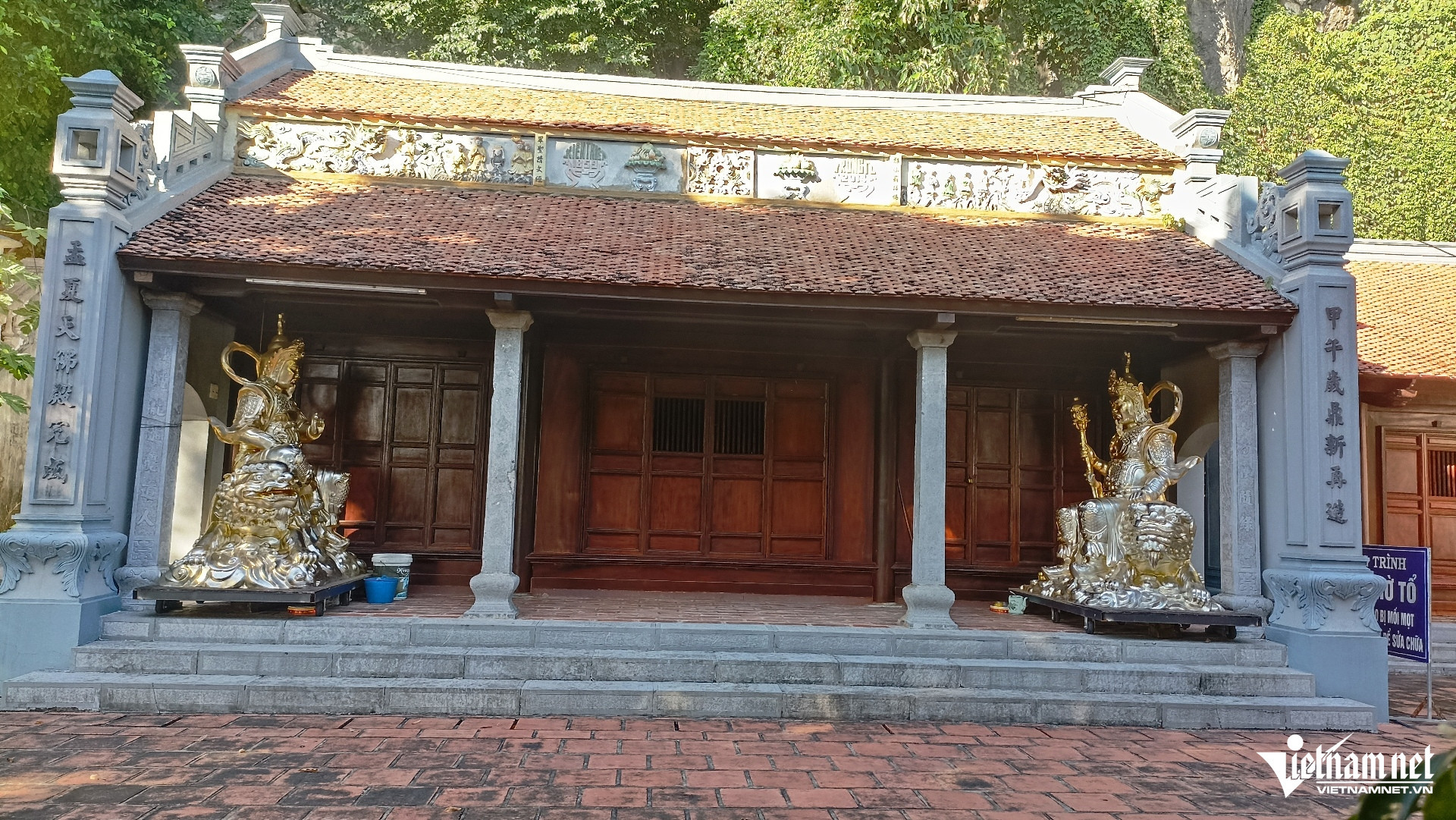
The Lower Pagoda stands at the foot of the mountain. Its T-shaped layout comprises a three-bay front worship hall and a single-bay main sanctuary.
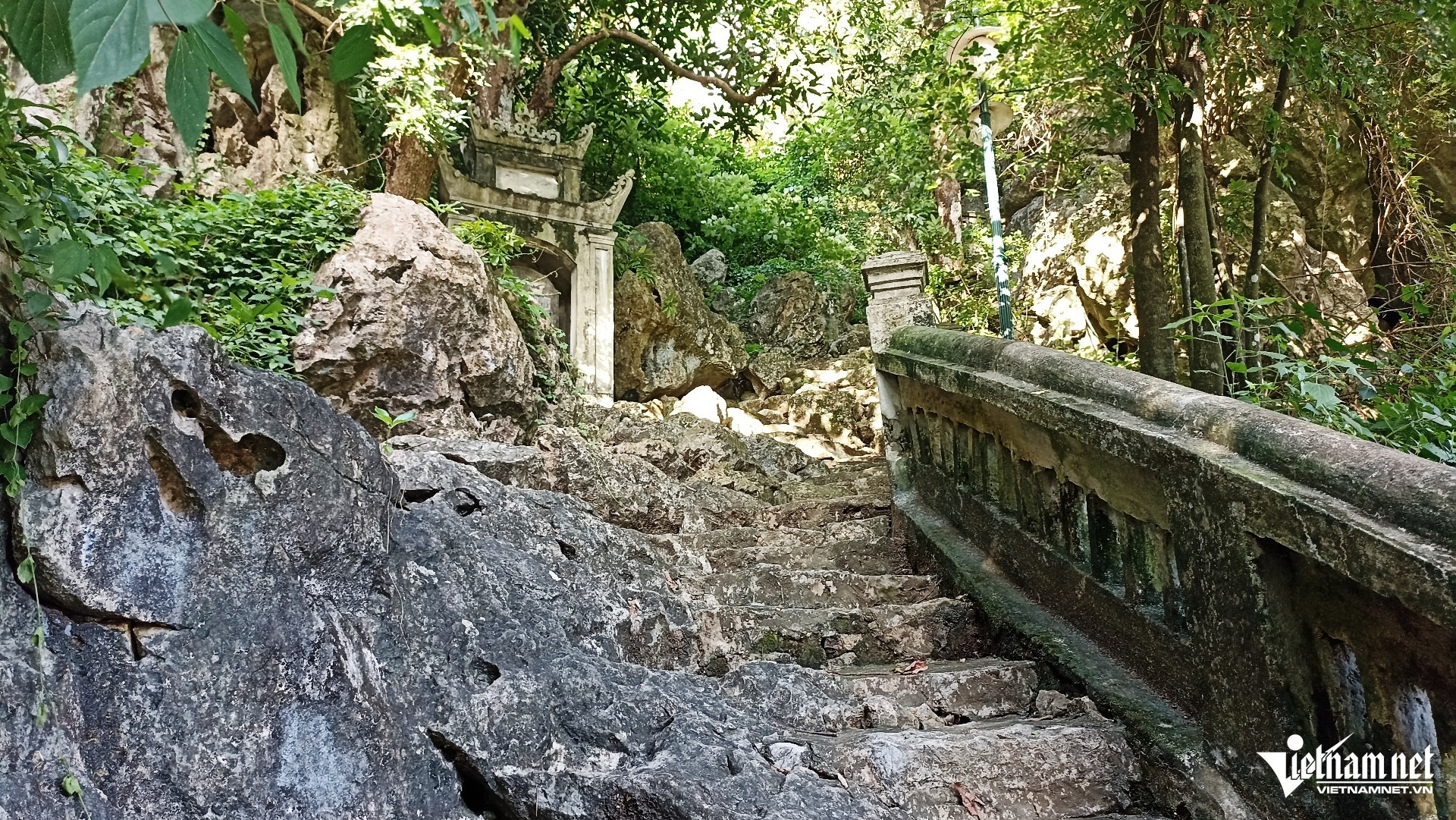
Visitors climb 99 stone steps winding along the mountainside to reach the Upper Pagoda.
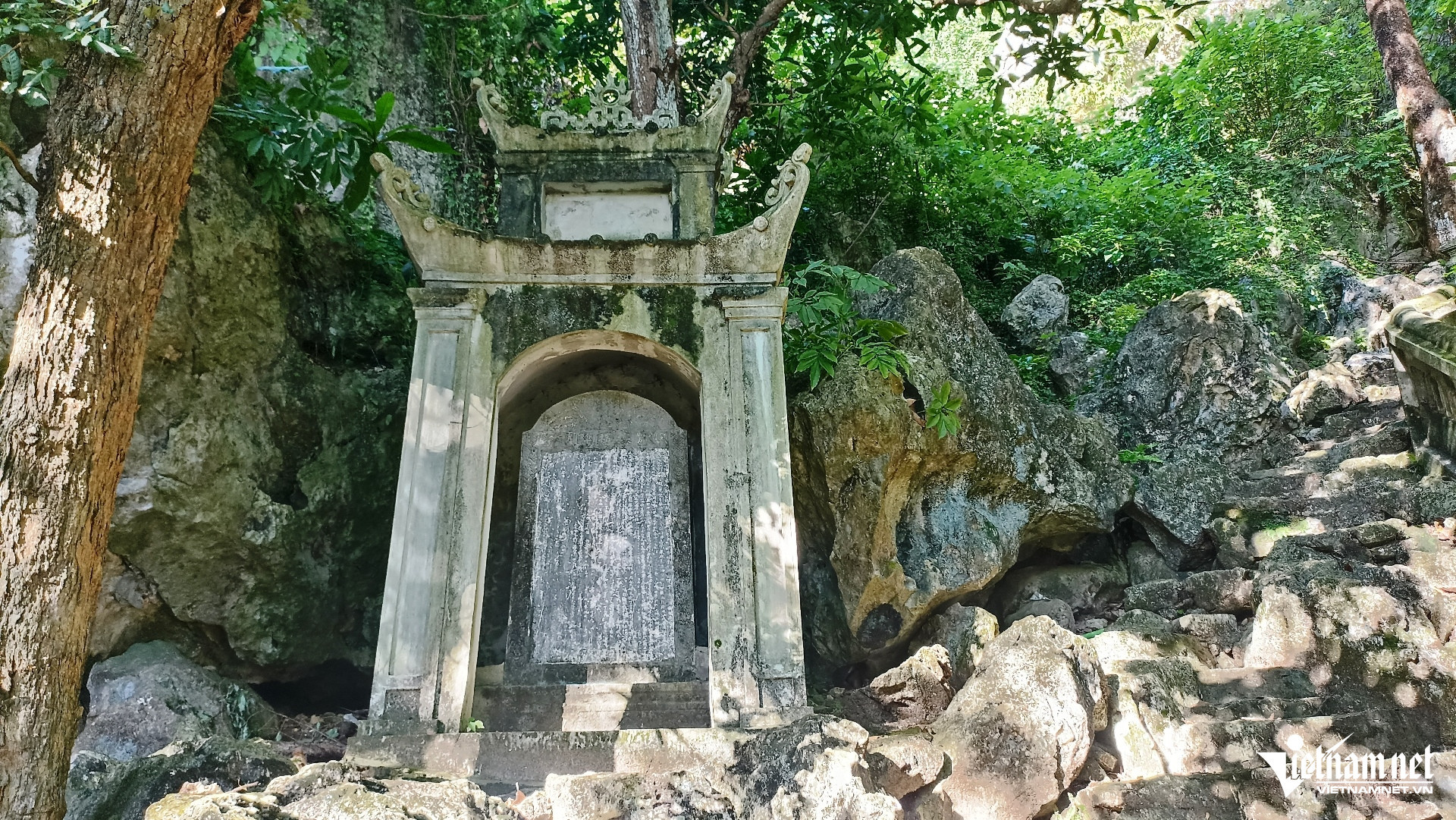
A stele pavilion beside the mountain path, about 30 meters from the Lower Pagoda, was built in the At Mui year during Emperor Thanh Thai’s reign.
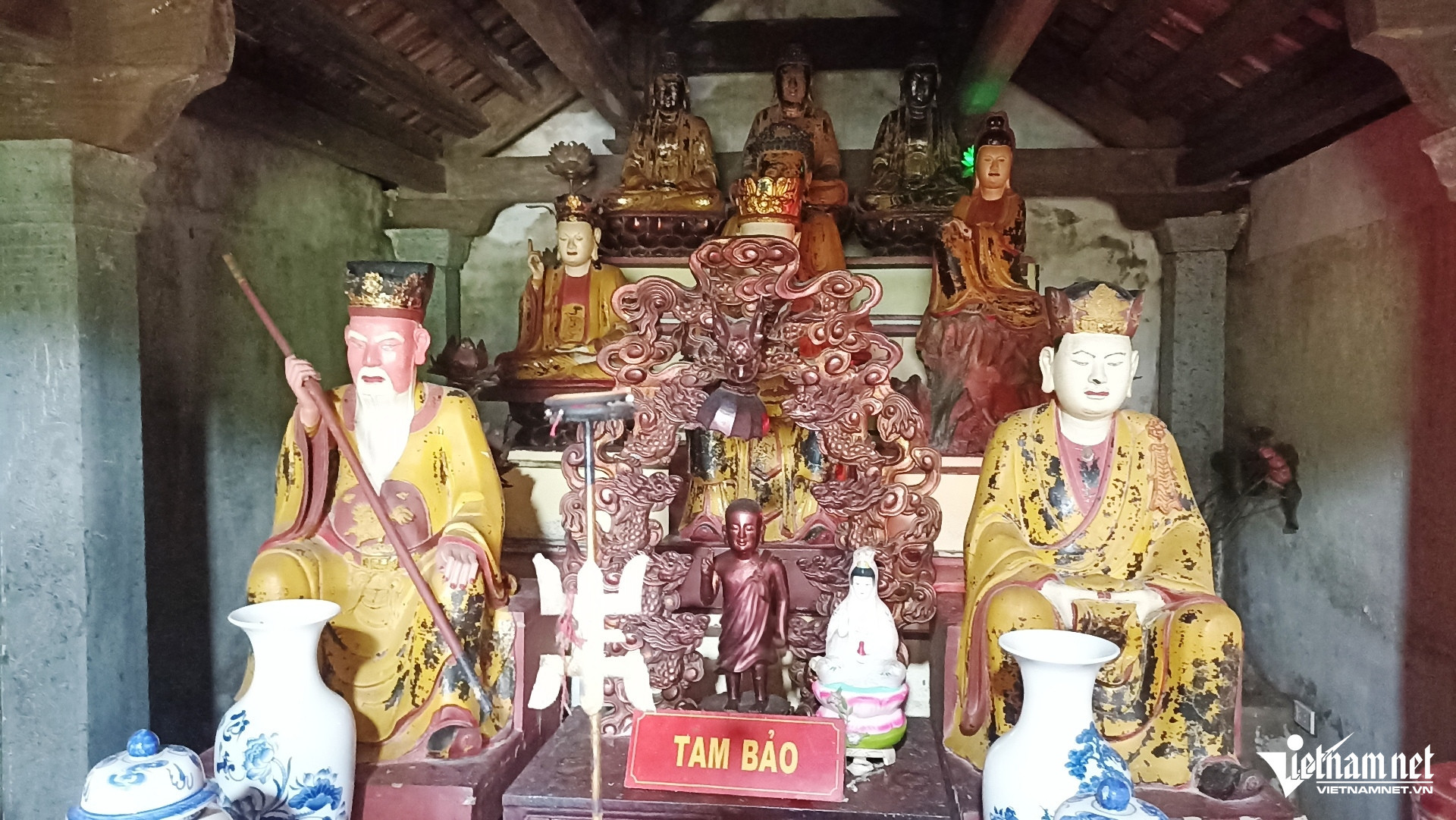
Alongside the Buddha and the Three Holy Mother Goddesses, the pagoda honors historical figures associated with legends about King Dinh Tien Hoang and Zen master Nguyen Minh Khong.
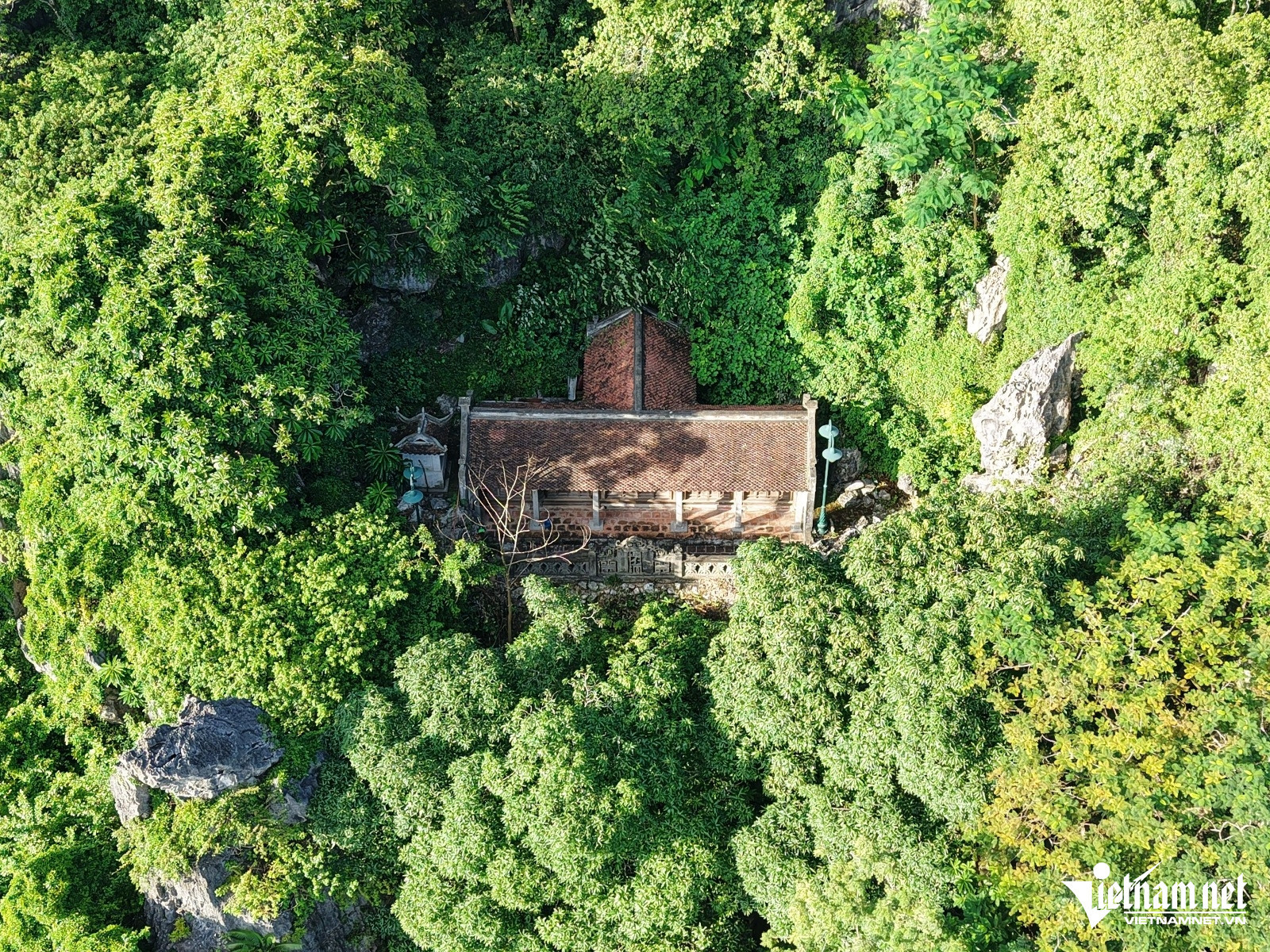
The Upper Pagoda sits halfway up the mountain, with two parallel halls: a five-bay front worship hall and a three-bay main sanctuary.
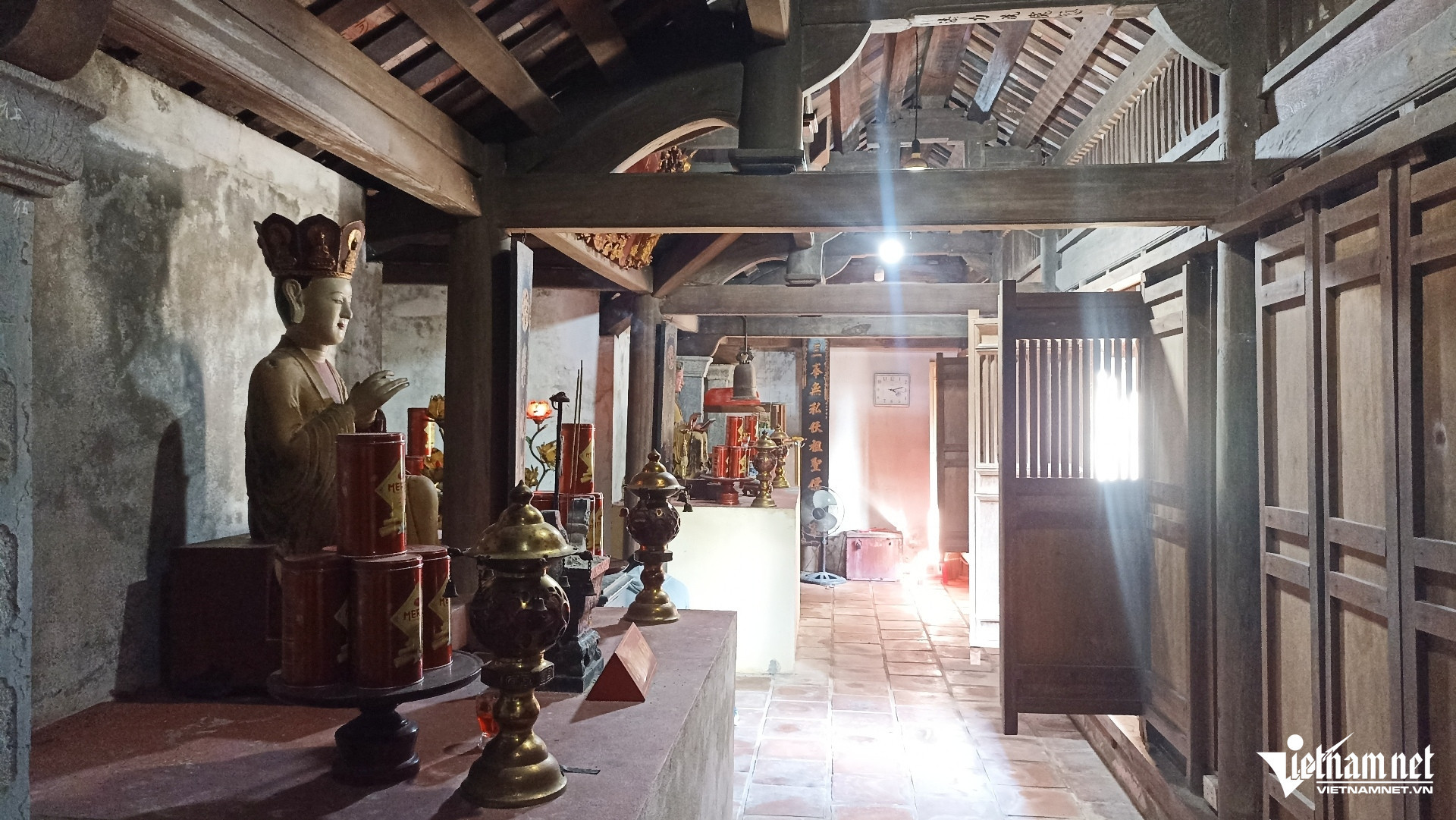
All the veranda columns and some interior columns at the Upper Pagoda are cylindrical stone pillars, carved with couplets and verses celebrating the temple and mountain scenery.
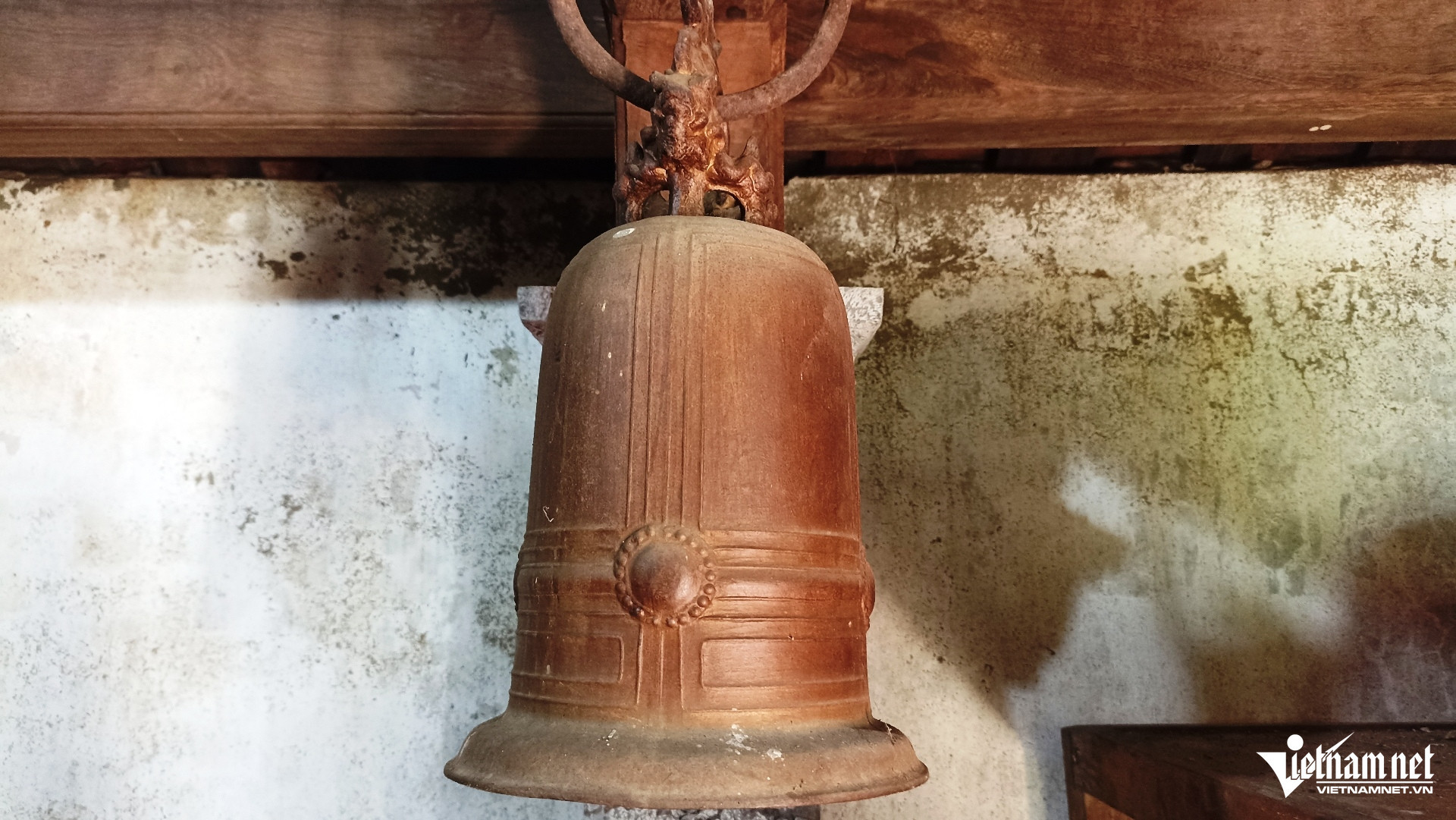
The pagoda preserves valuable religious statues, stone steles, bronze bells and stone incense burners.
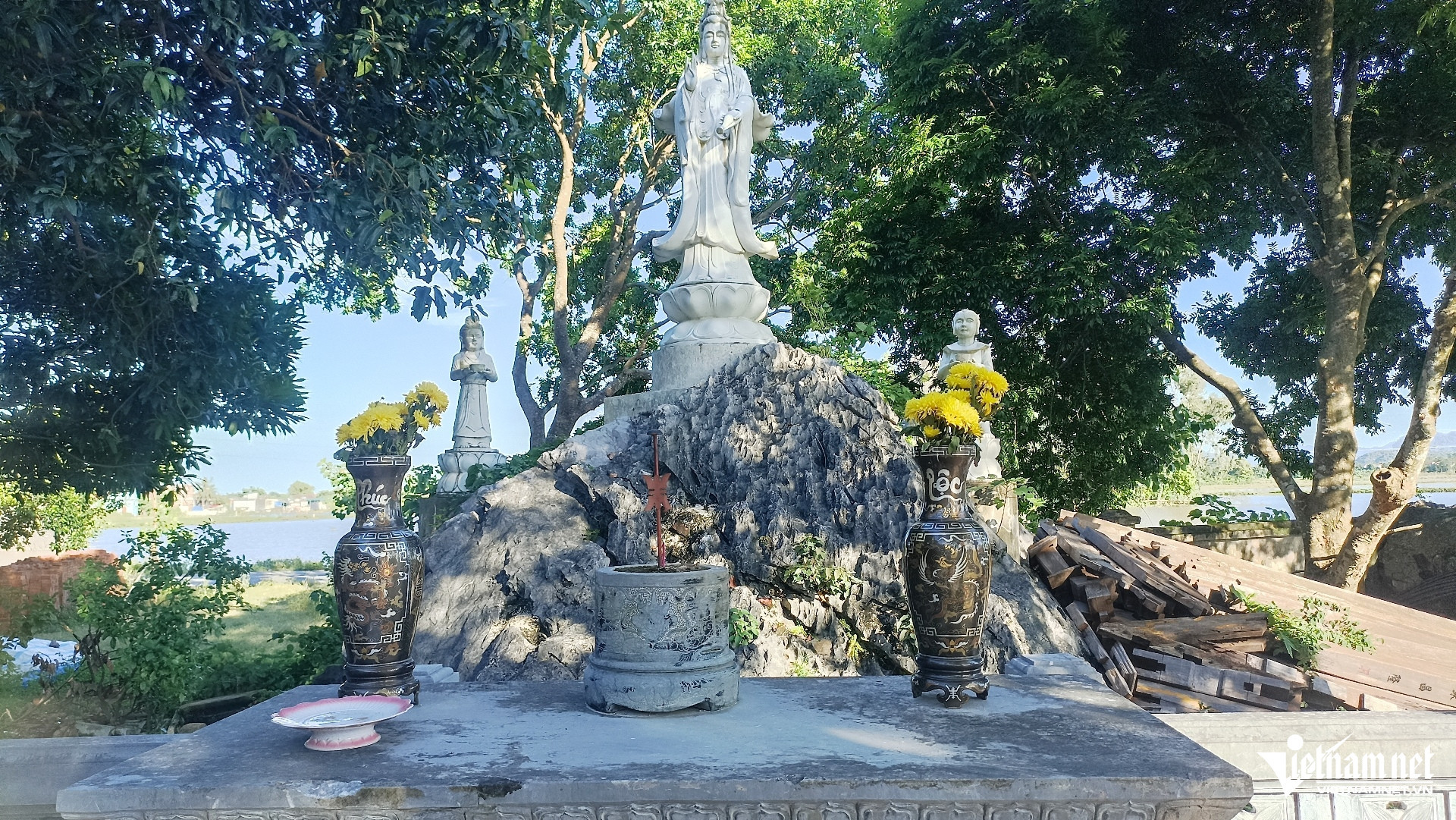
Lac Khoai’s first Communist Party cell was established at the pagoda.
.svg)
