 Vietnamnet.vn

 Podcast


Urbanization and economic development have made waste management an increasingly urgent issue across Vietnam's north-central provinces. As waste volumes increase, shortcomings in local treatment infrastructure and capacity have become increasingly apparent.
New regulations imposing stricter emission control requirements are placing additional pressure on local waste treatment systems.
Against this backdrop, what solutions can address infrastructure limitations, improve waste management efficiency and ensure sustainable development?
The series "Waste management in north-central Vietnam: The challenges of outdated infrastructure" examines the current situation, identifies investment and operational bottlenecks, and explores solutions to improve waste treatment capacity across the region.
A project remains unfinished after more than 20 years
At the Nui Voi landfill in Bim Son Ward, Thanh Hoa Province, hundreds of tons of household waste are delivered daily and treated primarily through landfilling.
The persistently overloaded landfill generates foul odors and leachate, becoming a constant source of distress for surrounding households.
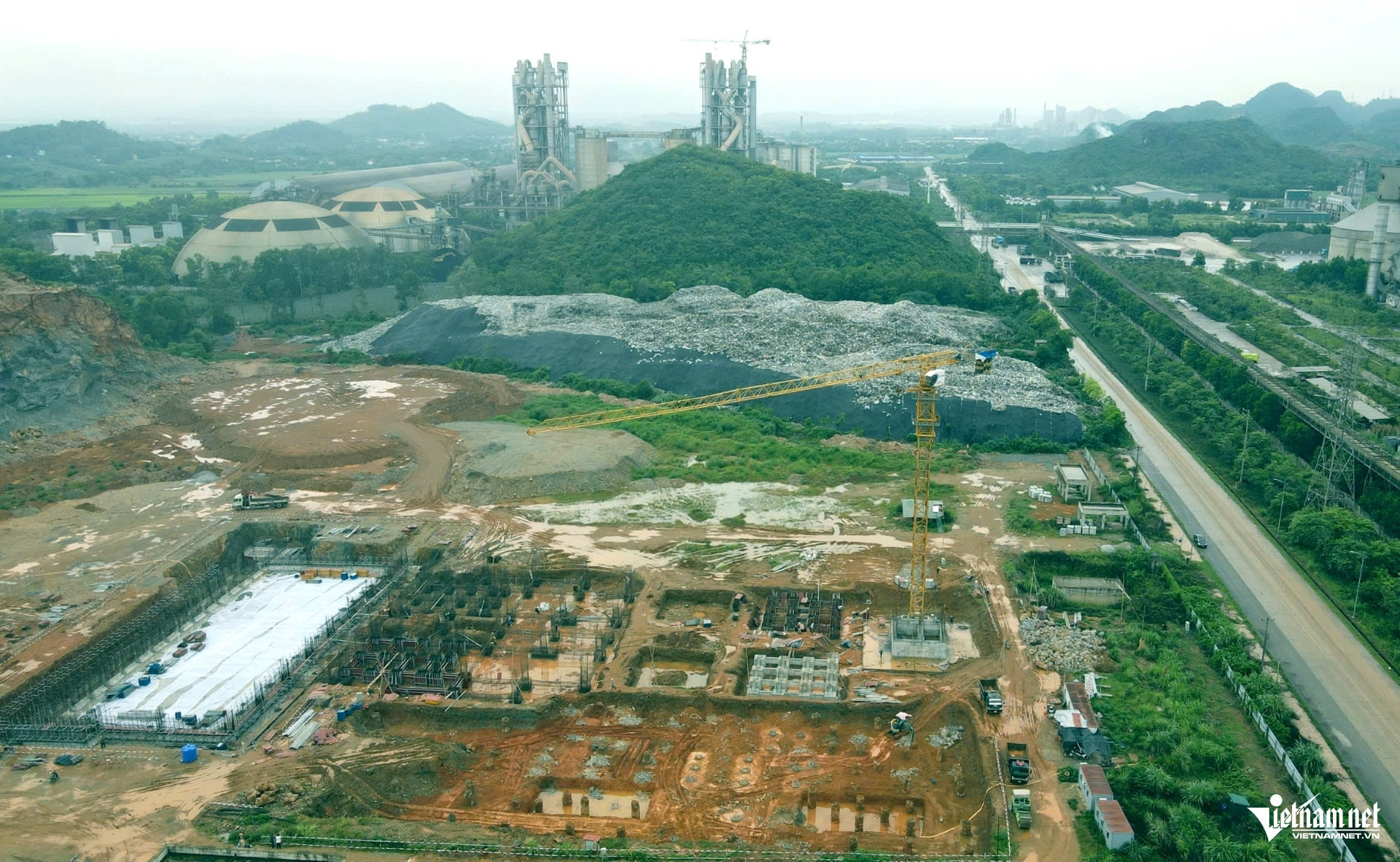
As of early October 2026, construction of the Bim Son household waste-to-energy plant was behind schedule, with only 27% of the work completed. Photo: Le Duong
Against this backdrop, the Bim Son household waste-to-energy plant was expected to provide a breakthrough in waste management.
With a total investment exceeding VND2 trillion ($77 million), the facility is designed to process 1,000 tons of waste per day while generating electricity.
In 2004, the investor was granted an investment incentive certificate. Following several changes in ownership, the project was assigned to Thanh Hoa Tianyu Environmental Energy Company Limited in 2017.
Construction was scheduled to begin in 2018, with the first phase expected to become operational in June 2019.
The Thanh Hoa People's Committee has adjusted the project's investment policy and extended its implementation schedule five times due to difficulties involving site clearance, legal documentation, land allocation, construction permits and geological ground treatment.
Under the latest adjustment in August 2025, the first phase was scheduled for completion in December 2026, with commercial operations beginning in April 2027.
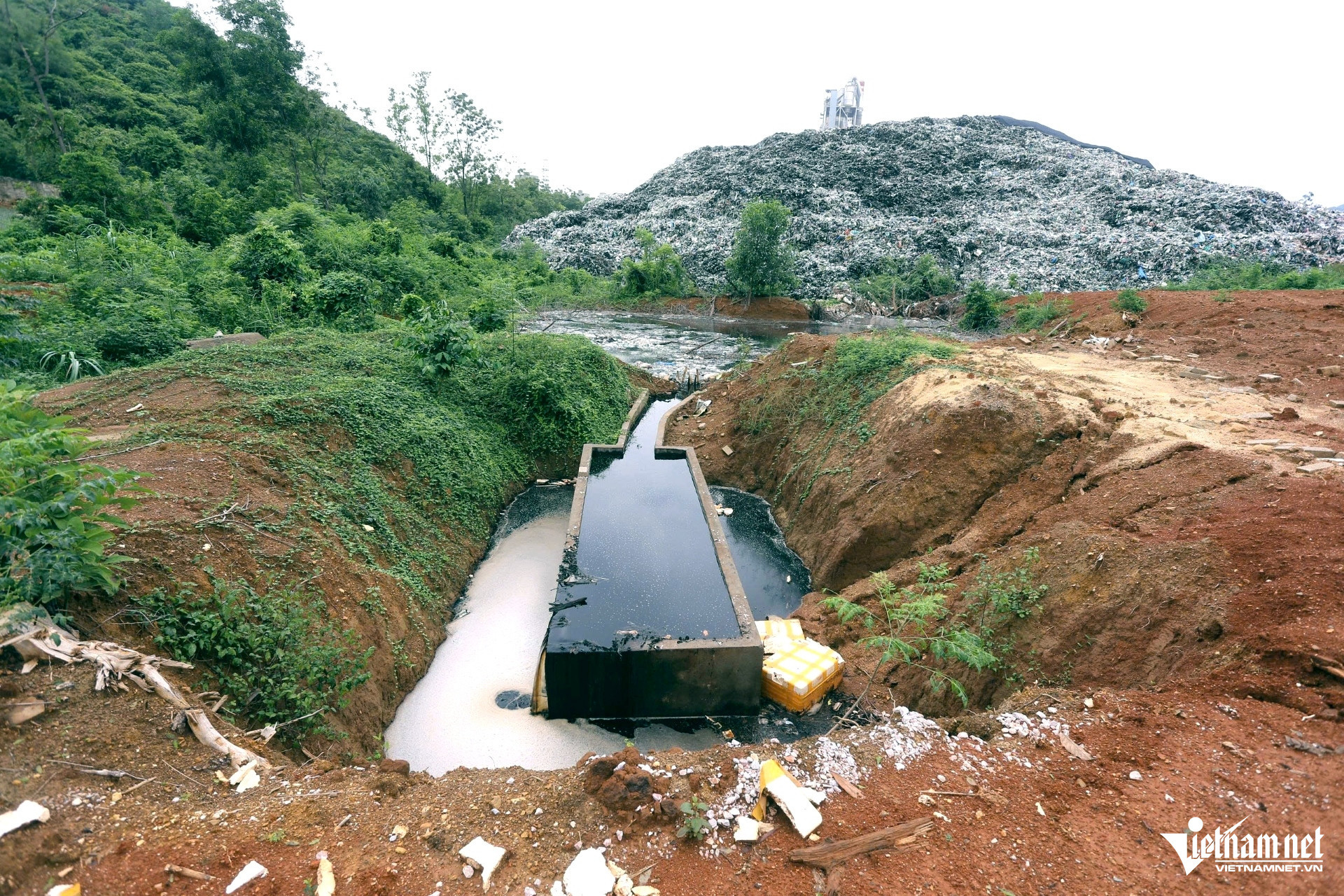
Black leachate flows into the surrounding environment from the overloaded Bim Son landfill. Photo: Le Duong
However, according to officials from the Thanh Hoa Department of Agriculture and Environment, construction has fallen behind the investor's commitments.
As of October 7, 2026, only 27% of the construction work had been completed.
The investor has requested postponing waste reception and trial operations until May 2027, with commercial operations expected to begin in September 2027.
While the plant remains unfinished, the Bim Son landfill continues to struggle under mounting pressure.
Ha Duyen Hanh, chairman of the board of directors of Bim Son Urban Environment and Public Works Joint Stock Company, said the landfill was constructed in 1997 and designed to operate for approximately five years while awaiting the completion of a waste incineration plant.
However, nearly three decades later, no such plant has become operational.
"Initially, the landfill received only around 70-80 tons of waste per day. Waste volumes have since increased considerably. In addition to locally generated waste, the facility also receives waste from several other areas under provincial instructions.
"Covering only around 10 hectares, the landfill has exceeded its capacity. The accumulated waste is currently estimated at approximately two million cubic meters," Hanh said.
Delayed projects and newly operational plants facing problems
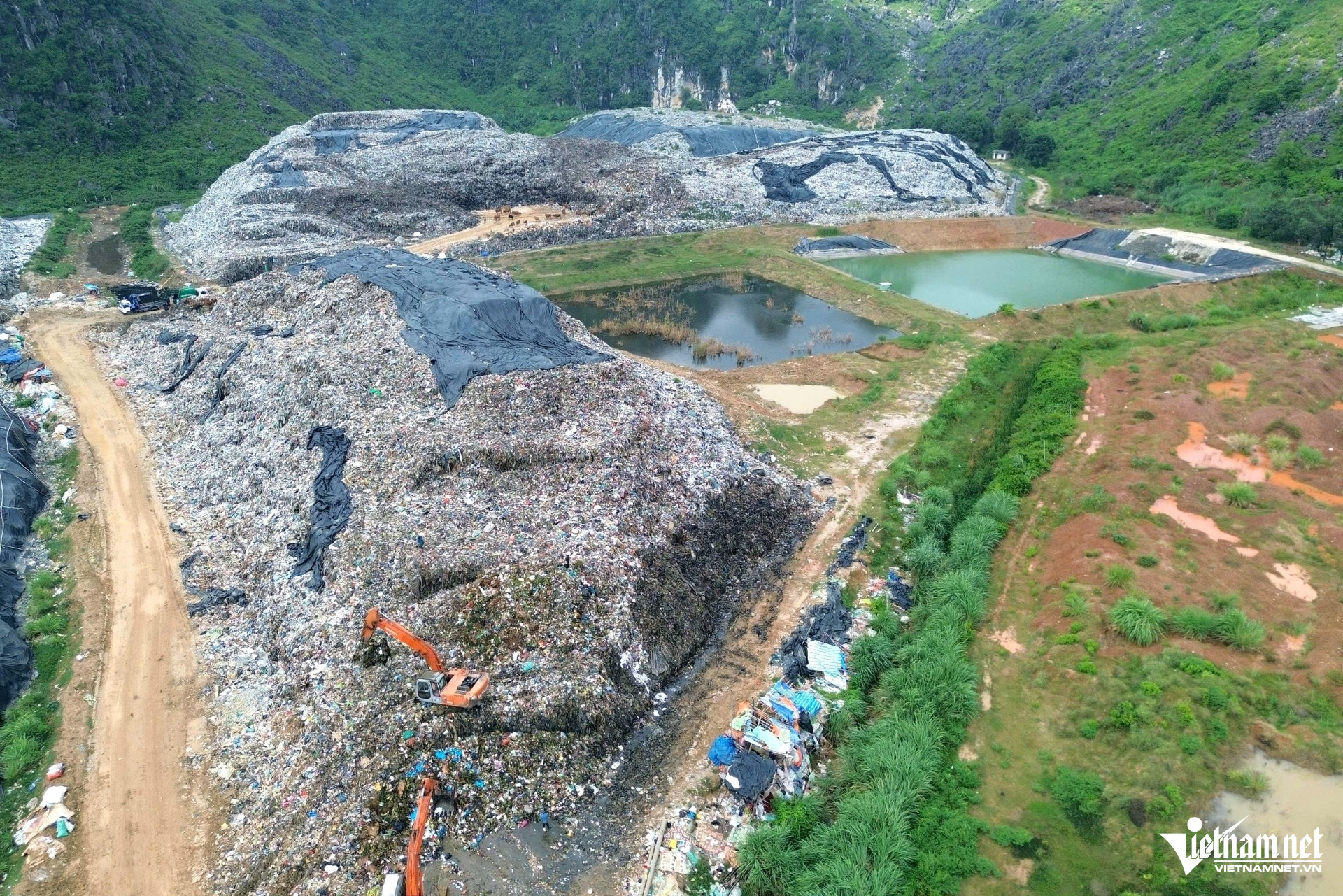
Accumulated waste at the Dong Nam landfill. Photo: Le Duong
The household waste treatment plant project in Nam Sam Son Ward, Thanh Hoa Province, received investment approval in 2020.
Its investment policy was adjusted in 2022, followed by further deadline extensions under decisions issued in September 2024 and July 2025.
Developed by Nam Thanh Pho Environment Two-Member Limited Liability Company, the project has a total investment exceeding VND242 billion ($9.3 million).
The facility is expected to receive all household waste generated in Sam Son, Nam Sam Son and surrounding localities.
Under the investor's commitments, the project was scheduled for completion on October 5, 2026. However, as of October 7, only 18% of construction work had been completed.
The investor has requested an extension of the completion deadline until December 5, 2027.
According to officials from the provincial Department of Agriculture and Environment, delays at the Bim Son and Nam Sam Son plants, along with requests to extend completion deadlines by more than a year, have directly affected the province's waste management efforts.
The delays also raise concerns that Thanh Hoa may lack sufficient waste treatment capacity in the coming years.
In response, the Provincial Party Committee and People's Committee have ordered the establishment of a working group to monitor construction progress weekly, while requiring surveillance cameras to be installed at project sites.
Meanwhile, the Sam Son landfill had been overloaded for years before provincial authorities approved its closure on January 31, 2026.
However, delays at new waste treatment projects and pollution problems at operational facilities forced the landfill to close and reopen several times before its official closure on August 3, 2026.
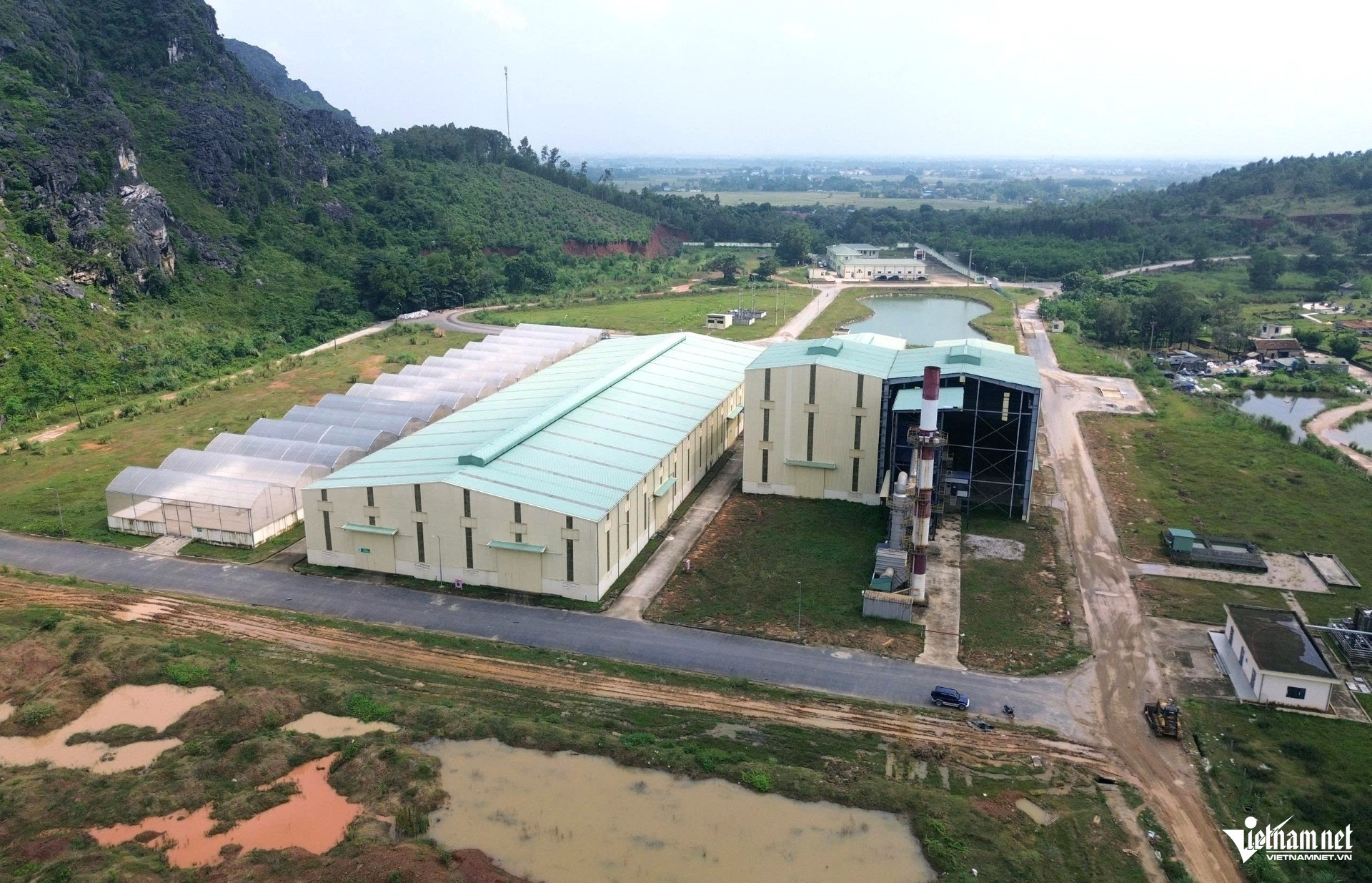
The Dong Nam waste treatment plant has repeatedly encountered operational problems since its launch. Photo: Le Duong
Waste is now collected and transported elsewhere for treatment.
While the Bim Son and Nam Sam Son plants remain unfinished, the Dong Nam waste treatment plant in Dong Quang Ward has been completed but has repeatedly encountered problems during trial operations.
The project received investment approval in 2016, with adjustments made in October 2022.
Developed by Ecotech Environmental Technology Investment and Development Joint Stock Company, the facility covers approximately 16 hectares and has a total investment exceeding VND550 billion ($21.2 million).
With a designed treatment capacity of 500 tons per day, the plant employs an integrated treatment system combining organic fertilizer production, recyclable material recovery, incineration and the landfilling of ash and slag.
It was designed to serve the former Thanh Hoa City, Dong Son District and surrounding areas of the former Quang Xuong District, where combined daily waste generation exceeds 480 tons.
The plant began trial operations on March 25, 2025, but was forced to suspend activities approximately one month later due to pollution concerns.
Local residents protested and blocked garbage trucks from entering the facility.
The plant resumed operations in November 2025 but remained operational for only three days.
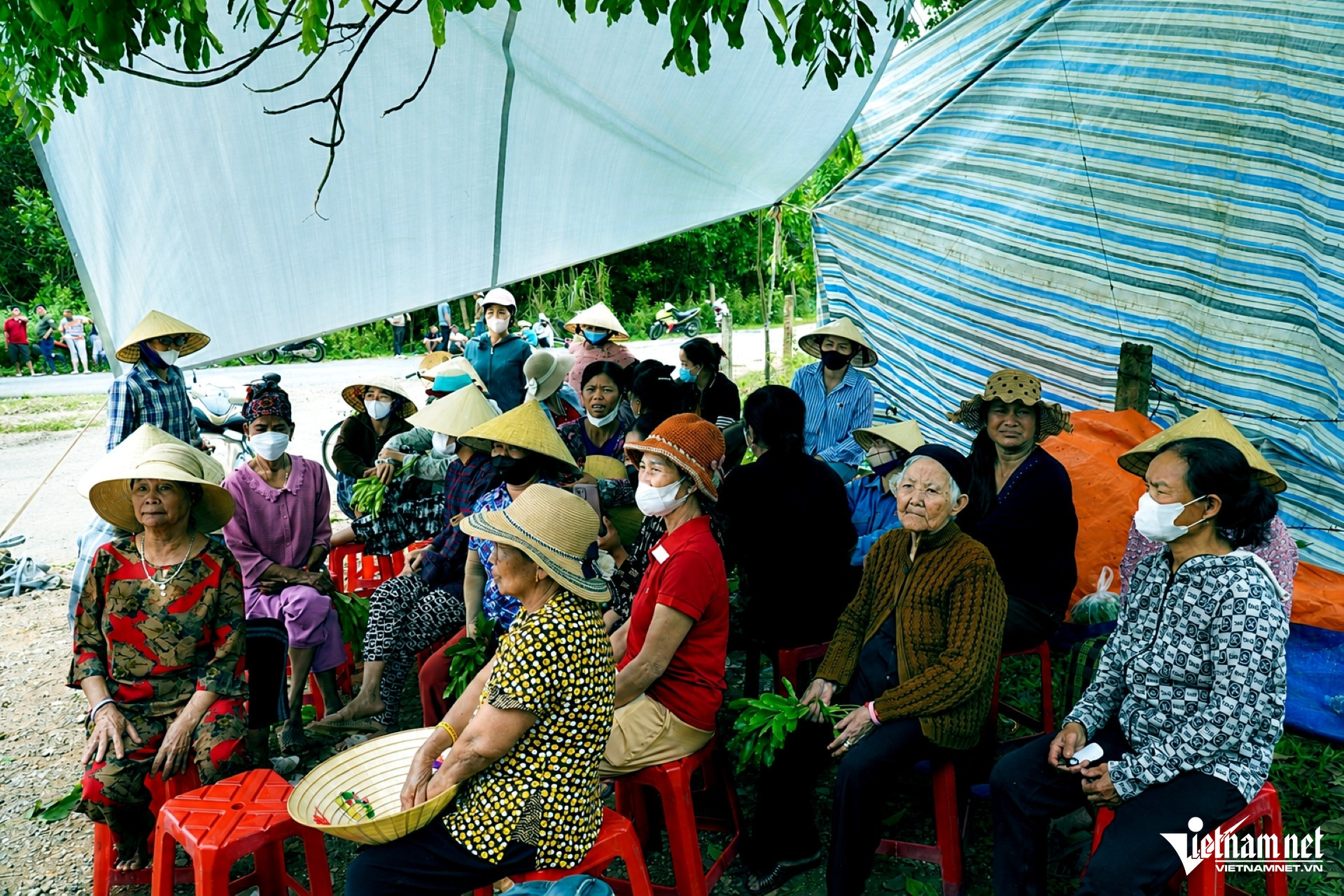
Residents of Hanh Phuc Doan have repeatedly erected makeshift shelters outside the plant entrance to prevent garbage trucks from entering. Photo: Le Duong
From January 1, 2026, it began receiving waste again, averaging 420-450 tons per day.
However, during the Lunar New Year holiday, waste volumes surged, at times exceeding twice the plant's designed capacity and causing severe odor pollution.
The facility is currently suspended while its technology is upgraded and treatment procedures are improved to comply with regulations.
Residents of So Luong and Hanh Phuc Doan residential quarters in Dong Quang Ward said that since the plant began operating, foul odors had become so intense that even keeping doors and windows closed offered little protection.
Consequently, residents repeatedly gathered to prevent garbage trucks from entering the facility.
Cao Van Cuong, vice chairman of the Thanh Hoa People's Committee, said the province's long-term strategy was to transition from outdated waste treatment technologies to waste-to-energy facilities.
According to Cuong, the Nam Sam Son and Dong Nam waste treatment projects initially adopted incineration technologies without energy recovery.
These technologies are no longer aligned with current development trends, prompting adjustments to the projects.
A $5.8 million plant stalled over a two-kilometer power connection
In Nghe An Province, the Thai Hoa waste treatment plant in Thai Hoa Ward has also remained unfinished.
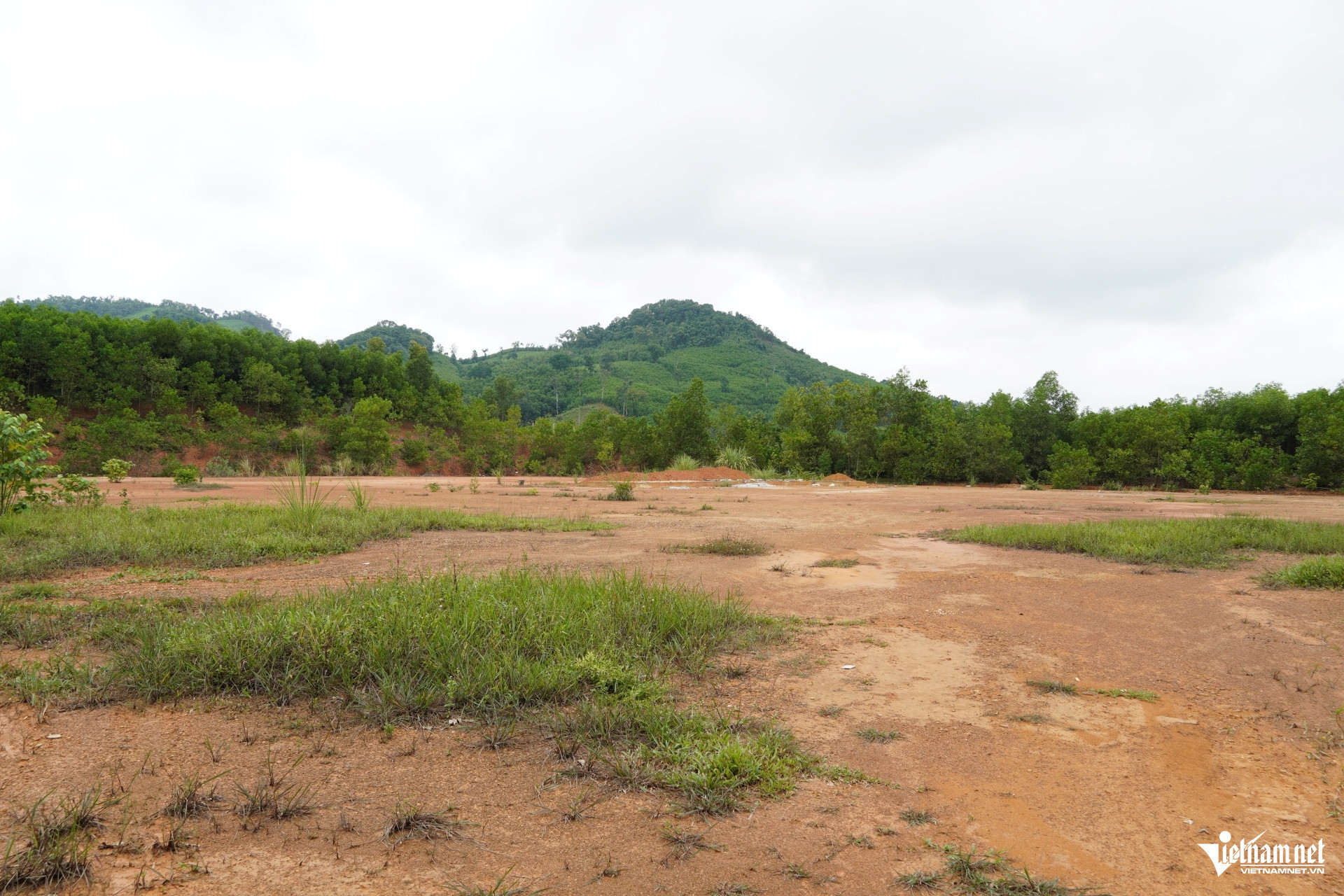
The Thai Hoa waste treatment plant remains largely an empty construction site despite having officially broken ground. Photo: Tran Tuyen
In 2017, the provincial People's Committee approved the project and assigned Vietnam Energy and Environment Joint Stock Company as its investor.
Covering 7.5 hectares, the project has a total investment of nearly VND150 billion ($5.8 million) and a designed capacity of approximately 96 tons of household, industrial and medical waste per day.
Construction was originally scheduled to begin in 2018, with completion expected by the end of 2019.
However, unresolved legal procedures delayed the project's official commencement until August 2025.
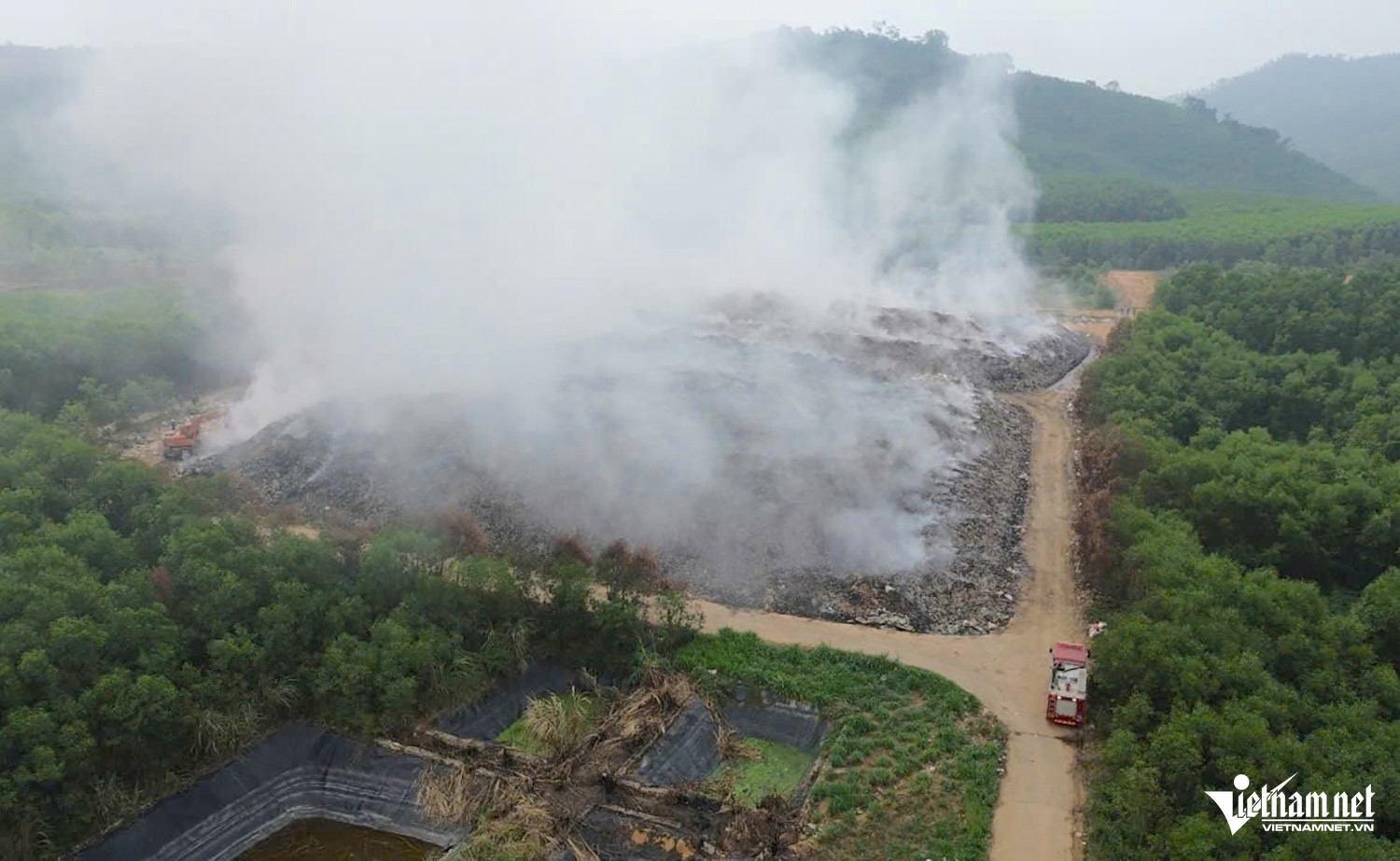
A fire smoldered at the Thai Hoa landfill for more than 10 days in April 2026. Photo: Tran Tuyen
After several infrastructure components were constructed, the project stalled again because the facility had not been connected to the electricity grid.
The plant is located approximately two kilometers from the existing power line, with connection costs estimated at VND2 billion ($77,000).
The investor is awaiting provincial assistance in extending the power supply so construction can resume.
Meanwhile, immediately beside the unfinished plant, the only landfill serving the former Thai Hoa Town, covering approximately two hectares, has accumulated large piles of untreated waste over the years.
In mid-April 2026, a fire broke out at the landfill and took more than 10 days to extinguish completely.
Nguyen Ngoc Tuan, vice chairman of the Thai Hoa Ward People's Committee, said local authorities had closed the landfill following the prolonged fire.
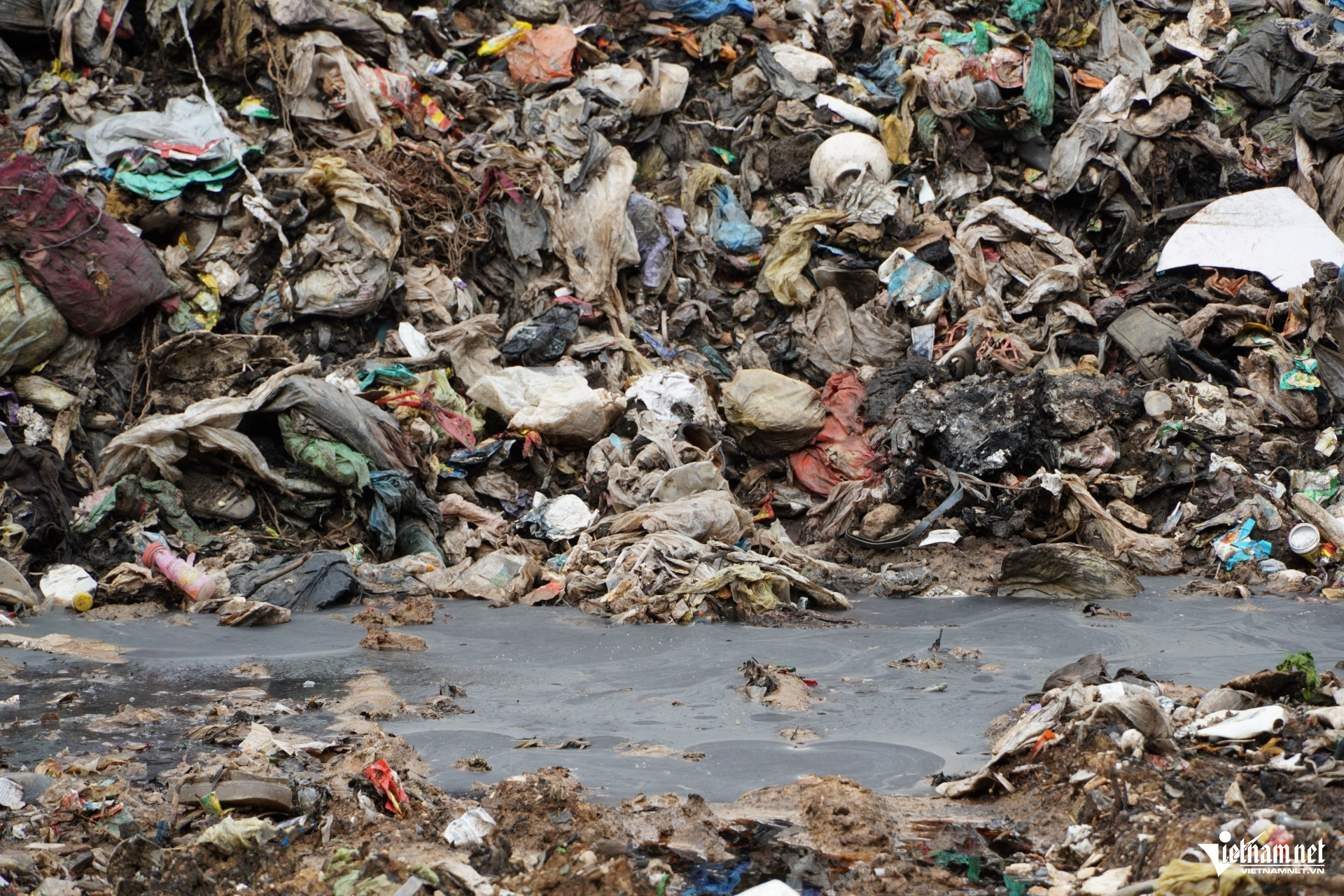
Waste piled up like mountains, with black leachate flowing from the landfill. Photo: Tran Tuyen
Waste is now transported more than 60 kilometers to the Nghi Yen Solid Waste Treatment Complex for treatment.
Regarding the investor's request for financial assistance with the electricity connection, Thai Hoa Ward authorities have submitted a proposal to the provincial People's Committee and are awaiting a response.
Local officials hope provincial authorities will soon resolve the electricity connection issue, allowing construction to resume and the waste treatment plant to become operational.
Le Duong - Tran Tuyen

