 Vietnamnet.vn

 Podcast



Visitors to the village can easily notice the gentle fragrance of agarwood carried by the wind and hear the steady sounds of chisels and carving tools from small workshops. These have become distinctive features of the local community.
Behind this transformation stands Dinh Cong Anh, a 98-year-old craftsman who is credited with introducing the agarwood craft to the area.
The pioneer of a new trade
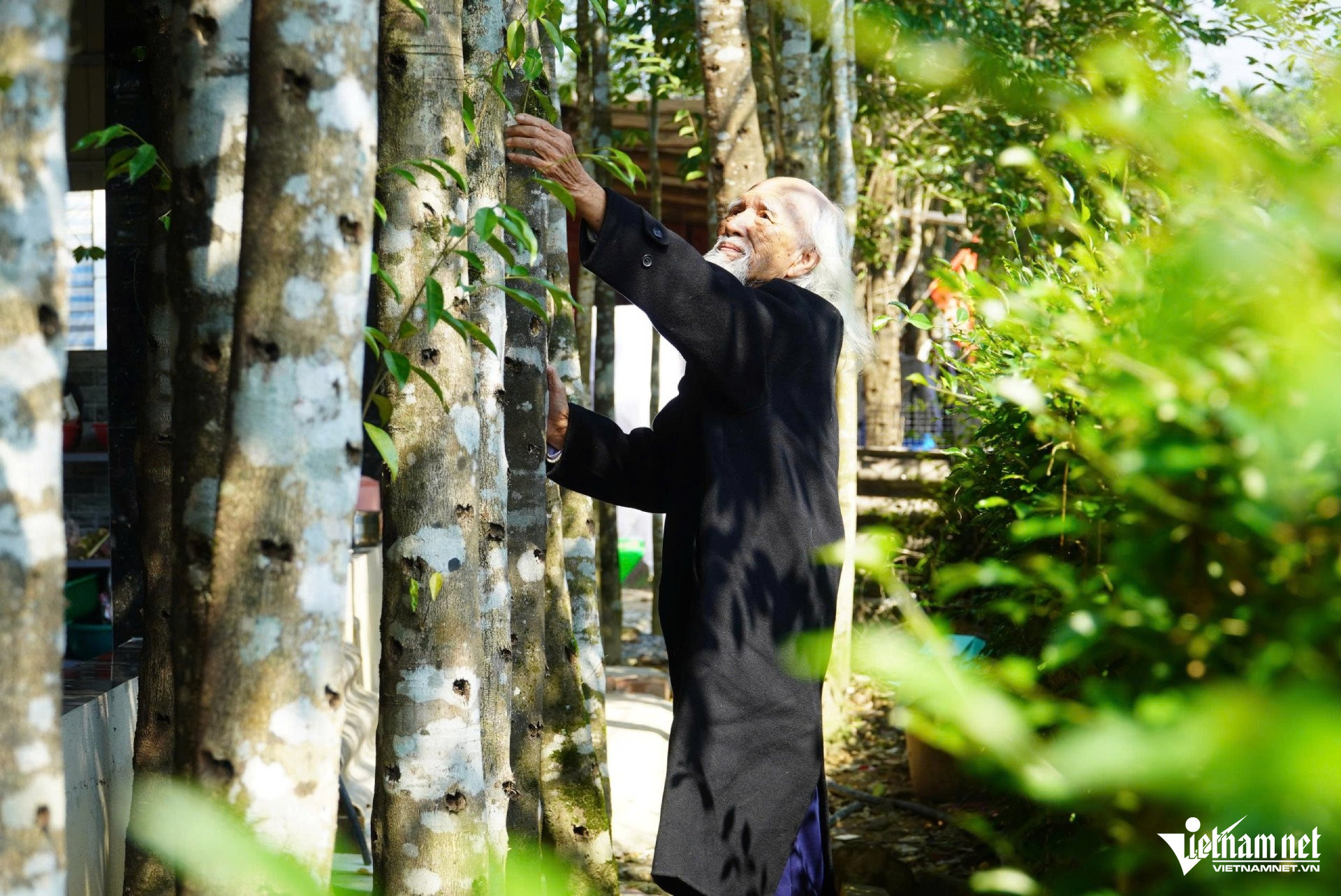
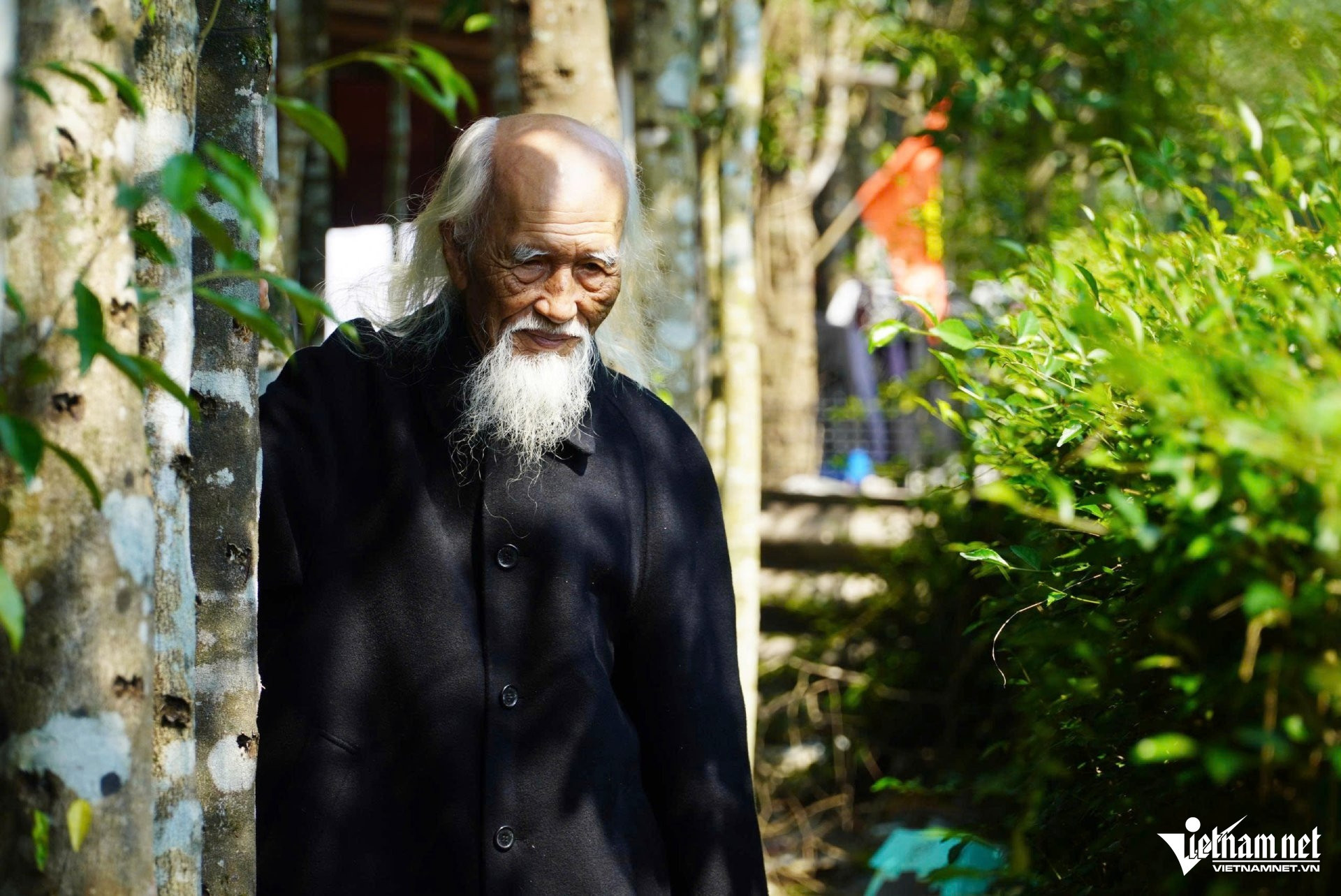
Despite his age, Anh remains mentally sharp and enjoys sharing stories about his lifelong connection with agarwood.
Although he stopped working about ten years ago due to declining health, he still spends time teaching younger generations the techniques of carving agarwood and processing dó bầu trees.
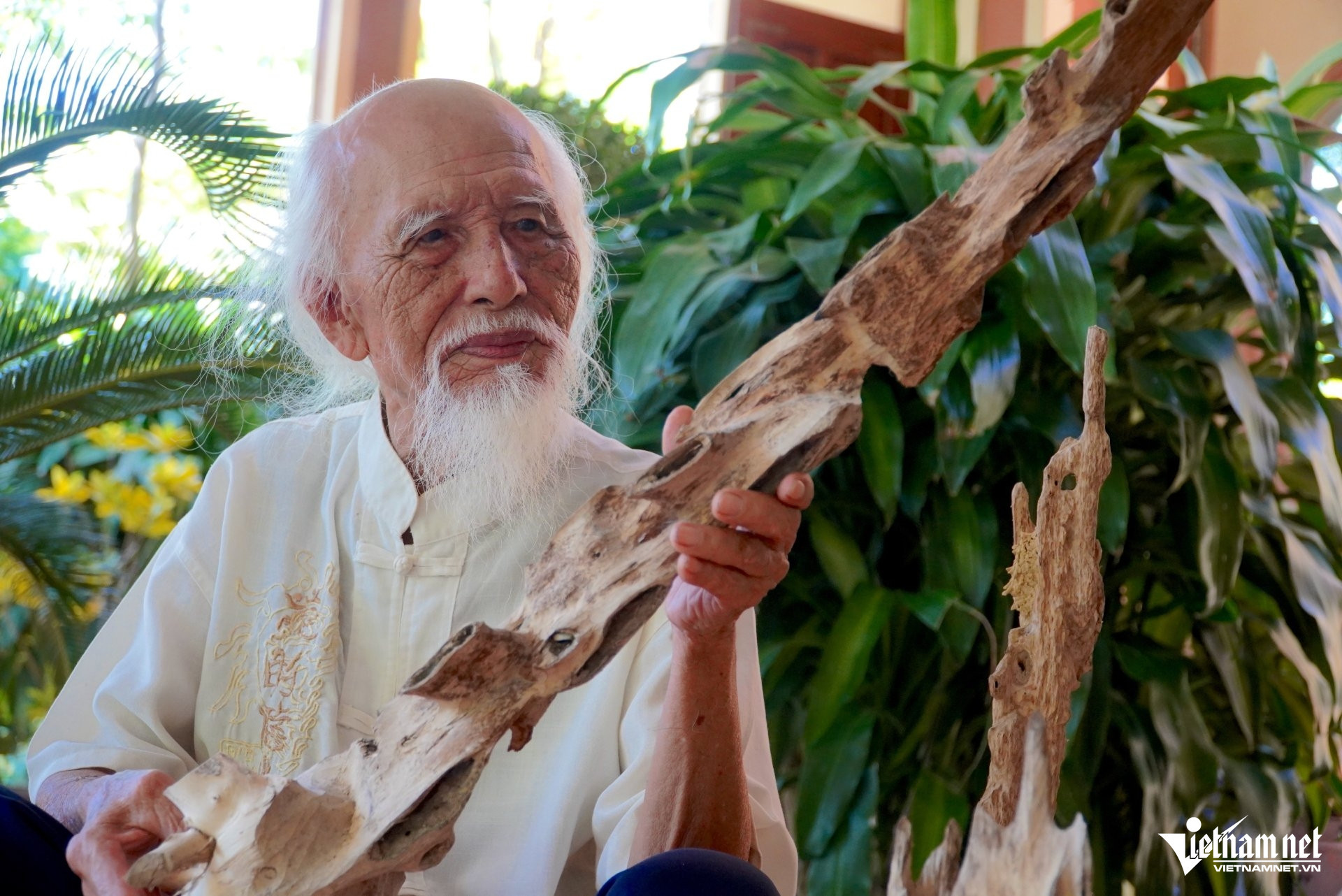
“The agarwood craft requires patience and precision,” he said. “As I grew older, my hands began to shake and my eyesight weakened, so I decided to step back. But I still want to pass the knowledge on to younger people. Agarwood is not only a valuable source of income but also part of the identity of Phuc Trach.”
Born in 1928, Anh grew up during a time when the region struggled with poverty and harsh weather conditions. Summers were scorching hot while the rainy season often brought floods.
Most residents relied on small rice fields, but even two harvests a year were rarely enough to feed a family.
At the time, dó bầu trees grew naturally in the surrounding forests, yet few people recognized their value. Some villagers even cut them down for firewood in exchange for rice.
A turning point came around 1980 when traders from Hue began visiting Phuc Trach to buy dó bầu wood.
Seeing a potential opportunity, Anh and his wife decided to venture into the forest to search for the trees.
Having served in the war, he was familiar with the terrain of the Truong Son mountains, which helped him locate areas where old dó bầu trees might grow.
Armed with only a hand saw and wearing simple rubber sandals, the couple spent days trekking through dense forests in search of what locals called “gifts from the forest.”
A craft that transformed a community
At first, Anh did not know how to extract agarwood from the tree. Instead, he cut entire trunks and sold them.
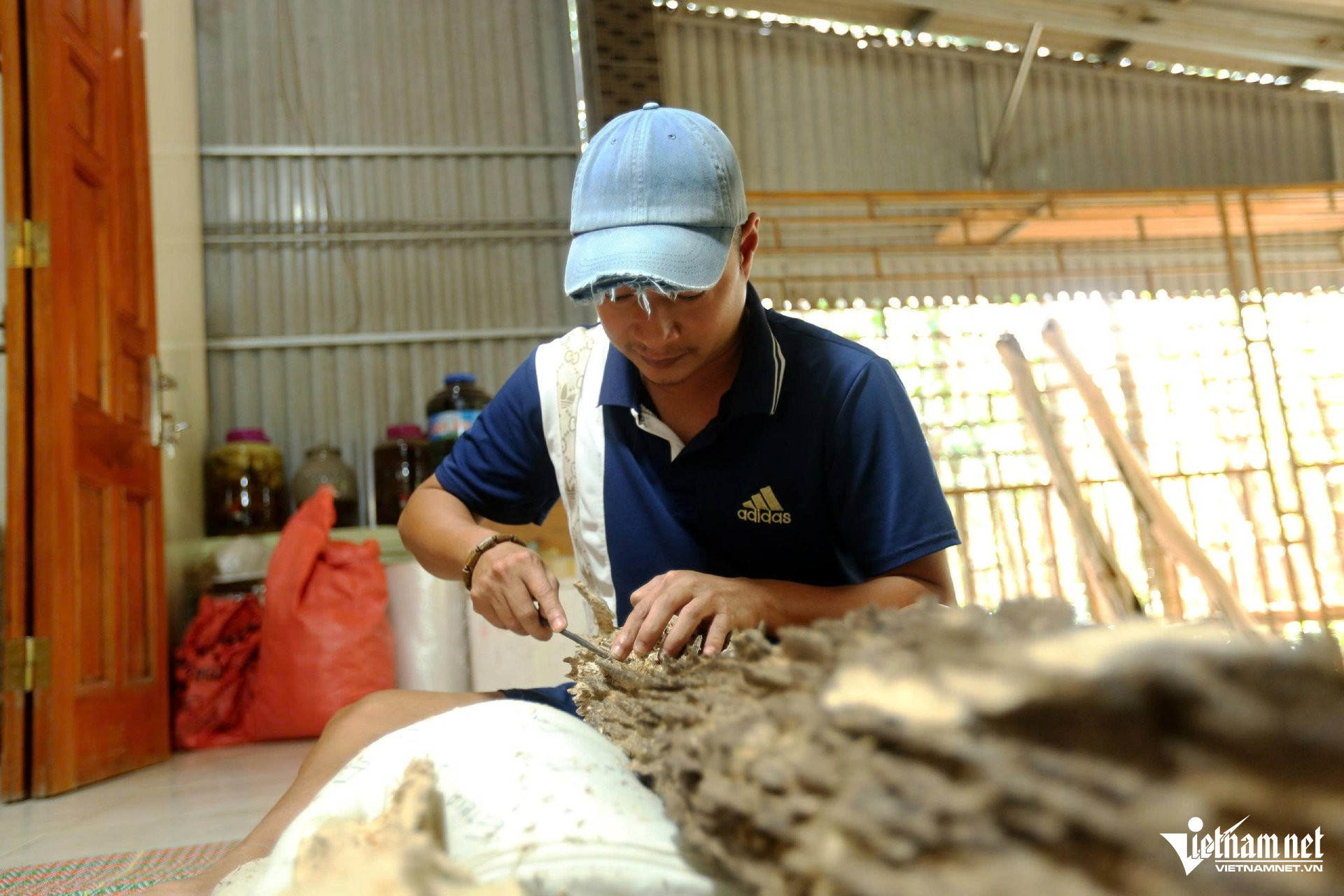
Over time, he learned the craft by observing experienced workers, studying the wood grain, and mastering the delicate techniques needed to separate the valuable resin from ordinary wood.
The process was challenging. Not every dó bầu tree contains agarwood.
The precious resin forms only when the tree is wounded by natural events such as insects, broken branches, or human intervention. Over time, the tree produces resin that hardens and develops the distinctive fragrance of agarwood.
Searching for agarwood was also dangerous. People entering the forest had to face wild animals, disease, and treacherous terrain.
The old saying “chewing herbs while searching for agarwood” reflects both the hardship and the element of luck associated with the profession.
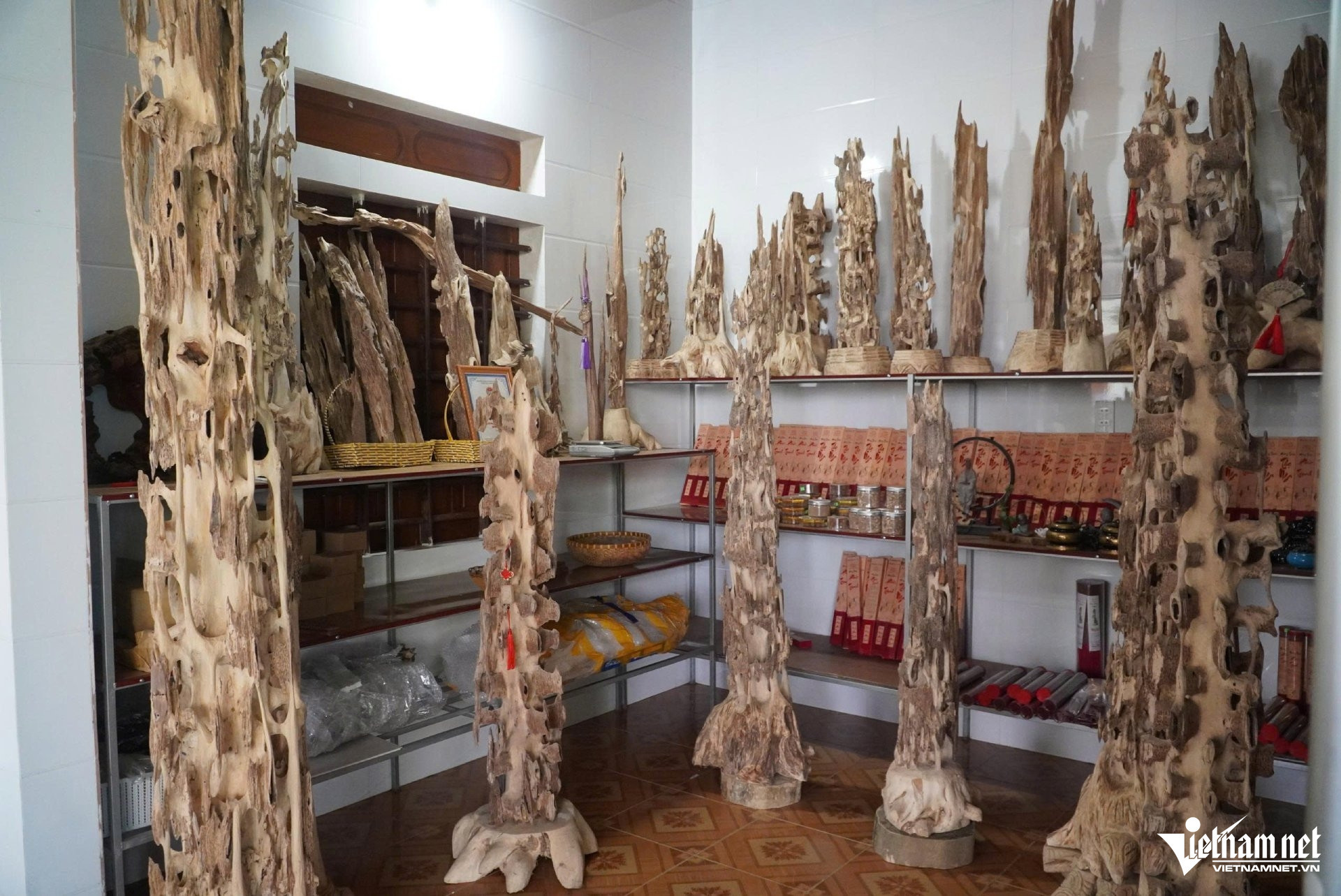
But for Anh, it was not just a means of survival. It was also the beginning of a new economic path for his hometown.
After mastering the techniques, he began buying dó bầu wood and processing it at home.
Night after night, the sound of sawing and carving echoed from his workshop as he carefully removed layers of wood to reveal the valuable agarwood within.
The craft requires multiple stages of processing, each demanding high concentration and skill. Even a small mistake could destroy the most valuable part of the wood.
As his reputation grew, more villagers came to learn from him. Anh freely shared his knowledge rather than keeping trade secrets to himself.
He also realized that relying solely on wild trees would eventually exhaust the natural supply. For this reason, he encouraged local people to plant dó bầu trees themselves to ensure a sustainable source of raw materials.
From poor village to billion-dong industry
Over the years, agarwood gradually became the economic backbone of Phuc Trach.
Products from the village were sold across Vietnam, bringing increasing income to local families. Many households were able to build new homes and improve their living standards.
Workshops appeared throughout the commune as more residents joined the trade, treating dó bầu trees as a valuable natural resource.
Today, the industry has grown significantly. According to local authorities, Phuc Trach now has about 1,000 hectares of dó bầu plantations, generating around 200 billion dong in annual revenue.
Several businesses in the commune have also invested tens of billions of dong in modern equipment to produce agarwood essential oil, further increasing the value of the local industry.
At 98 years old, Dinh Cong Anh now watches proudly as the craft he helped introduce continues to flourish.
For the people of Phuc Trach, he is not only the pioneer of a trade but also a witness to the remarkable transformation of their once-poor community.
Thien Luong
.svg)
