 Vietnamnet.vn

 Podcast



Tran Nghi
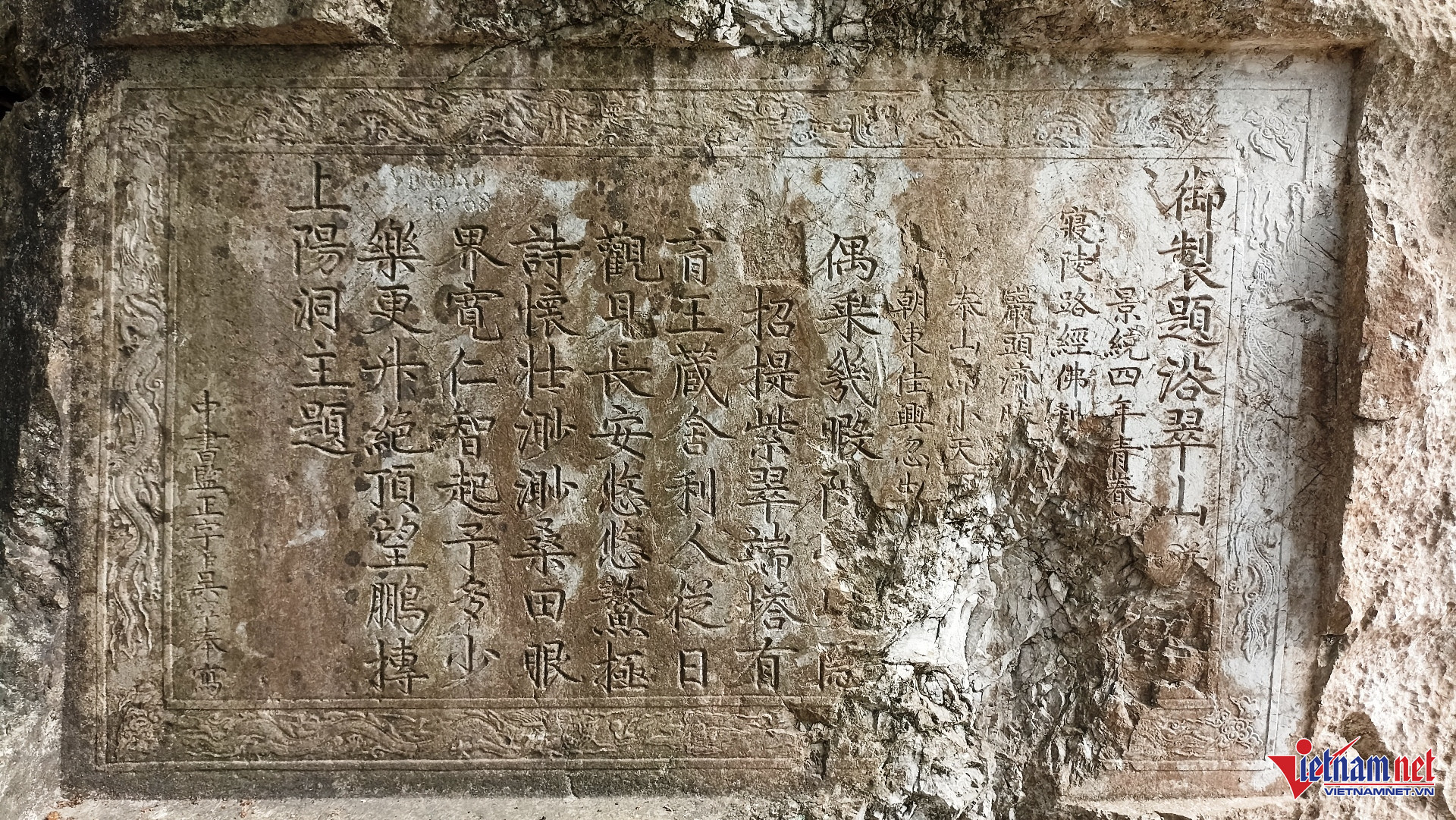
For nearly 700 years, it has served as a “living museum” of poetry, with more than 40 classical verses carved directly into its stone.
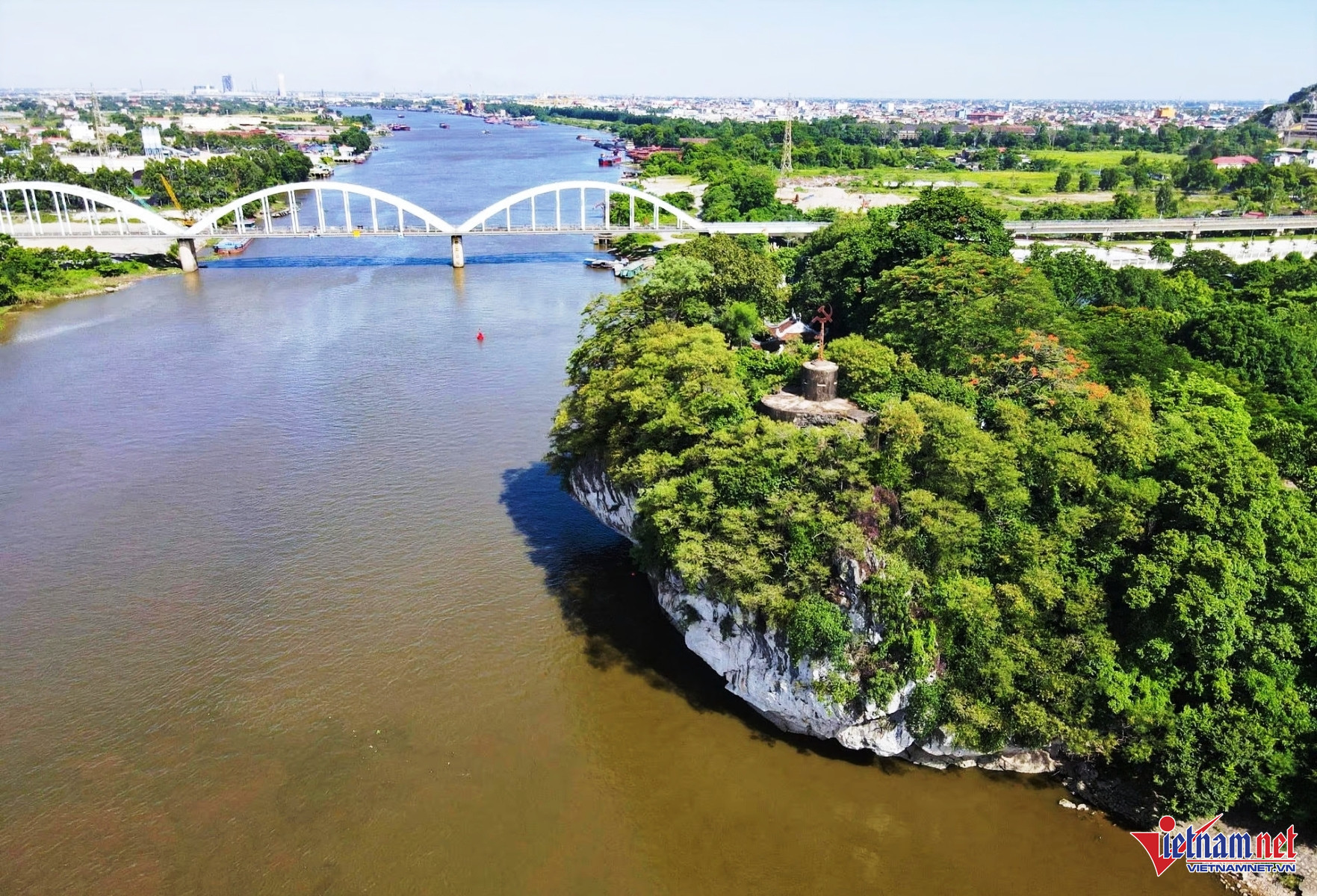
Located at a strategic waterway junction, the mountain once stood as an eastern outpost of the ancient Hoa Lu capital and later hosted a citadel during the Nguyen dynasty. A climb to its summit requires ascending dozens of stone steps, leading visitors to a relatively flat peak shaded by trees and cooled by breezes, where a small pavilion offers a place to rest and take in the view.
The name Duc Thuy Son was bestowed by Truong Han Sieu, a high-ranking official of the Tran dynasty, who also left behind the earliest known poem engraved on the mountain. From that moment, the site became a source of inspiration for generations of scholars, poets and emperors.
Drawn by its serene beauty - often described as a “fairyland within the mortal world” - visitors throughout history would anchor their boats, climb the slopes and carve verses into the rock. Today, more than 40 inscriptions in Han characters remain etched across the mountain, while hundreds of other poems composed about the site have been recorded in literary history.
Among those who left their mark or composed verses about the mountain are renowned figures such as Le Thanh Tong, Nguyen Trai, Nguyen Khuyen and many others across different dynasties.
The inscriptions appear throughout the mountain - along paths, at the foot, near the summit, and even on precarious cliff faces overlooking the calm waters below. In some places, three or four poems are carved side by side. The verses span various classical forms, including four-character quatrains, five-character lines and eight-line regulated poems, often reflecting themes of landscape, emotion and the human condition.
According to Truong Dinh Tuong, Chairman of the Ninh Binh Historical Science Association, poetry “covers the mountain slopes and peaks, lines the paths up and down, and clings to cliffs above the gentle flow of the rivers.” He describes the site as “the most unique stone-inscribed poetry museum in Vietnam.”
Beyond its literary value, Nui Non Nuoc has also witnessed many defining historical moments across the nation’s turbulent past.
Recognized as a national scenic site in 1962, the mountain was elevated to special national historical and cultural heritage status in 2019, affirming its enduring significance.
Today, standing atop the breezy Nghinh Phong pavilion, visitors can look out across the rivers and landscapes - and perhaps feel, as generations before them did, the quiet impulse to turn fleeting emotion into words etched in stone.
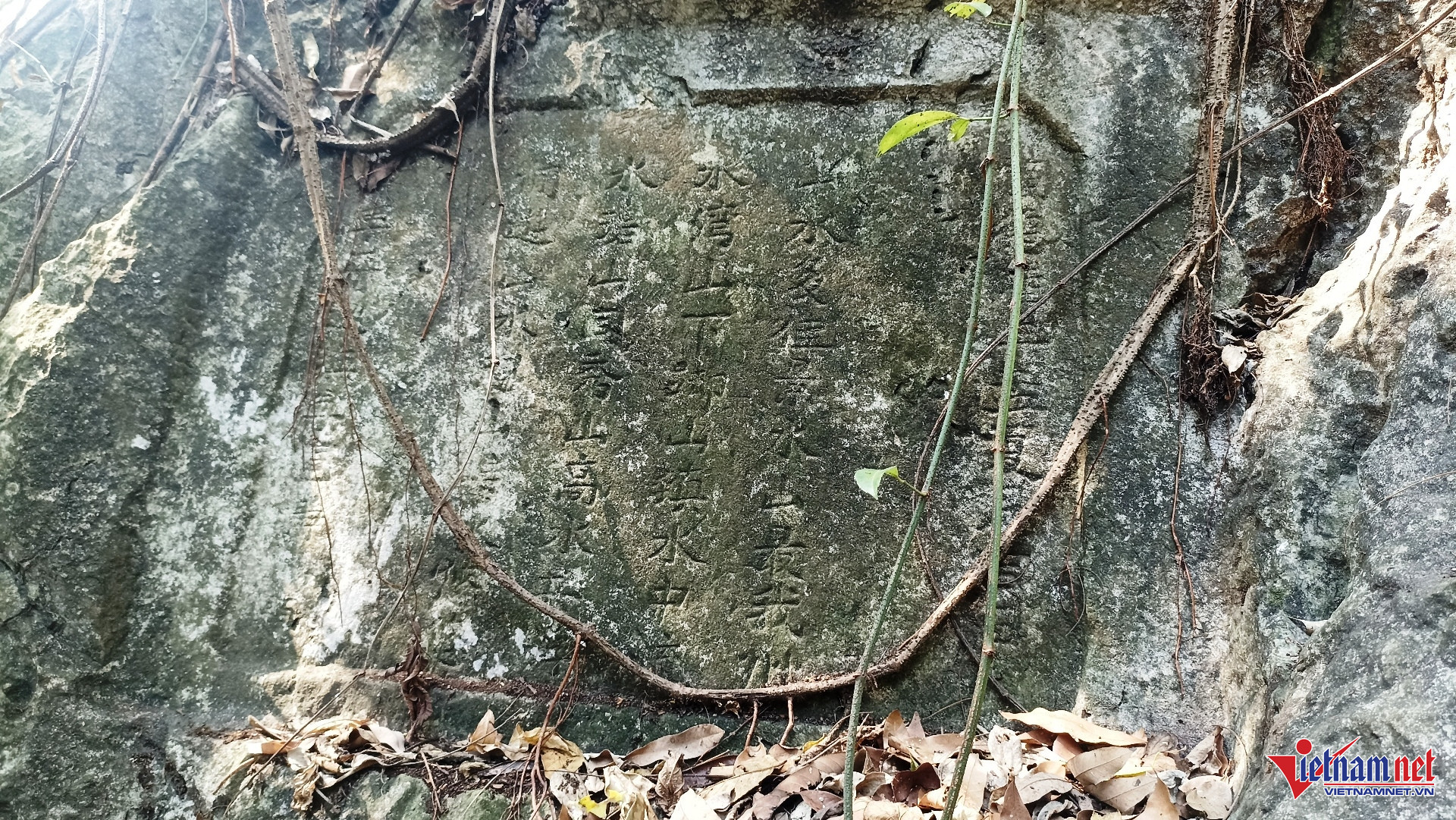
Ancient poems in classical Chinese have been carved into the rock for hundreds of years.
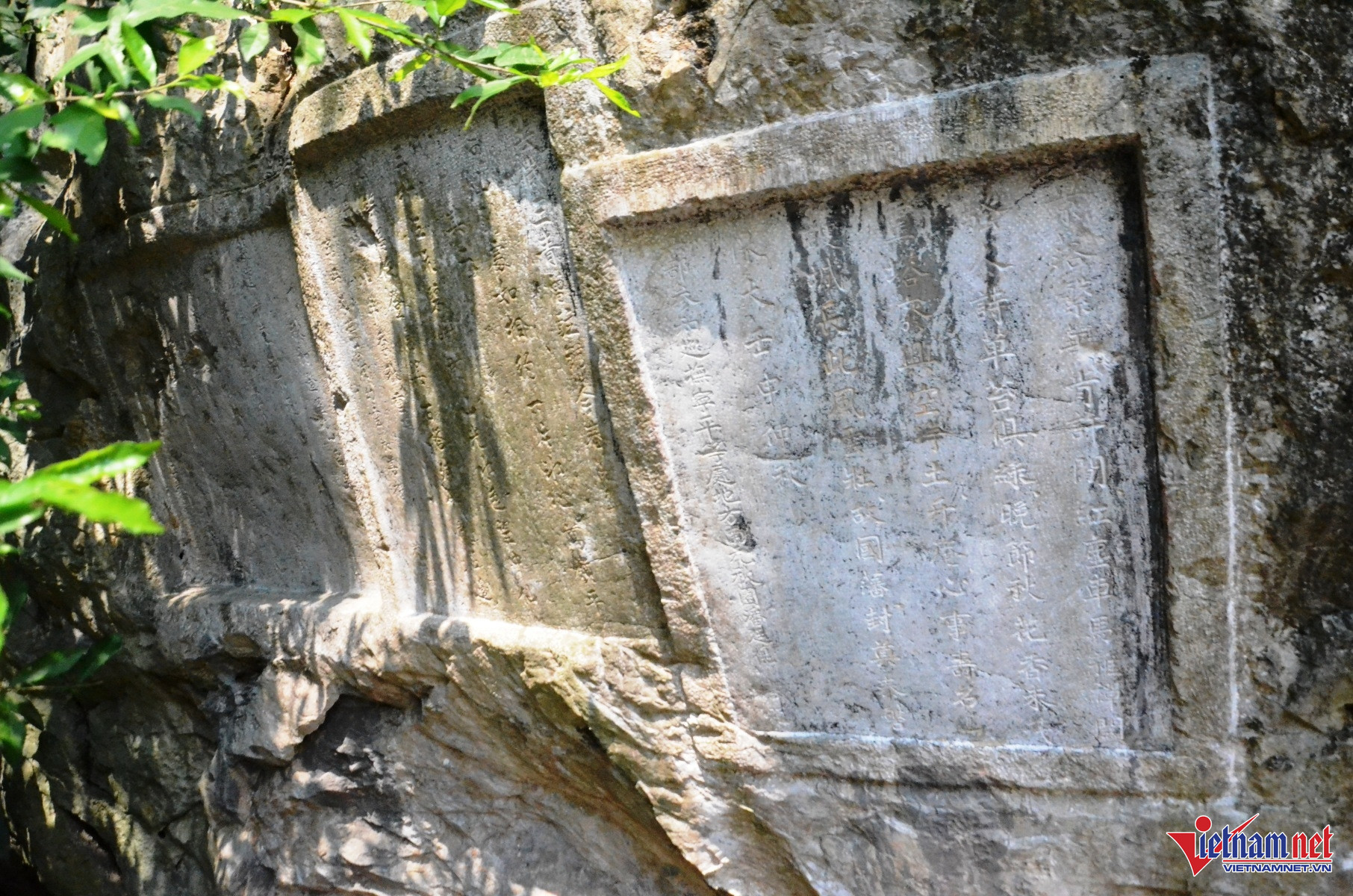
In some places, three to four poems are engraved side by side.
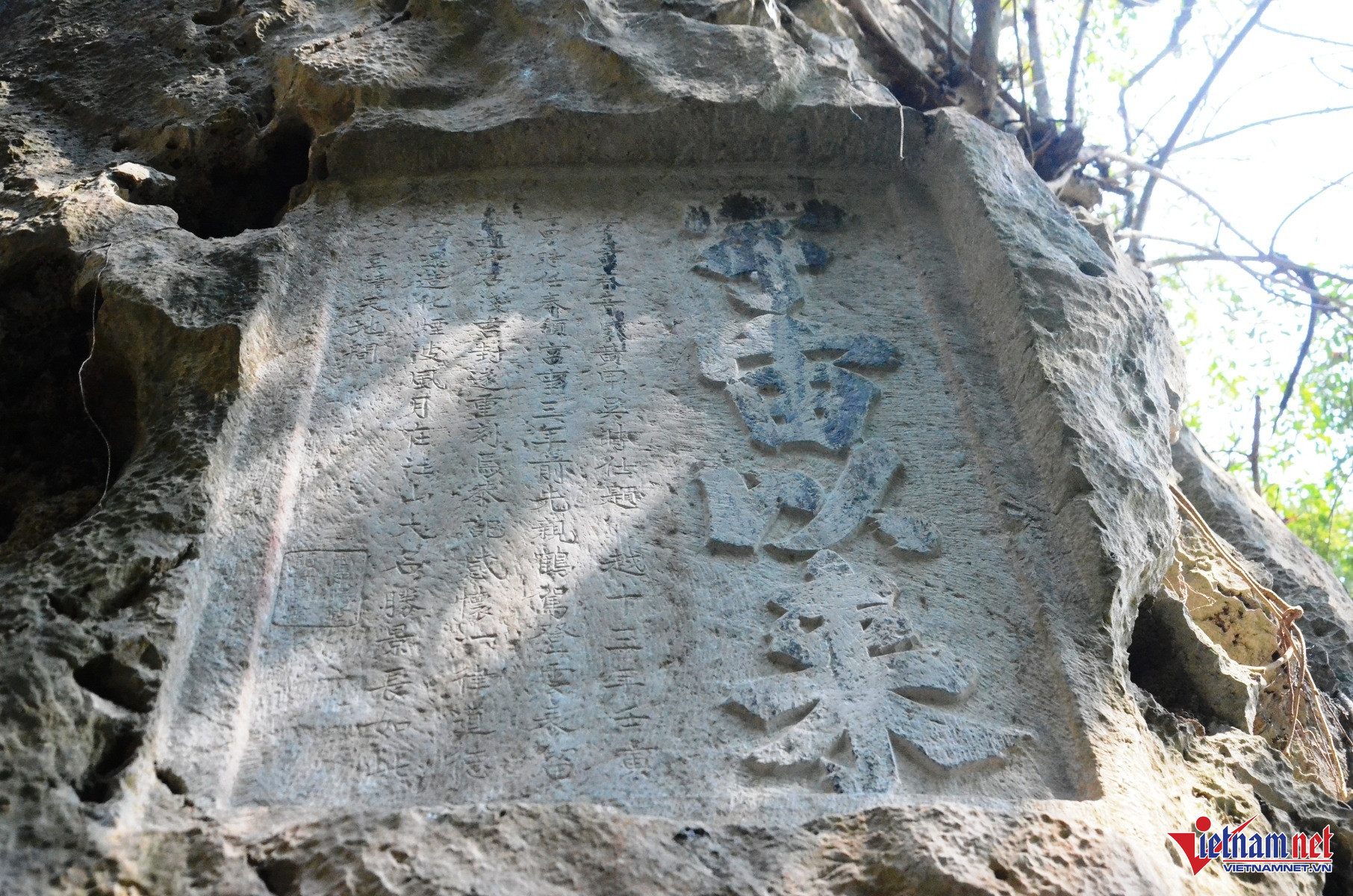
Non Nuoc Mountain is now home to more than 40 poems and literary works etched into its stone cliffs.
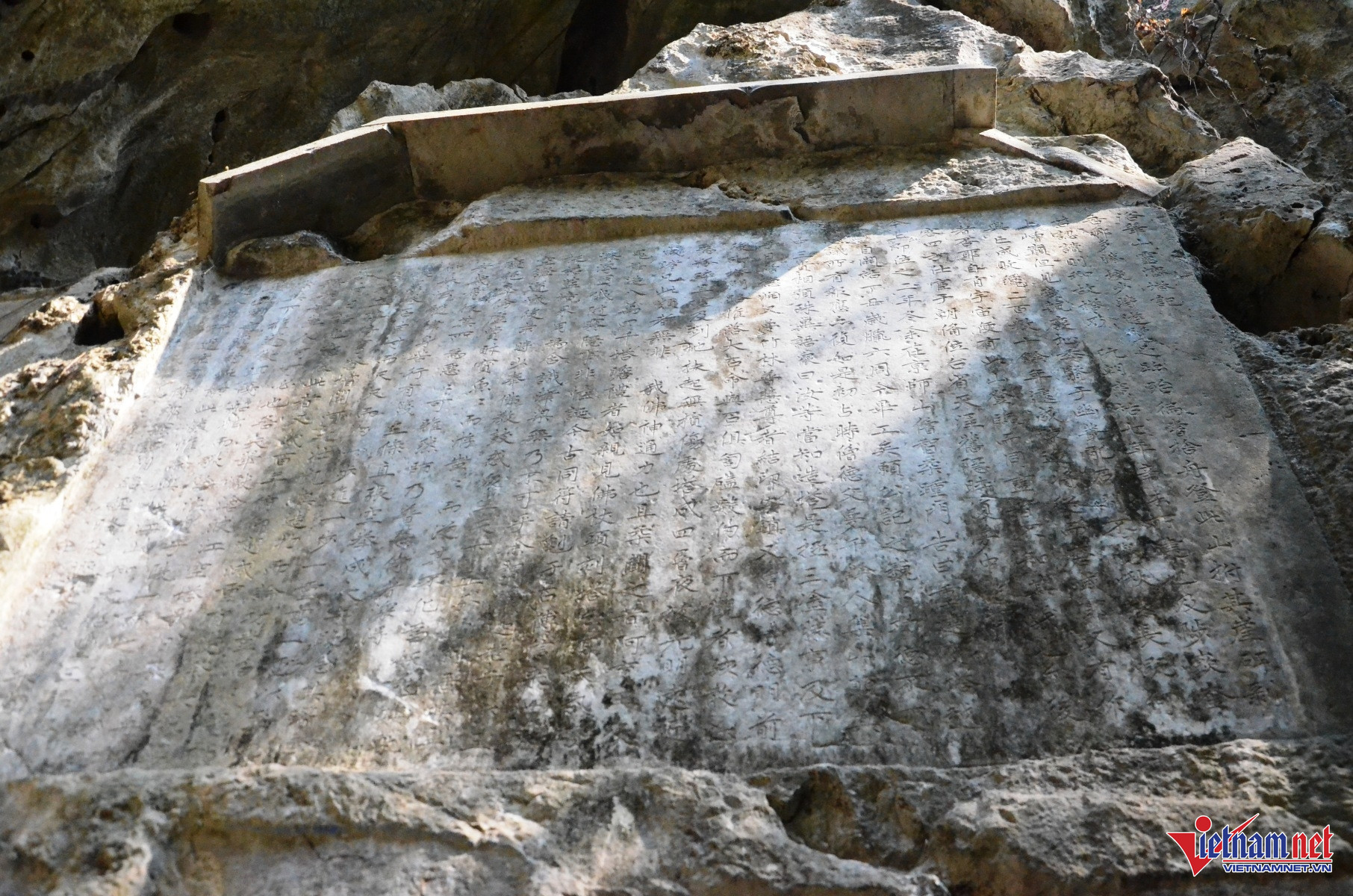
Truong Han Sieu, a Grand Preceptor of the Tran dynasty, was the first to leave a poetic inscription on the mountain.
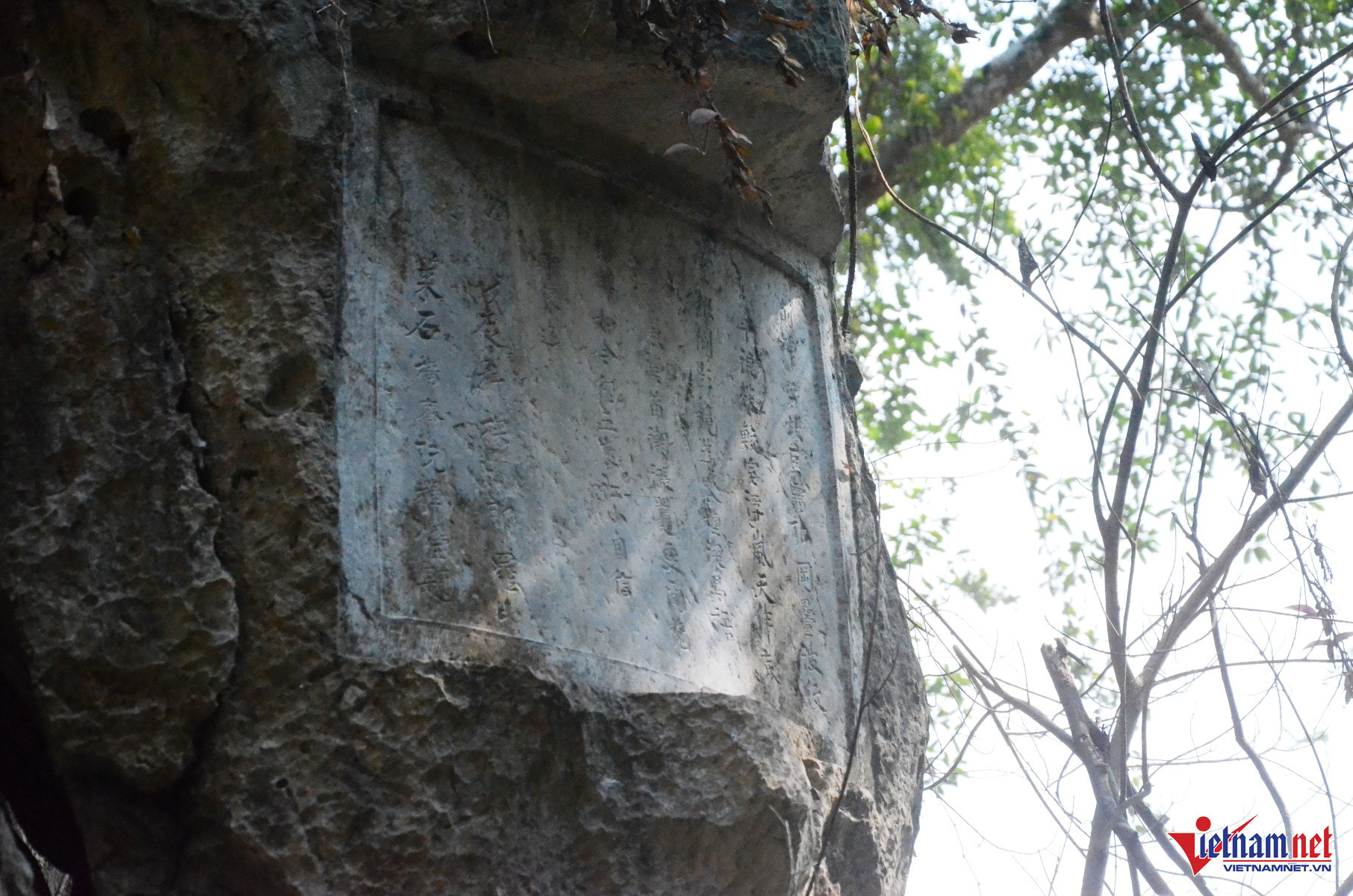
Many of the poems are carved precariously onto steep and rugged rock faces.
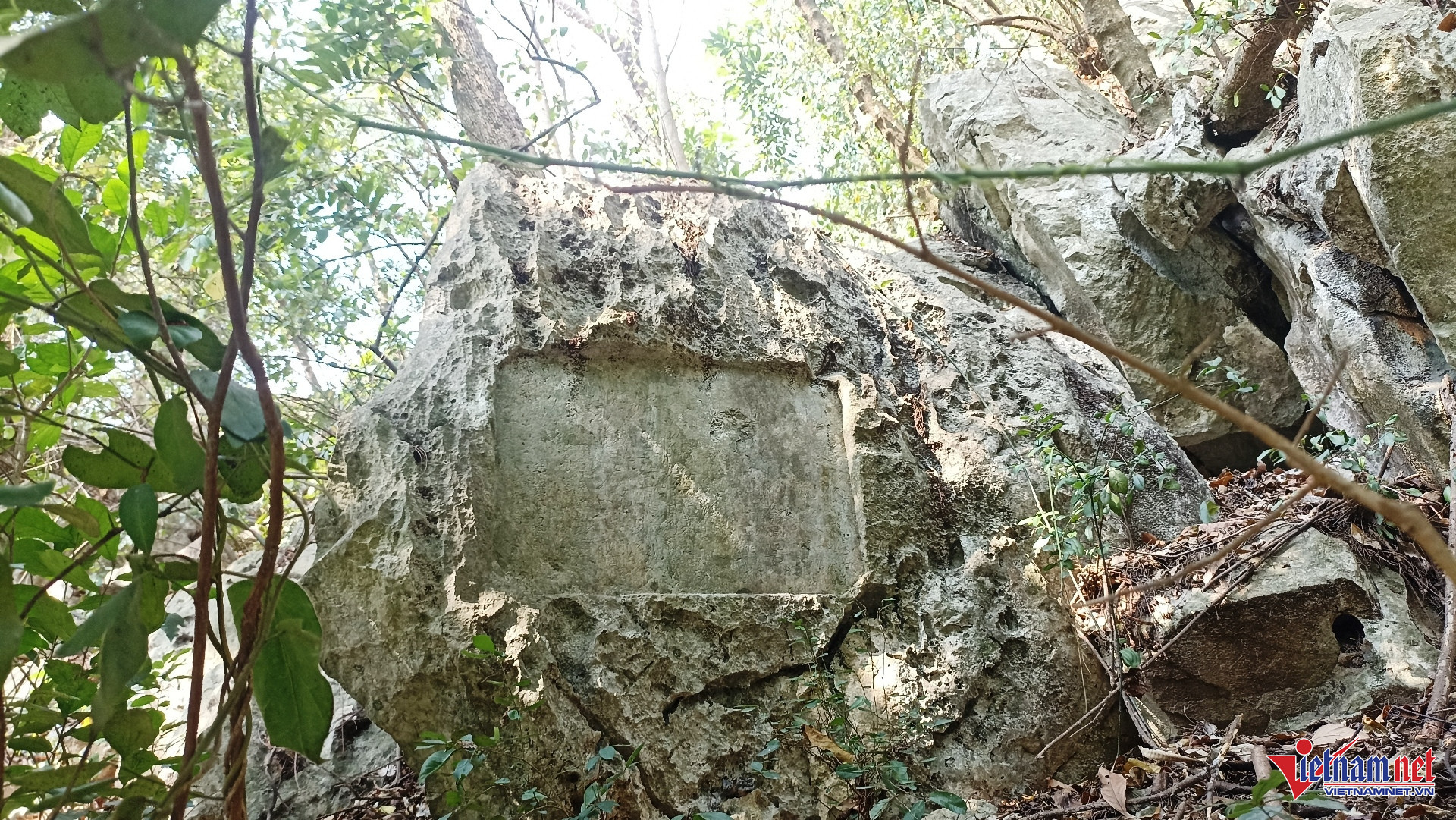
In the past, the site attracted numerous scholars and literary figures who came here to compose and engrave poetry.
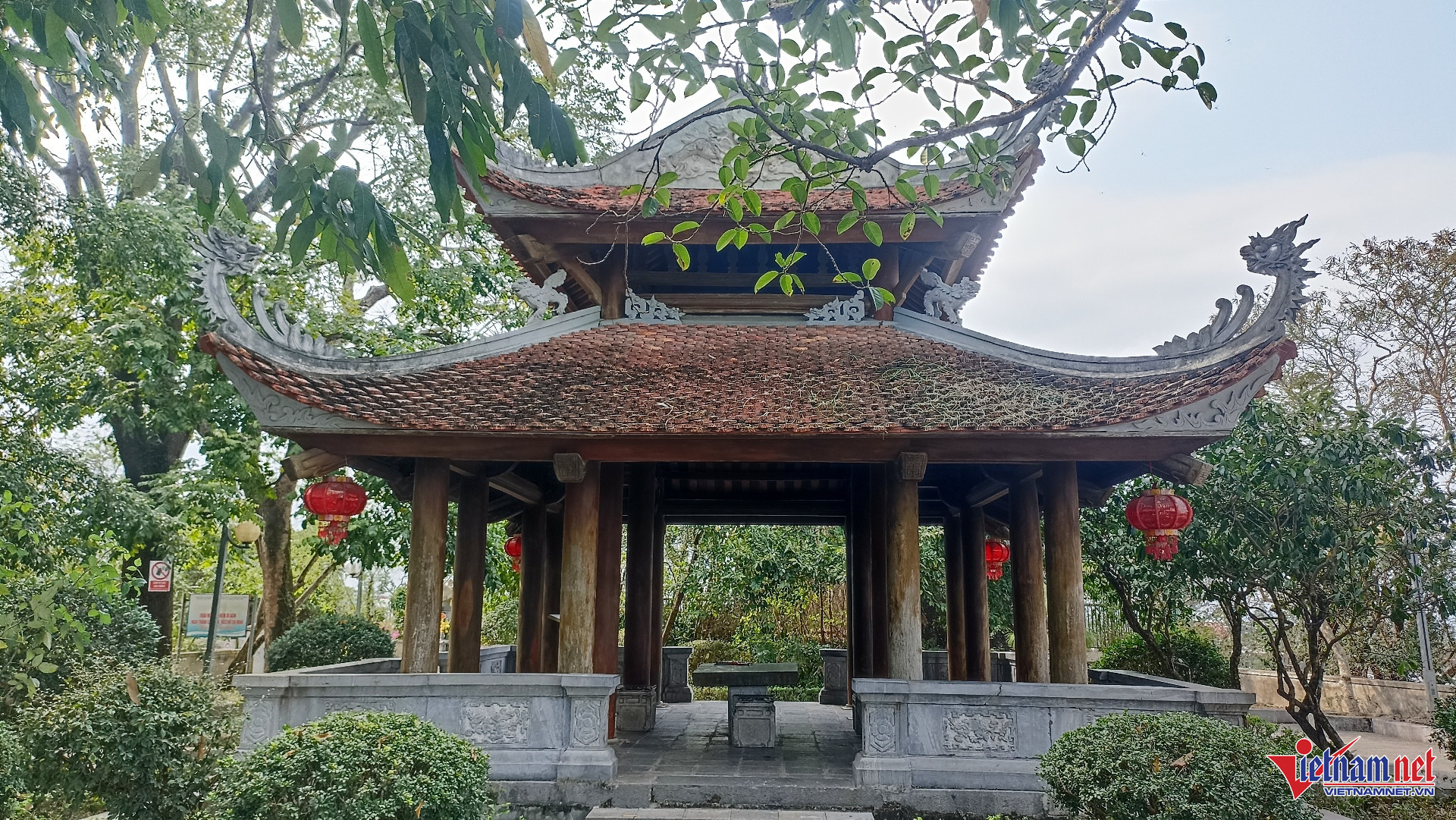
At the summit of Non Nuoc Mountain, a flat area features the Nghinh Phong pavilion, offering a pleasantplace for visitors to rest and enjoy the view.
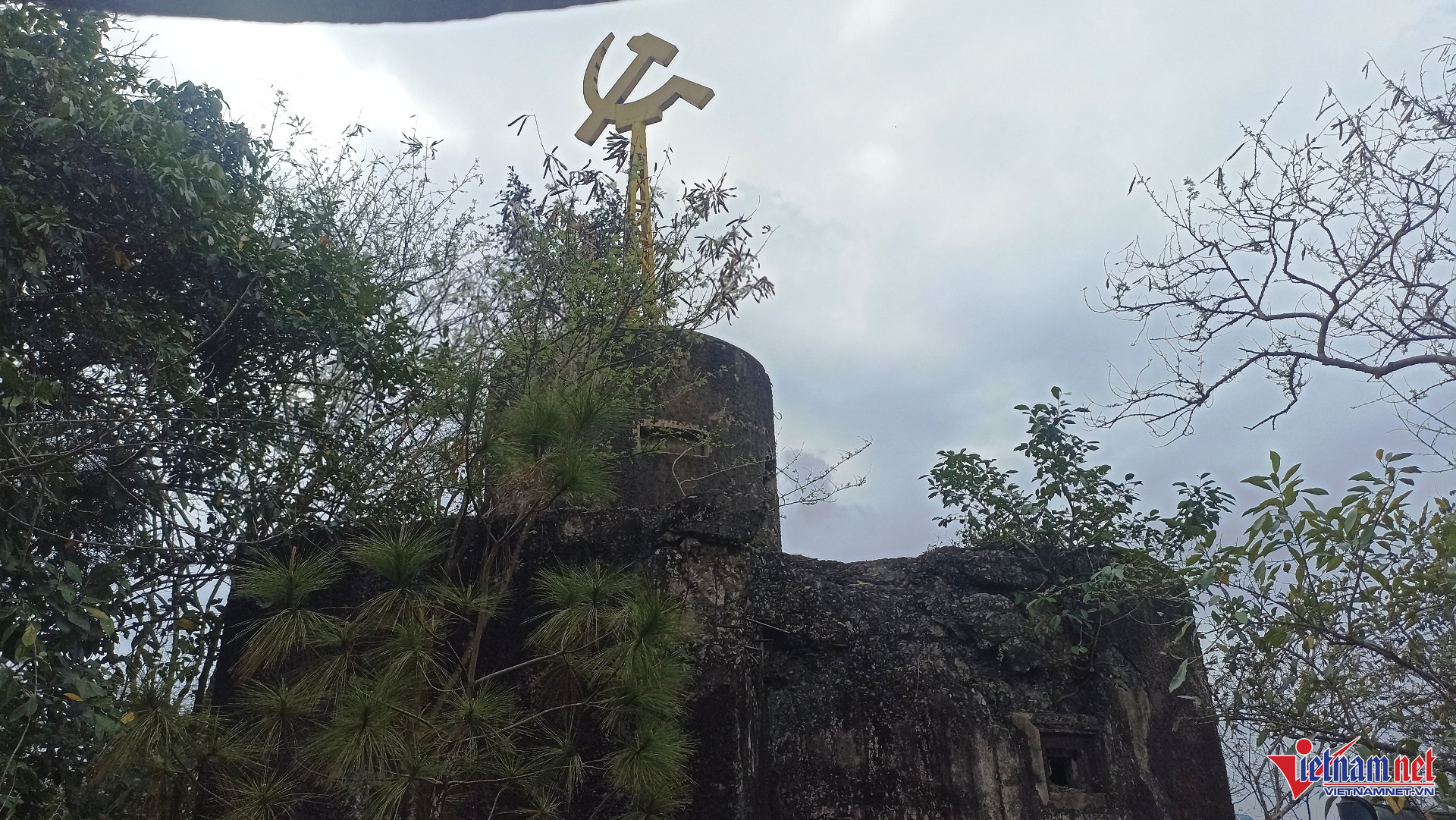
A wartime bunker, preserved through different periods, also stands on the peak.
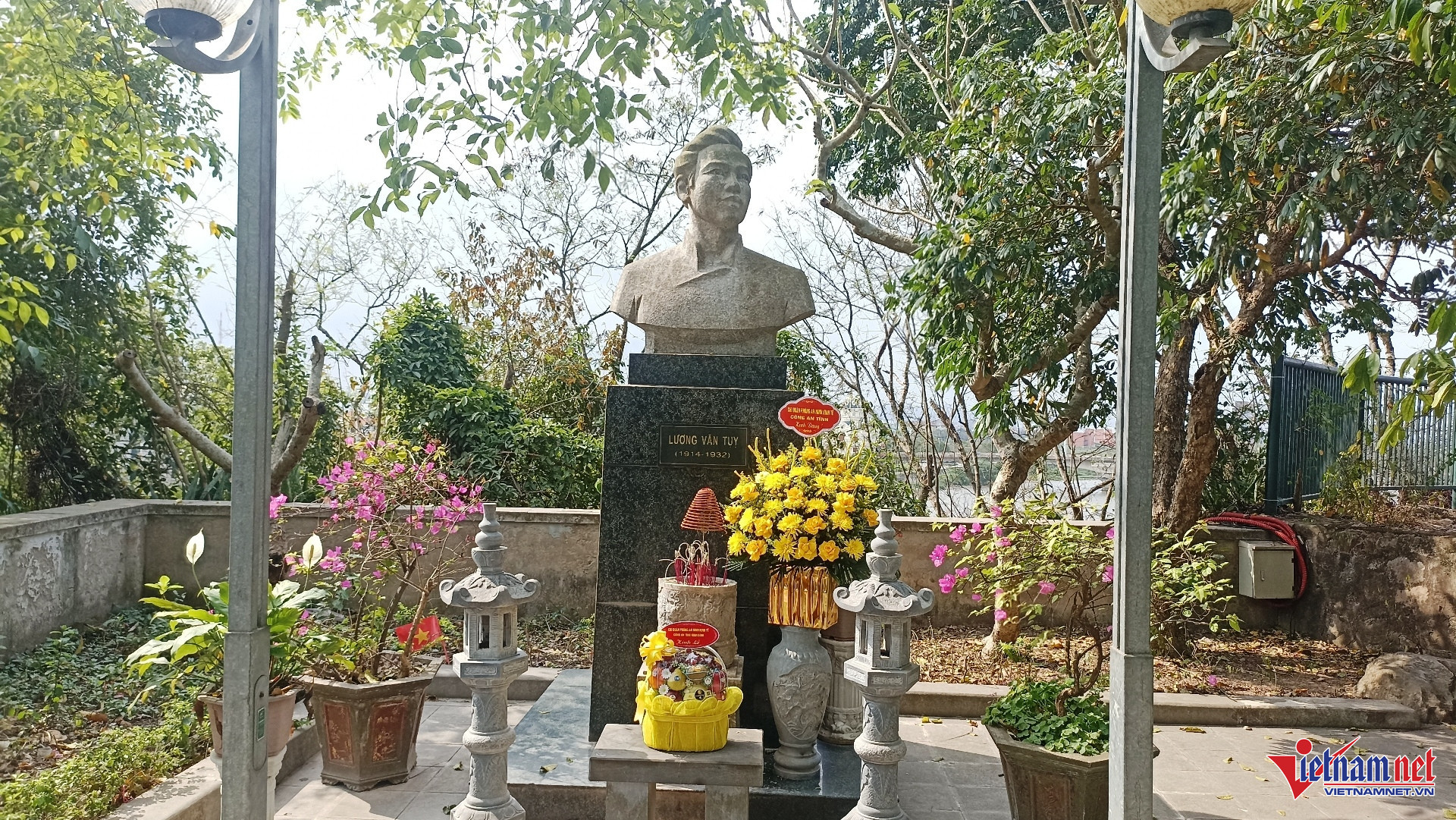
There is also a monument dedicated to revolutionary hero Luong Van Tuy.
.svg)
