 Vietnamnet.vn

 Podcast



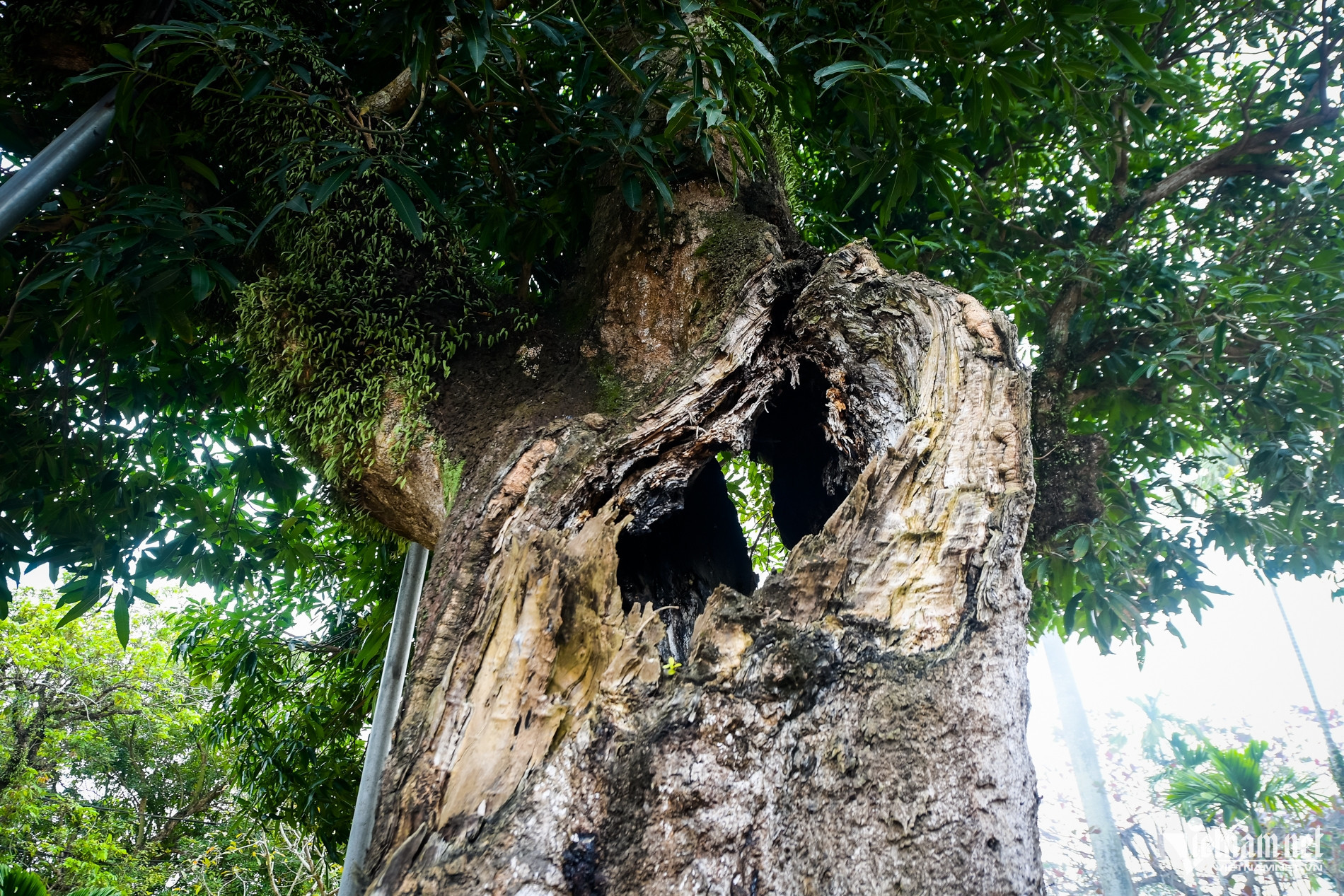
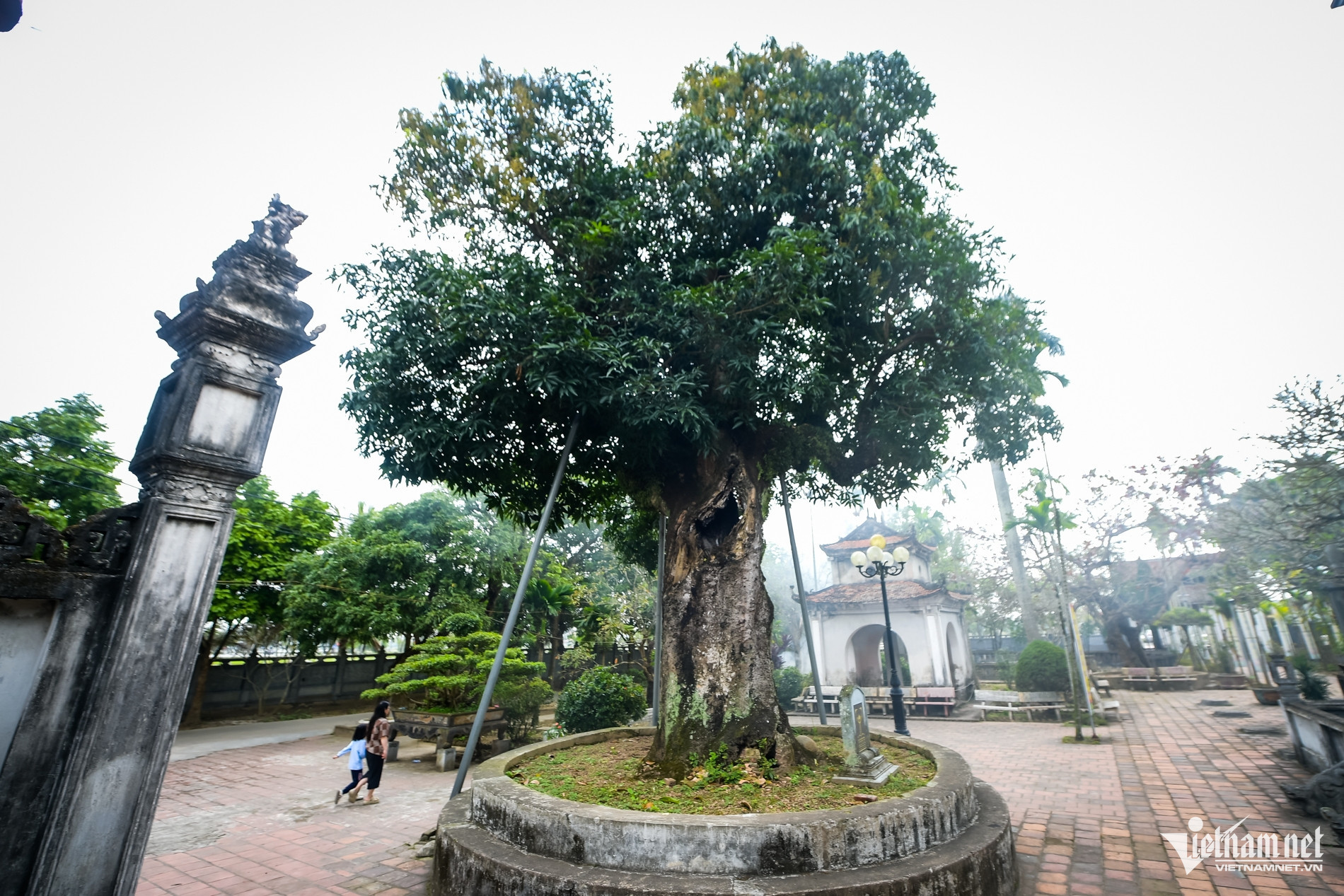
At Pho Minh Pagoda in Ninh Binh, a muom tree more than three centuries old continues to thrive, even though its trunk has long been hollowed out.
The sight leaves many visitors astonished.
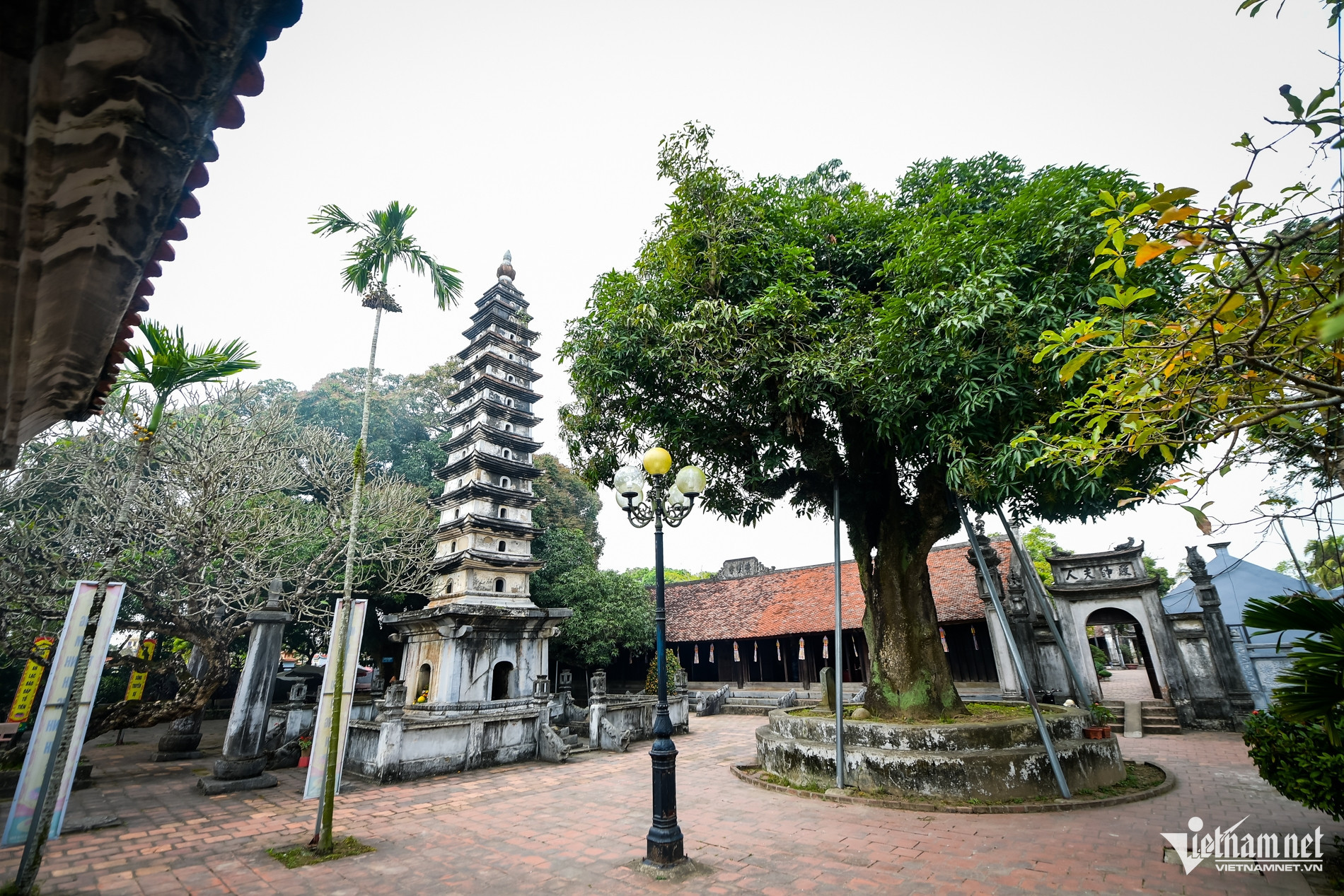
Pho Minh Pagoda, known locally as Chua Thap, carries nearly 800 years of history.
Beyond its distinctive architecture and deep cultural value, the pagoda is marked by two towering ancient muom trees regarded by both villagers and monks as priceless “treasures.”
Despite their age, both trees remain vibrant and full of life.
The muom tree standing to the right of the Pho Minh Tower is especially remarkable.
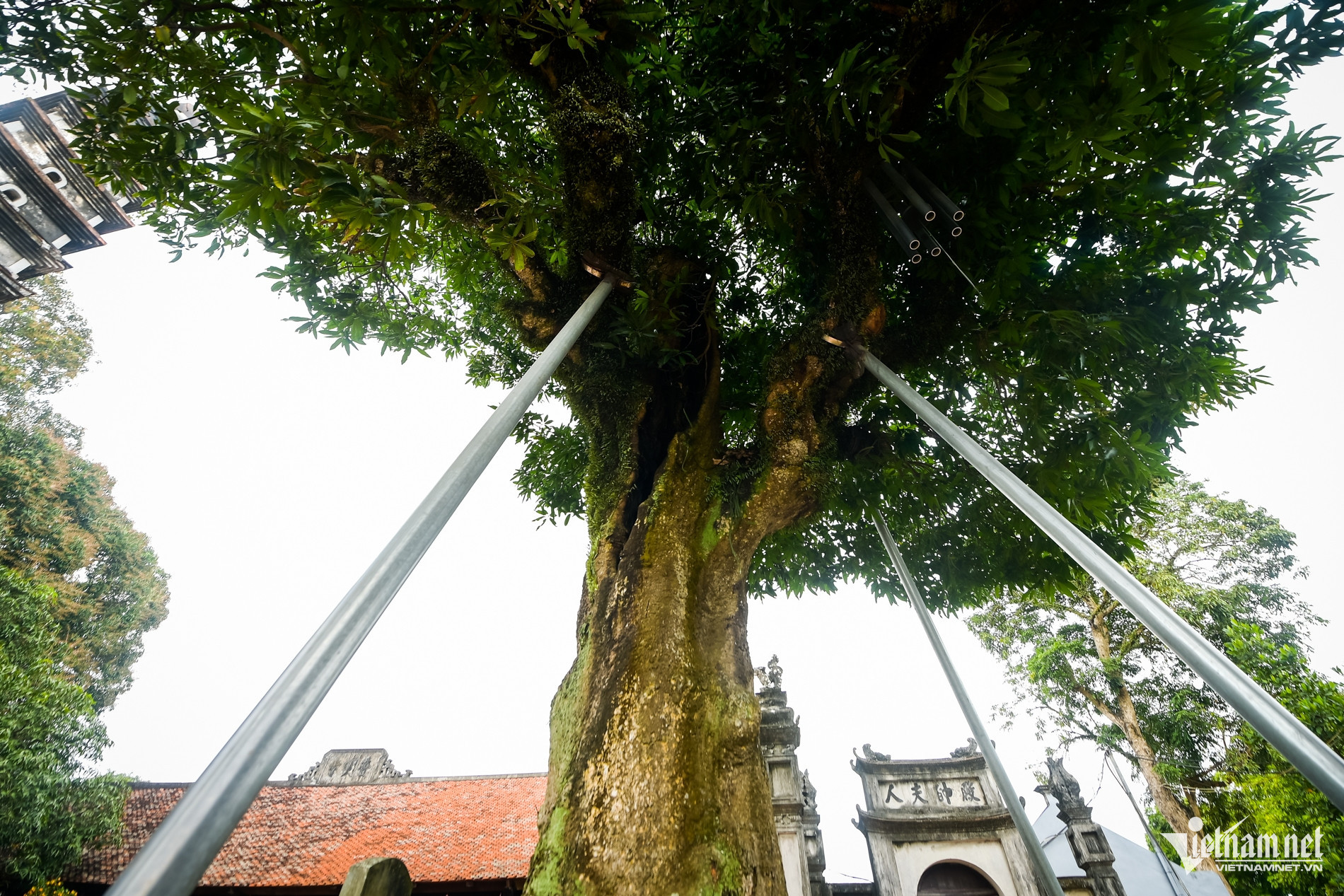
Though its trunk is empty inside, it still rises firmly, spreading dense, green branches as if extending a warm welcome to pilgrims and travelers from afar.
The tree’s trunk is evenly rounded, with its widest diameter exceeding one meter and its height stretching close to 20 meters.
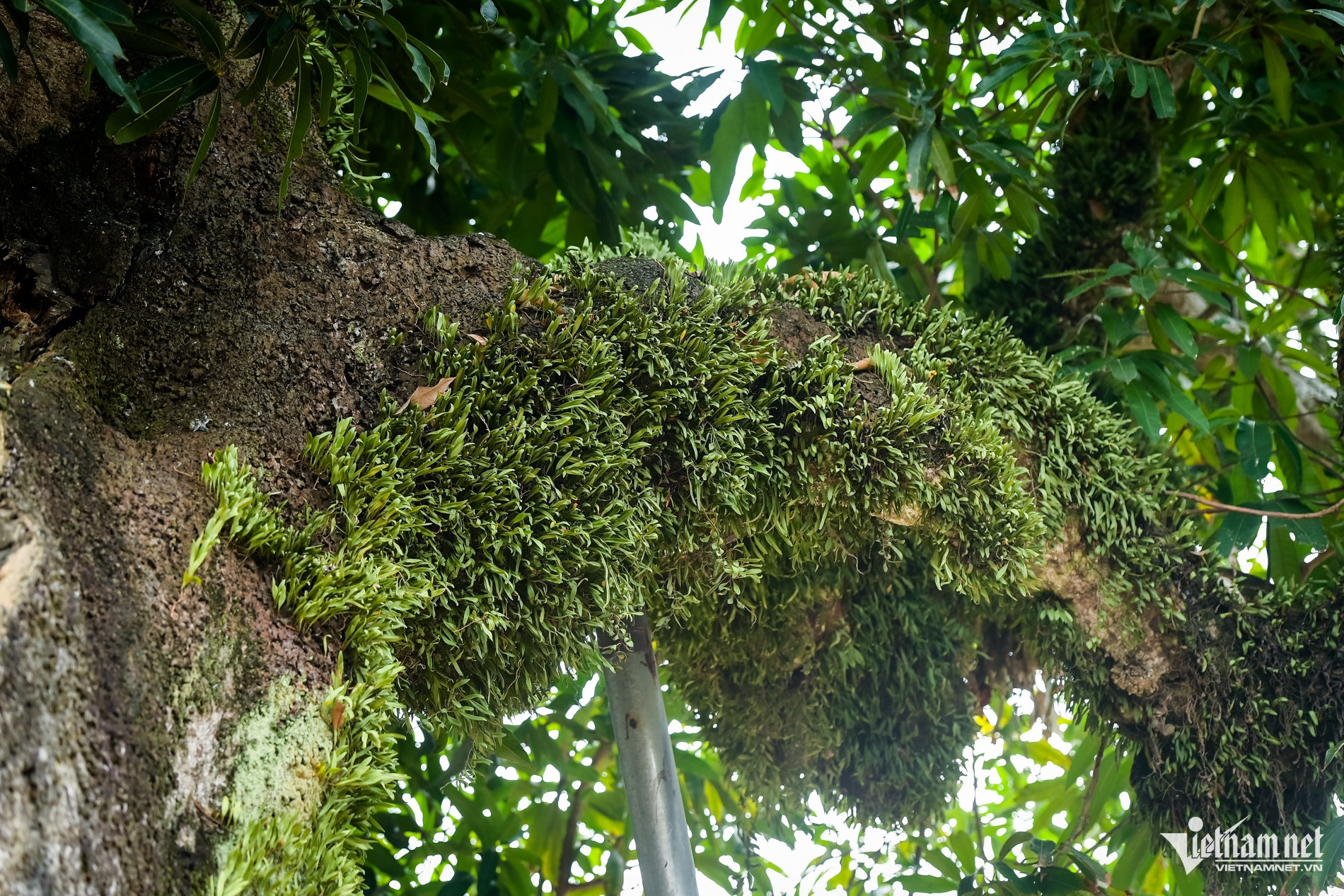
Its bark bears deep marks of time, and several branches cradle parasitic plants that have clung tightly to the wood.
Inside, the trunk’s hollow center forms a natural cavity resembling a small cave.
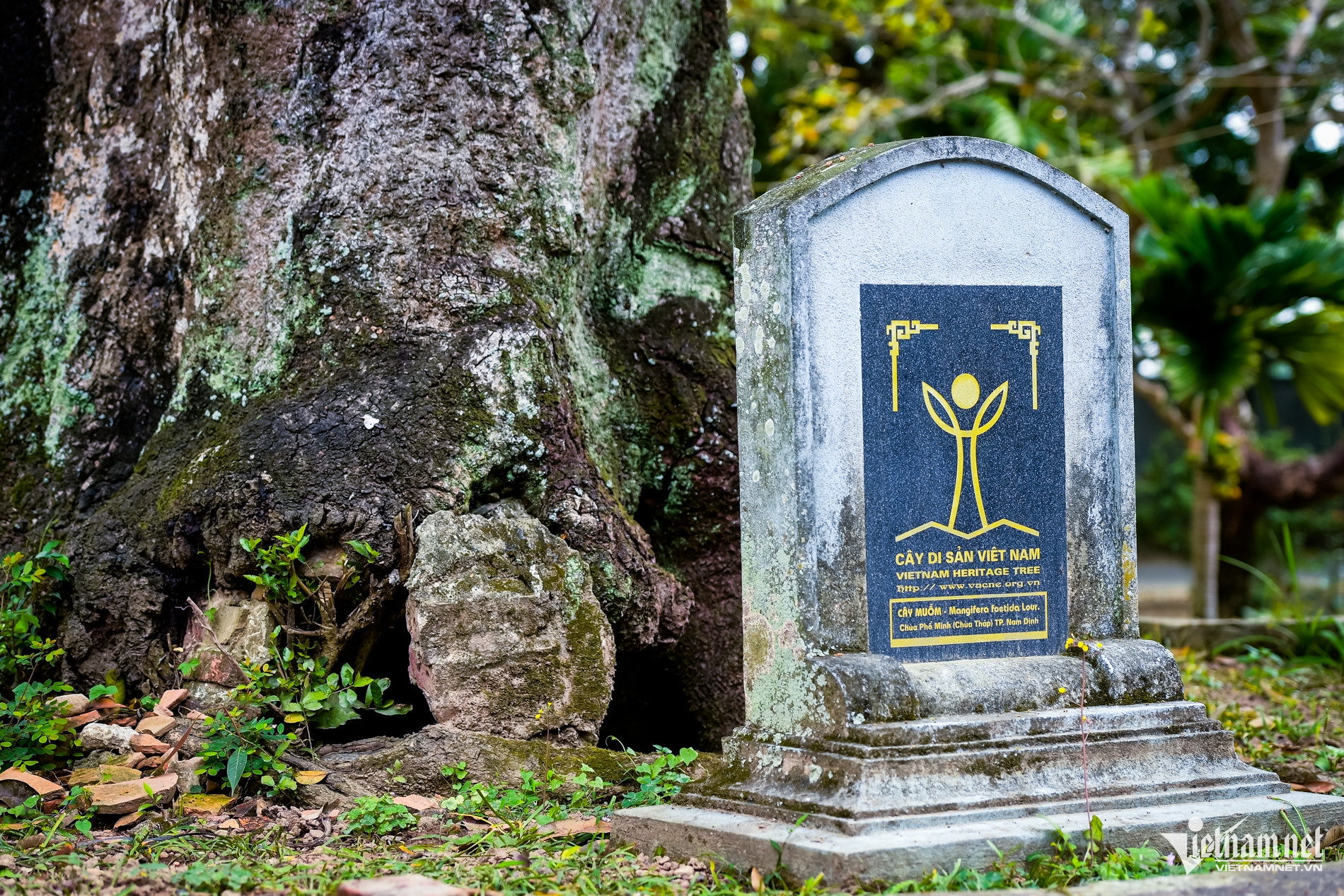
In 2012, both muom trees at Pho Minh Pagoda were recognized by the Vietnam Association for Conservation of Nature and Environment as Vietnam Heritage Trees.
According to Venerable Thich Dam Thoan, the pagoda’s deputy abbess, each tree is more than 300 years old.
The right-hand tree, she recalls, has been hollow for nearly half a century, yet its branches remain lush, spreading outward as if embracing every visitor entering the temple grounds.
For years, the pagoda has worked closely with local authorities and the management board of the Tran Temple – Pho Minh Pagoda heritage complex to safeguard the ancient trees.
Every year, the muom trees are treated for termites, nourished with fertilizer, and given fresh alluvial soil around their base.
Large branches are reinforced to minimize the risk of breakage.
In 2018, the hollowed tree became so old that several major branches snapped.
Strangely, although the tree stands very close to the Pho Minh Tower, the branches did not fall toward the tower but instead collapsed onto the pagoda roof inside.
Despite their weight, the fallen branches did not disturb the statues or incense burners beneath them.
Some branches struck a wooden column, causing it to shift and split open.
When the pagoda examined the damage, they discovered that termites had hollowed nearly two-thirds of the column.
Had the branch not fallen when it did, the structural weakness might have gone unnoticed for much longer, Venerable Thich Dam Thoan explained.
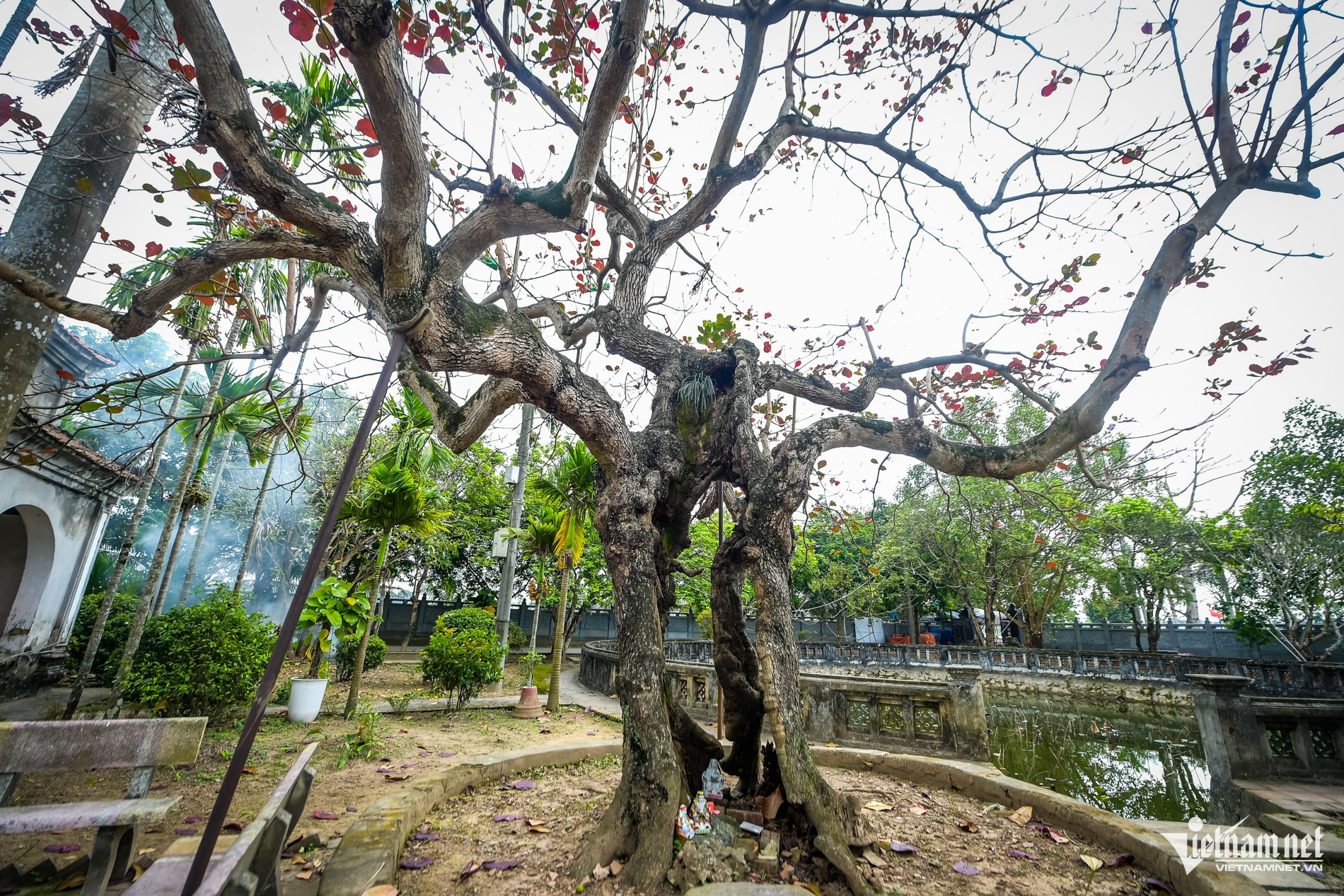
Beyond the two centuries-old muom trees, the pagoda grounds also host many other ancient trees.
Among them is a more-than-100-year-old almond tree that, despite having a hollow trunk, remains vibrant and full of green foliage.
Tree planting at Pho Minh Pagoda, the abbess shared, not only enhances the landscape but also preserves a tranquil space that remains close to nature and true to the spirit of the temple.

Trong Tung
.svg)
