 Vietnamnet.vn

 Podcast



2025 may go down as one of the most vibrant years for Vietnam’s film industry since the post-pandemic recovery. Domestic films flooded theaters, box office revenue soared, and several titles sparked powerful public reactions.
Yet beneath this banner year lies a story of growing disparity - one that demands Vietnamese cinema be evaluated not only by revenue, but also by narrative quality, market endurance, and the long-term viability of diverse film genres.
Cinema Law 2022 and its impact on theatrical film production

“Dia Dao” (The Tunnel) was released during the A50 holiday period with a T16 age rating. Photo: Film producer
The enforcement of Vietnam’s 2022 Cinema Law beginning in 2023 helped shape a relatively comprehensive legal framework for film production and distribution. Regulations concerning producer responsibilities, audience age classification, and licensing procedures gave studios more clarity and autonomy during project development. This, in turn, reduced legal risks during the distribution stage.
By 2025, most filmmakers had incorporated the new law from the scripting phase, tailoring content to match the appropriate classification. This proactive approach enabled a wide range of topics - family, society, history - to be explored and released with fewer regulatory hurdles.
However, not all adaptations to the law were smooth. Some studios opted for overly cautious portrayals, fearing controversy even when classification allowances could have accommodated bolder storytelling. This self-censorship diluted artistic depth and thematic variety. Others delayed legal compliance until post-production, requiring costly edits after classification review, which disrupted release schedules.
These challenges underscore a continuing gap between policy intent and practical application, even three years after the law and its accompanying classification guidelines took effect.
From a regulatory standpoint, the Cinema Law has provided a much-needed foundation for Vietnam’s film sector. But for this framework to truly nurture the industry, filmmakers must deepen their legal understanding while authorities refine and clarify supporting regulations in line with creative realities.
Box office booms in 2025, but market imbalance persists

“Mua Do” (Red Rain) broke box office records with over $28 million in ticket sales. Photo: Film producer
By all accounts, 2025 was a record-setting year for Vietnamese cinema in terms of ticket sales. According to Box Office Vietnam and media reports, the national box office reached approximately $240 million, with local productions commanding 61.4% of market share.
These figures reflect expanding audience engagement and more efficient commercial strategies by some producers. Yet a closer look reveals that much of this growth stemmed from a few films that benefited from strong branding, strategic releases, and robust media campaigns.
In contrast, many films - despite careful production and artistic merit - had brief theatrical runs and dismal earnings. The stark discrepancy shows that the 2025 market followed a “concentrated growth” model: a handful of hits lifted the overall numbers, while others were quickly sidelined.
This dynamic creates an illusion of industry-wide prosperity when in fact, opportunities remain unevenly distributed. The widening gap between blockbusters and smaller films points to systemic imbalances across the value chain - from production to release.
From an industry development perspective, this pattern demands a sober assessment. While revenue growth is necessary, it alone does not signal sustainable advancement. A truly robust market must support diverse genres, foster artistic experimentation, and create space for emerging producers and long-term creative visions.
Rethinking the link between earnings and quality
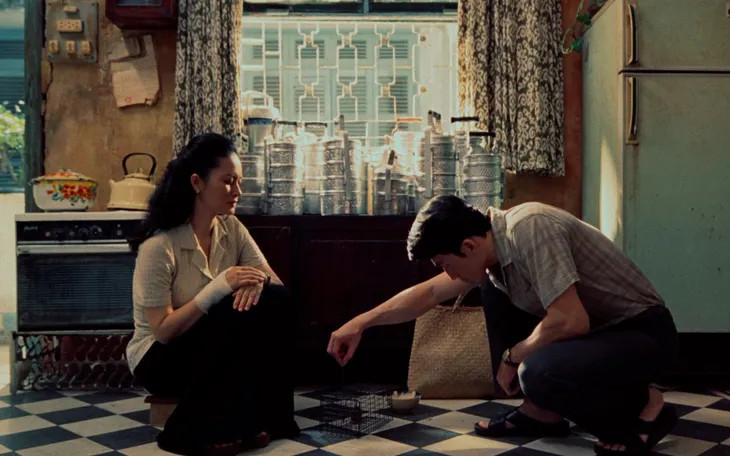
The performance of 2025’s top-grossing films makes one thing clear: commercial success can indeed align with professional quality. Several hits resonated with audiences not just through savvy marketing, but also through solid storytelling, tight pacing, strong acting, and cultural relevance.
That said, a portion of commercial cinema continues to rely on formulaic storytelling, aiming for emotional quick wins rather than artistic innovation. This short-term focus threatens to narrow Vietnam’s cinematic language and stifle creativity.
Conversely, films praised for their artistic vision and experimental styles faced clear disadvantages in distribution. Without targeted release strategies or alternative platforms, these works struggled to reach audiences - despite high production values and compelling content. Their struggles reflect not individual shortcomings, but a lack of balance in market infrastructure.
From a policy perspective, reducing cinema to a revenue game risks locking the industry into a loop of safety and repetition. Yet completely decoupling artistic cinema from market mechanisms also threatens its viability.
The real challenge lies in creating an environment where commercial and artistic goals can co-exist. Vietnamese cinema must be seen not only as a cultural asset, but also as a creative industry - one that requires thoughtful regulation, long-term investment, and deliberate coordination among stakeholders.
Only by balancing profitability, artistic depth, and public interest can Vietnamese cinema evolve into a sustainable, diverse, and distinctive cultural force in the years to come.
Ly Phuong Dung
.svg)
