 Vietnamnet.vn

 Podcast



A journey that began over 30 years ago
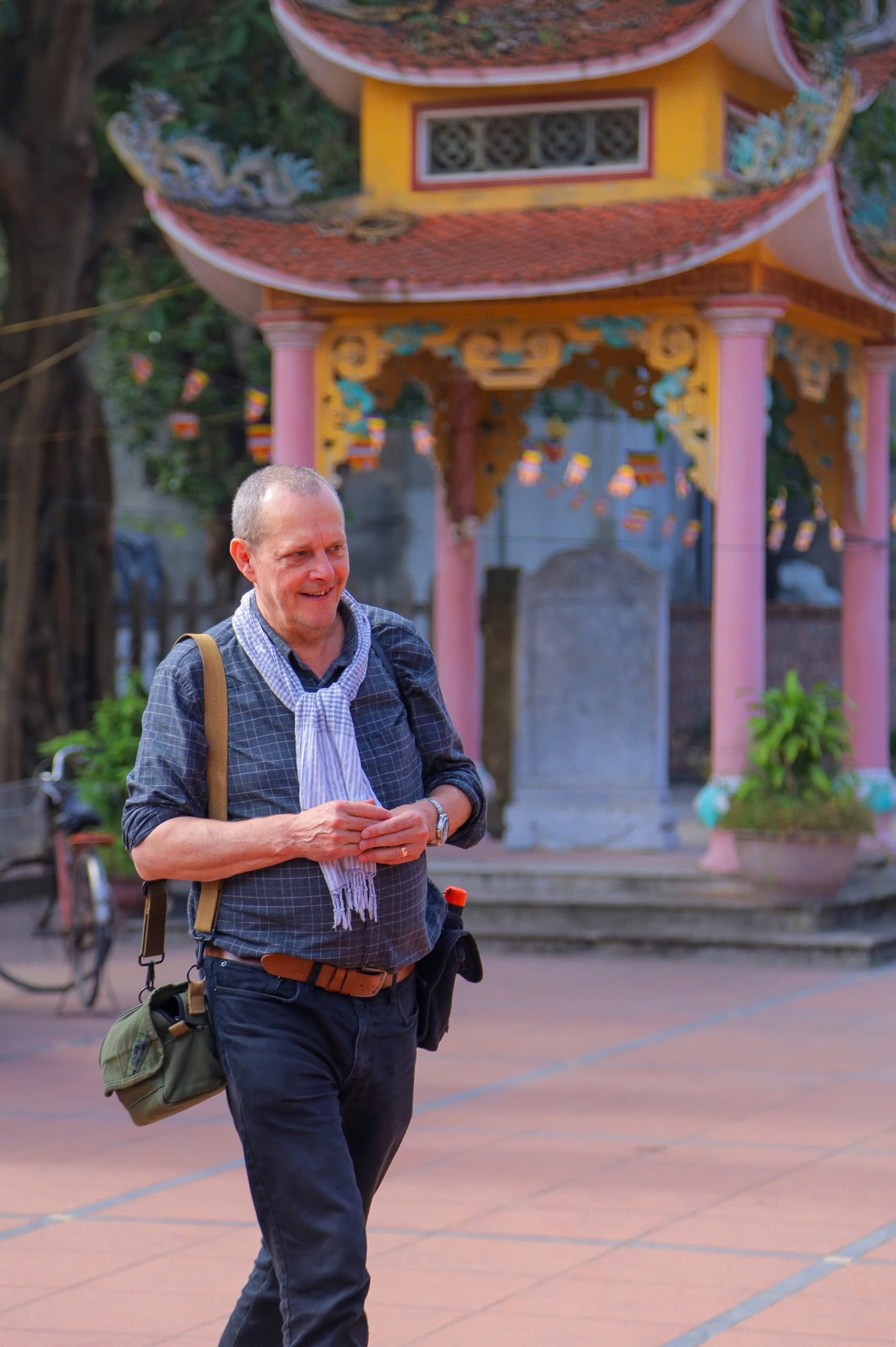
Now 64, Andy first arrived in Vietnam in late 1992, intending to stay for just one month to document what he described as a “small but resilient” nation.
At the time, Vietnam was still struggling with poverty and limited infrastructure. Yet he quickly felt a deep connection with its people - warm, open, resilient, and forward-looking.
“After one month, I extended my visa by another three and a half months to explore the country more thoroughly. During that time, I met a Vietnamese woman who later became my wife.
After returning briefly to the UK, I came back to Ha Noi in 1993 and stayed until 1999. I worked for several major international newspapers and news agencies, got married, and had two sons,” he recalled.
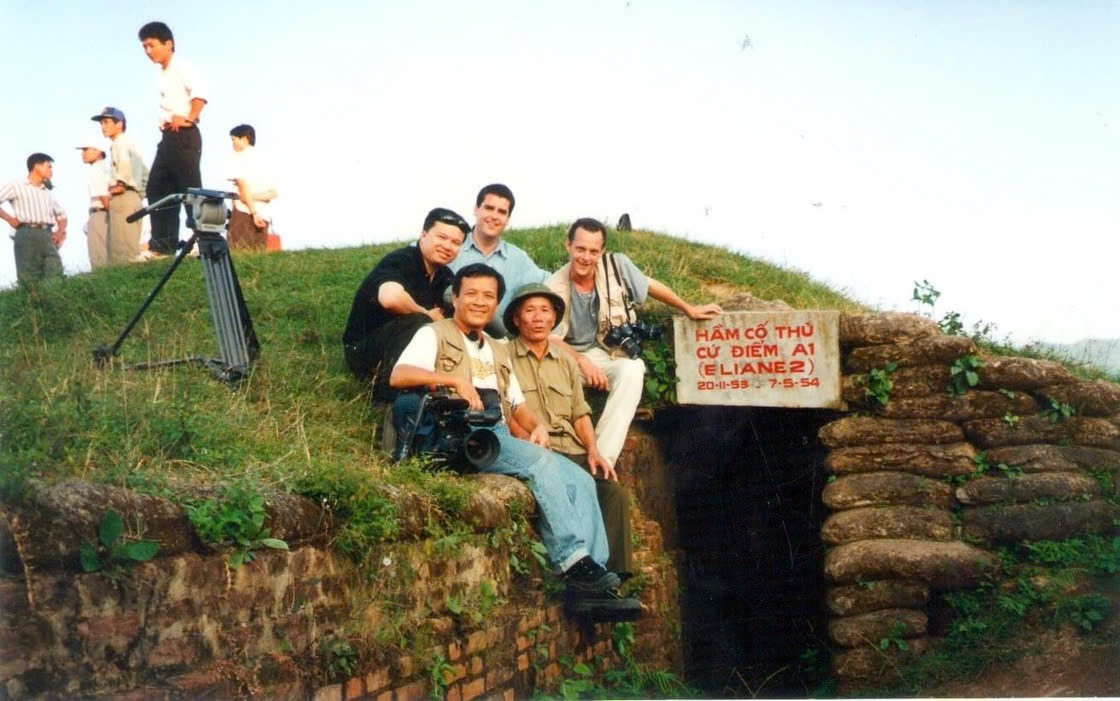
From Hanoi, driving a UAZ469, he traveled through Bac Ninh, Lang Son, and Quang Ninh, then on to remote villages in Lao Cai, Lai Chau, Dien Bien, and Son La. He crossed thousands of kilometers of rough terrain along central Vietnam, navigating makeshift ferries and damaged bridges before reaching the Central Highlands.
Travel at the time was extremely difficult. Journeys that now take a few hours could stretch into an entire day. Many places had no electricity, with only dim oil lamps lighting the night.
He vividly remembers the road to Dong Van, where steep slopes and jagged rocks made the journey arduous. “In the 1990s, I may have been one of the few foreigners to reach that area. The journey was harsh, but the landscape was unforgettable,” he said.
These hardships allowed him to closely observe and deeply understand local life.
“I passed through villages, factories, hospitals, schools, and mines, meeting farmers, workers, and local officials. I documented everyday moments - meals, work, and cultural life among ethnic communities.”
The images and film rolls from those years have remained a treasured archive for more than three decades.
He also recalls contracting severe malaria during a trip in 1993. Local doctors treated him under extremely limited conditions. “They were truly skilled and dedicated. I made a full recovery and only paid US$5, a very small amount,” he said.
A search for familiar faces from the past
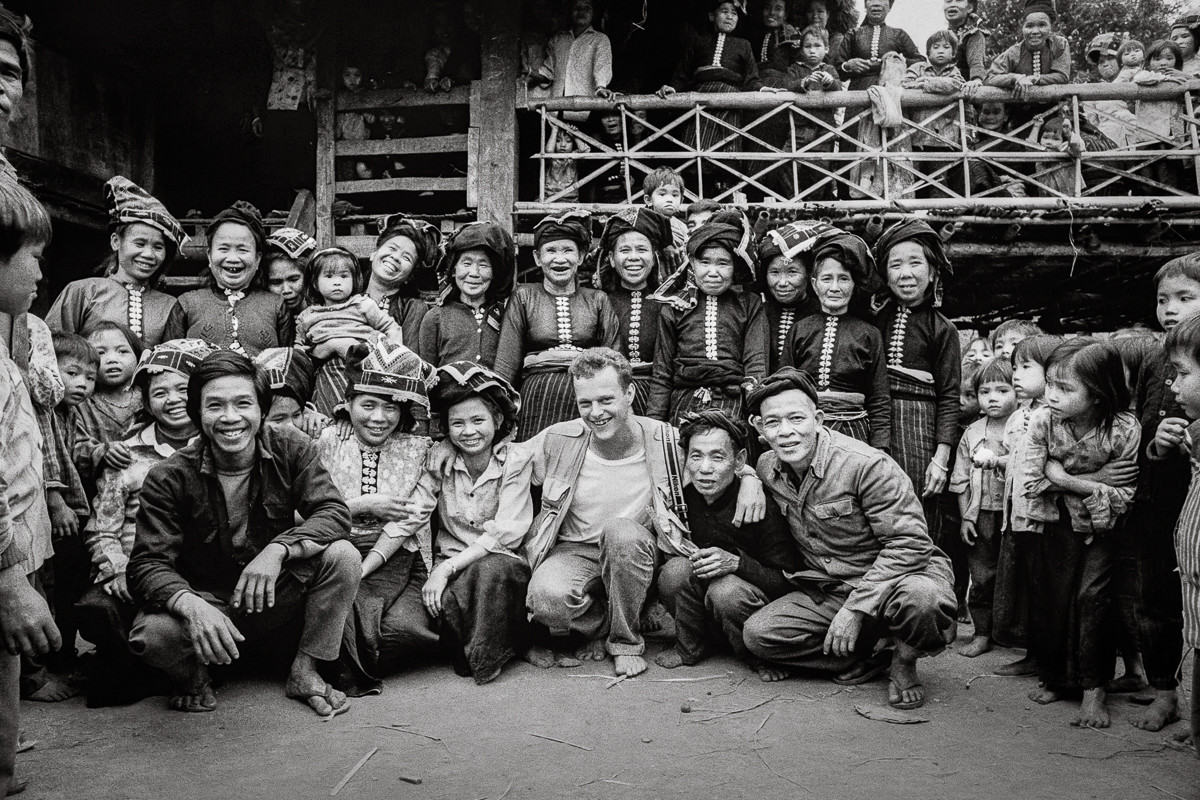
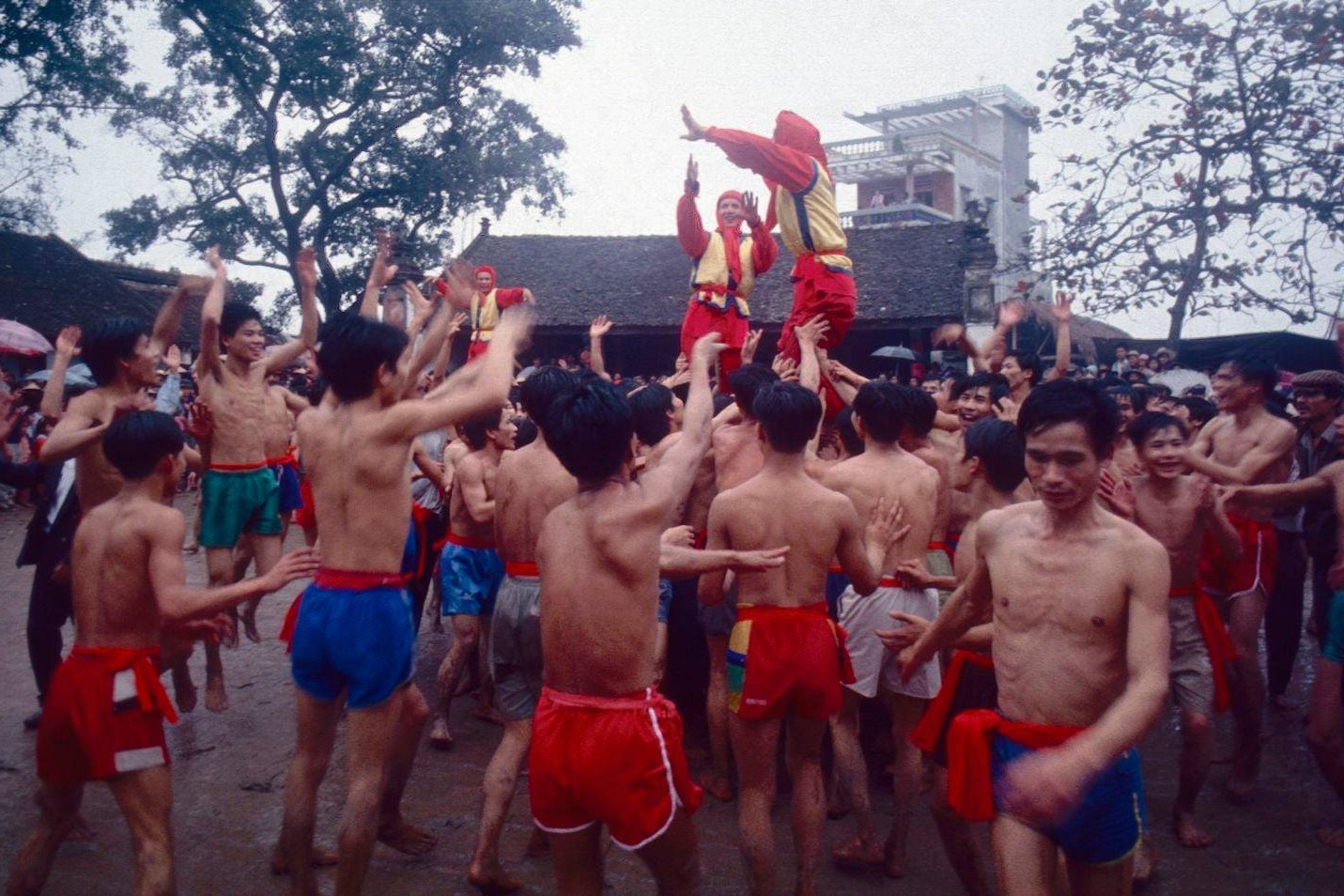
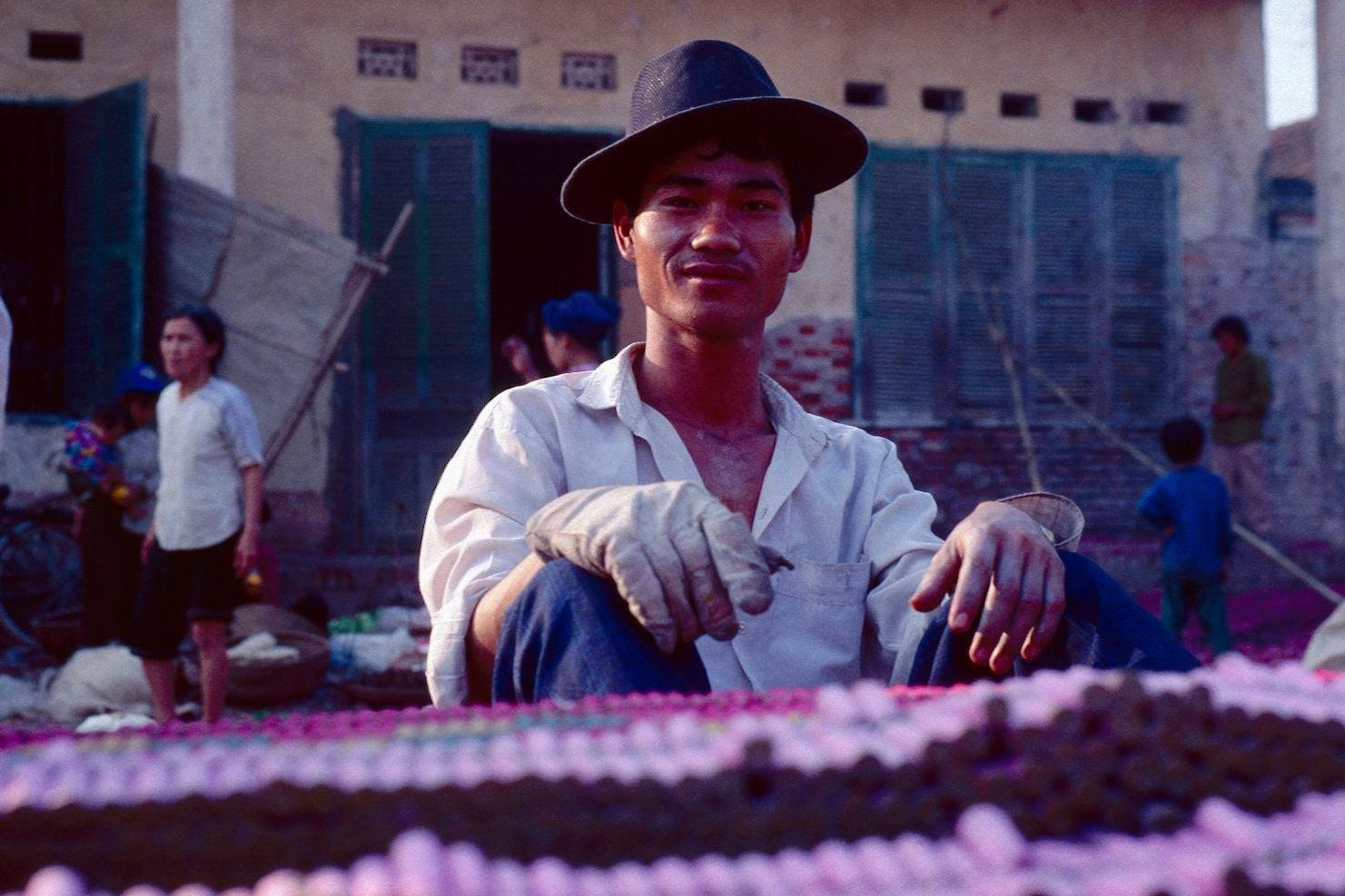
During the COVID-19 period, Andy began revisiting his old photographs from Vietnam and sharing them on social media. Many quickly spread, with people recognizing relatives in the images.
This sparked the idea for him to return to Vietnam and search for the individuals captured in those photographs. He calls the project “Continuum”, a continuation of past and present.
He hopes to return the photos to their subjects, allowing them to see themselves in their youth or reconnect with cherished memories.
Between 2022 and 2024, Andy returned to Vietnam, traveling with his wife by motorbike. Using old diary notes, he retraced his steps through villages in the Central Highlands, northern mountains, Hanoi, and the Red River Delta.
The search proved challenging. Many locations had changed dramatically, while the information he had recorded decades earlier was often limited.
“I was overwhelmed by Vietnam’s transformation. Dirt roads have become highways. Rural areas have grown into bustling towns with modern buildings and infrastructure,” he said.
To improve his search, he also turned to social media to connect with local communities.
By the end of 2025, he had successfully found 57 individuals, resulting in 57 paired works comparing past and present, which he presented in his solo exhibition “Continuum: Vietnam”.
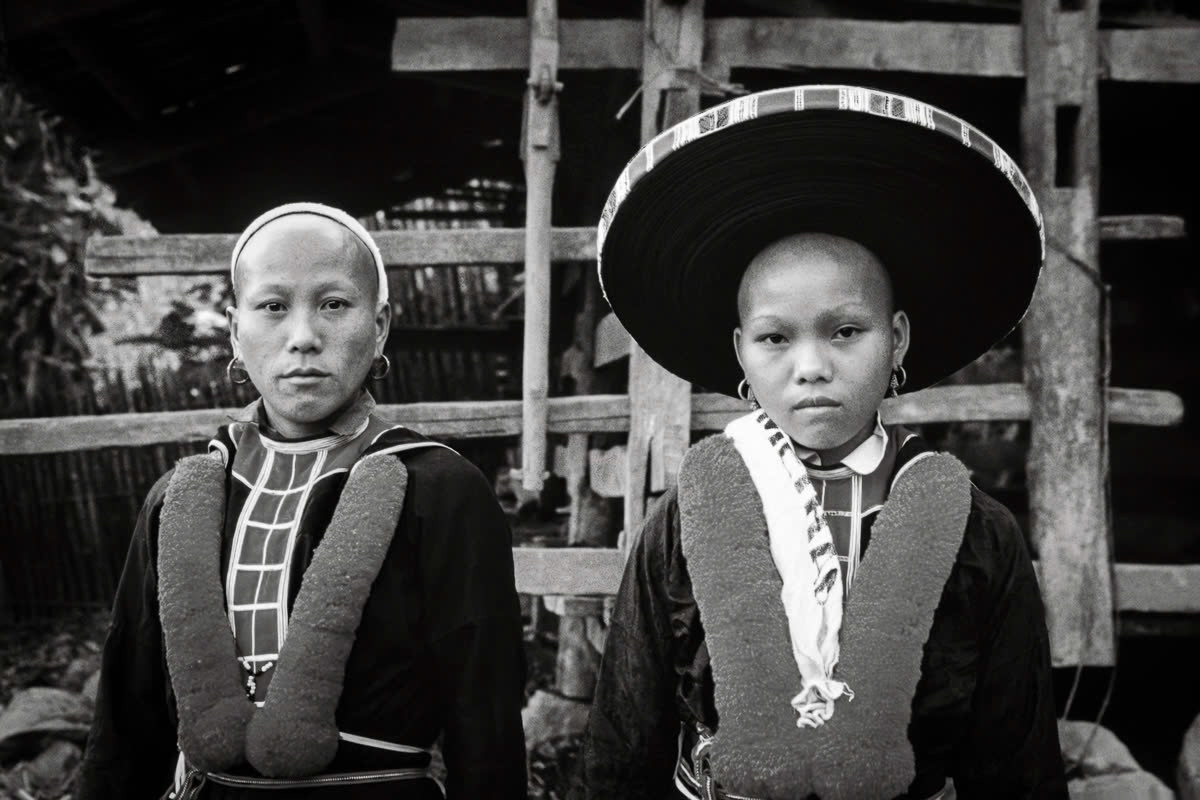
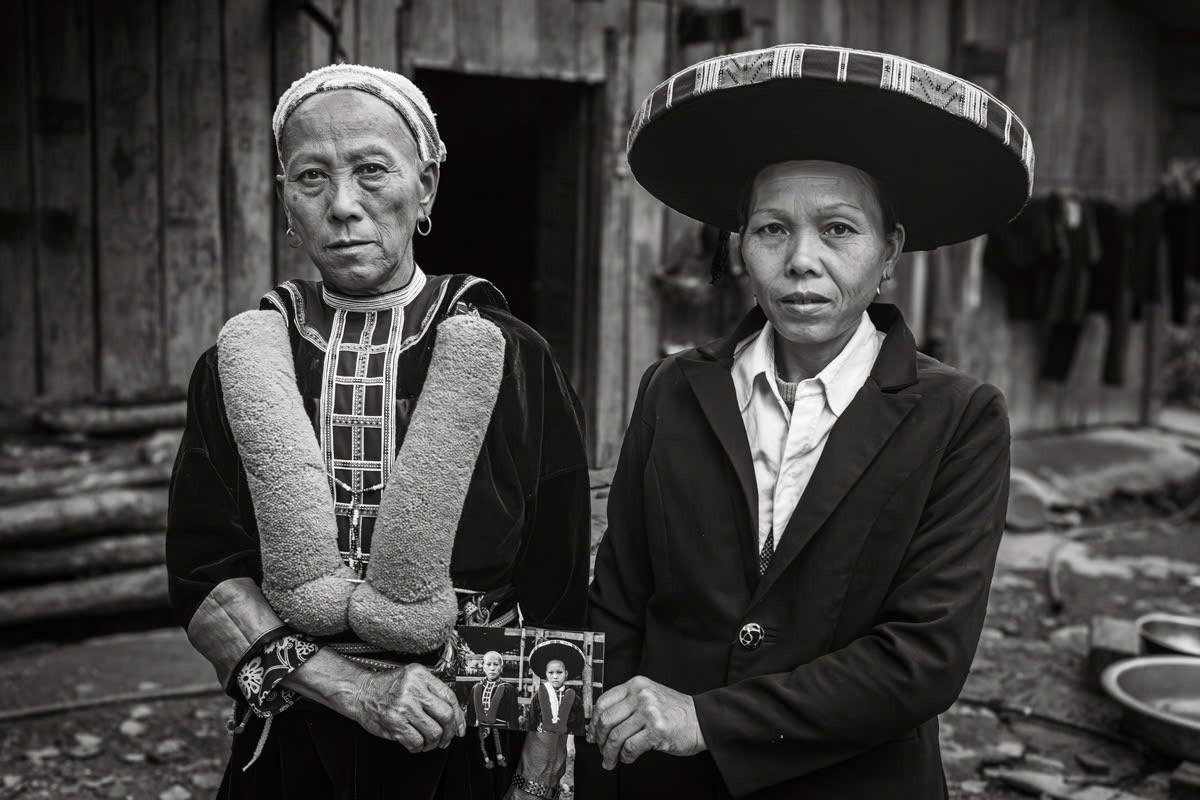
The exhibition features new black-and-white portraits of the subjects - or their descendants - displayed alongside archival images from over 30 years ago. Andy believes this approach helps viewers focus on people rather than be distracted by color.
Some subjects did not immediately recognize themselves and needed days to believe the photographs. Others were deeply moved upon seeing their younger selves for the first time.
In 2025, Andy located a Red Dao woman surnamed Ly in a remote village in Cao Bang - someone he had photographed in 1992. Her daughter, also in the original image, had since married and moved deeper into the forest.
The 66-year-old woman later guided him on a 3km walk into the forest to reunite with her daughter, where they recreated the photograph after 33 years.
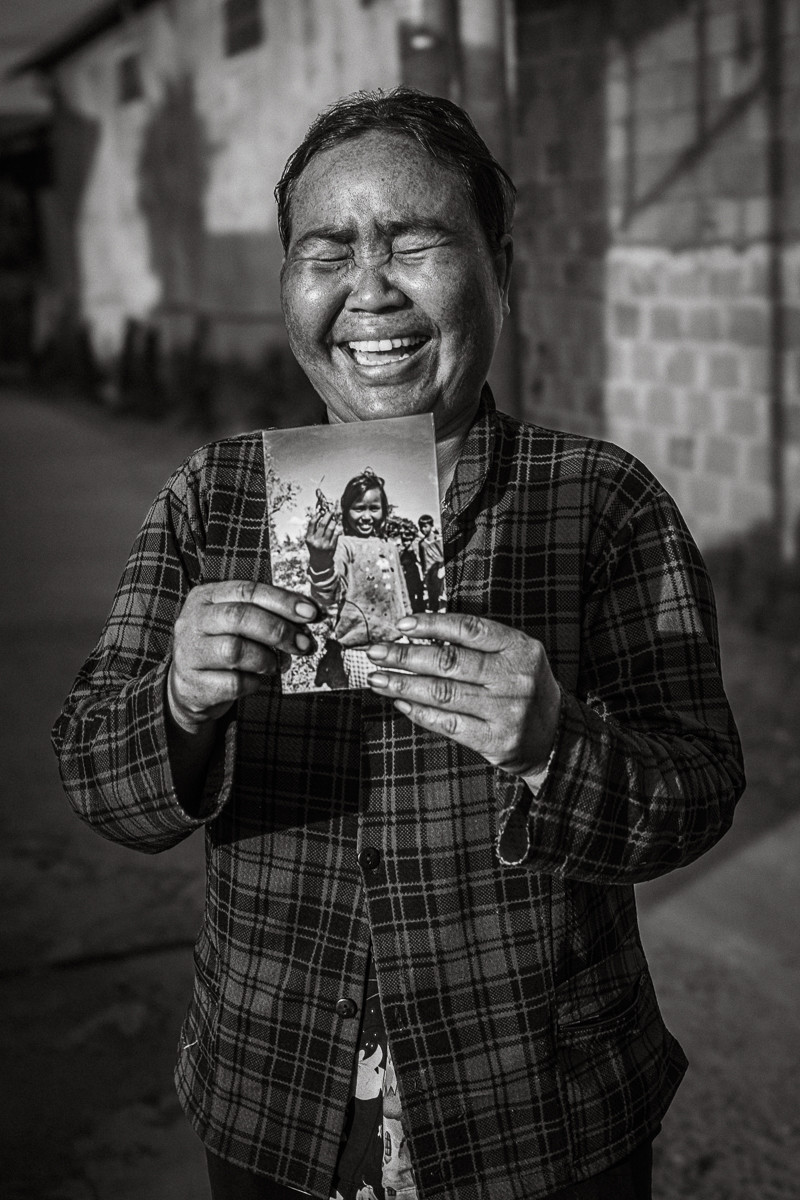
In another case, Andy had captured a young girl playing with a grasshopper near a rong house in the Bahnar village of Kon Ro Bang II (Kon Tum, now Quang Ngai) in 1992. When he returned, the village had transformed into a bustling area with rows of concrete houses.
After persistent searching, he found the girl, now 42. She held the childhood photograph with visible emotion.
According to Andy, these moments reveal that photography is not just about images but about building deep emotional connections between people.
Returning to Vietnam, he sees a country changing rapidly, achieving remarkable development, yet retaining the same warmth and openness among its people.
He plans to return each year for four to five months to continue the project, while also preparing a new exhibition in Hanoi and a book documenting his journey spanning more than three decades.
Khanh Linh - Trong Nghia
.svg)
