 Vietnamnet.vn

 Podcast



“You came to us as a traveler, but you leave as a hero… A part of you will remain here forever, breathing and living on this land.”
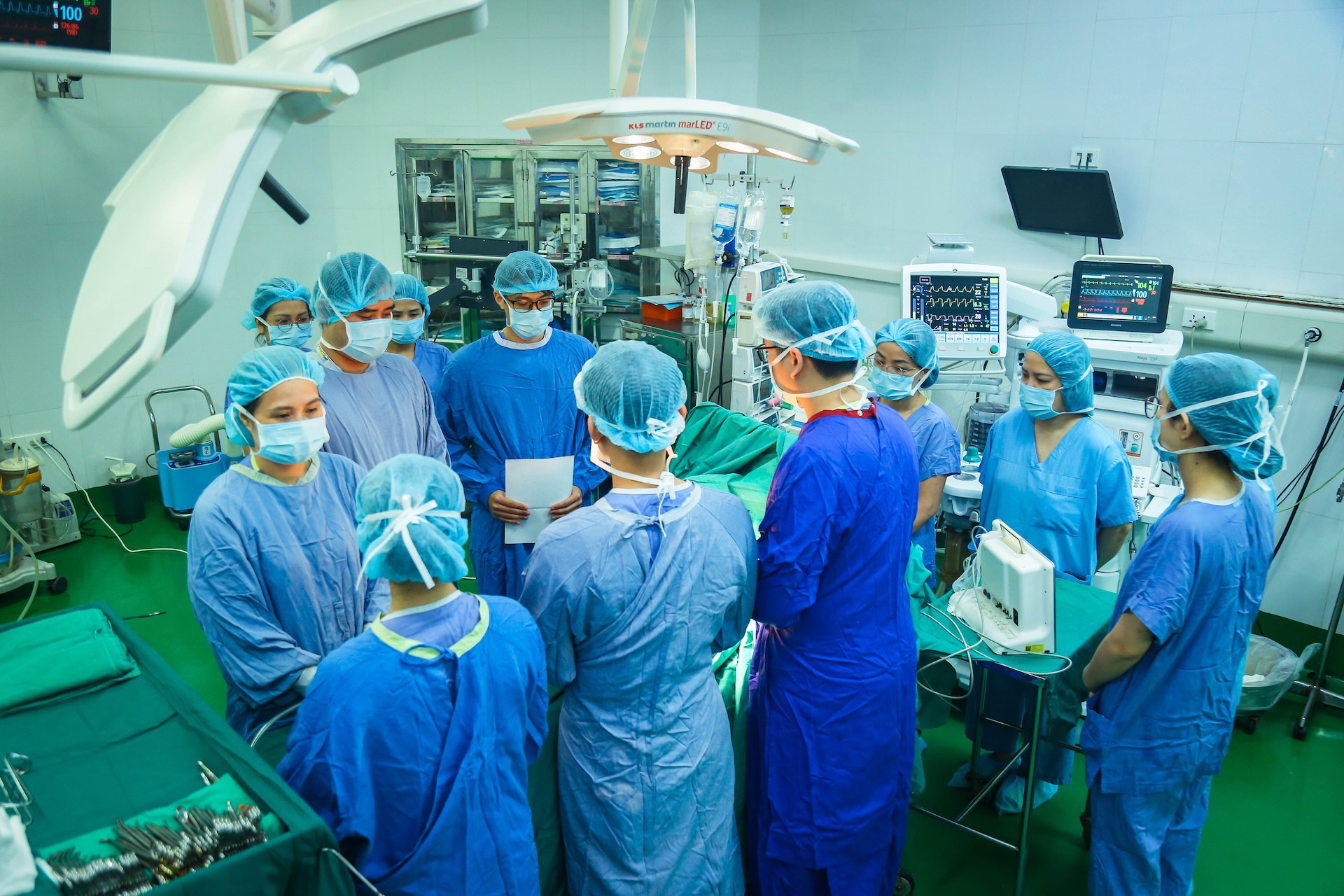
The young doctor’s voice trembled as it echoed through the operating room, each word carrying a quiet weight of gratitude and farewell.
At the Center for Anesthesia and Surgical Intensive Care of Viet Duc Friendship Hospital in early April, the atmosphere was solemn. The steady rhythm of life-support machines continued, yet more than ten doctors stood in silence around the operating table, heads bowed in tribute.
They were saying goodbye to a 19-year-old British girl, identified as O.S.W., who had just given the ultimate gift - her organs - to save three Vietnamese patients.
A journey that ended too soon
At the end of March, after completing her secondary education, O.S.W. chose Vietnam as a destination to explore with friends.
A sudden accident brought her journey to an abrupt and devastating end.
She was transferred to Hanoi in critical condition. Despite the tireless efforts of doctors, her severe brain injury proved irreversible. On April 2, she was declared brain dead.
A decision beyond grief
Faced with unimaginable loss, her parents made a decision that transcended their pain.
They chose to donate their daughter’s organs.
At her bedside, in the final moments before she was taken into surgery, they held her face, clung to her shoulders, as if trying to hold on to the warmth that was slipping away. They whispered words of love, unfinished dreams - and pride.
“If she could choose, she would want to give others a chance to live,” her father said quietly.
For them, there was no greater gift than allowing life to continue.
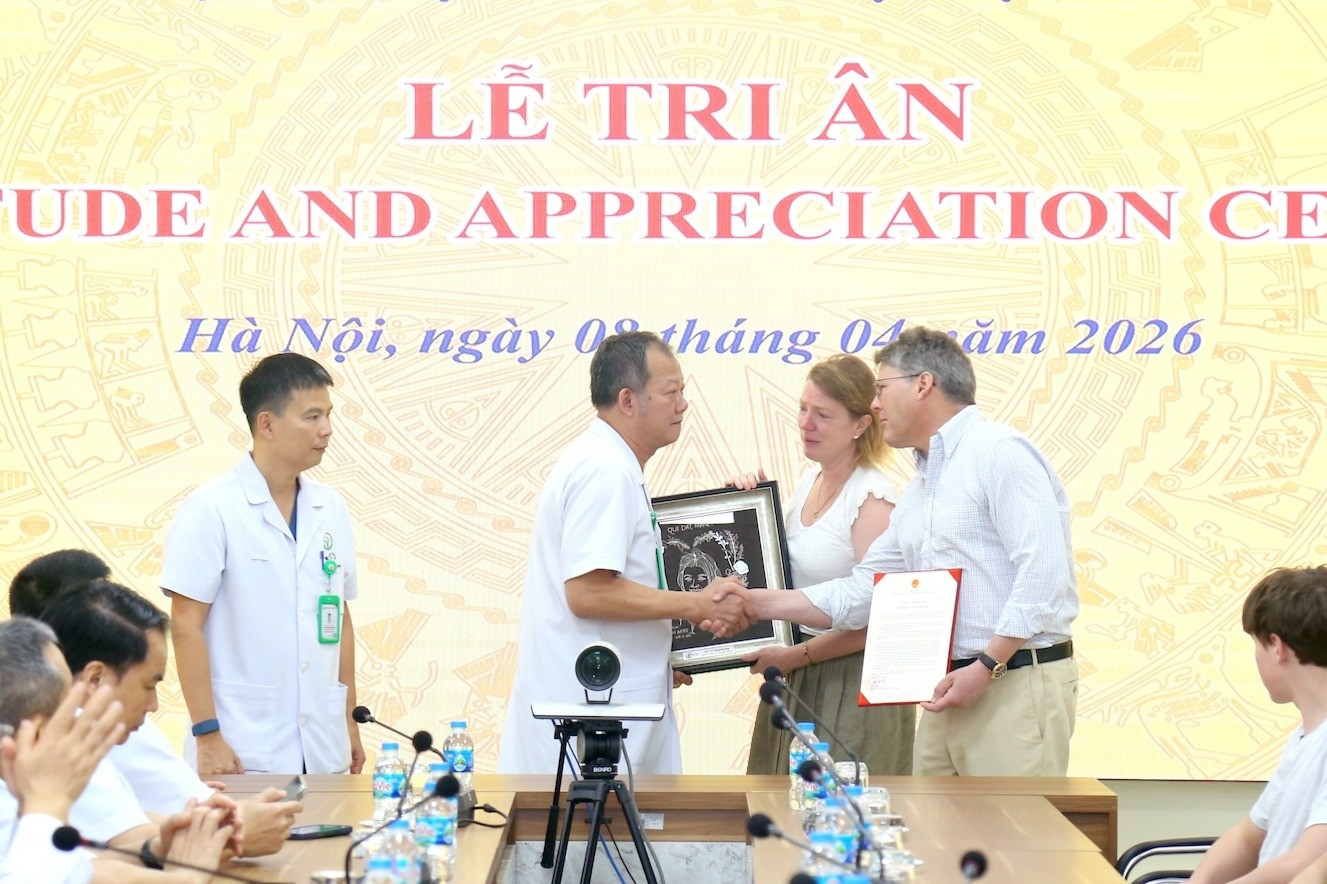
At a tribute ceremony on April 8, Associate Professor Duong Duc Hung, Director of the hospital, expressed deep admiration.
He described the family’s act as a profound expression of humanity - one that rose above nationality, culture and belief. In their darkest moment, they chose to give.
Lives reborn
From that decision, three lives were saved.
A patient with liver failure and two others suffering from kidney failure received transplants made possible by her donation.
“All recipients are recovering and will soon return to their normal lives,” Dr. Hung shared.
It is also the first time a foreign donor has successfully donated organs at the hospital.
In a recovery room on the morning of April 8, a 53-year-old man who had been on the brink of death from severe liver disease met the parents of his donor.
Unable to speak English and overwhelmed with emotion, he embraced them.
Beyond words of gratitude, he made a promise - to care for the part of their daughter now living within him, to honor the meaning of their sacrifice.
Her heart has stopped, but her journey in Vietnam continues.
In a distant land, she now has new “families,” new lives intertwined with hers.
Her story lingers not only in the bodies she saved, but in the quiet belief that compassion, at its purest, knows no borders.
Vo Thu
.svg)
