 Vietnamnet.vn

 Podcast



The journey of organ transplantation in Vietnam is a collective effort to extend life and rekindle hope for thousands of patients.
From distant dream to proud achievement
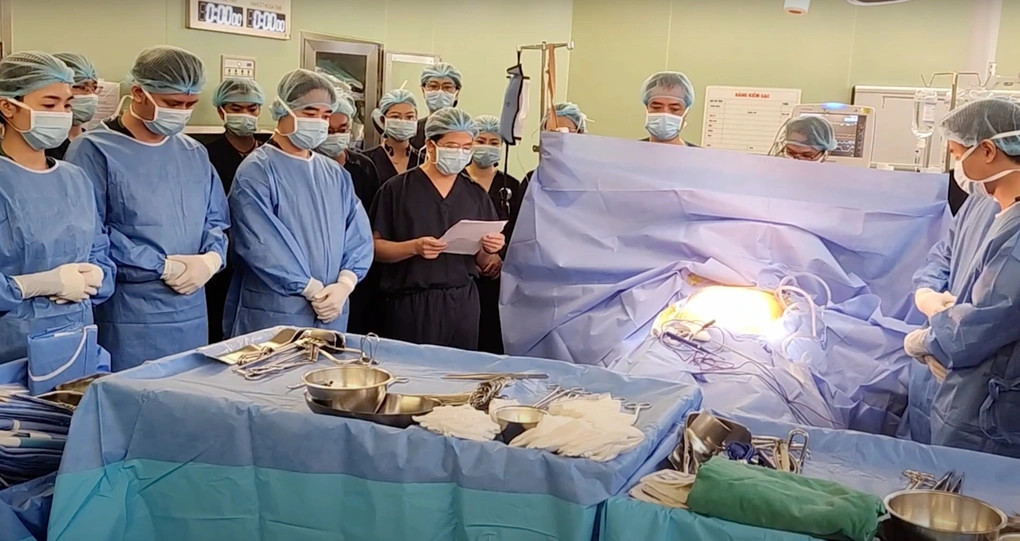
Though starting roughly two decades behind many developed countries, Vietnam’s transplant field is now achieving milestones that inspire pride within the medical community. More than 30 years after the country’s first kidney transplant in 1992, the specialty has entered a phase of strong growth in both technical mastery and nationwide coordination capacity.
According to the National Coordinating Center for Human Organ Transplantation, nearly 10,000 organ transplants have been performed to date. Between 2022 and 2024 alone, more than 1,000 transplants were carried out annually at 31 hospitals, making Vietnam the leading country in Southeast Asia in terms of transplant volume.
For three decades, from 1992 to 2021, Vietnam was not recorded on the international organ donation and transplant map. In 2022, it was officially included in global statistics for the first time, marking a pivotal transformation.
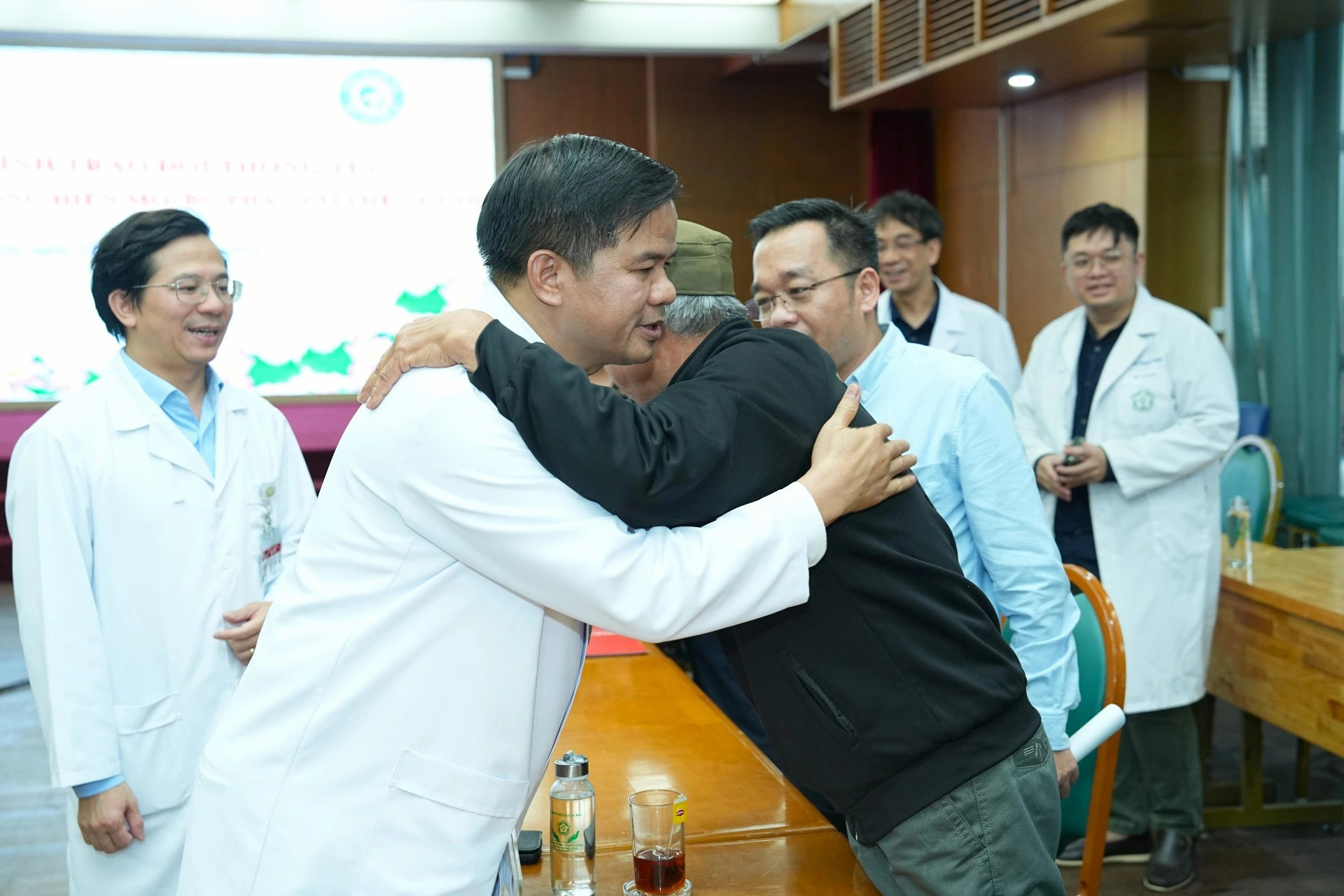
Associate Professor Dao Xuan Co, Director of Bach Mai Hospital, shared that few specialties evoke as much emotion and compassion as transplantation. For patients with end-stage kidney failure who depend on dialysis, the moment a newly transplanted kidney begins producing urine before the abdomen is even closed feels “like a miracle.” It is a fragile intersection where medicine touches the boundary between life and death.
One particularly moving donation and transplant took place on the night of February 22, the sixth day of the Lunar New Year. A young man suffered a ruptured cerebral vascular malformation, and in their grief, his family agreed to donate multiple organs.
The national coordination system was immediately activated, accessing the transplant waiting list to identify suitable recipients. Within hours, medical teams from Ho Chi Minh City and several other hospitals arrived at Bach Mai Hospital to carry out organ retrieval and transplantation procedures.
The donated heart was urgently transported to Ho Chi Minh City amid heavy post-holiday traffic. Thanks to coordination with police and aviation authorities, six hours after leaving Hanoi, the heart began beating again in the chest of an 11-year-old child. That same night, hundreds of medical professionals from seven hospitals worked tirelessly.
By the following morning, eight lives had been saved. A 64-year-old man with chronic obstructive pulmonary disease received a lung transplant and could breathe freely again. The donated liver was split in two, saving a 23-month-old child and a patient with decompensated cirrhosis caused by hepatitis C who had waited more than a year.
Associate Professor Dao Xuan Co reflected that two decades ago, when he was studying in the US, such achievements were only dreams. Today, Vietnamese surgeons not only perform heart, liver and lung transplants but also master advanced techniques such as liver splitting and are moving toward lung splitting - procedures that demand high-level expertise and flawless coordination.
Accelerating in technique and coordination
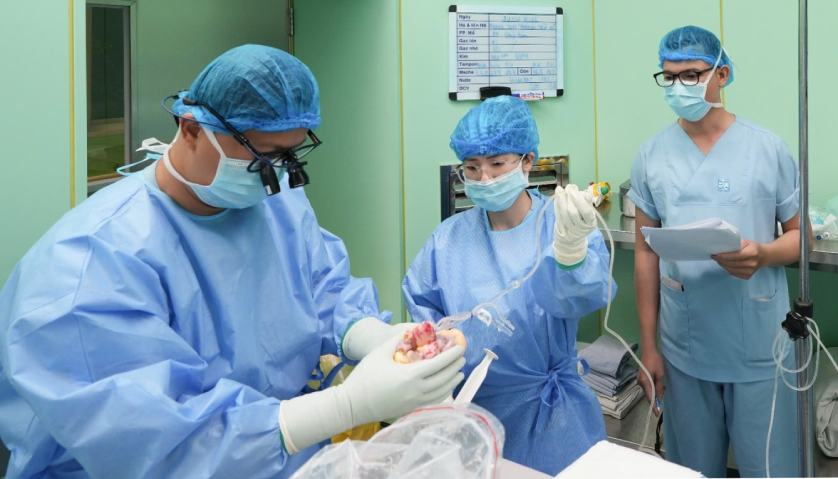
Associate Professor Dong Van He from the National Coordinating Center for Human Organ Transplantation said Vietnam has now mastered transplantation of six solid organs: kidney, liver, heart, lung, pancreas and intestine.
Kidney transplants account for the largest share, with nearly 9,000 cases performed. More than 750 liver transplants and over 120 heart transplants have been conducted, while lung and complex multi-organ transplants are increasing steadily.
Post-transplant survival rates are high: 90-95 percent for kidney, 80-90 percent for liver and 85-90 percent for heart transplants. Many kidney recipients have gone on to conceive and give birth, and some transplanted organs have functioned for 25 to 30 years before requiring replacement.
In 2025, Vietnam marked another historic milestone by successfully performing its first simultaneous heart-lung transplant, joining the limited number of countries capable of mastering such a complex procedure.
These successes stem not only from surgical skill. According to Dr. Tran Cong Duy Long, Head of the Hepatobiliary Oncology and Liver Transplant Unit and Deputy Head of the Hepatobiliary and Pancreatic Surgery Department at University Medical Center Ho Chi Minh City, transplantation represents the convergence of multiple specialties: surgery, anesthesia and resuscitation, intensive care, diagnostic imaging, laboratory medicine, infection control, pharmacy and rehabilitation, alongside the coordinated efforts of administrative departments.

Whenever news of organ donation emerges, the entire system operates like a “life-saving machine.”
Associate Professor Dao Xuan Co emphasized that Vietnam has built a closed-loop organ donation and transplantation chain, from brain death diagnosis and national coordination to organ preservation, transport, simultaneous transplantation at multiple centers and long-term post-transplant follow-up. Increasingly effective inter-hospital and inter-regional collaboration helps optimize donated organs and improve recipients’ quality of life. Recipients are randomly selected through the national system.
Though entering the field two decades after many developed countries, Vietnam’s determination, synchronized legal framework and growing spirit of community compassion are helping narrow the gap and gradually affirm the nation’s position on the regional and international medical map.
Looking ahead, Associate Professor Dao Xuan Co believes that expanding communication about the humanitarian meaning of organ donation will help dispel the notion that the body must remain intact after death. With a stable donor source, transplant medicine can save even more lives.
Phuong Thuy
.svg)
