 Vietnamnet.vn

 Podcast



A stretch of river once depleted by intensive fishing has been given a second life in Ngam Village, Son Dien Commune in Vietnam’s north-central province of Thanh Hoa.
Residents agreed to protect its fish through a community fishing ban. Today, the restored river has become an unusual visitor experience, bringing tourists and new livelihood opportunities to the mountain village.
From a fishing ban to a community commitment
Luong Van Duan, secretary of Ngam Village’s Communist Party cell, said the village lies along the Luong River and is home to nearly 120 Thai ethnic minority households.
In the past, residents relied mainly on farming, forest-based livelihoods and fishing. Widespread harvesting, however, gradually depleted natural fish stocks.
Realizing that destructive fishing practices could eventually exhaust the river’s aquatic resources, Duan worked with village elders and the local management board to organize a community meeting on how to protect the river.
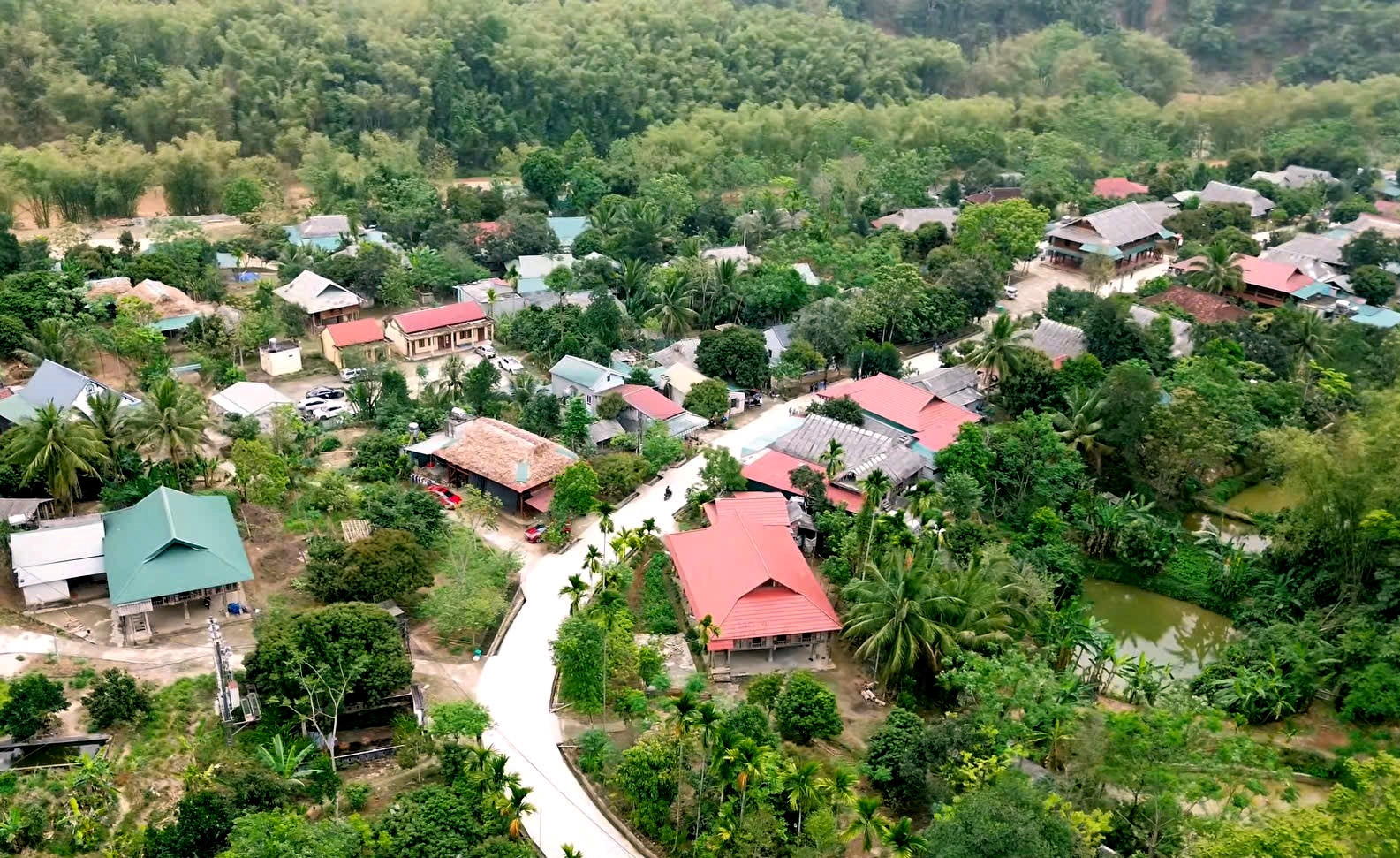
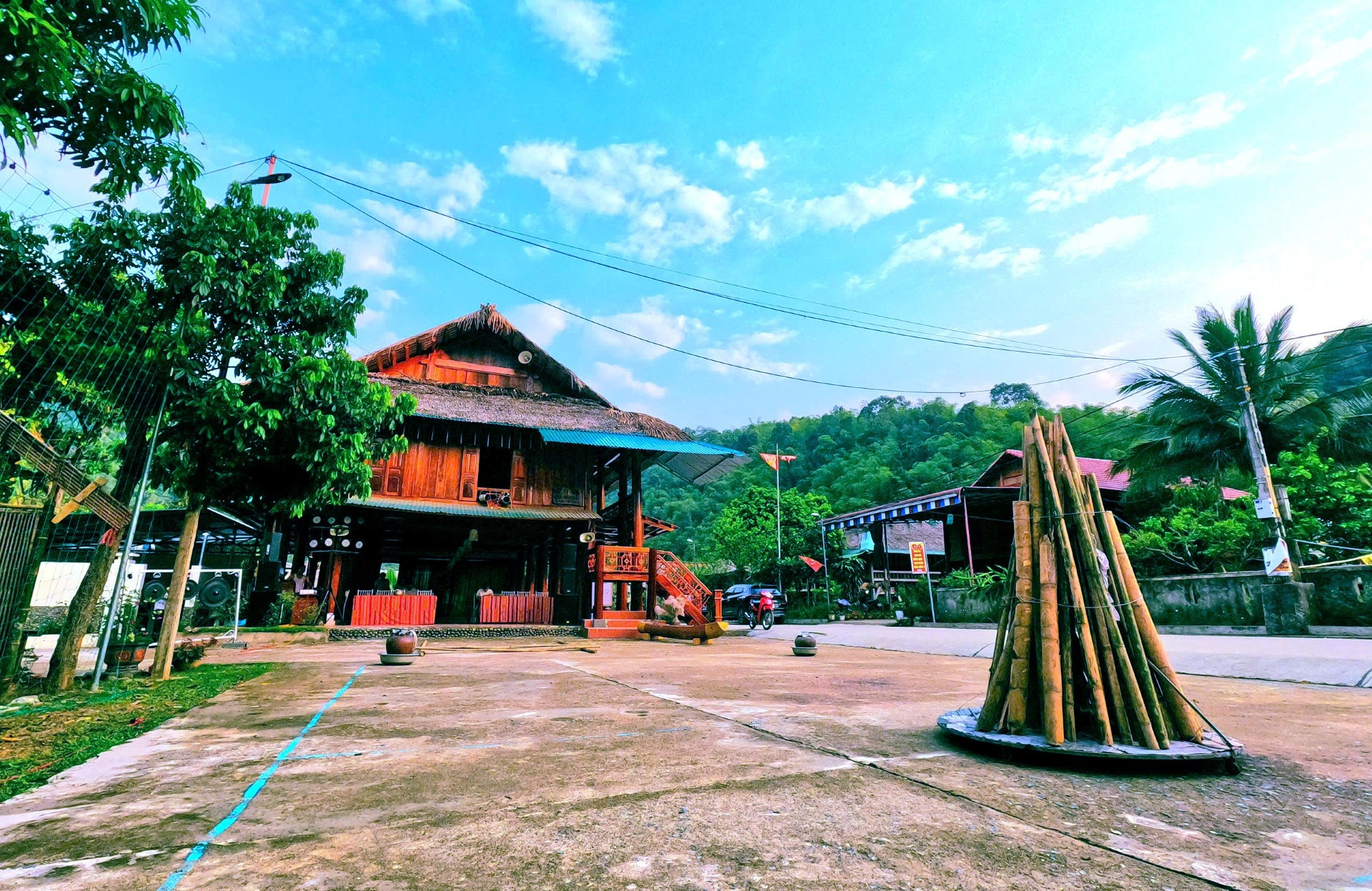
A view of Ngam Village in Thanh Hoa Province. Photo: Van Duan
Residents unanimously agreed to establish a rule prohibiting fishing along a three-kilometer stretch. Anyone violating the agreement would face penalties under village rules.
“In the early days, some people still couldn’t give up the habit of fishing,” Duan said. “Someone returning from the forest might take a net down to the river and fish inside the protected area.” “We kept explaining and reminding people that protecting the fish wasn’t simply about preserving a natural resource. It was also about protecting a long-term livelihood for the entire village.”
According to Duan, there were cases in the early days when residents were caught fishing in the prohibited zone. After being reminded of the rules, violators acknowledged their mistake and asked to be forgiven.
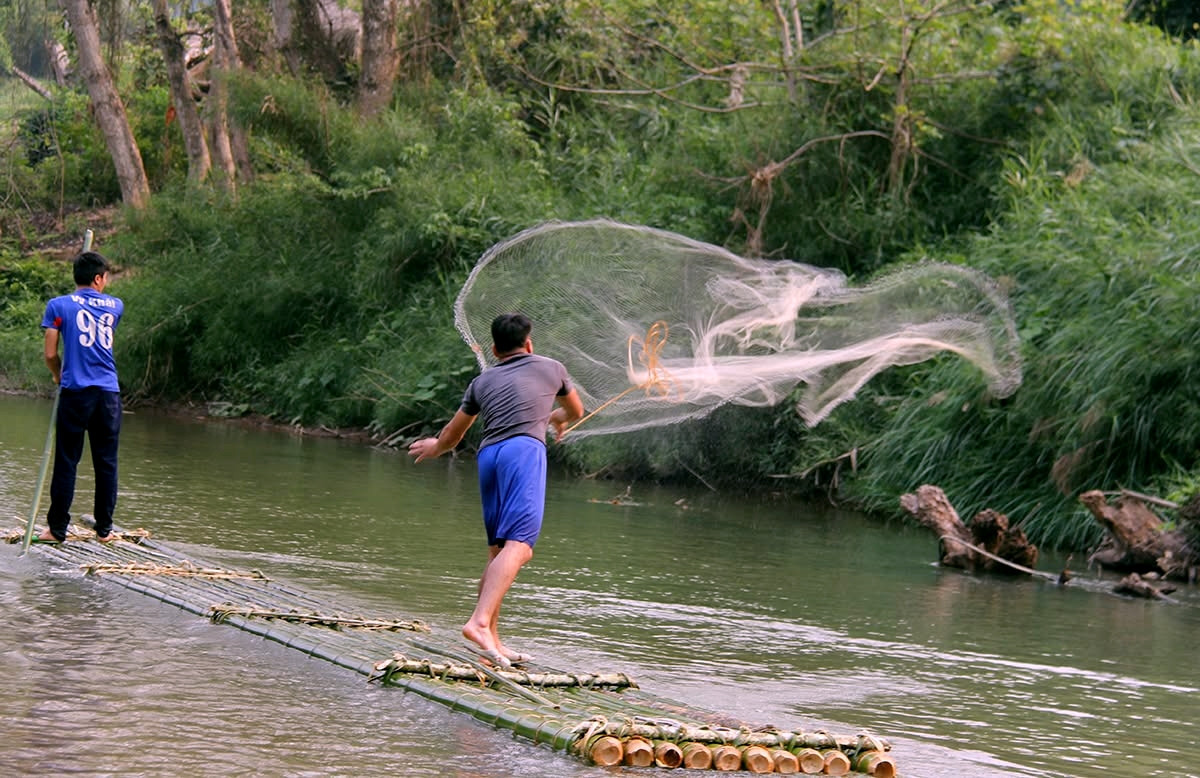
Over time, protecting the river’s fish became a shared responsibility across the community.
Duan said villagers now organize fishing only during festivals and Lunar New Year celebrations for communal purposes. Only larger fish are taken, while smaller ones are released back into the river.
Destructive fishing methods such as electric shocks and explosives are strictly prohibited.
After years of protection, fish stocks in the Luong River have recovered noticeably, with a growing variety of native species appearing in its waters.
Encouraged by the recovery, Ngam residents agreed to expand the protected section from the original three kilometers to four.
A local specialty draws visitors
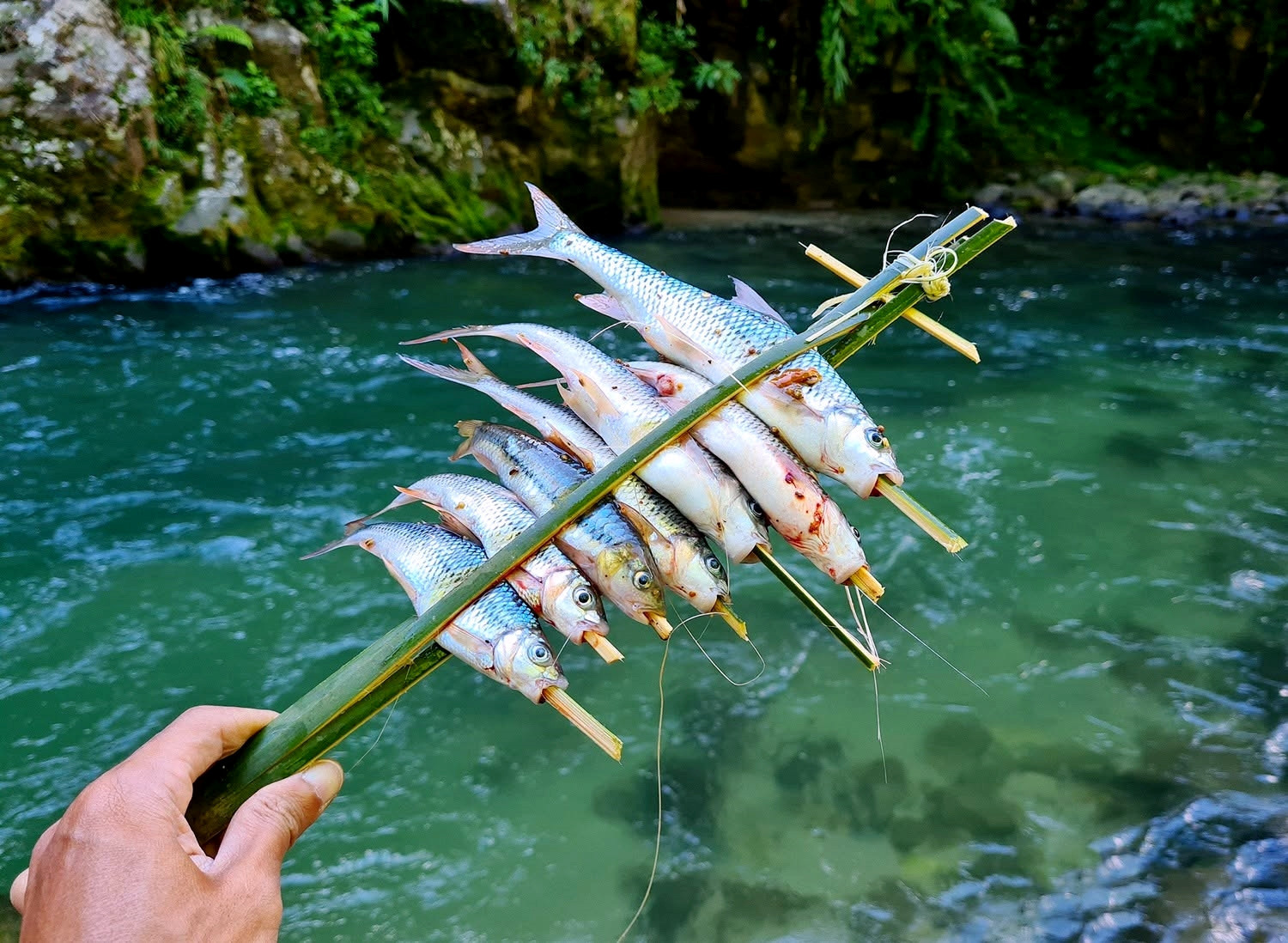
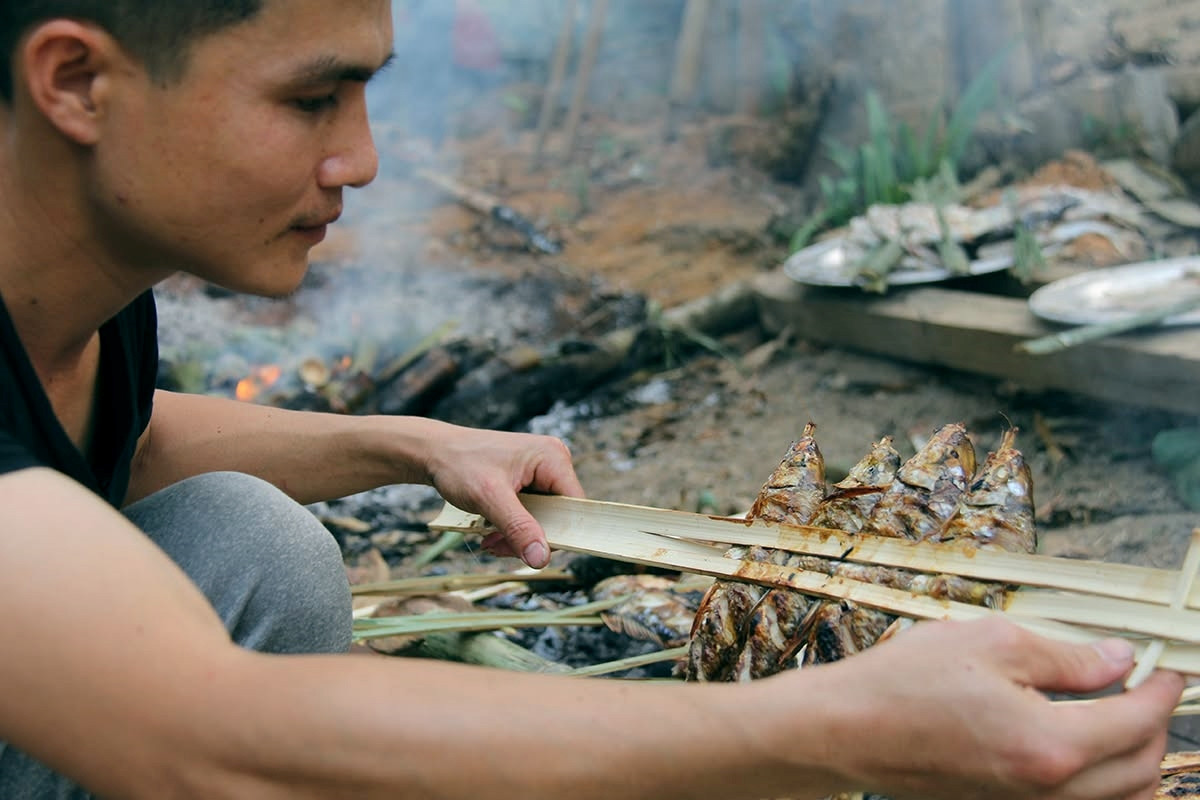
Beyond restoring fish stocks, Ngam residents began to see another opportunity in the natural assets surrounding their home: community-based tourism.
Duan said that before 2016, more than half of the village’s households were classified as poor. Living conditions were difficult, infrastructure was inadequate, and some residents remained heavily dependent on government assistance.
In 2018, when the former Quan Son District proposed developing Ngam into a community tourism destination, the village Party cell saw an opportunity to create new livelihoods.
Duan and other local Party officials developed a dedicated plan based on a simple principle: tackle the easier tasks first, then move on to the more difficult ones.
Residents were encouraged to contribute their labor, supplementing government resources to build roads, improve farm access routes, renovate homes and upgrade their surroundings.
Duan recalled that one of the biggest challenges at the time was persuading families to renovate their traditional stilt houses for use as homestays.
Many worried about spending money without knowing whether tourists would actually come, fearing their investments might never pay off.
Village officials therefore organized trips for residents to learn from communities where tourism models were already working well. Local Party members were encouraged to lead by example and invest first.
Starting with only a handful of households, Ngam now has 12 families regularly involved in community tourism.
Residents have also established community rules on environmental cleanliness, planted flowers, improved village roads, preserved the surrounding landscape and agreed on standards for interacting with visitors.
To attract tourists, the village management board offers experiences including casting traditional fishing nets and angling along the protected river.
Visitors can immerse themselves in local life while also tasting food made from what they catch during the experience.
The village now welcomes thousands of visitors each year, generating additional income for families providing tourism services as well as other local residents.
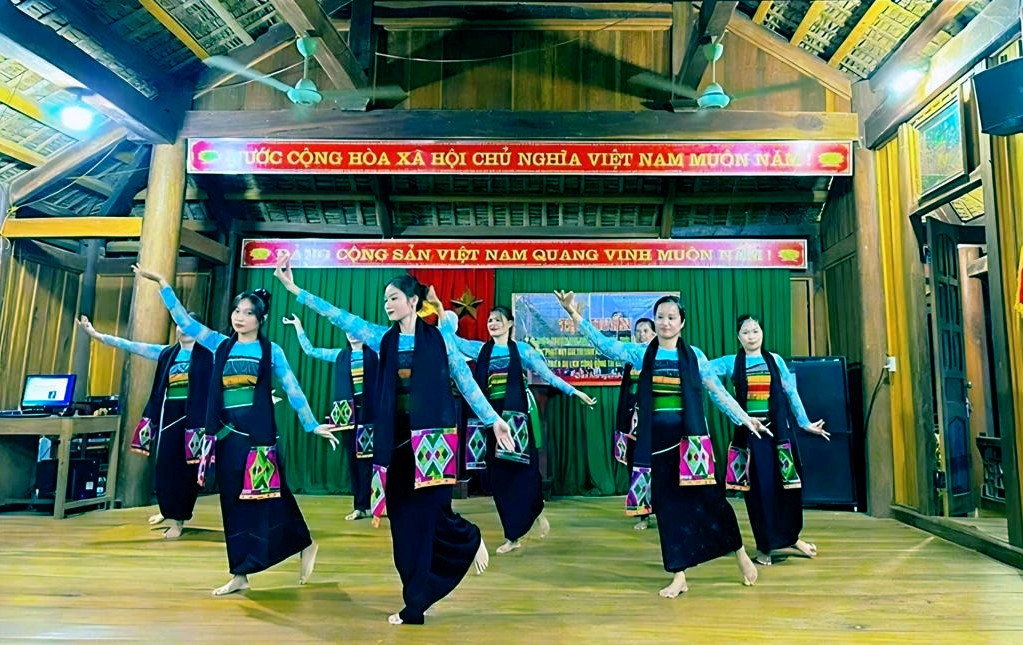
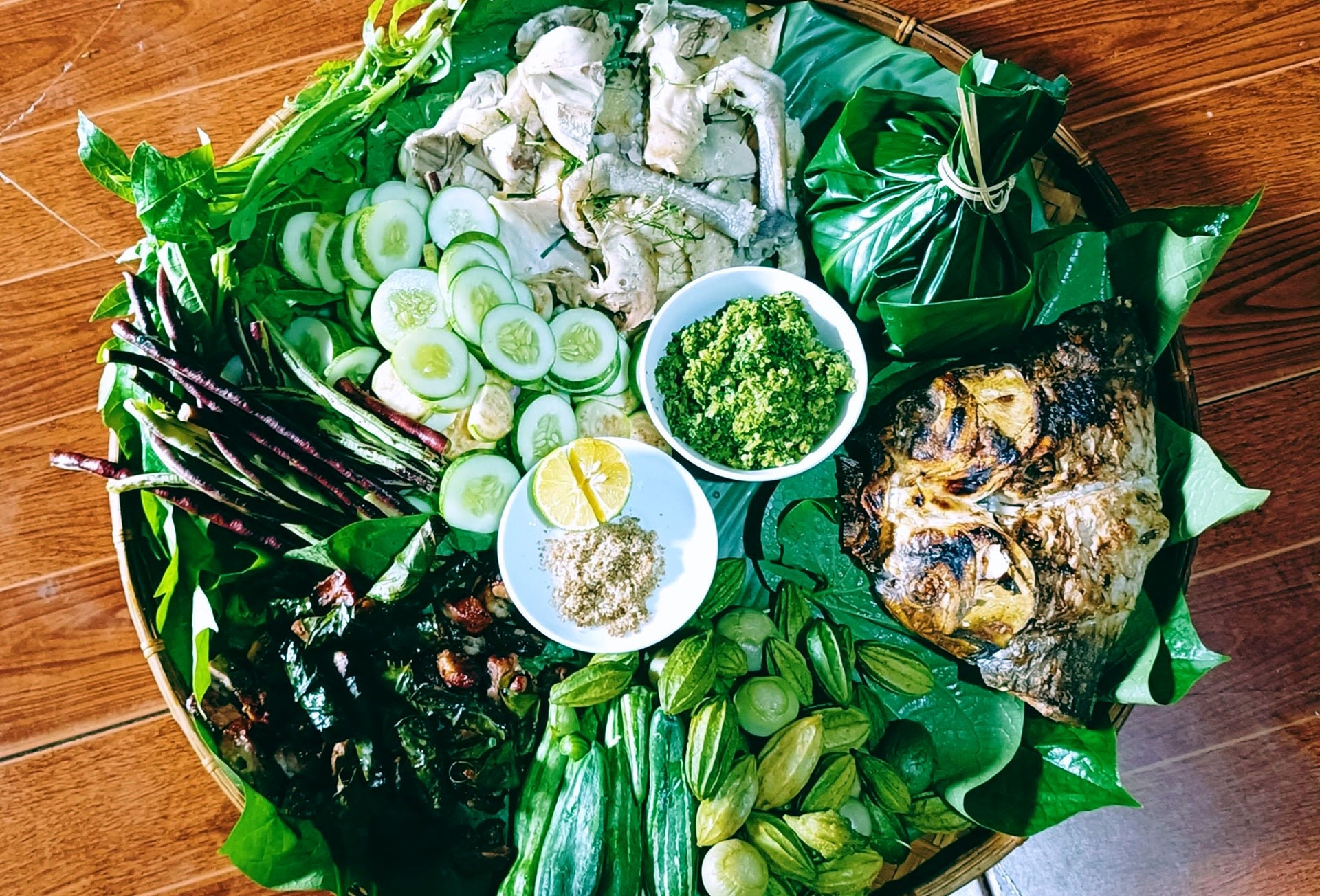
“Visitors can eat, stay and live alongside local families, enjoy traditional Thai ethnic cuisine, try fishing with nets and traps, and ride bamboo rafts along the river,” Duan said. “Fish from the Luong River have firm, chewy flesh and can be prepared in many ways, including grilled fish, fish cakes and fish salad with banana blossom. Visitors really enjoy them.”
Pham Van Tinh, chairman of the Son Dien Commune People’s Committee, said Ngam has significant potential for community-based tourism thanks to its largely unspoiled natural scenery, traditional cultural identity and the distinctive way of life of its Thai ethnic minority community.
These qualities, he said, can appeal particularly to travelers interested in nature and experiencing local cultures.
“The locality has identified sustainable tourism as the direction for Ngam Village, with residents at the center of development while preserving the landscape, traditional architecture and cultural values,” Tinh said.
“As tourism develops, residents will have more opportunities to increase their income through accommodation, food services, local products and visitor experiences, contributing in turn to the local economy,” he added.
Le Duong
.svg)
