 Vietnamnet.vn

 Podcast



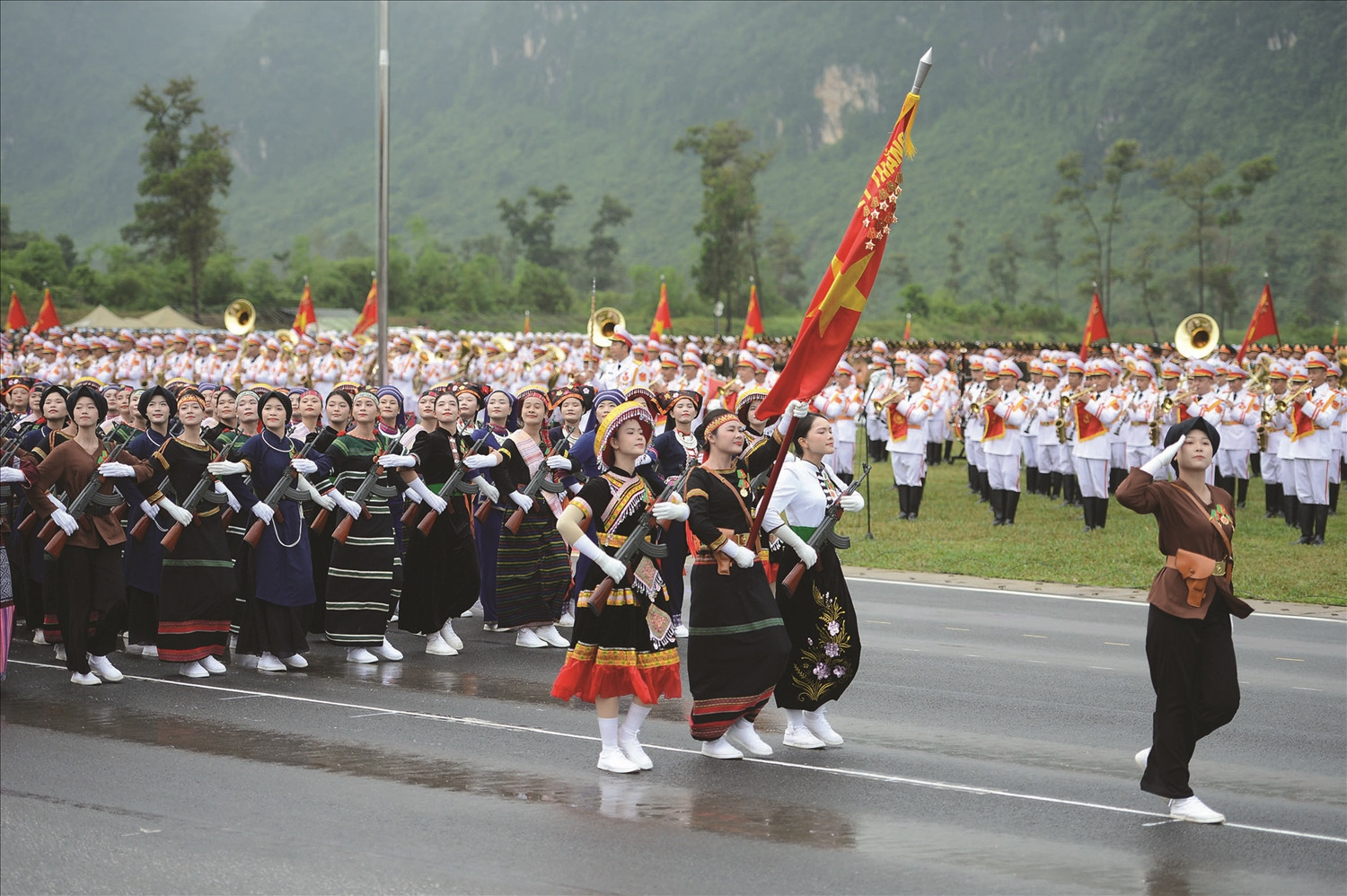
Unity in diversity
Vietnam is home to 54 ethnic groups, including 53 recognized ethnic minorities. According to the third nationwide socio-economic survey of these minority communities, published by the Ministry of Ethnic and Religious Affairs on July 18, the country currently has over 3.74 million ethnic minority households, totaling nearly 14.77 million people - accounting for about 14.2% of the population. Among the nearly 28 million religious followers nationwide, a significant portion are also members of ethnic minorities.
Stretching from the mountainous north to the central regions, the Central Highlands, and the southwest, ethnic and religious communities are an inseparable part of the national fabric. Their collective identity is a cornerstone of Vietnam’s great unity bloc. This spirit of unity enabled the revolutionary triumph 80 years ago that led to national independence, and it continues to fuel the country's journey toward socialism and prosperity.
Speaking at the scientific conference “National unity in the August Revolution of 1945 - Its relevance to today’s renewal process” held on August 5, Dr. Luong Viet Sang, Deputy Director of the Institute of Party History, Ho Chi Minh National Academy of Politics, emphasized: “For the past 80 years, upholding the sacred vow made during the 1945 Declaration of Independence, the entire Vietnamese nation has been united in sacrifice, contributing blood, sweat, and resources to safeguard the nation’s independence and freedom.”
The collective home of Vietnam’s 54 ethnic groups is also defined by rich cultural diversity. Differences in language, customs, and beliefs among communities are vibrant brushstrokes in the colorful cultural tapestry of the nation. Through various programs and projects aimed at preserving and restoring traditions, many ethnic minority cultural heritages have become strategic resources for Vietnam’s green economic development.
According to Hoang Thi Hanh, former Deputy Minister and Vice Chairwoman of the Committee for Ethnic Affairs (now the Ministry of Ethnic and Religious Affairs), preserving traditional identity is not just about honoring the past, but about building a foundation for the future. When cultural values are nurtured, ethnic minorities gain the motivation to grow economically, further strengthening national unity.
A shared journey forward
A unified yet diverse Vietnam is not just a slogan - it is a historical reality forged over thousands of years and continuously upheld in the present and future. It is a powerful bond that connects communities toward the shared goal of becoming a high-income nation by 2045, the centennial of the country’s founding.
Even now, as 2025 nears its end - the final year of the 13th National Party Congress term - Vietnam’s socio-economic landscape remains on an upward trajectory despite numerous global challenges. At a national online conference with local authorities on August 7, the government reaffirmed its growth targets: 8.3-8.5% GDP growth for 2025, and average CPI growth under 4.5%, laying the groundwork for growth above 10% in 2026.
Alongside the broader population, ethnic and religious communities remain vital contributors, standing shoulder to shoulder with government bodies in meeting development goals. Their contributions are growing in the new era, supported by improved living standards and rapidly falling poverty rates in ethnic and mountainous regions.
Data from the Ministry of Ethnic and Religious Affairs shows that the average annual income of ethnic minority citizens has reached 45.9 million VND (approximately $1,890 USD), a 3.3-fold increase since 2020. From 2021 to 2025, poverty in ethnic and mountainous areas declined by an average of 3.2% per year. These gains have strengthened trust in the Party and State, encouraging ethnic communities to confidently join the nation’s development journey.
That trust has been reinforced by the government’s unwavering commitment. At the August 13 conference summarizing the National Target Program for the socio-economic development of ethnic and mountainous regions (2021–2025), Prime Minister Pham Minh Chinh confirmed that the program will continue independently from 2026 to 2030, with an estimated budget of 150 trillion VND (about $6.2 billion USD). This reflects both a strategic priority and a solemn government pledge to ensure sustainable growth for ethnic regions - leaving no one behind.
Sy Hao
.svg)
