 Vietnamnet.vn

 Podcast



For more than 50 years, Do Dinh Ninh, 85, from Thanh Hoa Province, has devoted himself to searching for the remains of his younger brother, a fallen soldier, collecting every piece of information that might help bring him home. Recently, he provided a DNA sample in the hope that modern technology could finally help identify his brother's remains.
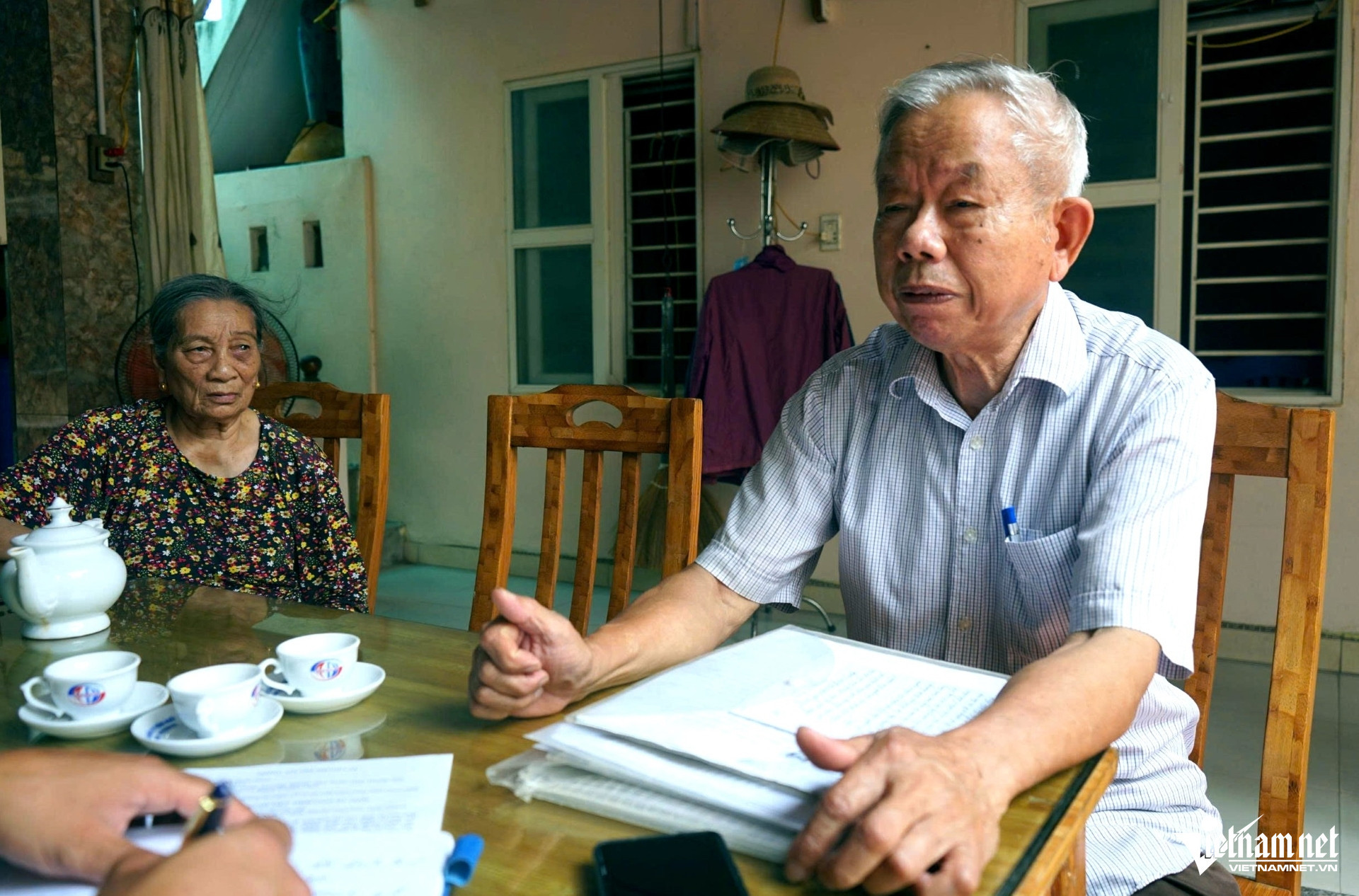
Sitting inside his modest home on Hai Ba Trung Street in Sam Son Ward, Ninh recalled the story of his younger brother, Do Dinh Binh, who was born in 1951 in what was then Xuan Truong Commune, Tho Xuan District, now Tho Xuan Commune, Thanh Hoa Province.
Binh enlisted in the military on September 11, 1969, serving with Company D1-K9 before being deployed to the southern battlefield. In 1973, the family received official notification that he sacrificed on February 19, 1972, while marching to join combat operations.
"When we received the death notification, our family was devastated," Ninh said. "We only hoped that once the war ended, we would be able to search for my brother's grave."
After Vietnam was reunified, the family began searching for information about where Binh had been buried.
"Every lead eventually reached a dead end. We never found out where he had been laid to rest or even which cemetery he was buried in," he said.
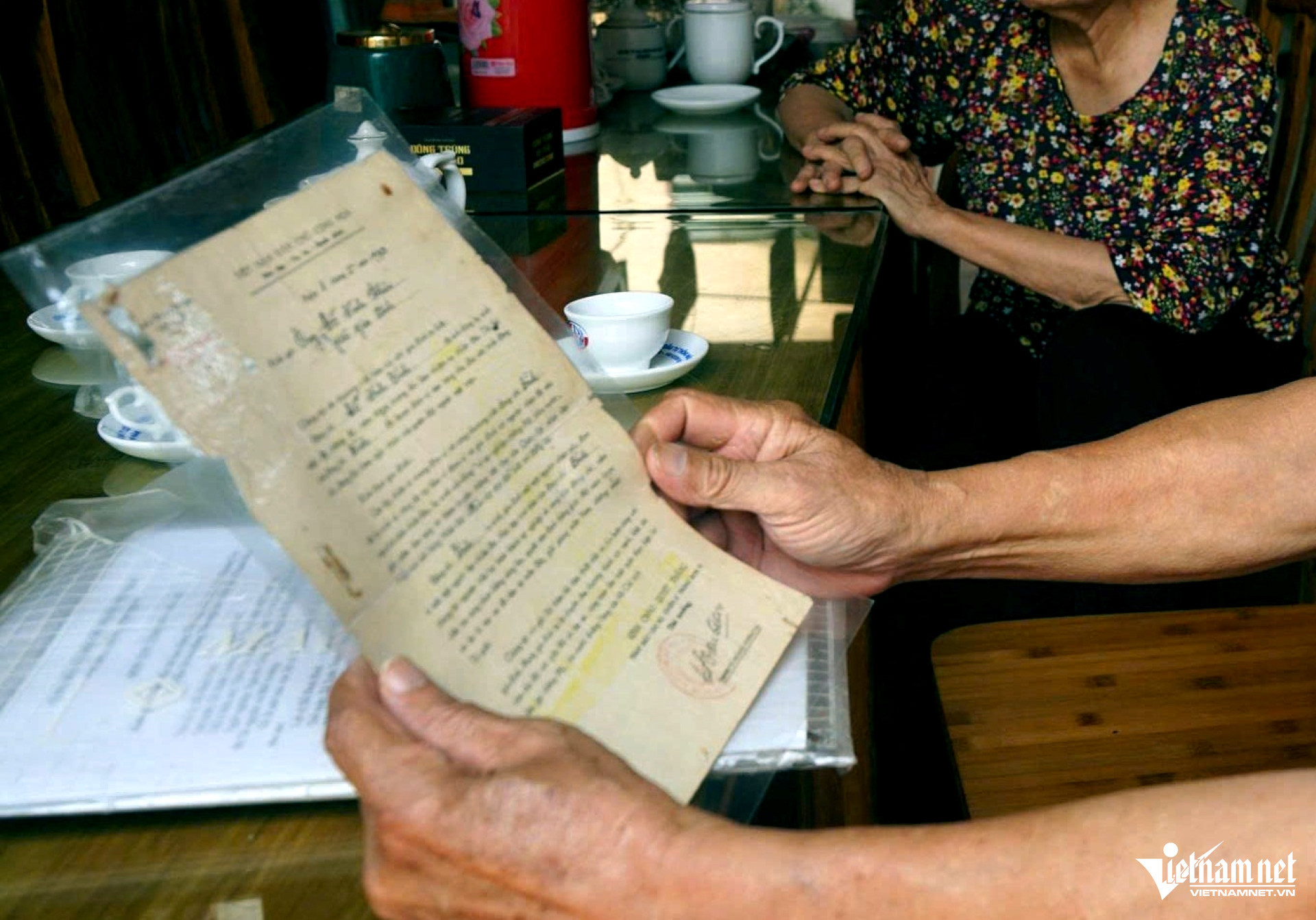
Over the years, Ninh searched tirelessly, pursuing every possible source of information - from newspapers and television to programs dedicated to locating missing war graves - but without success.
While they were alive, his parents waited every day in the hope of bringing their son's remains home.
"My father passed away in 1979 before he could see that day," Ninh said. "My mother always reminded me to bring my brother home and said she would wait for him no matter how long it took. She lived for more than a century hoping her son would return, but in the end she never saw that day. She passed away in 2025 at the age of 108."
A breakthrough after decades
After decades of unsuccessful searching, the family finally received a new lead in 2014.
Le Ba Duong, from what was then Nga Thanh Commune, Nga Son District, sent a letter to the People's Committee of Xuan Truong Commune providing information about Binh's final days.
According to Duong, he had served at a mobile military medical station in Stung Treng Province, Cambodia, in early 1972.
At the time, a Vietnamese special forces unit passed through the area and left behind three seriously ill soldiers for treatment.
One of them was a young man around 20 years old who was suffering from a high fever and remained unconscious.
Despite two days of medical treatment, he did not survive. Before taking his final breath, medical staff asked him his name. His only reply was: "Binh, Xuan Truong."
After the young soldier died, medical personnel buried him with full military honors at the station's cemetery.
In 1975, when the medical station returned to Vietnam, the remains of seven fallen soldiers - including Binh -were exhumed and transferred to Unit 65, which reburied them at a military cemetery in Quang Tri Province.
Renewed hope through DNA
Although the family eventually obtained testimony from someone directly involved in burying and later relocating Binh's remains, locating his grave has remained extremely difficult.
The family has never been able to determine exactly which cemetery received the transferred remains.
Ninh also believes the information recorded on the grave marker may no longer be complete.
Because his brother was only able to say the words "Binh, Xuan Truong" before he died, it is possible that records created under wartime conditions were incomplete or inaccurate.
Ninh said his family was greatly encouraged when Vietnam's National Steering Committee launched the 500-day campaign to accelerate the search, recovery and identification of fallen soldiers' remains.
For his family, the campaign has offered fresh hope after more than half a century of searching.
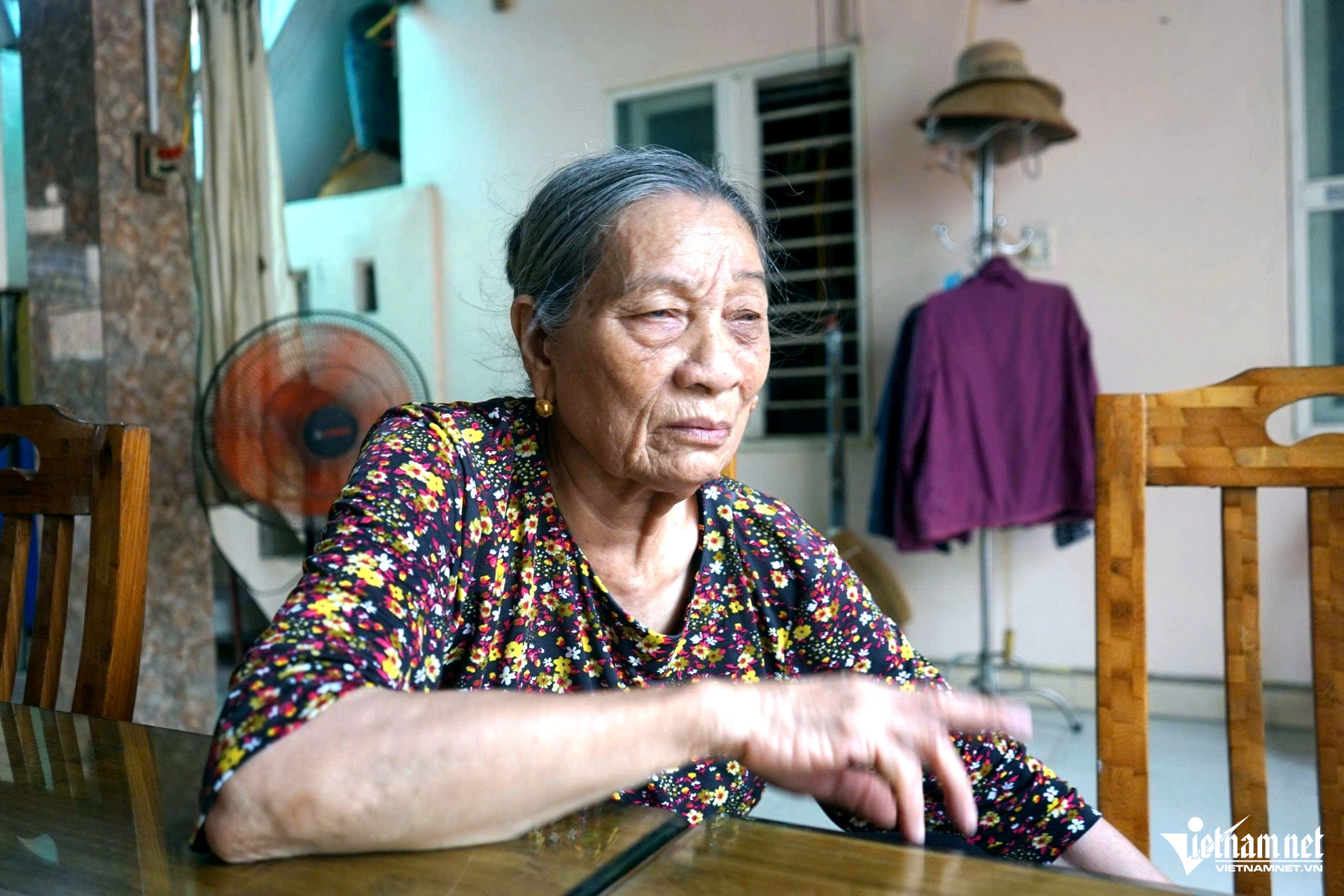
Ninh said three members of his extended family sacrificed during the war.
In addition to his younger brother Do Dinh Binh, his wife Do Thi Oanh also lost two younger brothers, Do Viet Hung, born in 1950, and Do Viet Loc, born in 1958. Both were also from Xuan Truong Commune in Thanh Hoa Province.
The family has already located the remains of Do Viet Loc, but the burial place of Do Viet Hung remains unknown.
When authorities launched the nationwide DNA collection program to support the identification of fallen soldiers, Ninh and his wife immediately volunteered to provide samples, placing their hopes in what they see as their final opportunity.
"My wife and I are both elderly now and can no longer travel long distances repeatedly," Ninh said. "Our greatest wish is that one day we will find our brothers' graves and bring them back to our hometown so our family and future generations will have a place to honor them."
According to Thanh Hoa Provincial Police, the province has more than 55,000 fallen soldiers, including over 37,000 whose burial locations or identities remain unknown.
During two intensive DNA collection campaigns conducted in May and July 2025, authorities collected 37,808 DNA samples from relatives of fallen soldiers, achieving full coverage of all eligible participants.
Thanh Hoa is now among the leading provinces nationwide in the number of DNA samples collected for the identification program.
Le Duong
.svg)
