 Vietnamnet.vn

 Podcast



At a National Assembly group discussion on the afternoon of April 8, National Assembly deputy and Venerable Thich Duc Thien from the Dien Bien delegation contributed opinions on the draft Law on Belief and Religion (amended), which is set to replace the 2016 Law on Belief and Religion.
According to the Venerable, the 2016 law has played an important role in safeguarding freedom of belief and religion, creating favorable conditions for dignitaries, clergy, and followers to practice their faith, while also supporting the development of religious organizations.
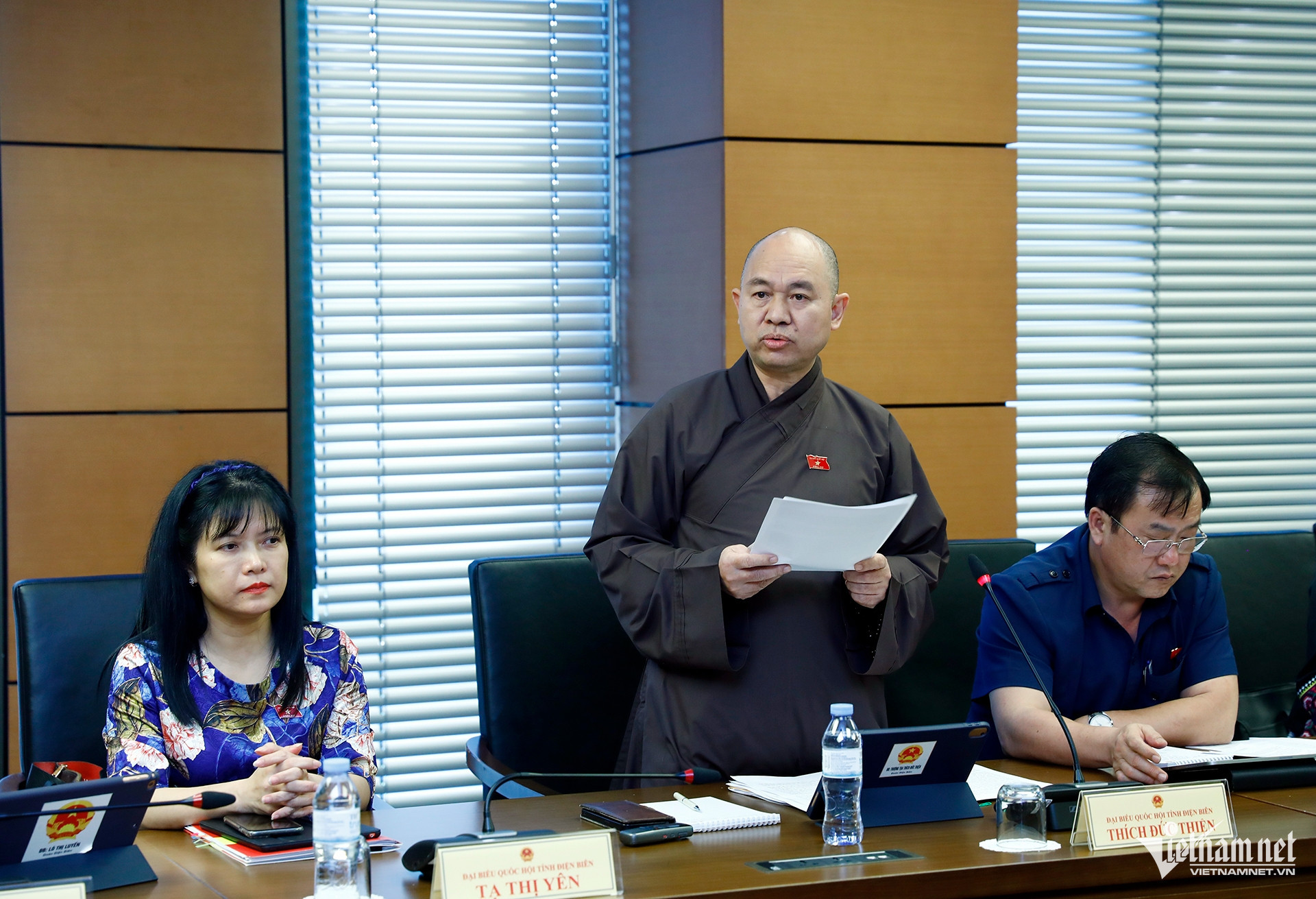
However, he noted that reality has undergone profound changes, particularly in the context of digital transformation. Religious teachings and sermons are no longer confined by space or time, but are now widely shared across social media platforms, attracting tens of thousands, even hundreds of thousands of participants simultaneously.
The current law, he argued, reveals a significant legal gap in defining the responsibilities of entities organizing religious activities in cyberspace.
“In the digital era, it is inevitable that the law must comprehensively regulate religious activities in online environments, not only in terms of administrative procedures but also by formally recognizing the rights of individuals and organizations to conduct religious practices online,” Venerable Thich Duc Thien stated.
He emphasized that revising the law to expand protection for freedom of belief and religion in cyberspace would create a clearer legal framework, ensuring both the exercise of religious freedom and compliance with the law. At the same time, it would help prevent the exploitation of religion for illegal activities, the spread of superstition, and violations of legitimate rights and interests of individuals, organizations, and the State.
Robot ‘novices’ and AI-powered spiritual guidance
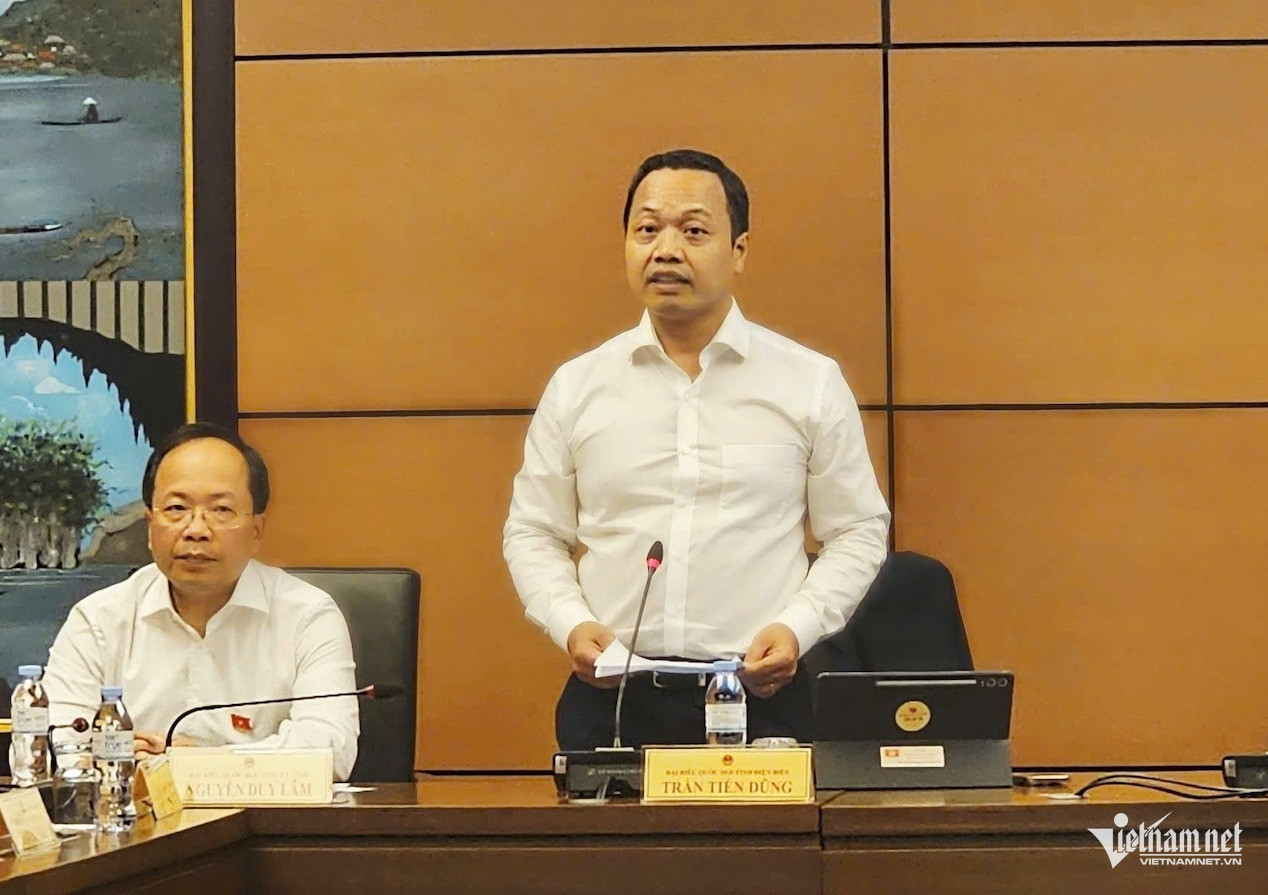
One of the notable issues raised by the deputy is the emergence of artificial intelligence in religious activities.
He cited the case in Japan, where in February, a research group led by Professor Seiji Kumagai from the Institute for the Future of Human Society at Kyoto University introduced a robot “monk” named Buddharoid. Powered by AI, the robot is capable of delivering teachings and offering spiritual guidance based on Buddhist philosophy.
In Vietnam, a young engineer collaborated with Giac Ngo Pagoda in Ho Chi Minh City to develop a robot “novice” capable of chanting Buddhist scriptures and answering around 3,000 questions related to Buddhist teachings.
“These developments require the drafting committee to clarify the subjects authorized to conduct religious activities in cyberspace and the use of artificial intelligence in such activities,” he said.
Calls for clearer governance and greater facilitation
In addition, in the context of transitioning to a two-tier local government model, the Venerable recommended continued review and refinement of regulations on decentralization and delegation of state management in the field of belief and religion. This, he said, should align with the capacity of each administrative level, particularly at the commune level, and be linked to job positions and staffing.
He also expressed support for the drafting agency and agreed with the National Assembly’s Committee on Culture and Society, especially regarding provisions related to education, healthcare, social protection, and charitable activities carried out by religious organizations. Expanding these areas, he noted, reflects the Party and State’s view of religion as a resource for national development.
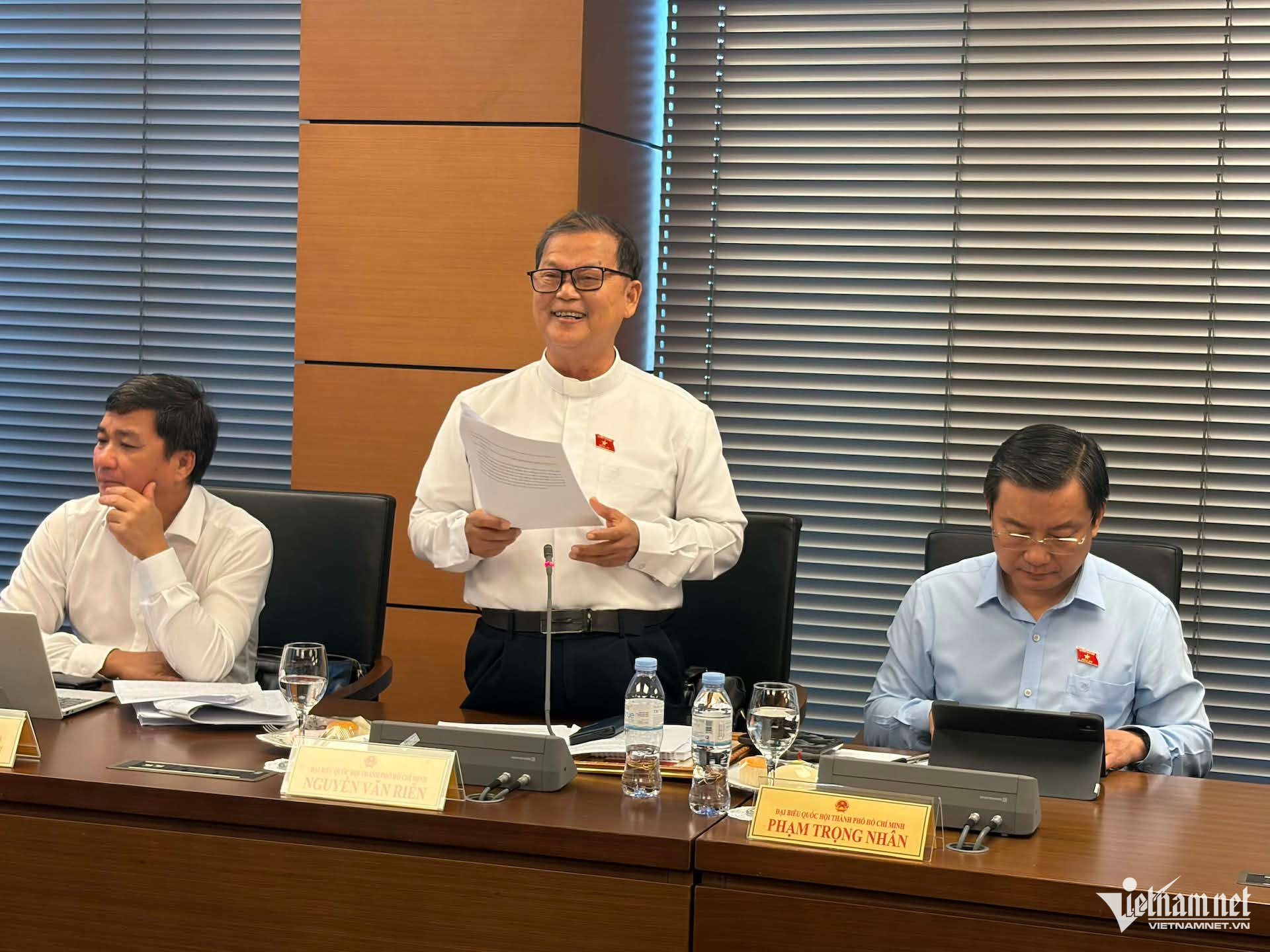
Joining the discussion, priest Nguyen Van Rien from the Ho Chi Minh City delegation proposed further facilitating the participation of religious organizations in education, healthcare, and social welfare.
He recommended simplifying administrative procedures and improving processes for registering religious activities, establishing congregations and religious orders, and approving religious construction projects. At the same time, he called for clearer definitions of the rights and obligations of religious organizations in social activities, contributing to social welfare and strengthening national unity.
Thanh Hue - Thu Hang
.svg)
