 Vietnamnet.vn

 Podcast



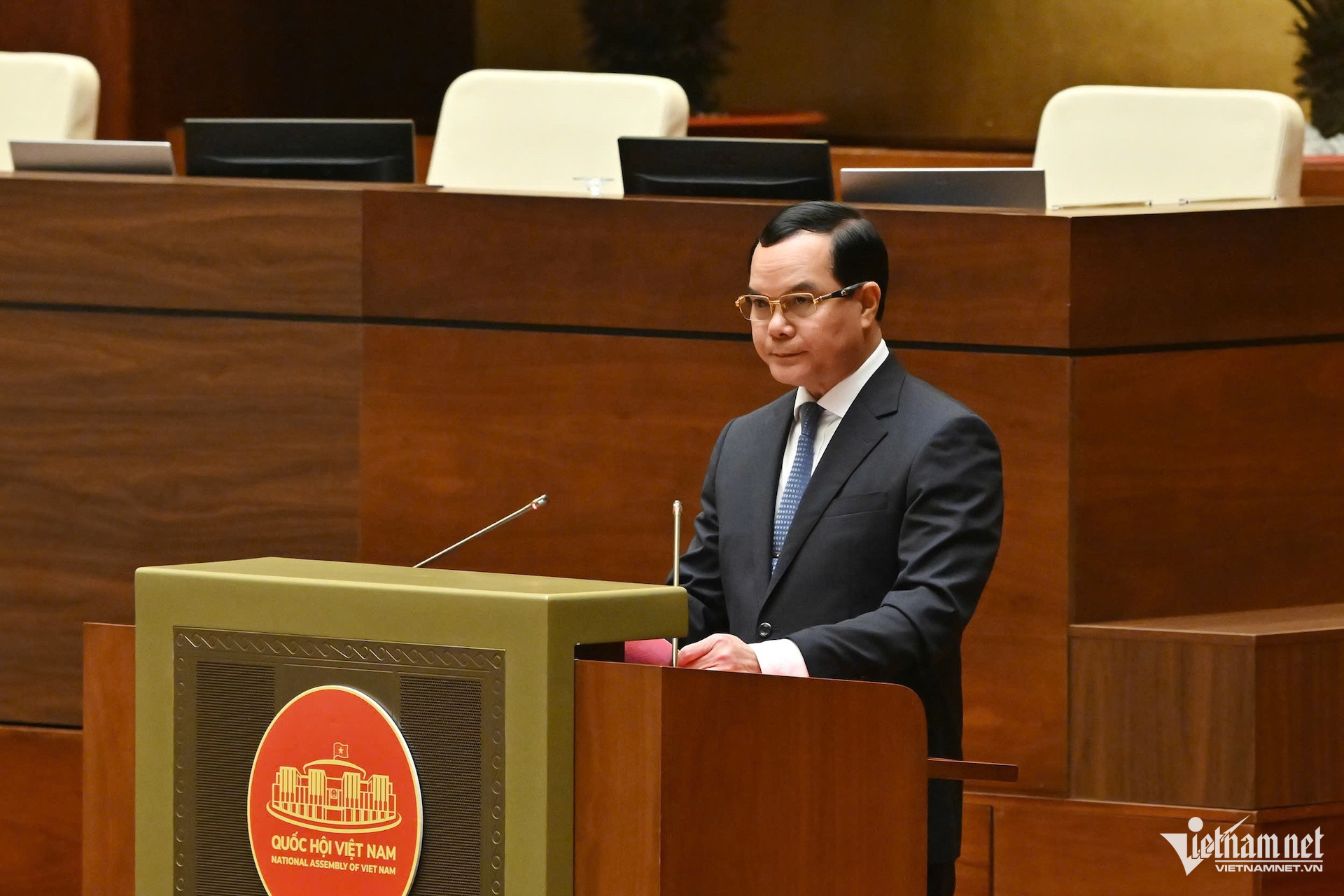
The revised law aims to further institutionalise the Party’s policies on promoting democracy and ensuring the right to freedom of belief and religion for all, in line with Vietnam’s socio-economic conditions. It also seeks to enhance transparency, strengthen the application of information technology and accelerate digital transformation in religious activities.
At the same time, the amendment is designed to address shortcomings identified during the implementation of the 2016 law, aligning it with the restructured state apparatus and the two-tier local government model. It also reflects the broader context of globalisation and international integration, while supporting the development of a digital government and digital society. The goal is to create more favourable conditions for organisations and individuals while improving the effectiveness of state management in this field.
The draft law consists of nine chapters with 61 articles, seven fewer than the current law.
To align with ongoing administrative restructuring and the application of science and technology in governance, the draft proposes amendments to 45 articles, aiming to improve regulatory stability and predictability.
Among the revised provisions are those concerning the State’s responsibility in ensuring freedom of belief and religion (Article 4), the role of the Vietnam Fatherland Front and socio-political organisations (Article 6), the rights of foreign nationals legally residing in Vietnam (Article 10), and the rights and obligations of religious organisations and individuals.
The draft also introduces new provisions on principles governing belief and religious activities (Article 3), international cooperation in religious affairs (Article 5), and definitions related to religious activities in cyberspace. A dedicated article on religious activities in the digital environment (Article 8) is included to provide a legal basis for expanding the use of technology in this sector.
Promoting decentralisation in religious management
The draft law clearly defines the authority of the Ministry of Ethnic and Religious Affairs, as well as provincial- and commune-level People’s Committees, in accordance with the principles of decentralisation and the specific conditions and capacities of local authorities.
It aims to enhance autonomy and accountability in decision-making and implementation, thereby improving the effectiveness of state management.
Under the draft, state management authority in belief and religion is distributed across 107 competencies: 48 at the central level, 42 at the provincial level and 17 at the commune level. This compares with 103 competencies under the current legal framework, including relevant decrees.
To further support decentralisation alongside administrative streamlining and improved governance capacity, the draft assigns the Government responsibility for detailing more than 30 contents across 34 articles.
In addition to new and revised provisions, the draft retains 13 articles from the 2016 law that remain appropriate.
During the drafting process, the provisions were carefully reviewed to ensure compliance with international human rights standards, including the 1948 Universal Declaration of Human Rights and the 1966 International Covenant on Civil and Political Rights, to which Vietnam is a party. The law aims to balance the protection of human and civil rights with effective state management, in line with national development conditions.
The draft also ensures consistency with requirements related to national defence, security, gender equality and ethnic policies.
Further review recommended
In its review, the National Assembly’s Committee on Culture and Social Affairs expressed support for the necessity of revising the law and agreed with its political, legal and practical foundations.
The committee broadly endorsed the decentralisation approach outlined in the draft, noting that it builds on existing legislation while aligning with the two-tier local government model.
However, it recommended further review to ensure that decentralisation matches the actual capacity and resources of local authorities, particularly at the commune level.
Some opinions also suggested allowing provincial People’s Committees greater flexibility to delegate or authorise commune-level authorities to manage religious affairs where conditions permit, in line with staffing and local realities.
Thanh Hue
.svg)
