 Vietnamnet.vn

 Podcast



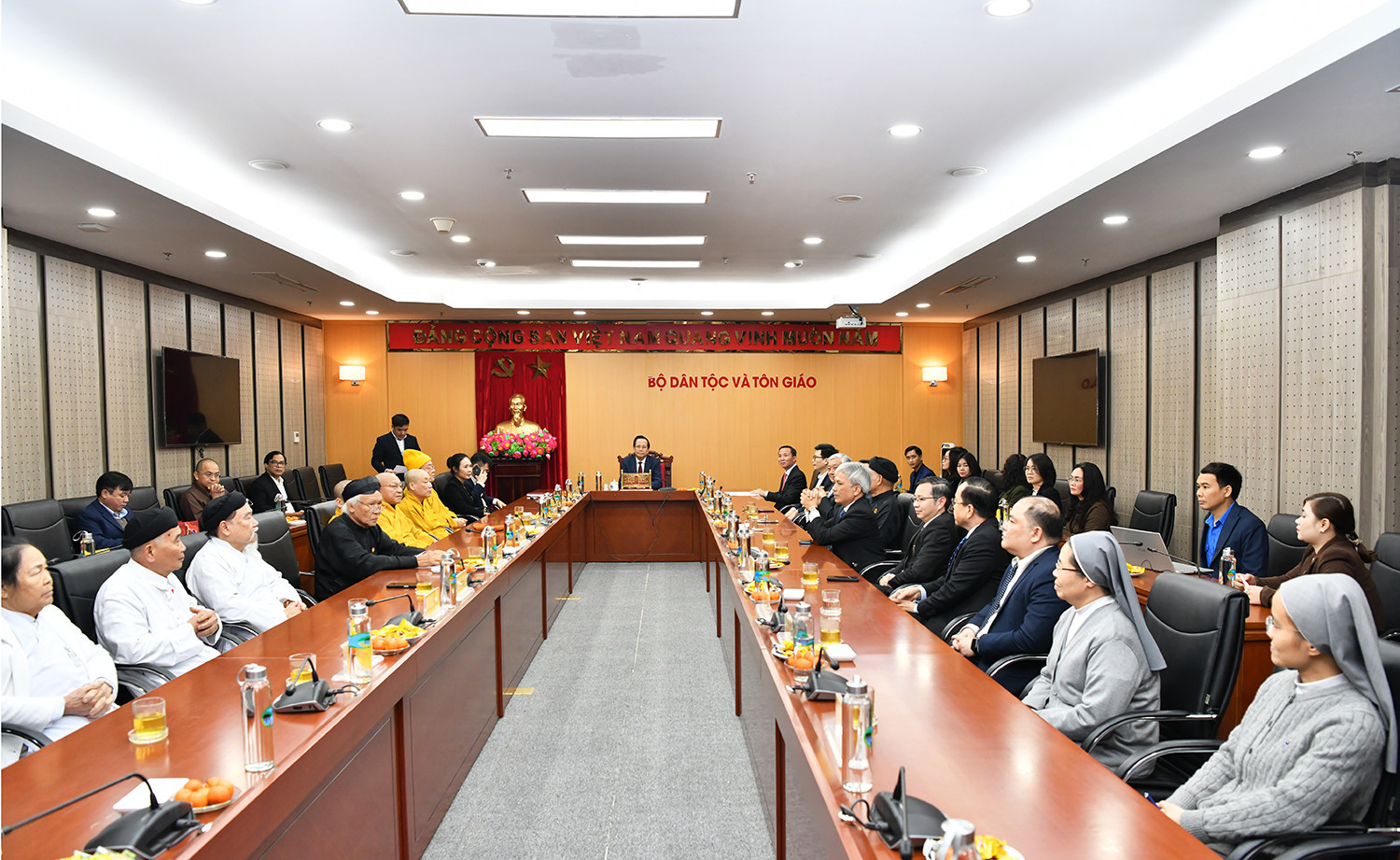
In a world marked by rapid change and intensifying strategic competition, the upcoming 14th National Party Congress places renewed emphasis on reinforcing the great national unity bloc. Within that vision, solidarity between religious and non-religious communities is not merely a matter of religious affairs but a strategic pillar underpinning social cohesion and sustainable development.
This perspective reflects an evolving understanding: religion is no longer viewed solely through a cultural or spiritual lens, but also as a source of tangible social and economic contributions.
From spiritual values to comprehensive resources
In recent years, the concept of “religious resources” has gained greater prominence in policy thinking. While earlier approaches focused primarily on moral and cultural values, the current framework recognizes both material and non-material contributions.
The 13th National Party Congress marked a turning point, affirming the need to “promote the positive cultural and ethical values and resources of religions for national development.” Since then, this view has been further deepened.
Today, religious resources encompass not only values such as compassion, solidarity and ethical conduct, but also the active participation of followers, dignitaries and religious organizations in socio-economic development.
Vietnam currently has nearly 27.4 million religious followers, alongside more than 66,000 dignitaries and over 120,000 religious functionaries. As a significant social force, their alignment with national policies and active engagement in development initiatives can generate substantial momentum in addressing social challenges.
A strong contributor to social welfare
Across the country, religious organizations have become an important pillar of social welfare.
There are around 300 kindergartens, 2,000 charity classes, 12 vocational training institutions and approximately 500 charitable healthcare facilities established by religious groups. In addition, nearly 800 social protection centers run by religious organizations are providing care for more than 12,000 vulnerable individuals, including orphans, people with disabilities, the elderly and patients with serious illnesses.
Beyond institutional contributions, religious communities are actively involved in a wide range of humanitarian activities - from free medical services and disaster relief to building homes, bridges and roads, as well as running community kitchens.
Financial contributions to charity and social support from religious organizations have reached trillions of Vietnamese dong in recent years, underscoring their growing role in addressing social needs.
These efforts reflect a broader trend: religious communities are increasingly aligning their activities with national development goals, reinforcing their role as partners in building a more inclusive society.
Grassroots leadership and community cohesion
At the local level, individuals with influence within religious communities are playing a critical role as connectors - bridging the gap between authorities and citizens, as well as between religious life and civic responsibilities.
The example of Hiep Hoa 14 residential area in Quang Ninh illustrates this dynamic. With more than 60 percent of its 165 households being Catholic, the community has maintained both economic stability and a strong cultural life. Over the 2021-2025 period, residents voluntarily contributed more than VND500 million (approximately US$20,000) and nearly 800 square meters of land to upgrade local infrastructure.
Such initiatives highlight how trusted community figures can mobilize collective action, foster consensus and contribute directly to local development.
Nationwide, thousands of similar examples demonstrate how religious leaders and respected individuals serve as catalysts for unity, encouraging compliance with policies, participation in social movements and the strengthening of community bonds.
Policy reform to unlock greater potential
Recognizing this potential, policymakers are now focusing on improving the legal framework to better enable religious organizations to contribute.
While current laws allow religious groups to participate in areas such as education, healthcare and social services, existing regulations are still seen as limiting their full potential.
According to Vu Hoai Bac, head of the Government Committee for Religious Affairs, the current legal framework needs to be updated to remove bottlenecks and create more favorable conditions for religious engagement.
A revised Law on Belief and Religion is now being drafted, with key priorities including clearer responsibilities in religious activities, decentralization of management, enhanced regulatory tools, administrative simplification and digital transformation.
The proposed revisions aim not only to ensure freedom of belief and religion but also to expand the space for religious organizations to contribute more effectively to society.
Building trust, strengthening the nation
Ultimately, the effective mobilization of religious resources is closely tied to one fundamental factor: trust.
When trust is nurtured and reinforced, and when religious communities are empowered to contribute meaningfully, they become a powerful force for unity and development.
In this sense, religious resources can be seen as a “hidden current” - quietly but steadily reinforcing the foundations of social cohesion, strengthening the “people’s trust foundation” and contributing to a more humane, united and resilient society.
Sy Hao
.svg)
