 Vietnamnet.vn

 Podcast



Each voter’s ballot is not only an expression of civic right, but also a profound political responsibility to choose representatives who faithfully speak for the people, work for the people and safeguard the legitimate rights and interests of citizens.
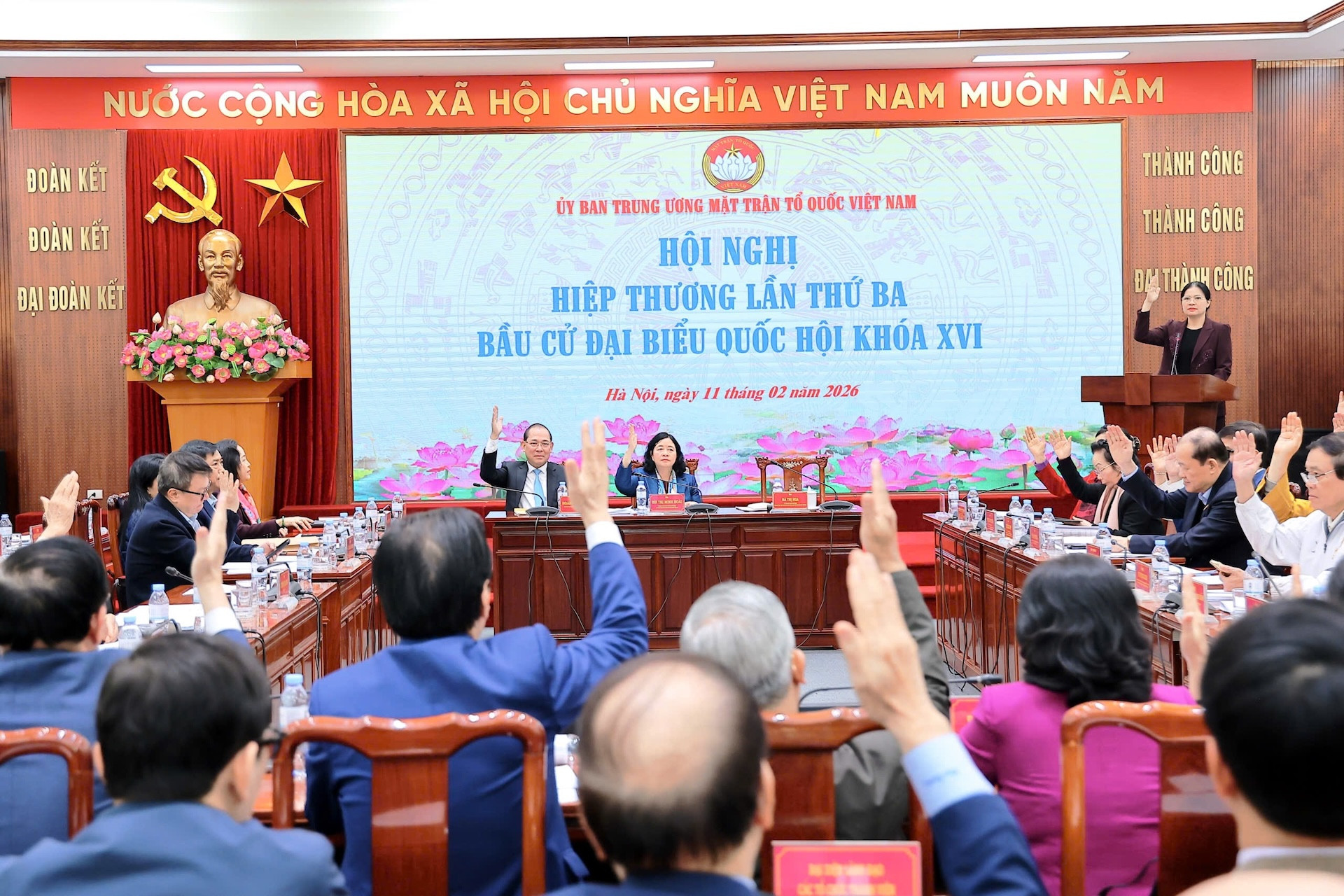
The third consultation conference for the election of deputies to the 16th National Assembly. Photo: Quang Vinh.
One of Vietnam’s most significant events in 2026 is the election of deputies to the 16th National Assembly and People’s Councils at all levels for the 2026-2031 term. On the occasion of the Lunar New Year 2026, VietNamNet spoke with Ta Thi Yen, Deputy Head of the Committee for Deputy Affairs and Standing Deputy Chief of the Office of the National Election Council, about the upcoming vote.
Notable innovations
As someone directly involved in election preparations, could you outline the key new features of this term’s election?
This election introduces several important changes compared to previous terms. The first is the election date, set for Sunday, March 15, two months earlier than in previous cycles.
Results are expected to be announced on March 22, and the first session of the 16th National Assembly will convene on April 6 to conduct personnel work alongside legislative matters. This means the new National Assembly will meet just half a month after the results are announced, rather than nearly two months as before.
The first sitting will focus primarily on key personnel decisions for the new term. Convening the inaugural session of the National Assembly and People’s Councils early helps promptly consolidate senior leadership positions within the state apparatus and local governments, ensuring smooth direction and management while enabling socio-economic tasks to be implemented from the outset of the term.
Another significant innovation is the robust application of information technology. The national population database and the VNeID digital identification application will be used to compile, update and manage voter lists. This ensures accuracy and uniformity, minimizing overlap or omission of voters.
Through VNeID, voters can easily look up their polling stations, electoral districts and detailed information about National Assembly and People’s Council candidates nationwide.
In addition to requesting paper certificates to vote in a different location, voters can now apply for electronic certificates directly via VNeID without visiting local People’s Committees, saving time and maximizing convenience.
The new law also broadens and diversifies campaign methods. Voter meetings may now be organized not only in person but also online or in hybrid formats.
This flexibility enhances interaction between candidates and voters and ensures campaign activities proceed smoothly even in the event of natural disasters, epidemics or unexpected circumstances.
The National Election Council has issued the official list of candidates for the 16th National Assembly across the country. How does the structure and composition differ from the 15th term?

Ta Thi Yen, Deputy Head of the Committee for Deputy Affairs and Standing Deputy Chief of the Office of the National Election Council. Photo: Pham Thang.
Under the resolution of the National Assembly Standing Committee, adjustments have been made to align with recent organizational restructuring. The number of deputies from central agencies and full-time deputies at the central level increases by about 10, from 207 to 217, with a corresponding reduction at the local level from 293 to 283. The quota allocated to the Vietnam Fatherland Front bloc is also reduced.
At the local level, the number of key provincial and municipal leaders concurrently serving as heads of National Assembly delegations falls from 63 to 34, consistent with provincial administrative mergers.
Notably, representation for research institutes, universities and academies, as well as for enterprises, associations and trade unions in production and business sectors, increases to 10 deputies each, compared with six and seven respectively in the previous term.
The new structure also ensures a reasonable proportion of deputies representing scientists, intellectuals and artists, contributing to more balanced social representation and meeting the country’s evolving development needs.
The determination of structure, composition and allocation follows a multi-step, democratic and rigorous consultation process, ensuring broad representation of all social strata.
Many young candidates, most with postgraduate degrees
General Secretary To Lam has emphasized that while meeting quotas is important, quality must come first. How is this reflected?
From the outset, the National Election Council identified the overarching priority as the quality of deputies. Screening and nomination processes are conducted carefully and prudently to ensure candidates fully meet required standards and conditions, selecting individuals of merit, credibility and responsibility.
While sufficient numbers and correct structure are essential, quality is decisive.
Consultation processes must be democratic, transparent and open to ensure candidates truly represent the will and aspirations of the people. Authorities at all levels are tasked with creating favorable conditions for eligible citizens to exercise their right to stand for election and to vote.
Quality is also evident in concrete figures.
The official list includes 864 candidates across 182 constituencies. Of these, 217 were nominated by central agencies (25.12 percent), 643 by local authorities (74.42 percent) and four are self-nominated (0.46 percent). There are 392 women (45.37 percent), 188 ethnic minority candidates (21.76 percent) and 65 non-Party members (7.52 percent).
Among them, 17 previously stood for election (1.97 percent), 235 are incumbent deputies seeking re-election (27.20 percent) and 612 are first-time candidates (70.83 percent).
Age distribution shows strong youth representation: 187 candidates are under 40 (21.64 percent); 384 are aged 40 to 50 (44.44 percent); 259 are between 50 and 60 (29.98 percent); 26 are between 60 and 65 (3.01 percent); and eight are over 65 (0.93 percent).
Of the 864 candidates, 593 hold postgraduate degrees (68.63 percent), 261 hold university degrees (30.21 percent) and 10 have qualifications below university level (1.16 percent).
The proportion of full-time deputies will also increase to at least 40 percent, while the share of scientists is expected to reach 3-5 percent, enhancing professionalism and specialization in parliamentary activities.
The weight of every ballot
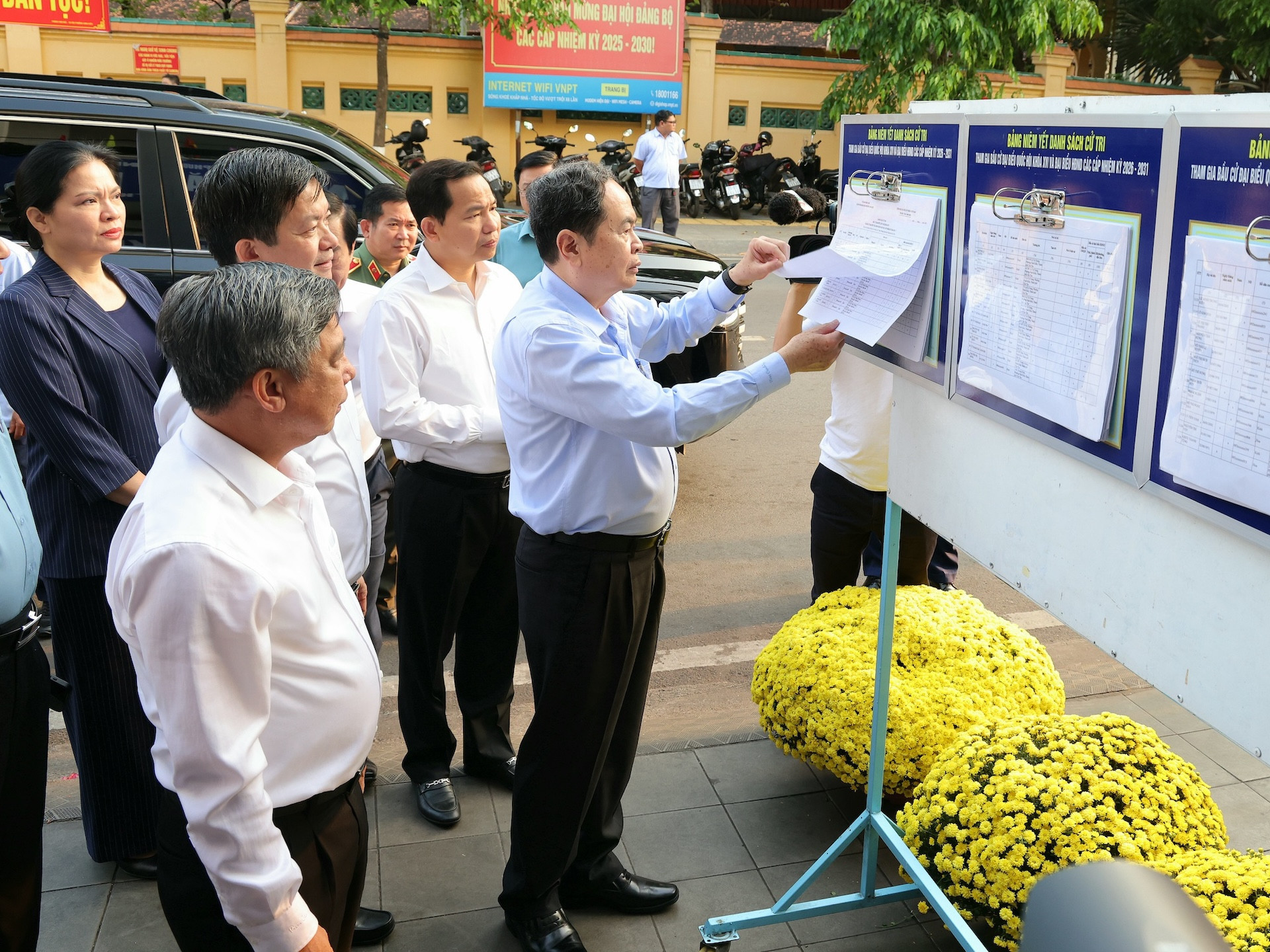
How are complaints and denunciations handled during candidate review, and how is election oversight conducted?
The National Election Council has directed relevant bodies to receive and handle complaints and denunciations regarding candidates and election work promptly, objectively and accurately, ensuring cases are resolved decisively.
Localities have been instructed to provide timely explanations to voters and citizens from the grassroots level.
Oversight and inspection are prioritized to ensure the election is conducted lawfully, democratically, transparently and safely.
The Council, in coordination with the National Assembly Standing Committee, has established 16 inspection delegations. Supervision is conducted in three phases covering the entire preparation and organization process.
Phase one included six delegations overseeing 13 localities from January 5 to 13. Phase two comprised five delegations overseeing 11 localities from February 4 to 10. Phase three involves five delegations overseeing 10 localities from March 2 to 10, focusing on the peak period before election day.
To date, supervision has been completed in 24 provinces and cities, with no complaints or petitions recorded concerning candidates or election procedures in inspected localities.
To ensure each ballot fully expresses its power and selects worthy deputies, what should voters keep in mind?
Each voter should recognize that participating in the election is an opportunity to fully exercise civic sovereignty, directly choosing those who will represent the people’s will and aspirations in the National Assembly and People’s Councils.
Every ballot is not only a right but also a political responsibility, affirming the central role of the people in building a socialist rule-of-law state of the people, by the people and for the people.
Therefore, voters should exercise their full authority responsibly.
The National Election Council considers voter education and awareness essential. Authorities have been directed to strengthen communication so voters understand their rights and obligations, proactively learn about candidates’ biographies and action programs, and participate with a strong sense of responsibility in selecting capable and ethical representatives.
At the same time, strict adherence to legal procedures is required at every stage, from consultation and nomination to voting, vote counting and certification of results, ensuring the will of voters is faithfully reflected.
The application of information technology further enhances transparency and public trust.
Cadres and Party members must set examples, fulfilling their own electoral duties while encouraging families and communities to participate, fostering social consensus and ensuring a successful election.
Through this, voters can select deputies who truly represent the people, speak for the people and protect their legitimate rights and interests, in line with the spirit emphasized by the General Secretary.
Thu Hang
.svg)
