 Vietnamnet.vn

 Podcast



The Prime Minister has recently issued a decision (18th round, 2025) recognizing four sites as national special relics, including the historical and architectural site of Co Le Pagoda (Co Le commune, Ninh Binh province).
Co Le Pagoda, also known as Than Quang Tu, boasts a long and storied history.
Originally constructed in the 12th century during the reign of King Ly Than Tong, the pagoda was built entirely of wood in the traditional Vietnamese architectural style. However, over the centuries, the structure fell into disrepair.
In 1902, the First Patriarch Pham Quang Tuyen, upon taking up residence as abbot, led the local community in reconstructing the pagoda with a unique “Nhat Thoc Lau Dai” (single tower castle) architectural style. Surrounded by a small river and a lake, the pagoda is set in a serene, feng shui-balanced environment.
The highlight of Co Le Pagoda is the nine-story Lotus Tower (Thap Cuu Pham Lien Hoa), perched on the back of a giant turtle. Standing 32 meters tall and constructed in 1927 from nine stacked lotus tiers, the tower is an architectural marvel.
Passing through the Tam Quan gate, visitors are greeted by an atmosphere steeped in antiquity and tranquility. The pagoda has long served as a spiritual sanctuary deeply rooted in the cultural and religious lives of the local community.
Despite multiple renovations and expansions, the pagoda has retained its historical, cultural, and architectural integrity. Its design distinguishes it from other ancient temples across Vietnam.
Though adhering to the traditional “Tien Phat, Hau Thanh” (Buddha in front, Saint behind) layout, the pagoda’s exterior is strikingly different, with tall and sturdy arched domes. The main hall, or Chinh Cung, rises 29 meters and houses altars to both the Buddha and Saint Nguyen Minh Khong. The hall’s vaulted ceilings resemble Gothic cathedrals, reflecting a harmonious blend of traditional Vietnamese and Western architecture.
According to local lore, the pagoda was built entirely without blueprints or modern materials like cement or steel. Instead, traditional materials such as bricks, lime, molasses, and handmade paper were used, ensuring both cohesion and longevity.
Inside the Chinh Cung hall, the space is solemnly and respectfully arranged. The exterior is adorned with Buddhist symbols and reliefs.
In front of the main sanctuary, an extraordinary “treasure” lies in the lake: the 9-ton Dai Hong Chung bell. Cast in 1936, the bell stands 4.2 meters tall with a diameter of 2.2 meters. According to village elders, the bell was hidden underwater during the anti-colonial resistance to prevent it from being destroyed. It wasn’t recovered and installed on a pedestal in the lake until 1954.
Beyond its cultural and architectural values, Co Le Pagoda also holds deep historical significance. Between 1947 and 1981, the pagoda was the departure point for 35 monks and nuns who “traded robes for uniforms” and joined the resistance movement to save the nation. Recognizing its importance, the Ministry of Culture, Sports and Tourism designated it a national architectural heritage site in 1988.
Every year, the Co Le Pagoda Festival is held from the 13th to the 16th day of the 9th lunar month. The festival includes traditional spiritual and cultural events such as processions honoring the Buddha and Saint Founder, chanting rituals, wrestling matches, lion and dragon dances, traditional operas (cheo and hat van), and boat racing.
In 2023, the festival was also added to the list of Vietnam’s national intangible cultural heritage.
Nguyen Quang Thao, Party Secretary of Co Le commune, stated that to preserve and promote the value of Co Le Pagoda as a national special relic, the local government will work with the pagoda’s monastery to enhance the management board’s effectiveness. Efforts will be made to elevate the pagoda festival and link it with other spiritual tourism destinations across the province.
He added that the local authorities aim to mobilize all resources for restoration while strictly maintaining the pagoda’s original heritage value. Public awareness campaigns will also be launched to instill a stronger sense of cultural preservation within the community.

Co Le Pagoda (Than Quang Tu) has a long history.

Originally built in the 12th century, the pagoda was later reconstructed in 1902.
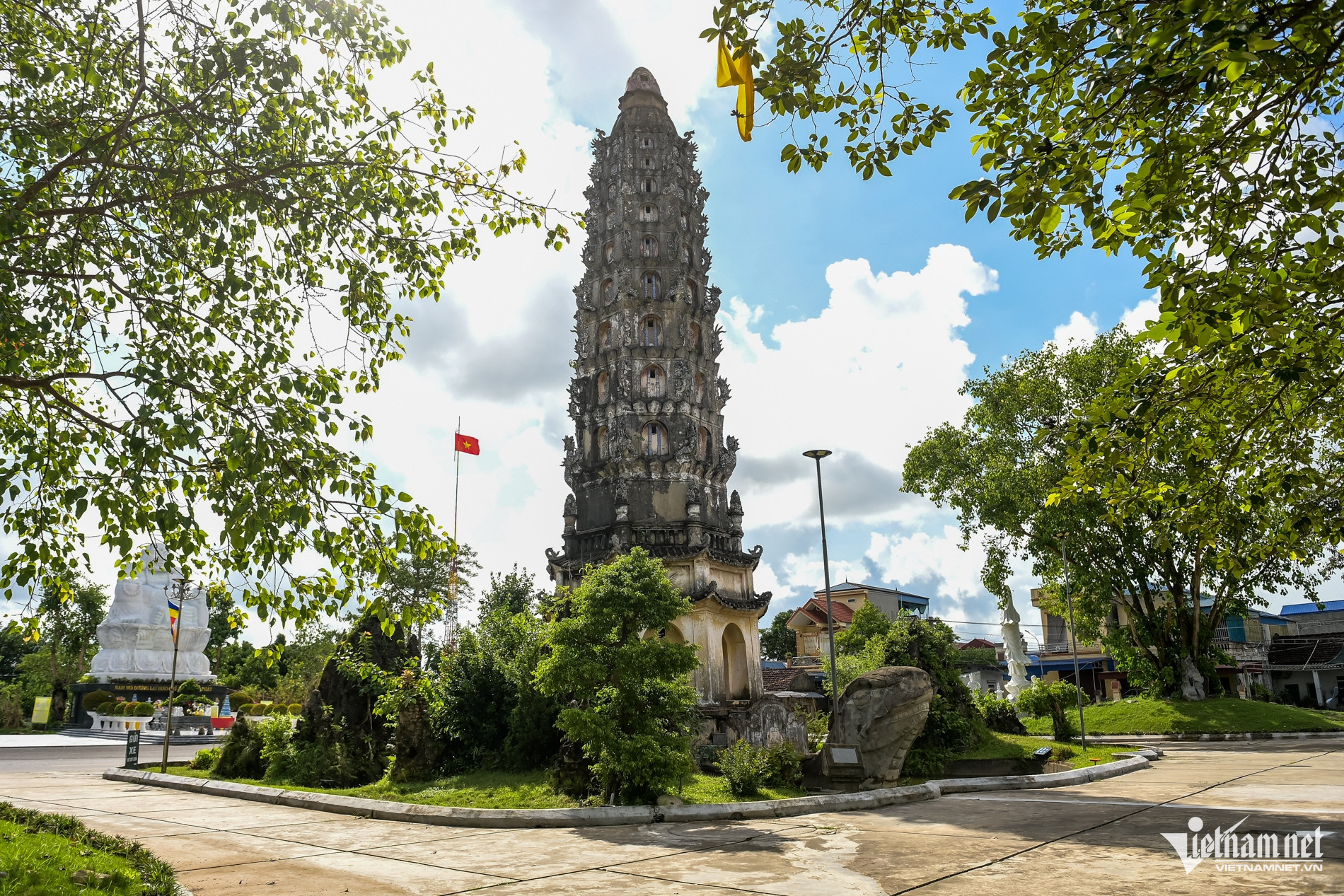
The nine-story Lotus Tower, built in 1927, sits atop a giant turtle.

The Tam Quan gate opens into a tranquil, spiritual space.

The pagoda is deeply integrated into local cultural and religious life.

Despite multiple restorations, it has preserved its historical and architectural values.

Its design differs significantly from other ancient Vietnamese temples.
Traditional materials like bricks, lime, and molasses were used in construction.
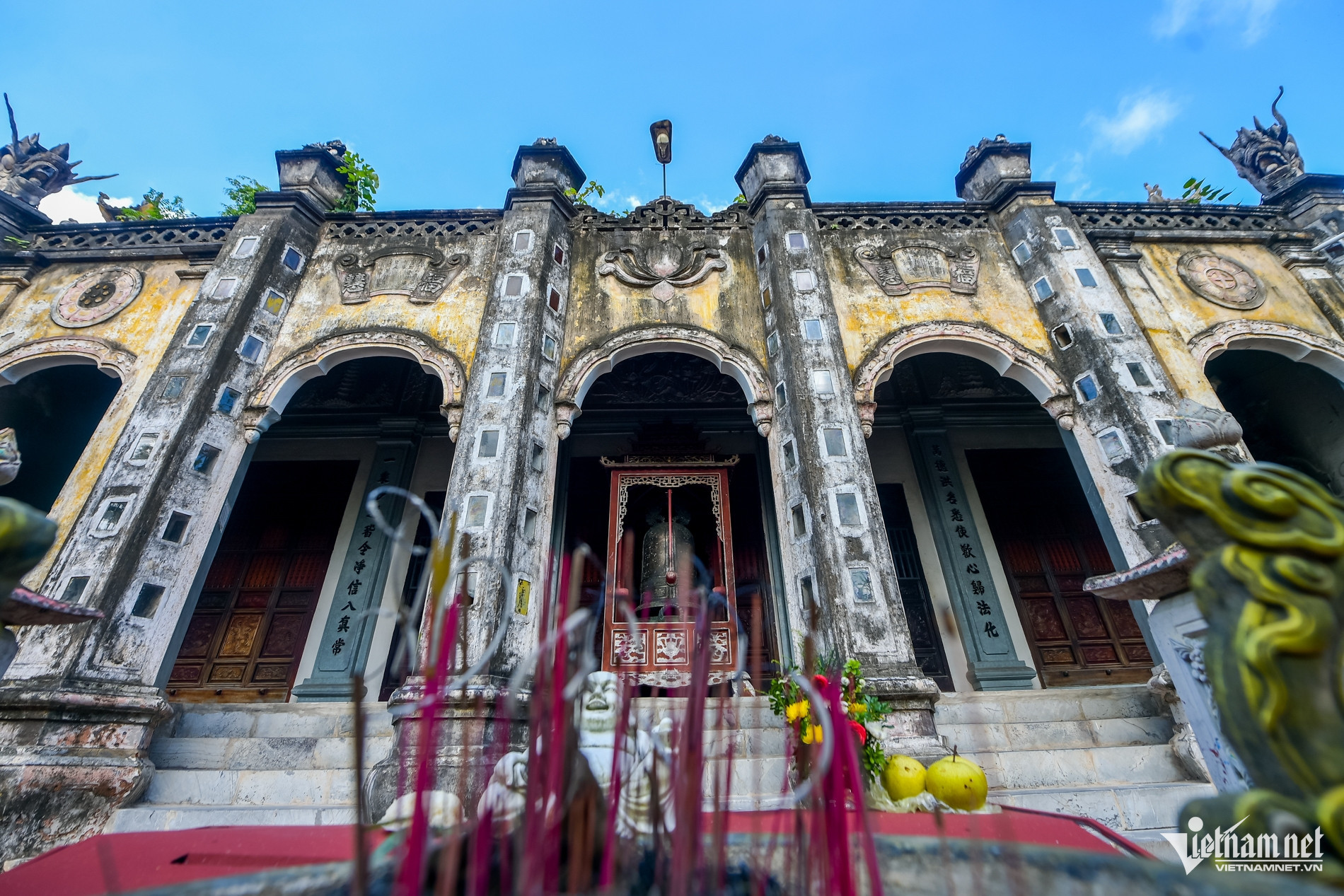
The main hall blends Vietnamese and Gothic architecture.
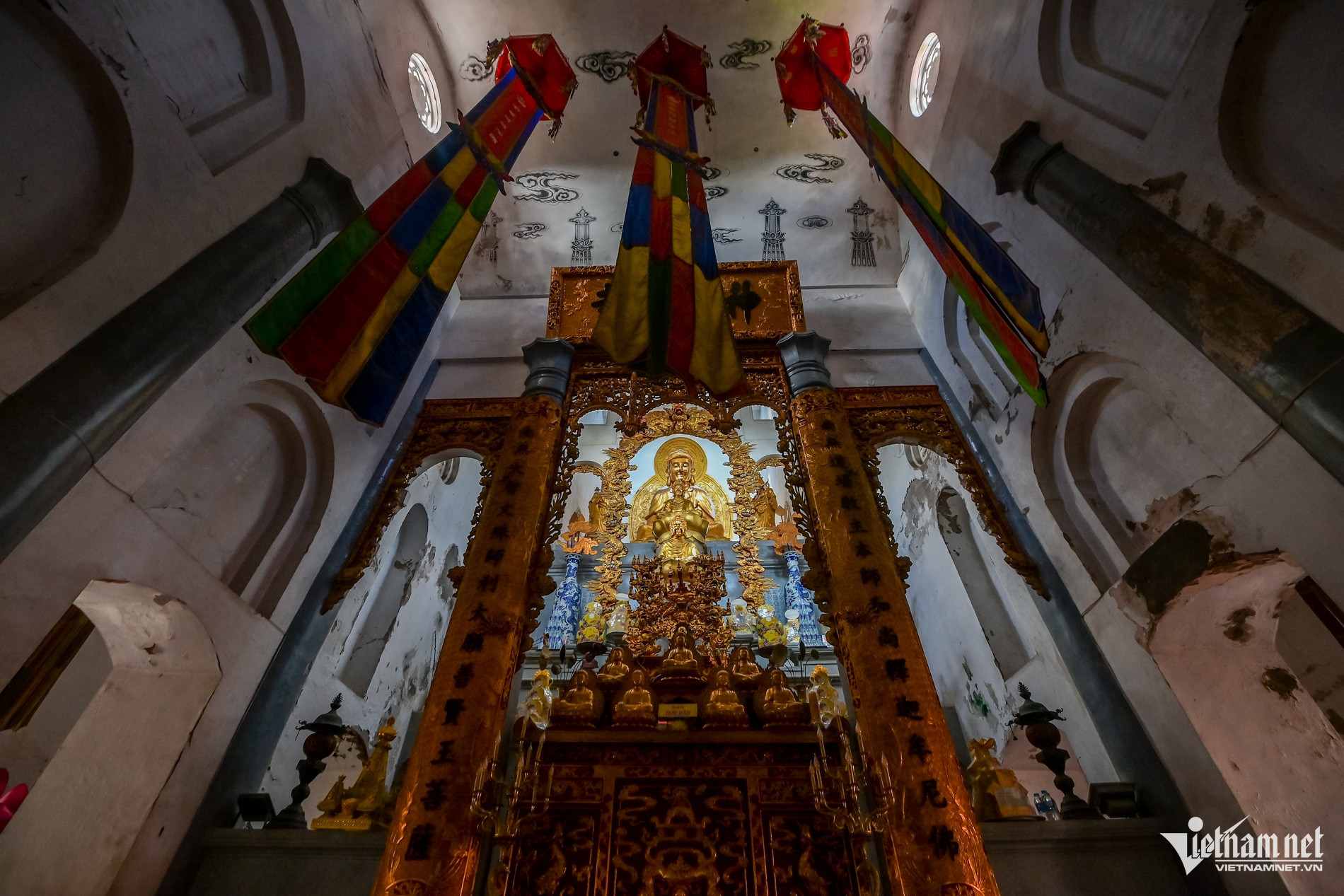
The Chinh Cung hall interior is solemnly arranged.

Exterior details are rich with Buddhist symbols.


A 9-ton bell, cast in 1936, lies in the lake in front of the sanctuary.
The bell was hidden in the lake during wartime and retrieved in 1954.

From 1947 to 1981, 35 monks and nuns joined the resistance.

The annual festival includes traditional spiritual performances and games.

The festival became an official intangible heritage in 2023.
Local authorities aim to preserve the relic while enhancing its cultural impact.
Trong Tung
.svg)
