 Vietnamnet.vn

 Podcast


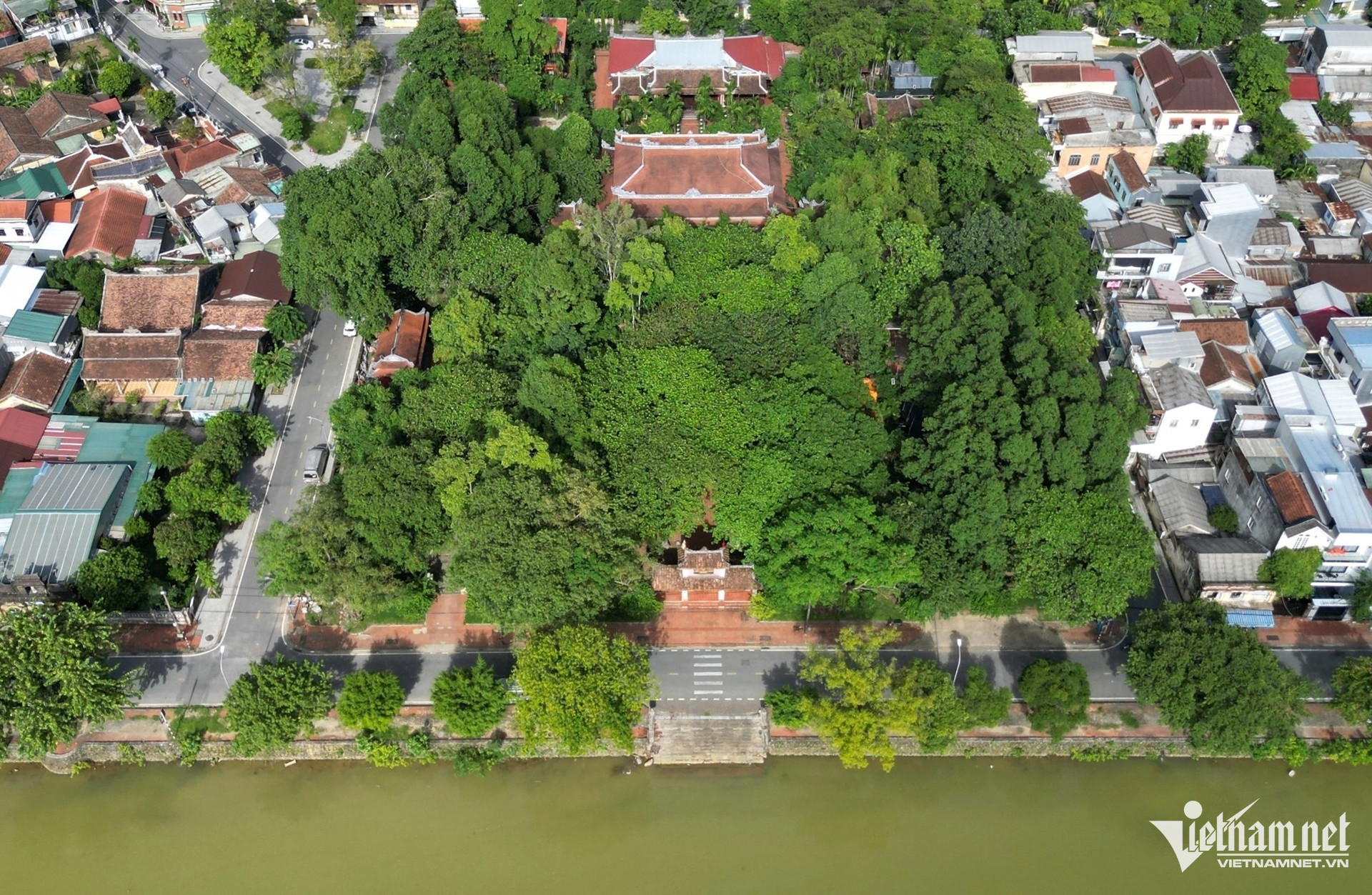
Located on Bach Dang Street along the eastern bank of the Dong Ba River in Phu Xuan Ward, Hue City, Dieu De Pagoda is one of the former imperial capital's most historically significant Buddhist sites.
Viewed from above, the more than 180-year-old pagoda stands out amid the surrounding residential neighborhood, its grounds shaded by lush green trees.
According to the Hue Monuments Conservation Center, the site was originally the residence of Phuc Quoc Cong, the maternal grandfather of Emperor Thieu Tri. The future emperor was born there in 1807.
In 1844, Emperor Thieu Tri ordered the residence to be rebuilt as a Buddhist pagoda and granted it the status of a royal pagoda.
A royal pagoda with more than 180 years of history
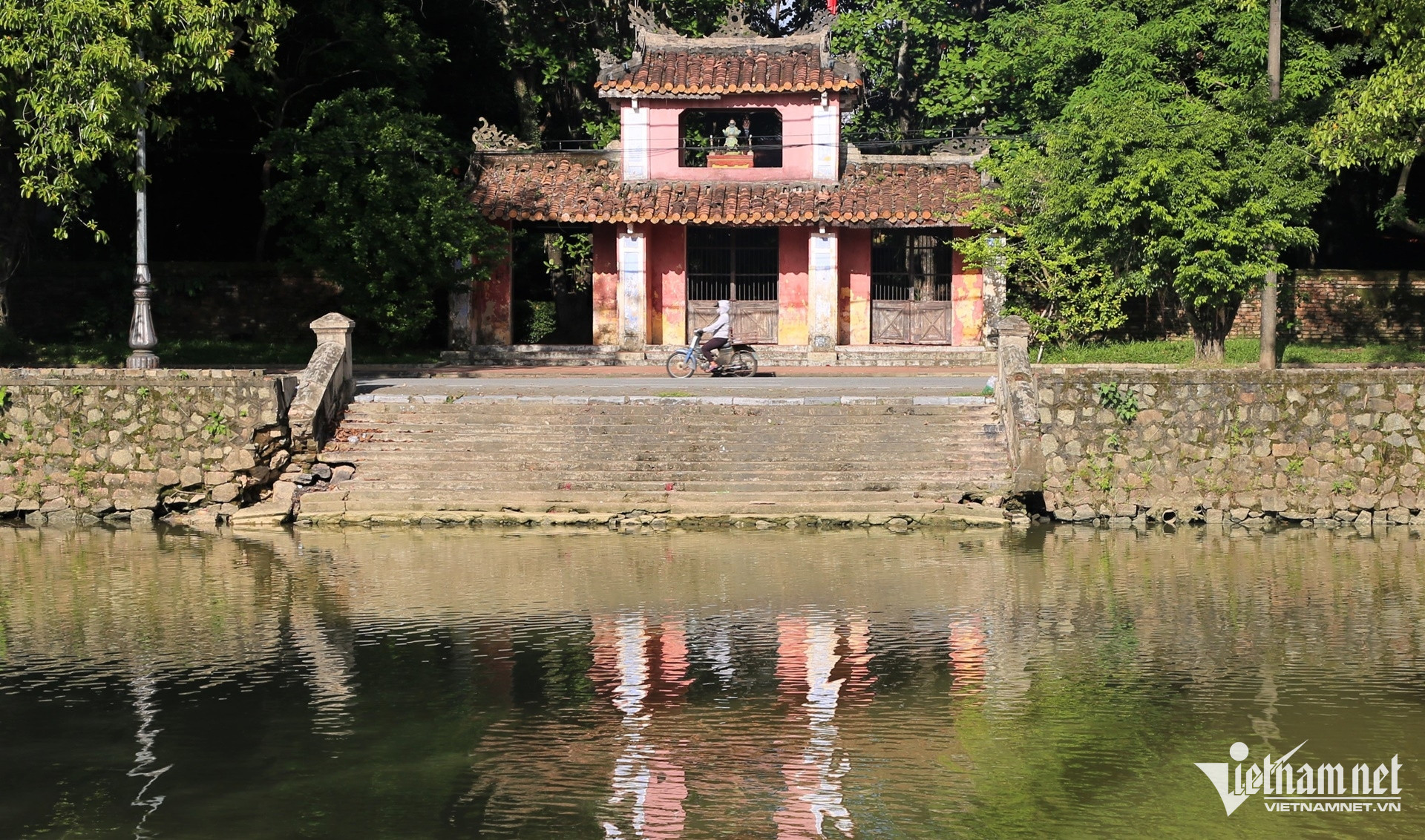
The pagoda's three-entrance gate, designed in a traditional multi-tiered architectural style, faces the Dong Ba River and Hue Imperial Citadel.
The gate features three passageways, with an upper level dedicated to a Buddhist guardian deity. A flight of steps in front leads down toward the riverbank.
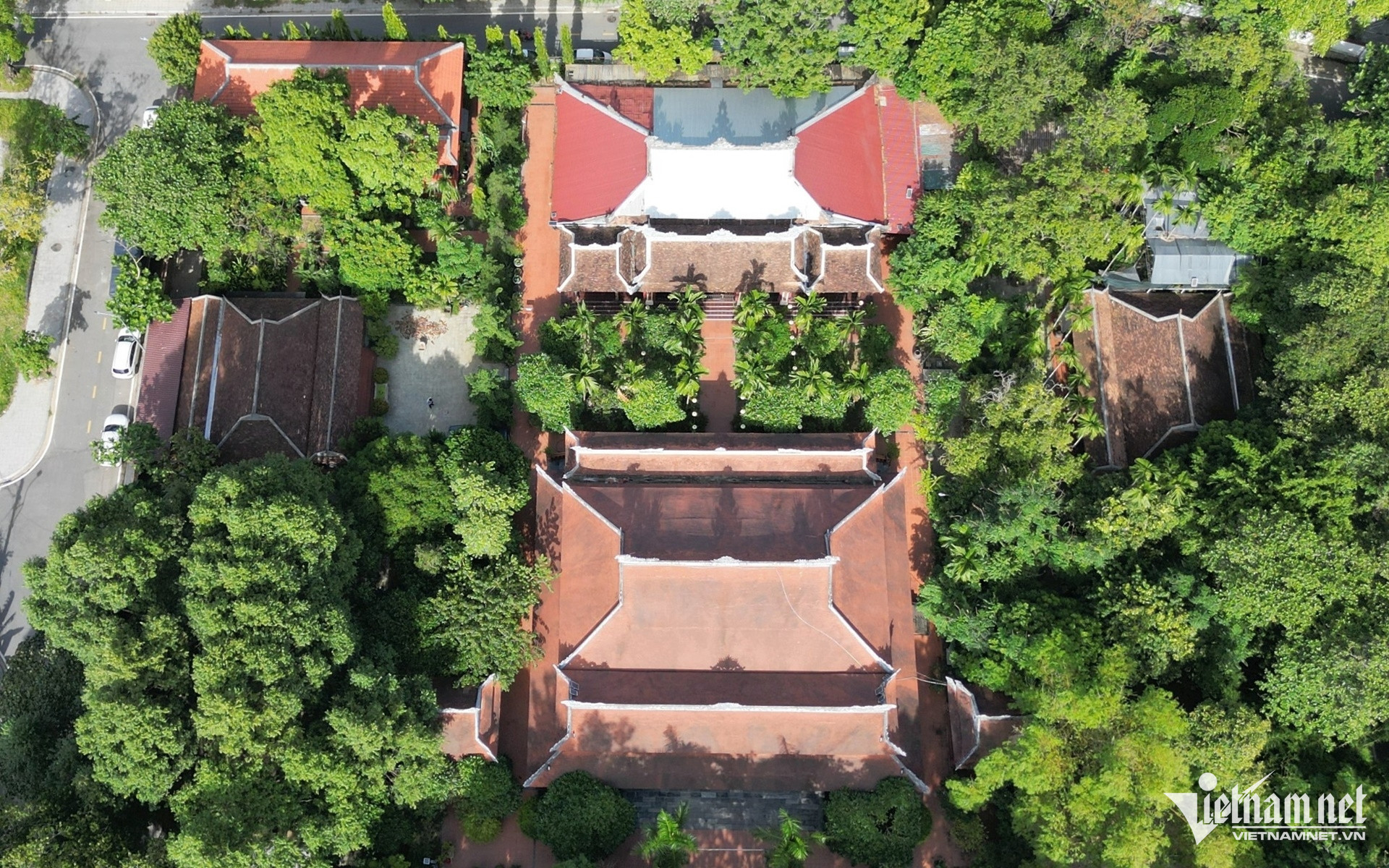
Covering approximately 2,500 square meters and enclosed by a perimeter wall, Dieu De is one of three surviving Nguyen Dynasty royal pagodas in Hue, alongside Thien Mu Pagoda and Thanh Duyen Pagoda.
Following the fall of the imperial capital in 1885, several Nguyen Dynasty officials relocated their administrative activities to Dieu De Pagoda.
Various sections of the complex were subsequently repurposed as government offices, a treasury, a mint, an astronomical observation facility and even a prison.
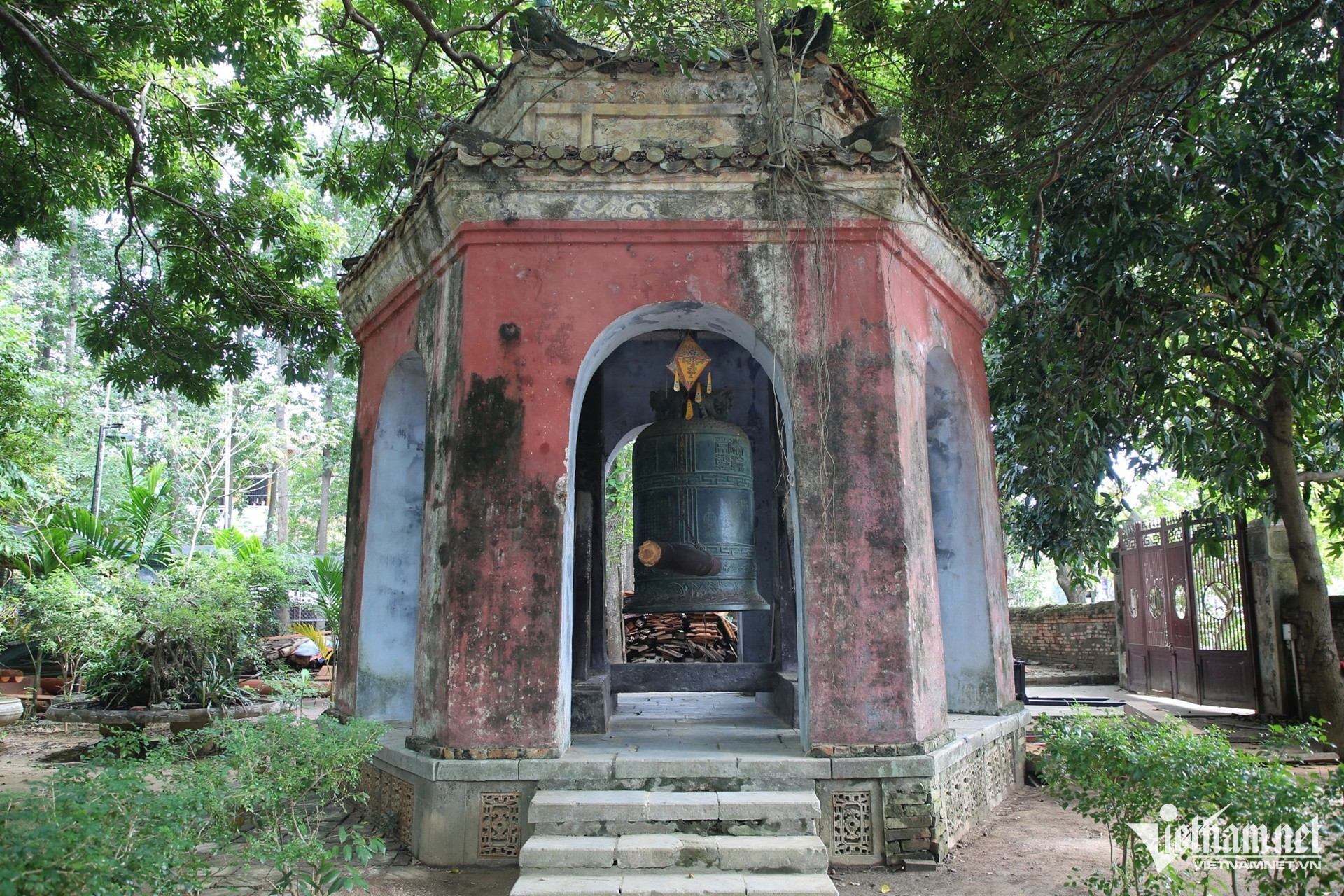
Despite these historical upheavals, the pagoda's stele pavilion and bell tower have survived in almost their original condition.
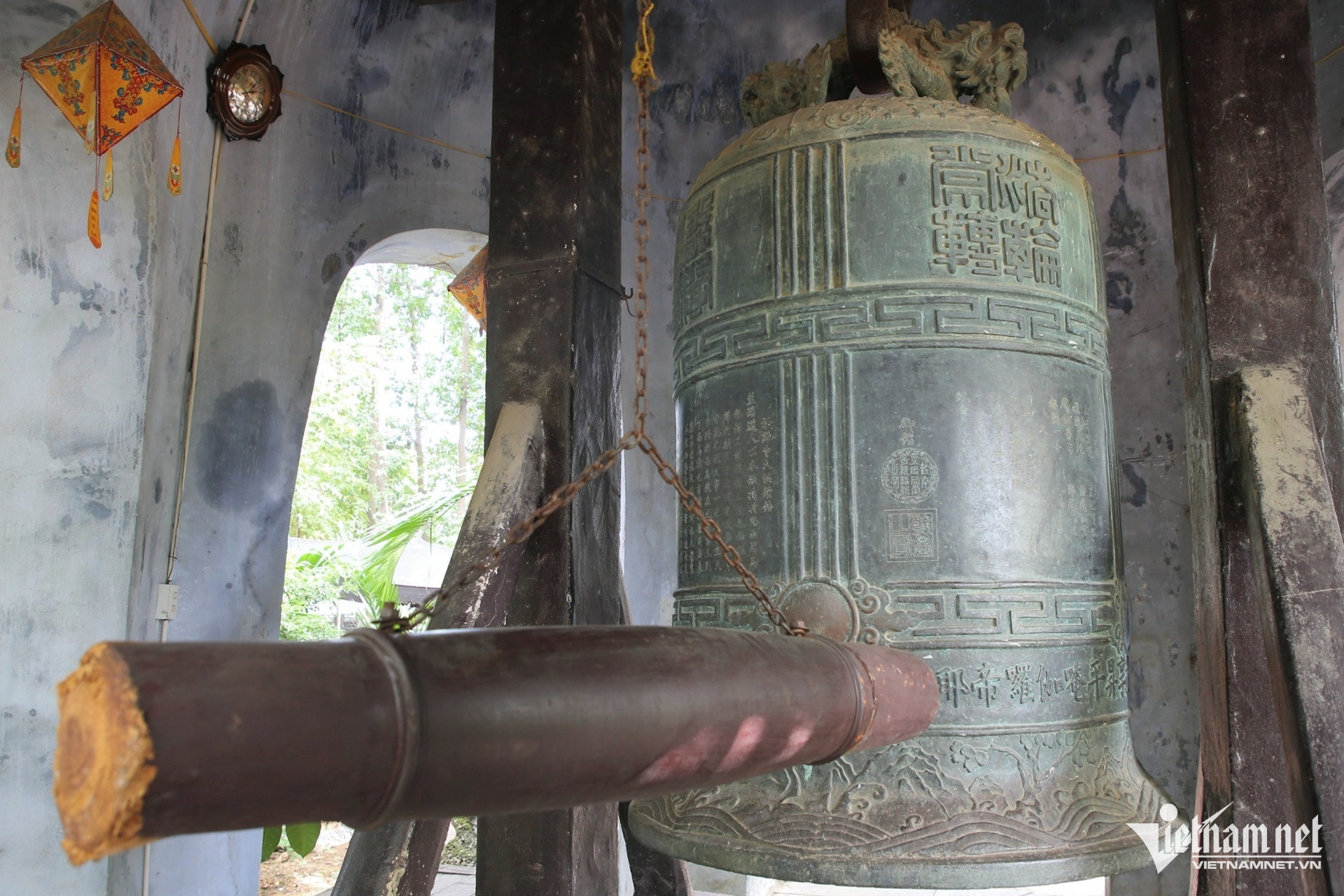
The ancient bronze bell, housed in a hexagonal pavilion, was cast in 1846 and weighs nearly four tonnes.
Its surface features intricate decorative patterns representing the 28 lunar mansions of traditional East Asian astronomy, together with carefully engraved inscriptions that reflect the artistic craftsmanship of the Nguyen Dynasty.
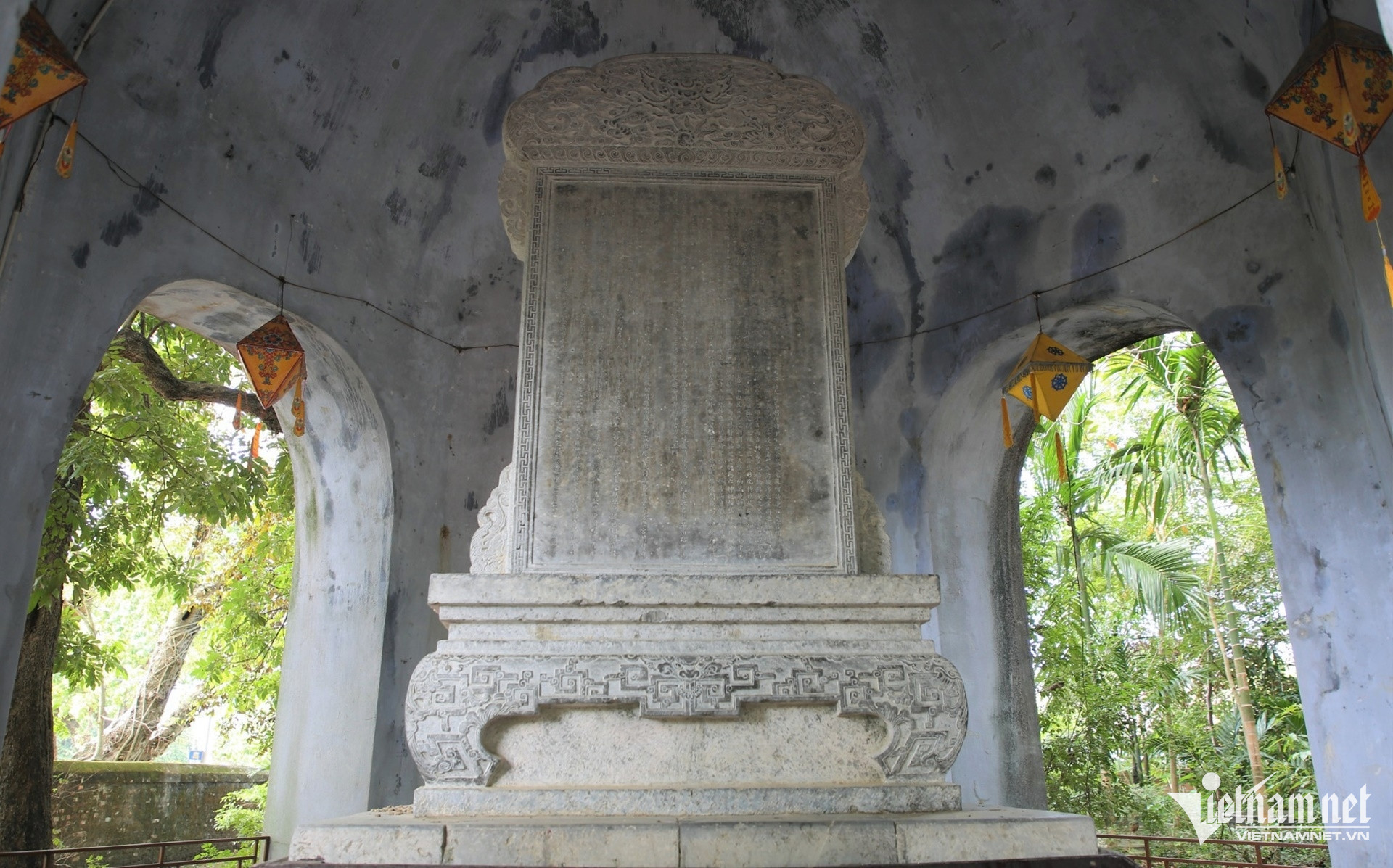
Another important artifact is the stone stele bearing the title Ngu che thi de Dieu De tu, erected in 1846.
The stele contains an inscription recounting the construction of Dieu De Pagoda, along with seven poems composed by Emperor Thieu Tri.
Housed in a hexagonal pavilion, it features elaborately carved decorative motifs on its upper section and stone pedestal.
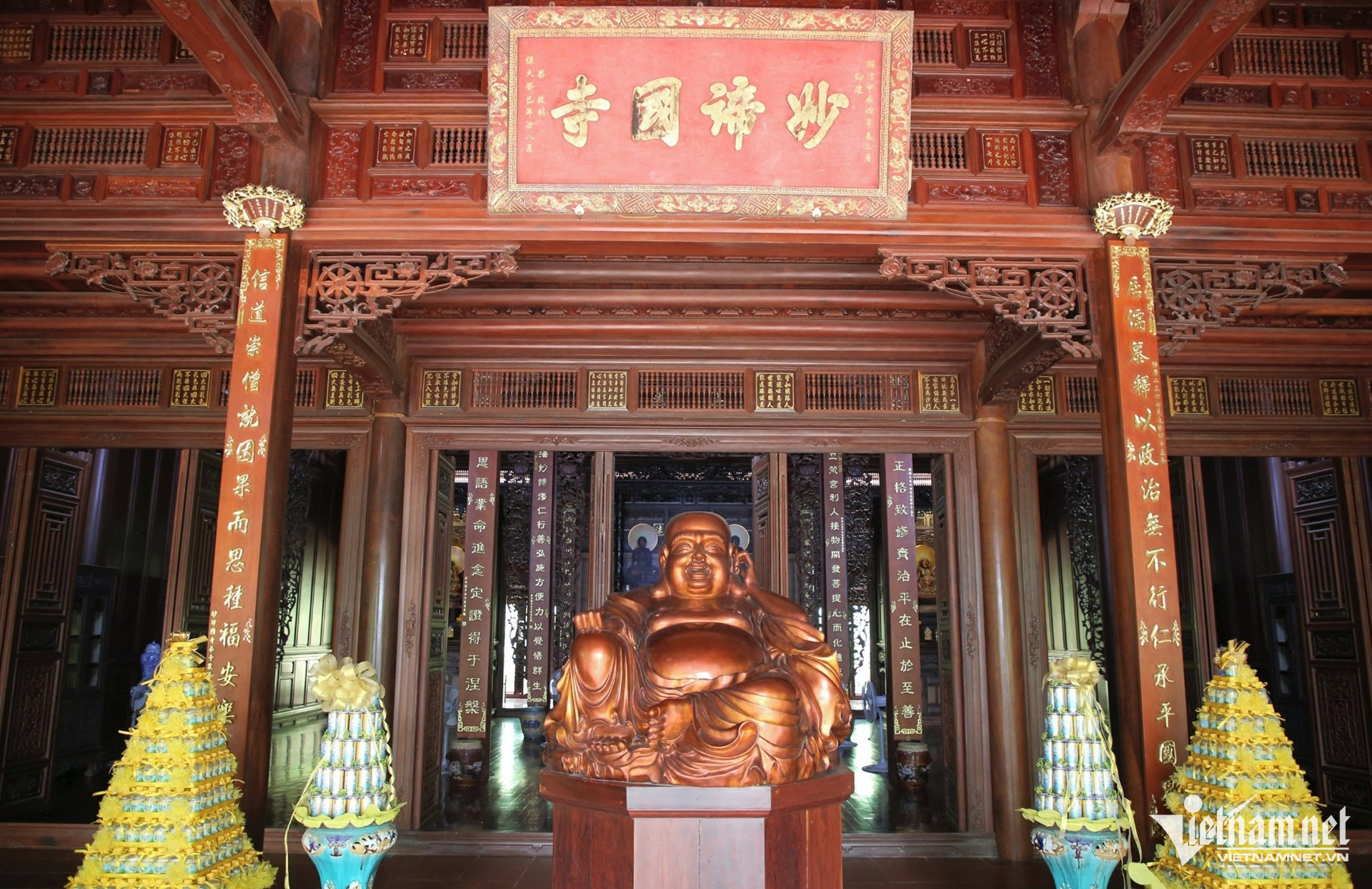
Inside the pagoda, a prominent horizontal lacquered plaque bearing the inscription Dieu De Quoc Tu, meaning Dieu De Royal Pagoda, stands out among the intricately carved wooden architectural details.
The plaque includes an inscription dating to the fourth year of Emperor Thieu Tri's reign, corresponding to 1844, when the pagoda was established and granted royal status.
In 2018, Dieu De Pagoda began a major restoration project that included constructing a new main hall in the traditional timber-frame architectural style of Hue.
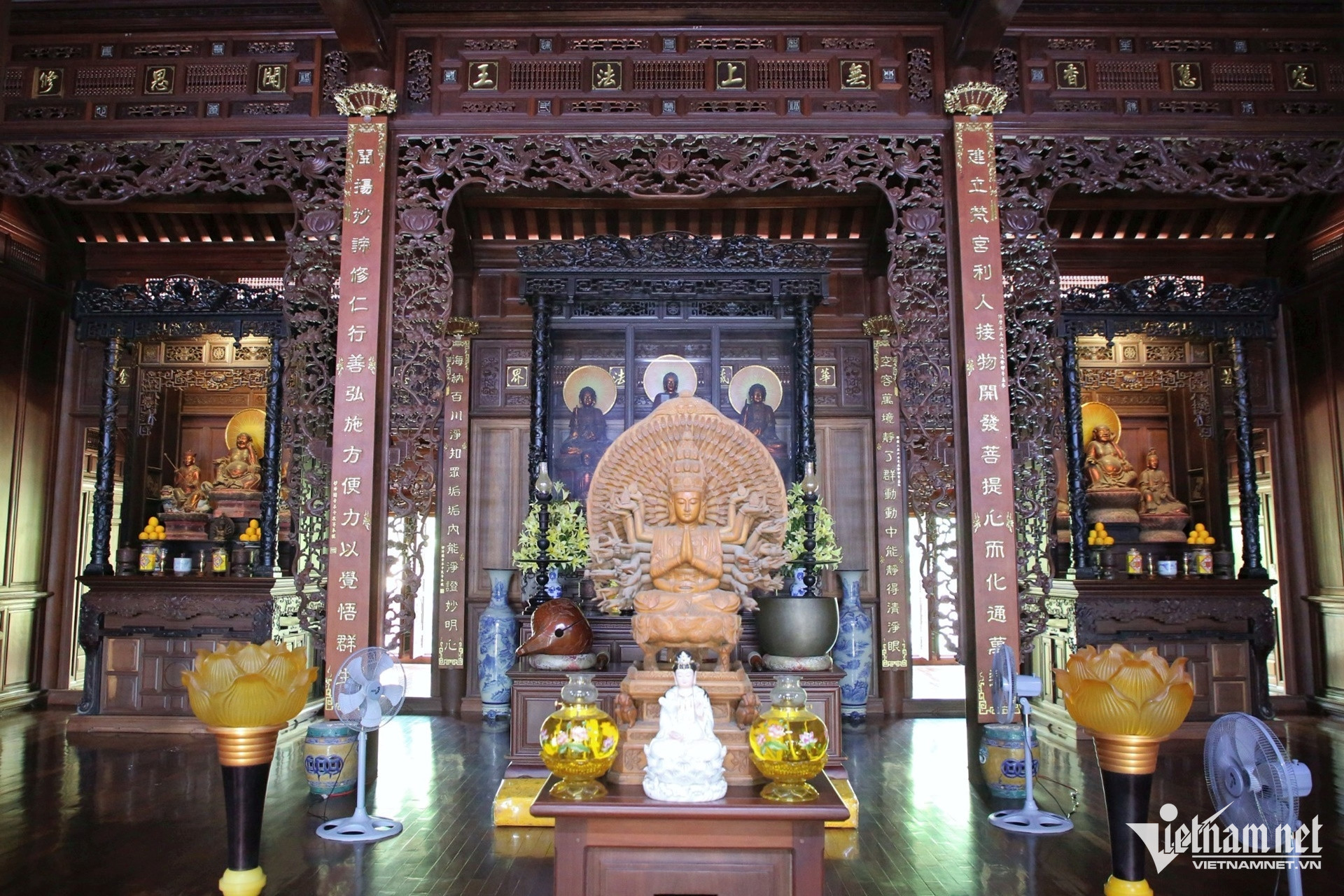
The new hall follows a three-bay, two-wing layout, with a roof covered in traditional tiles and five entrances across its facade.
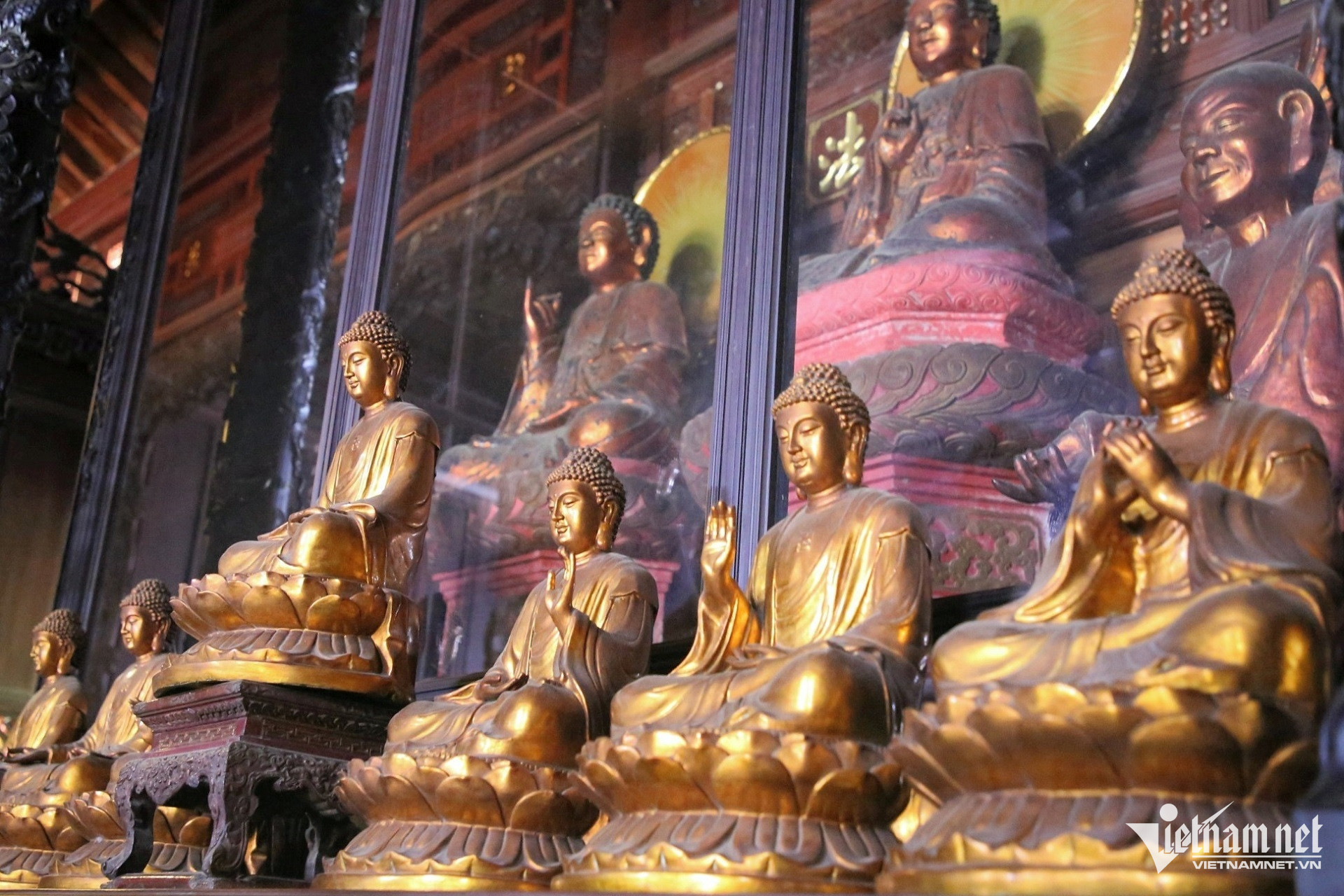
Gilded and lacquered Buddha statues occupy the central worship area, while statues of Arhats, enlightened disciples of the Buddha, are arranged on either side.
A monumental dragon mural preserved through an extraordinary relocation
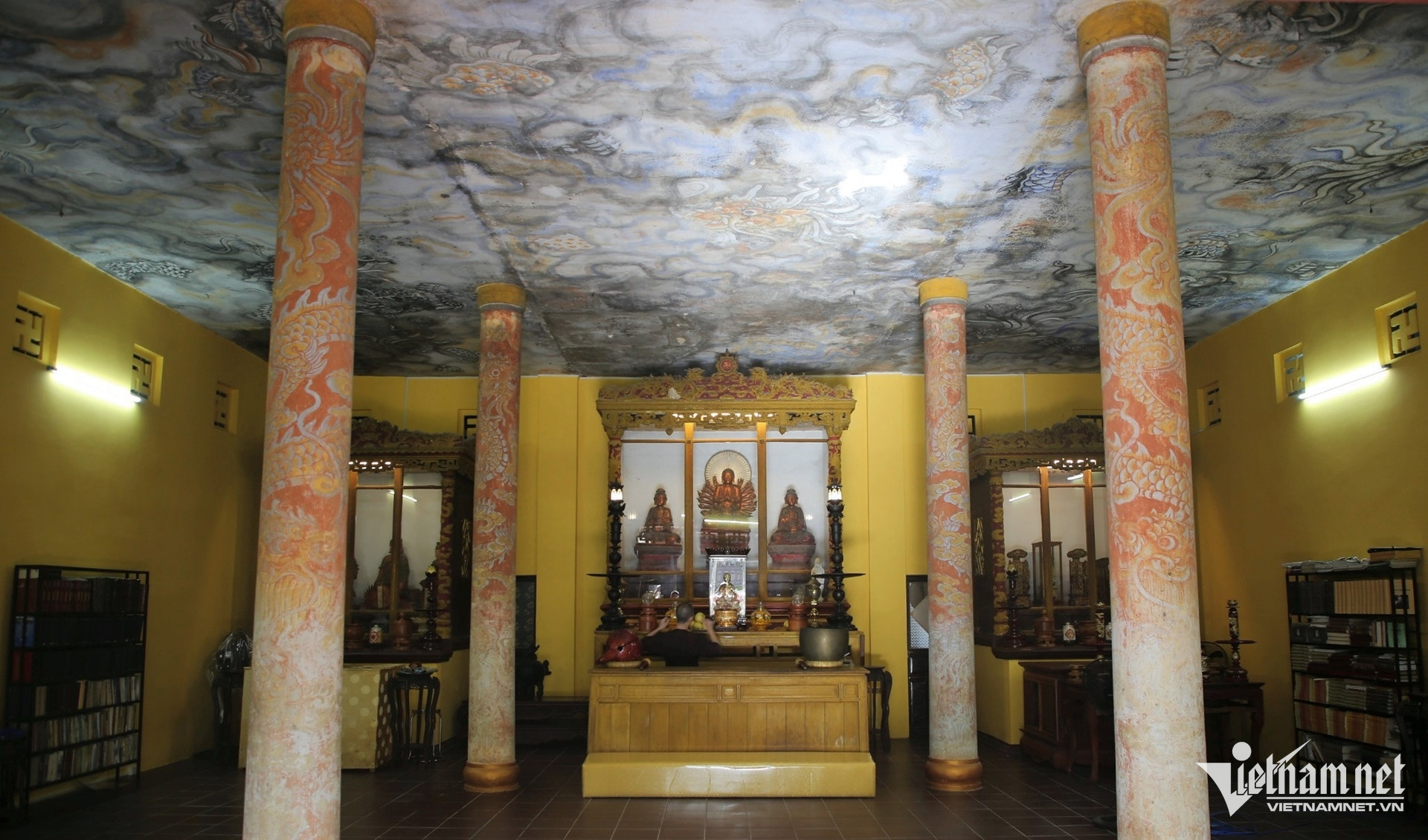
One of Dieu De Pagoda's most remarkable features is its former main hall, known as the Dai Hung Bao Dien, covering approximately 350 square meters.
In September 2022, structural relocation specialist Nguyen Van Cu and his team moved the entire building nearly 19 meters backward to preserve its architecture and the precious mural known as Long van khe hoi.
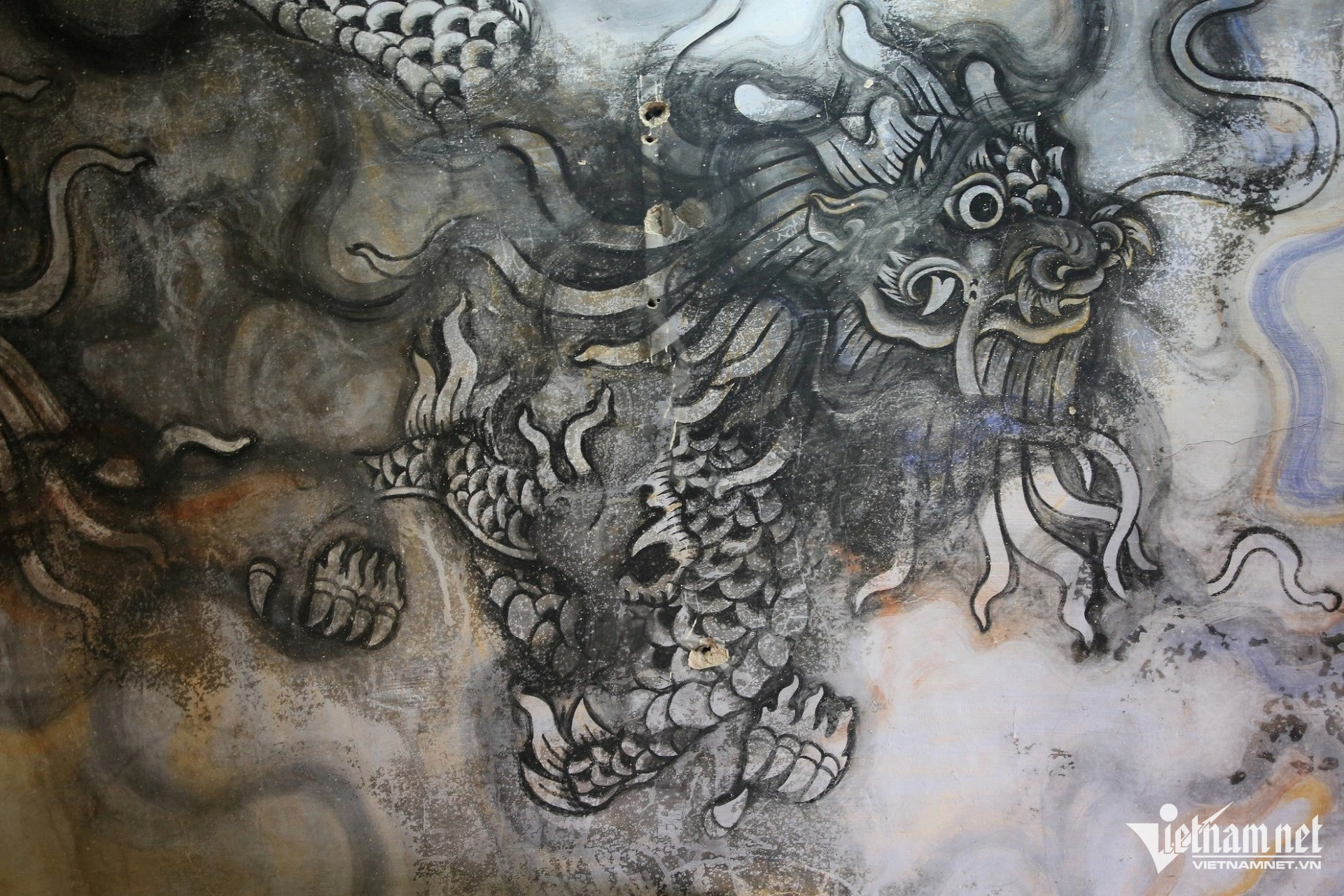
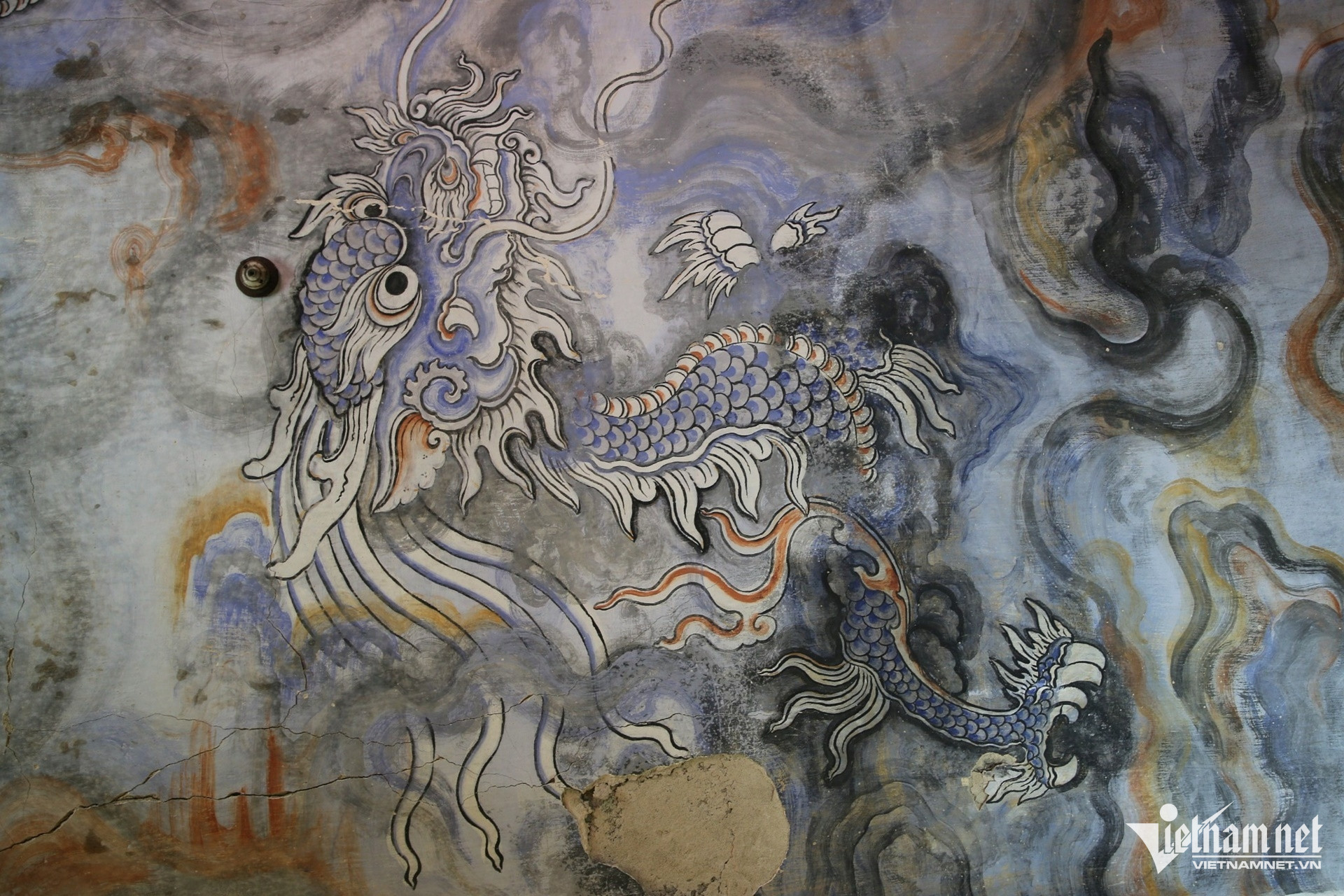
Also called Cuu long an van, or Nine Dragons Hidden Among Clouds, the artwork depicts five dragons emerging from layers of clouds across the ceiling and four additional dragons winding around the hall's supporting columns.
Measuring more than 10 meters in length and nearly 11 meters in width, the mural reflects the artistic style of Vietnamese imperial court painting.
It was created during a restoration of the pagoda around 1953.
In March 2008, the artwork was officially recognized with a Vietnamese record as the country's oldest and largest painting on the ceiling of an ancient main hall.
Two of the dragon figures illustrate the mural's intricate brushwork and elaborate coloring.
Although sections of the painting have faded or suffered peeling over time, many of its artistic details remain clearly visible.
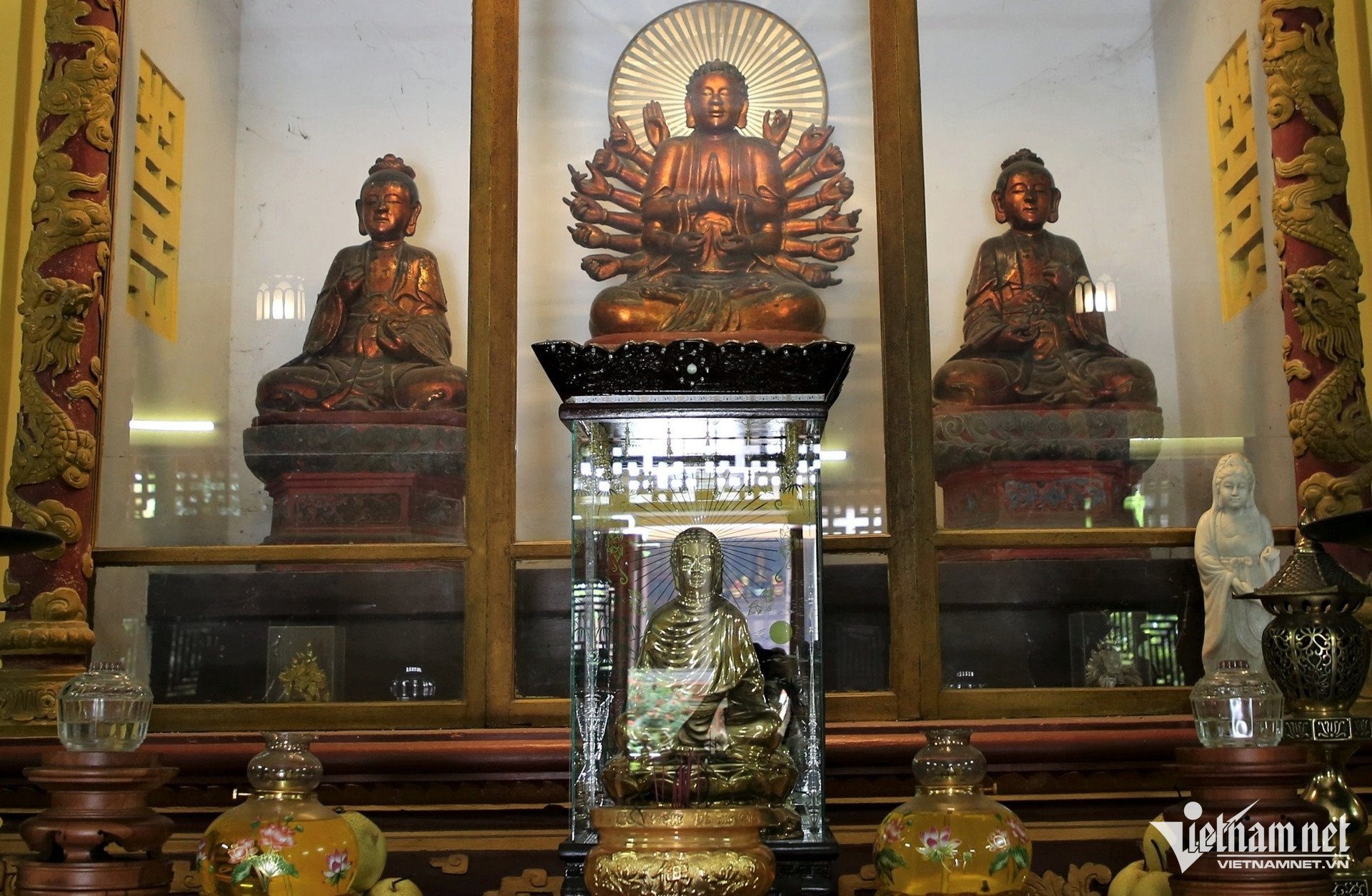
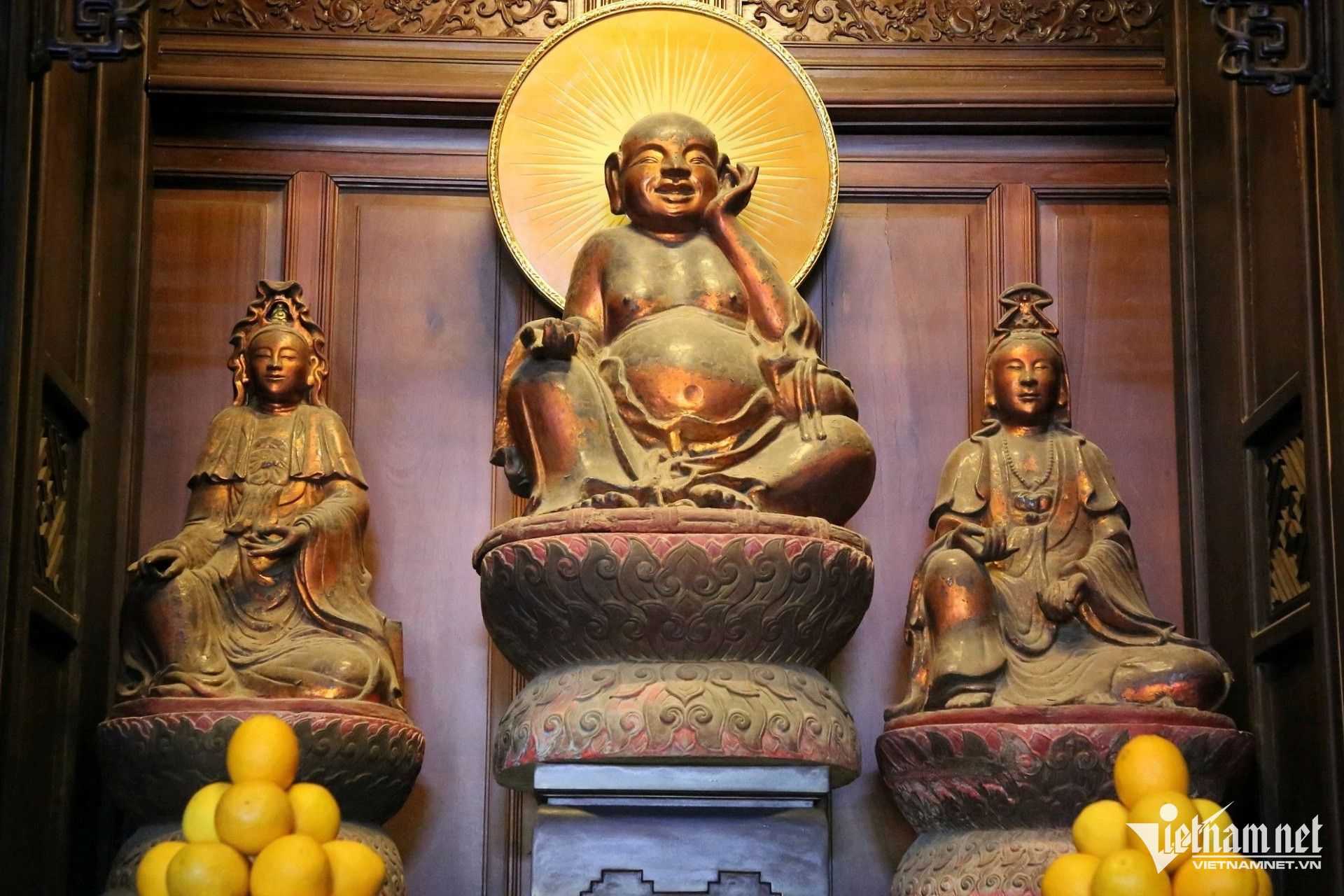
The former main hall also preserves numerous valuable Buddha statues and ritual objects, carefully arranged within its historic interior.
Among them are several ancient Buddha statues dating back to the 19th century.
Historical records indicate that some of the statues were transferred from Giac Hoang Pagoda inside Hue Imperial Citadel after that temple was dismantled in 1885.
Preserving imperial heritage and Buddhist traditions
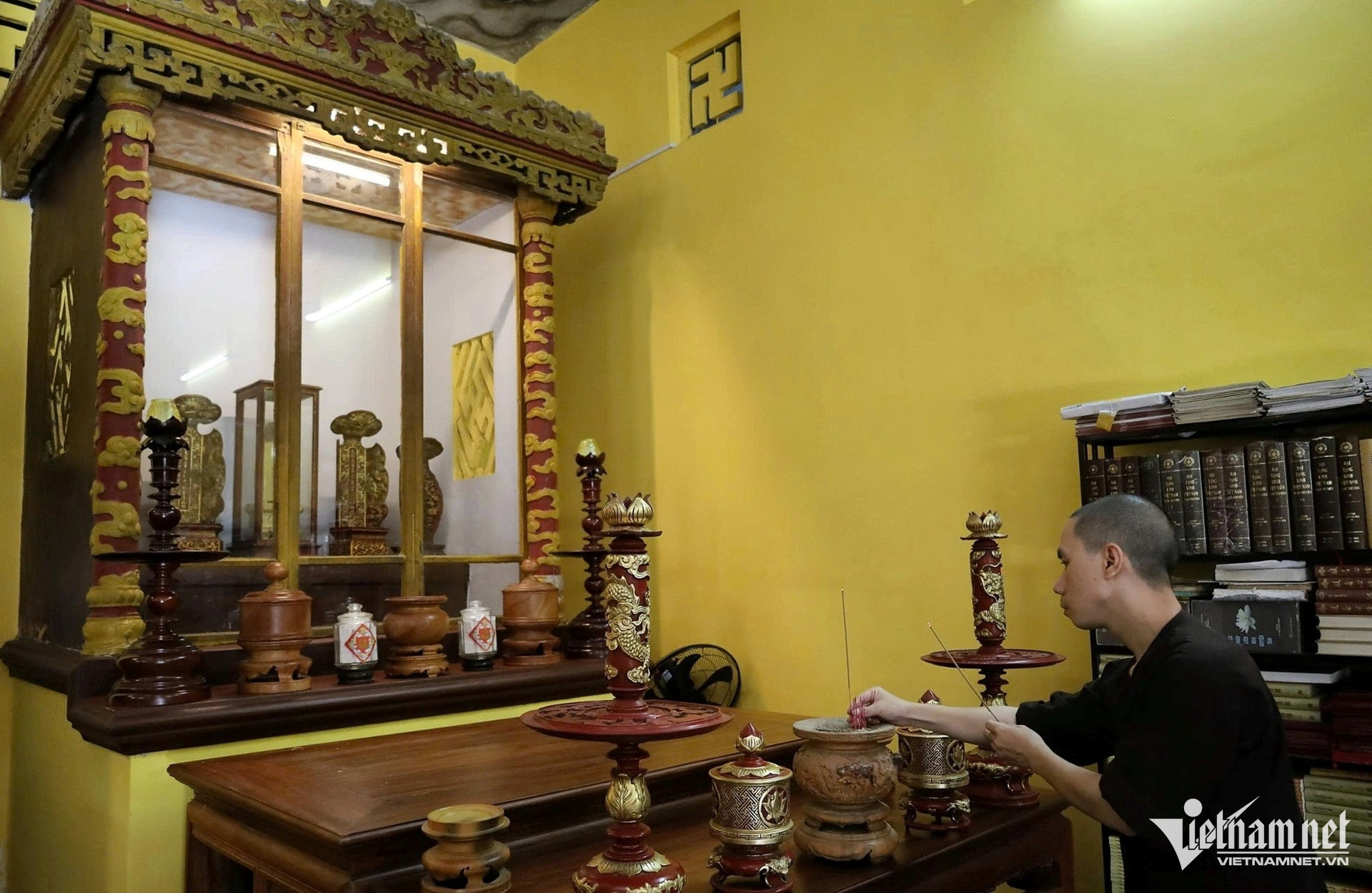
Venerable Nhan Tam, a monk at Dieu De Pagoda, regularly offers incense at an altar holding Emperor Thieu Tri's memorial tablet, located in the right-hand corner of the former main hall.
According to the monk, the pagoda holds an annual memorial ceremony for Emperor Thieu Tri on the 27th day of the ninth lunar month, marking the anniversary of his death.
Today, Dieu De Pagoda continues to serve as both an important Buddhist religious site and a repository of Hue's imperial history, architecture and art.
During Vesak celebrations, the pagoda organizes traditional Buddha bathing ceremonies and Buddhist processions.
It also welcomes residents, pilgrims and tourists who come to worship, explore its historic architecture and learn about the cultural heritage of Vietnam's former imperial capital.
The pagoda covers approximately 2,500 square meters and is one of three surviving Nguyen Dynasty royal pagodas in Hue.
Ha Nam - Ho Giap

