 Vietnamnet.vn

 Podcast


Sacred treasures at the province's largest pagoda
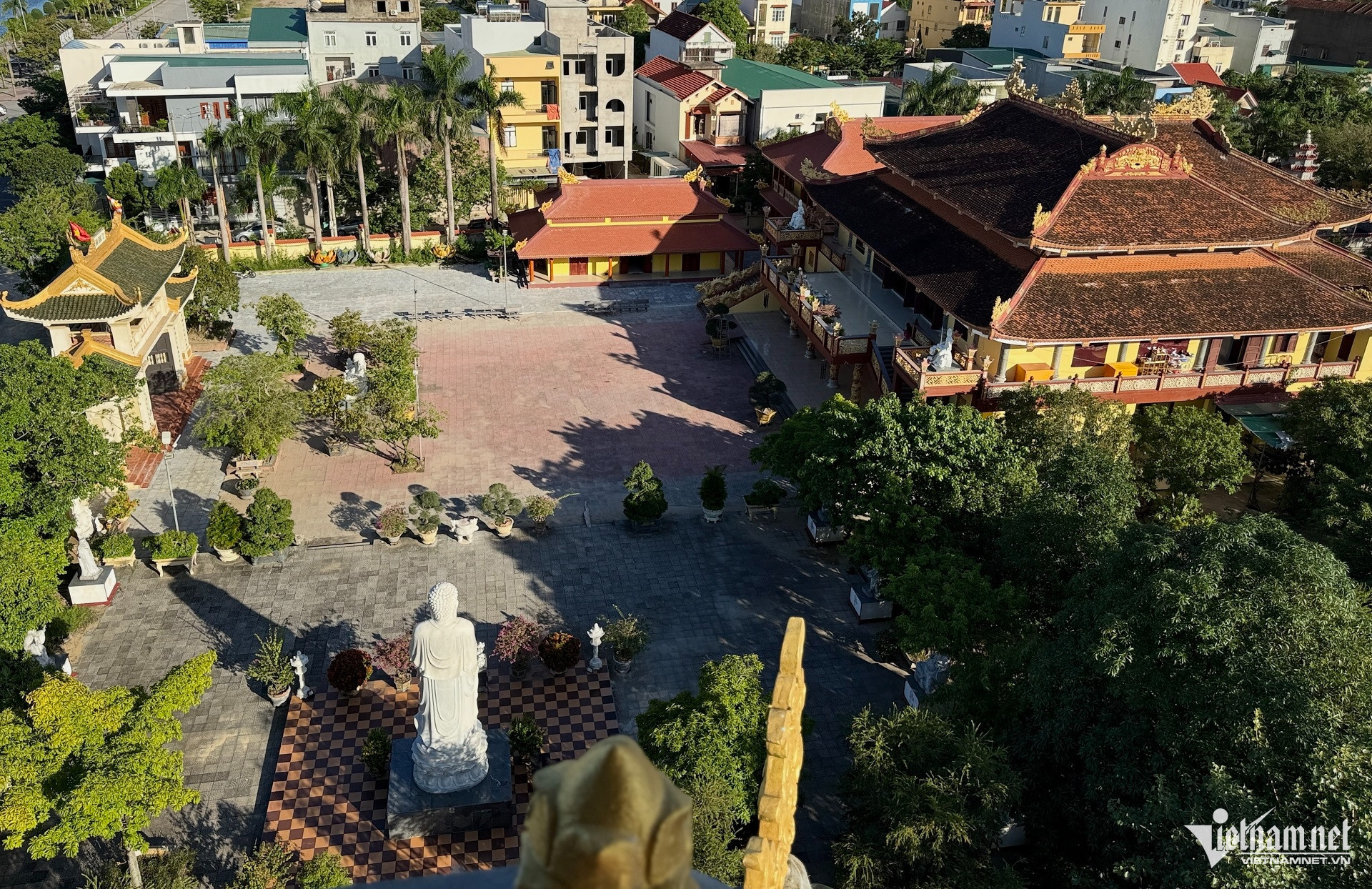
Once known as the largest pagoda in the former Quang Binh province, Dai Giac Pagoda in Dong Hoi has become an important spiritual center for Buddhists in Quang Tri province following the administrative merger.
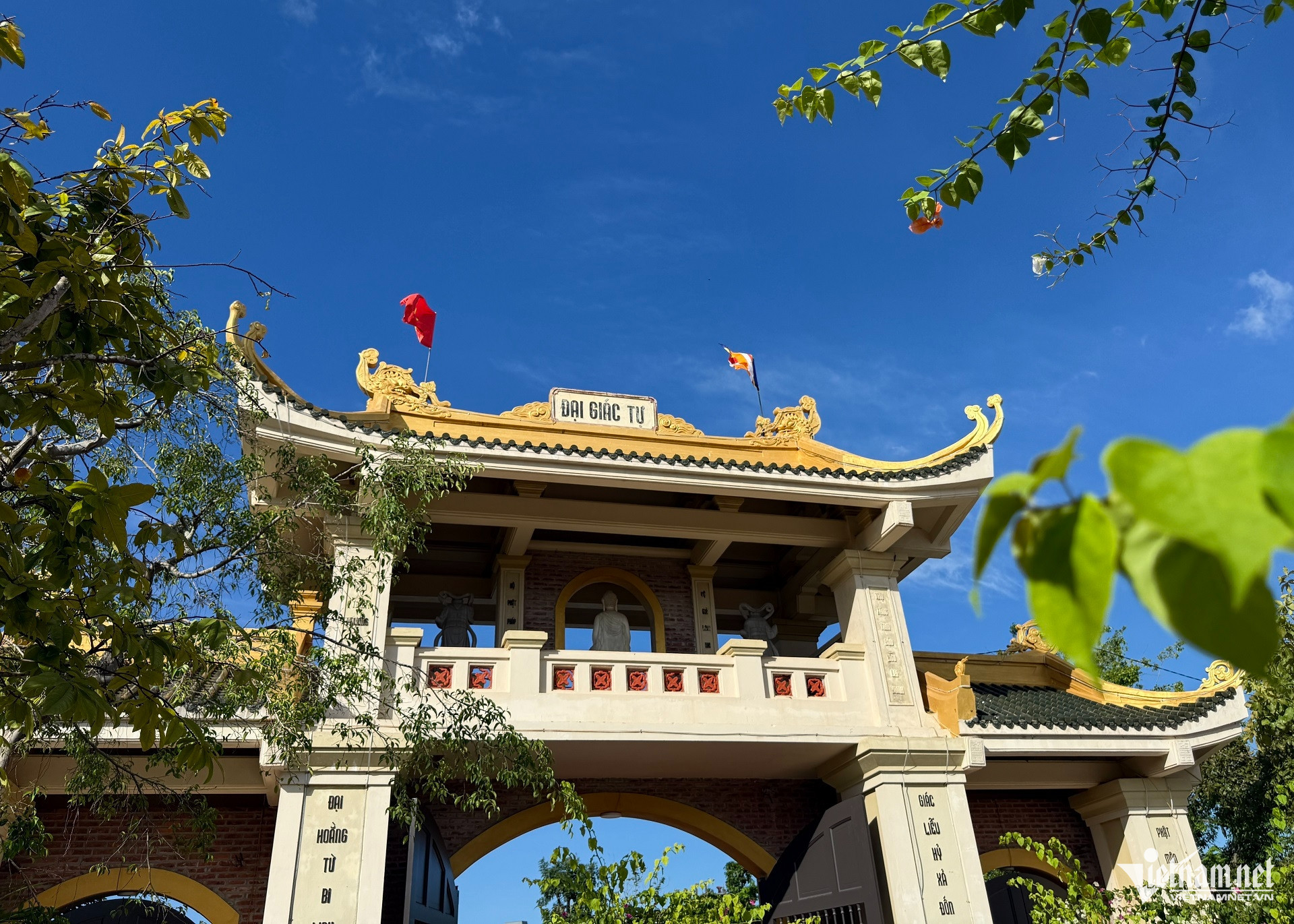
According to Venerable Thich Phuong Ho, who oversees administrative affairs at the pagoda, the site was originally a deep lake.
In 2009, when the Buddhist Sangha of the former Quang Binh province was established, Most Venerable Thich Tanh Nhiep became head of the provincial Executive Board of the Vietnam Buddhist Sangha and laid the foundations for the pagoda.
Initially, the temple consisted of a modest temporary main worship hall with a thatched roof.
In 2013, a devastating typhoon swept through the area, leaving only a standing Buddha statue amid the ruins.
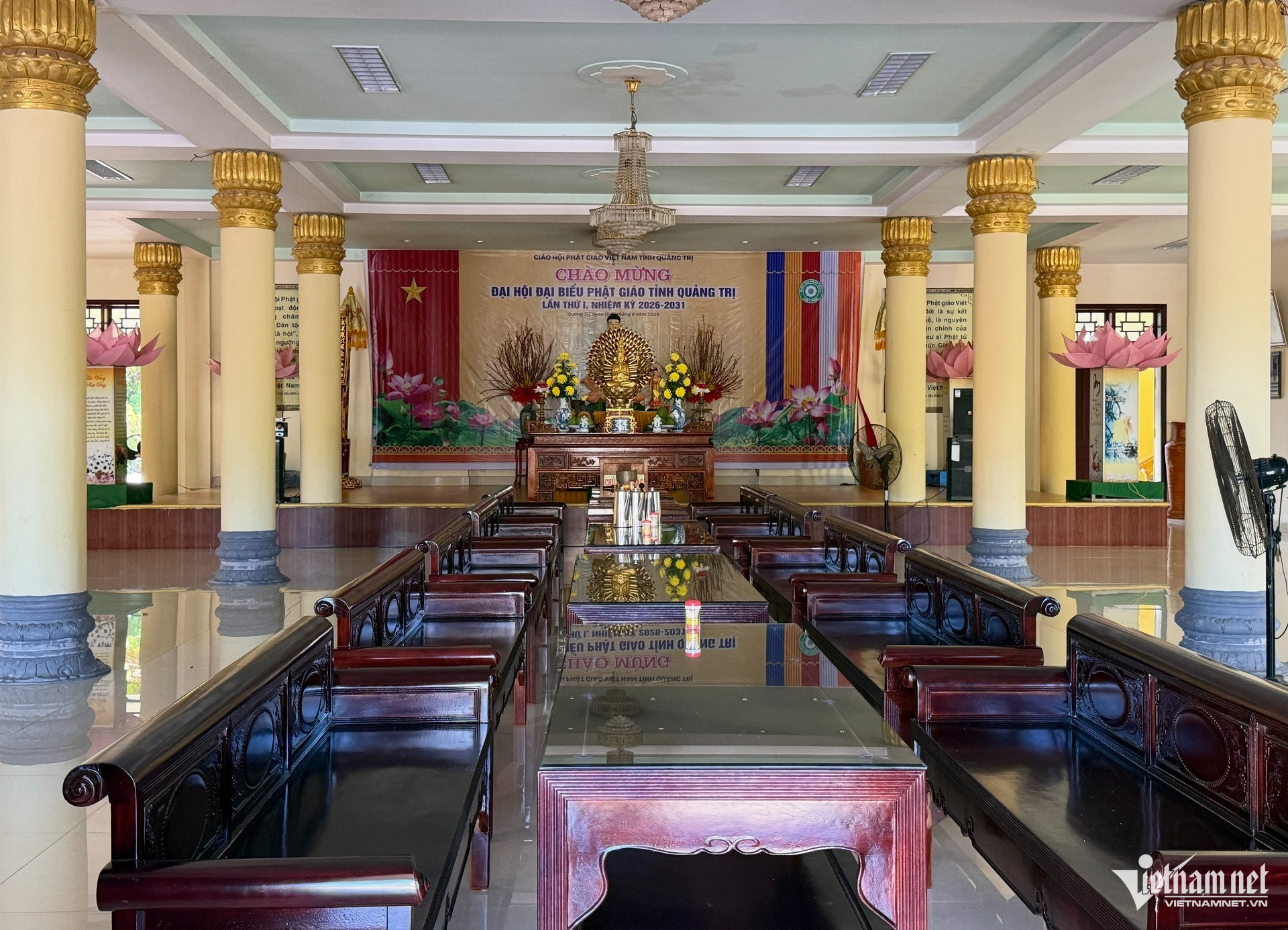
The pagoda subsequently mobilized monks and Buddhist followers to help rebuild the complex. By 2016, a spacious new main worship hall had been completed, followed by the gradual construction of additional facilities.
Today, Dai Giac Pagoda features several architectural structures of particular spiritual significance.
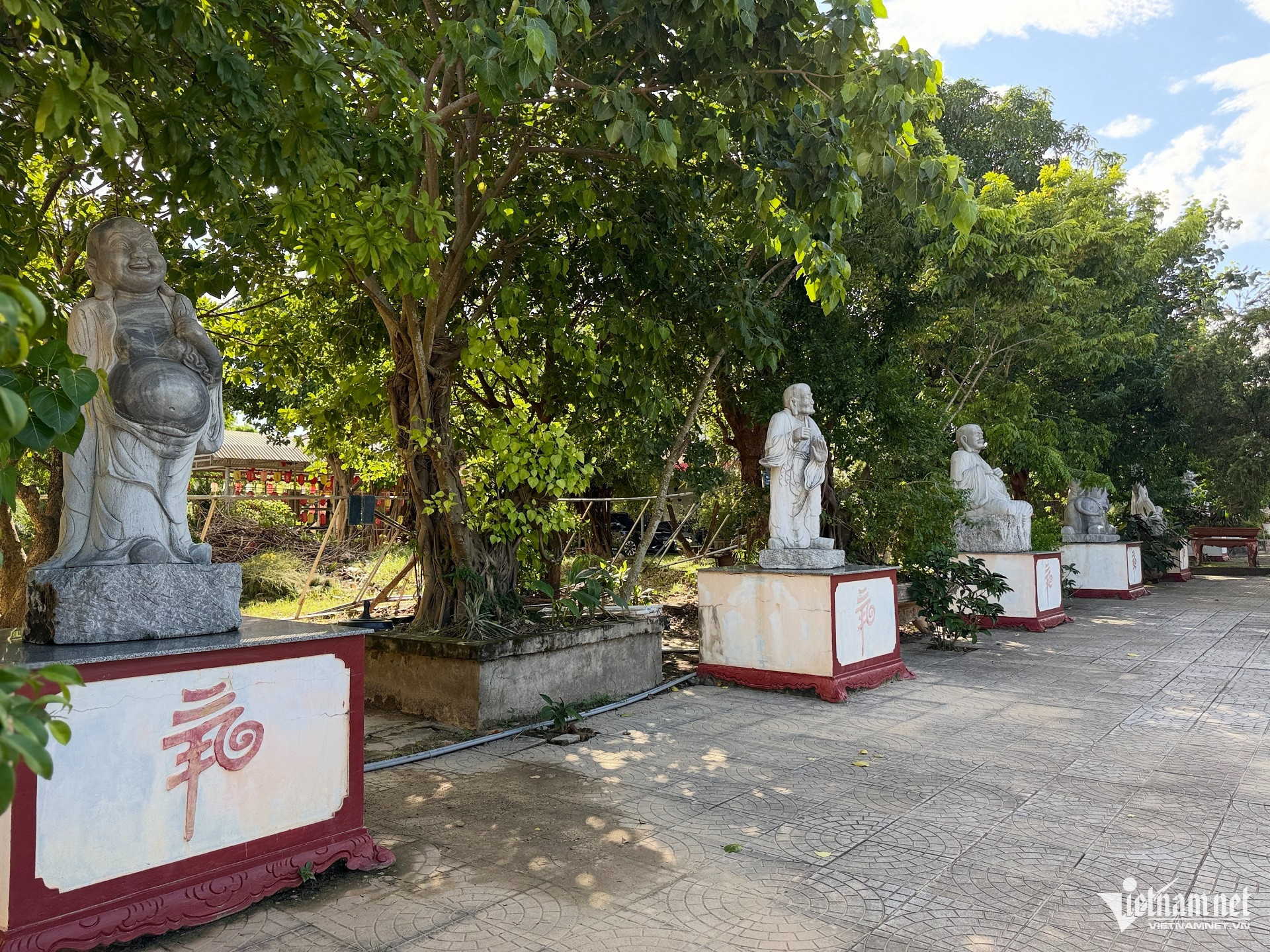
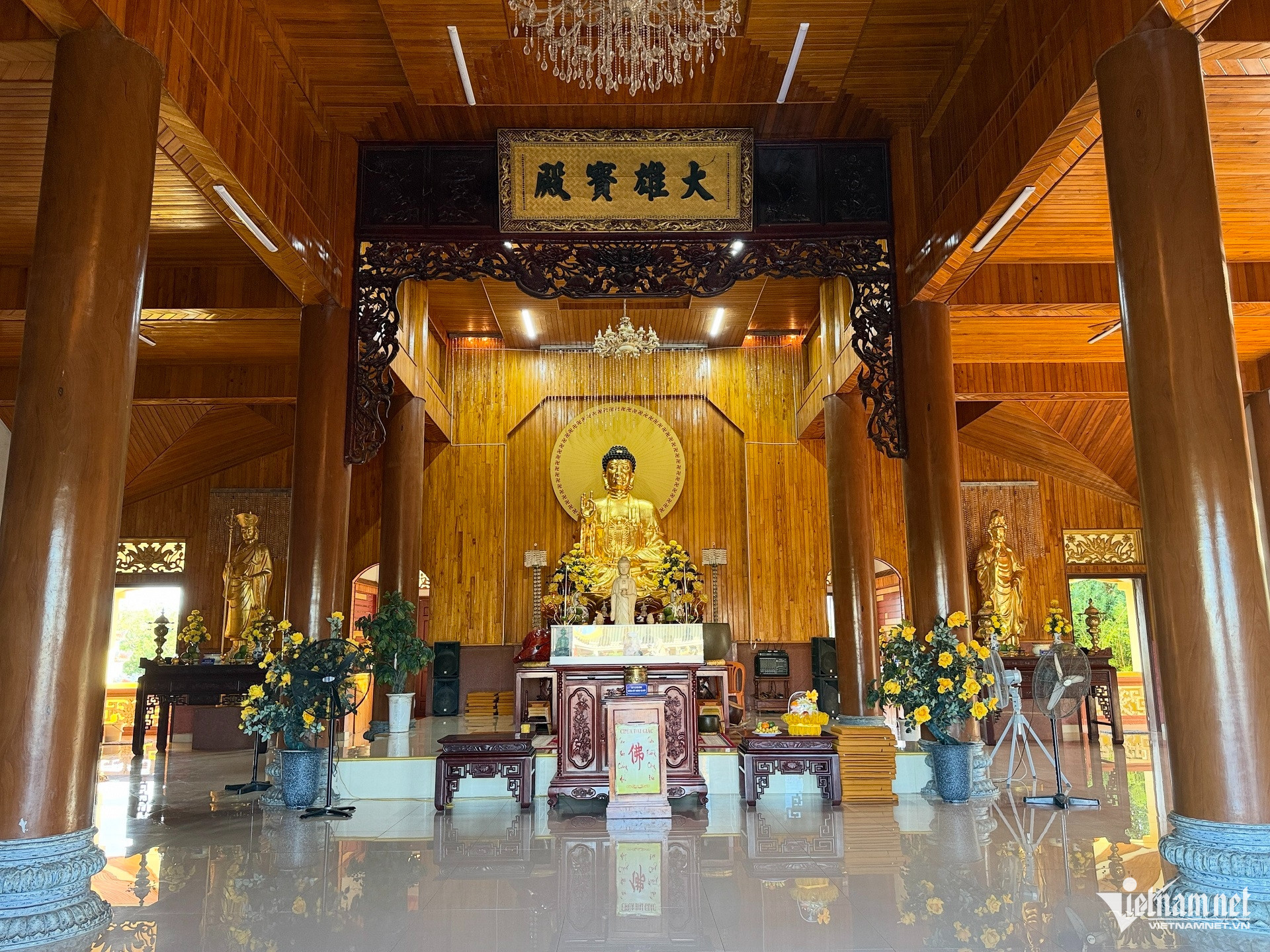
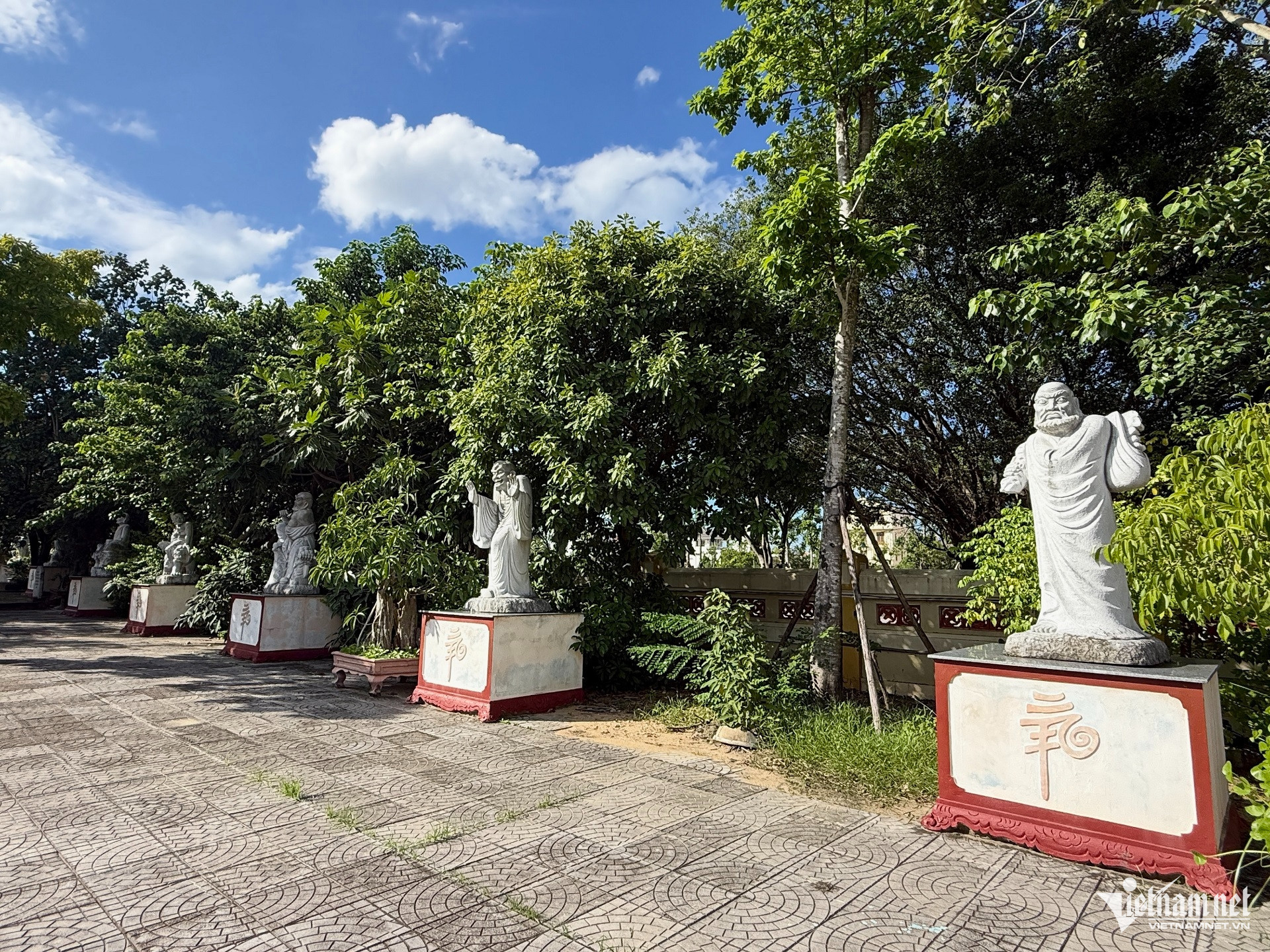
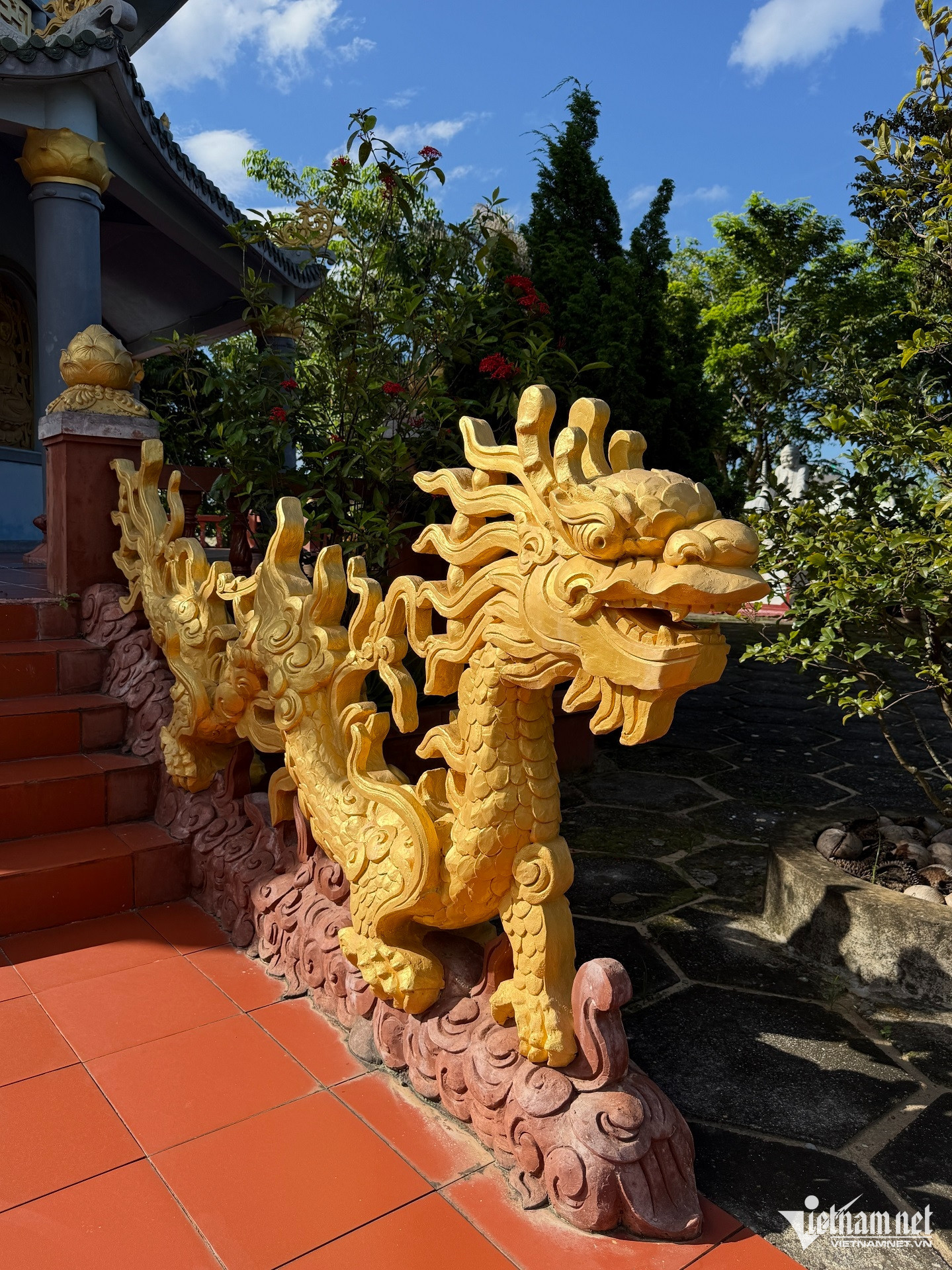
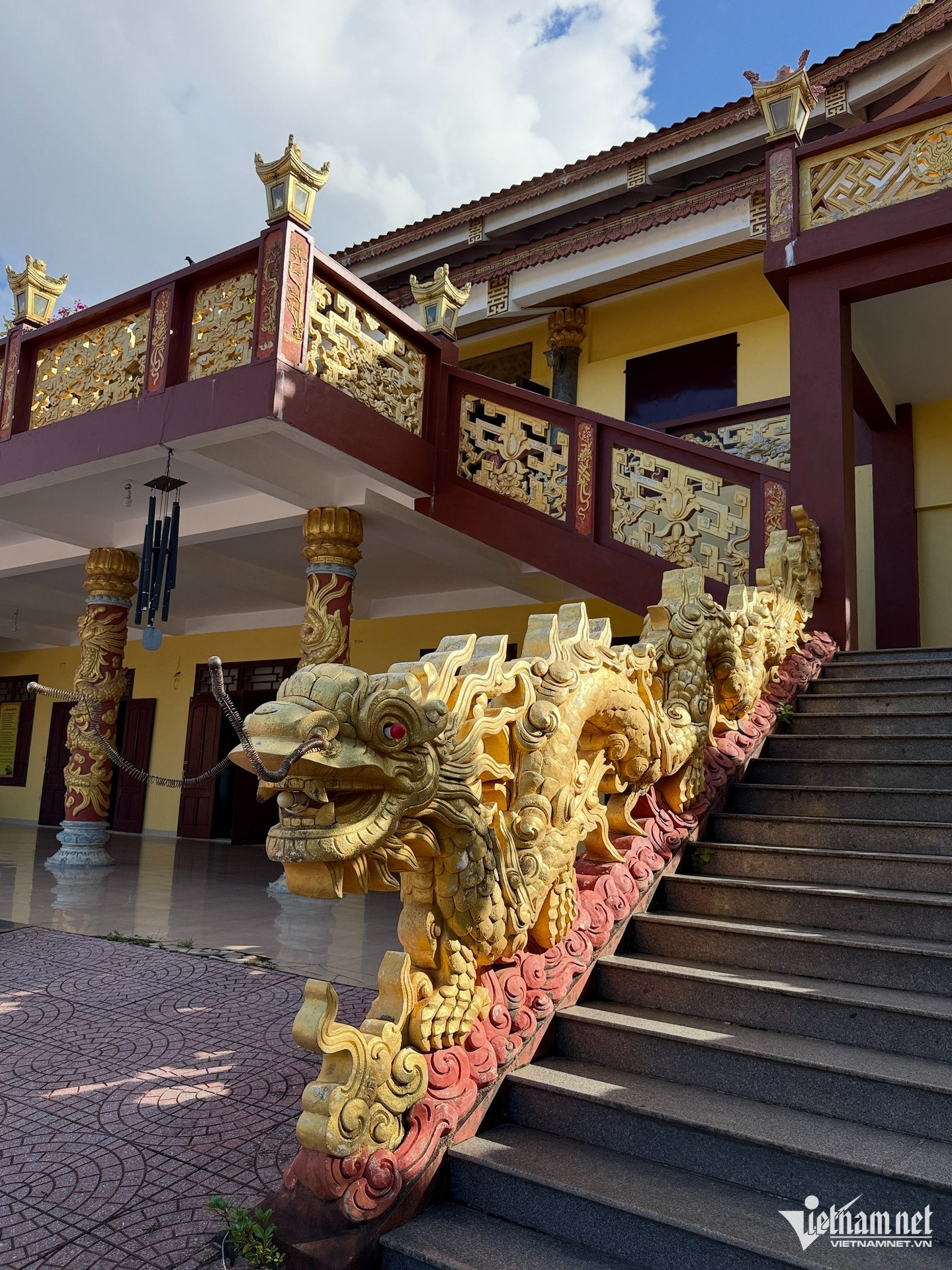
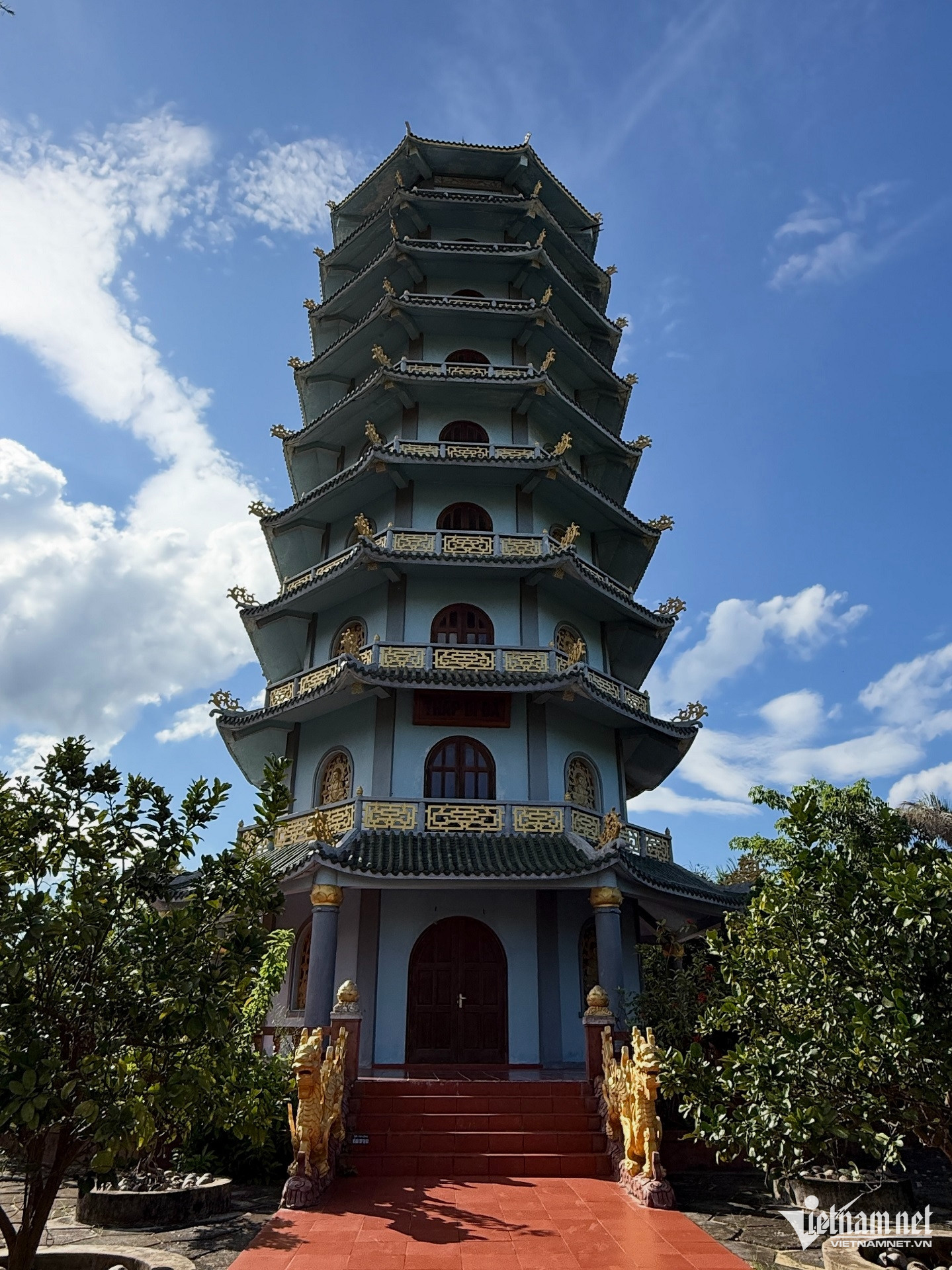
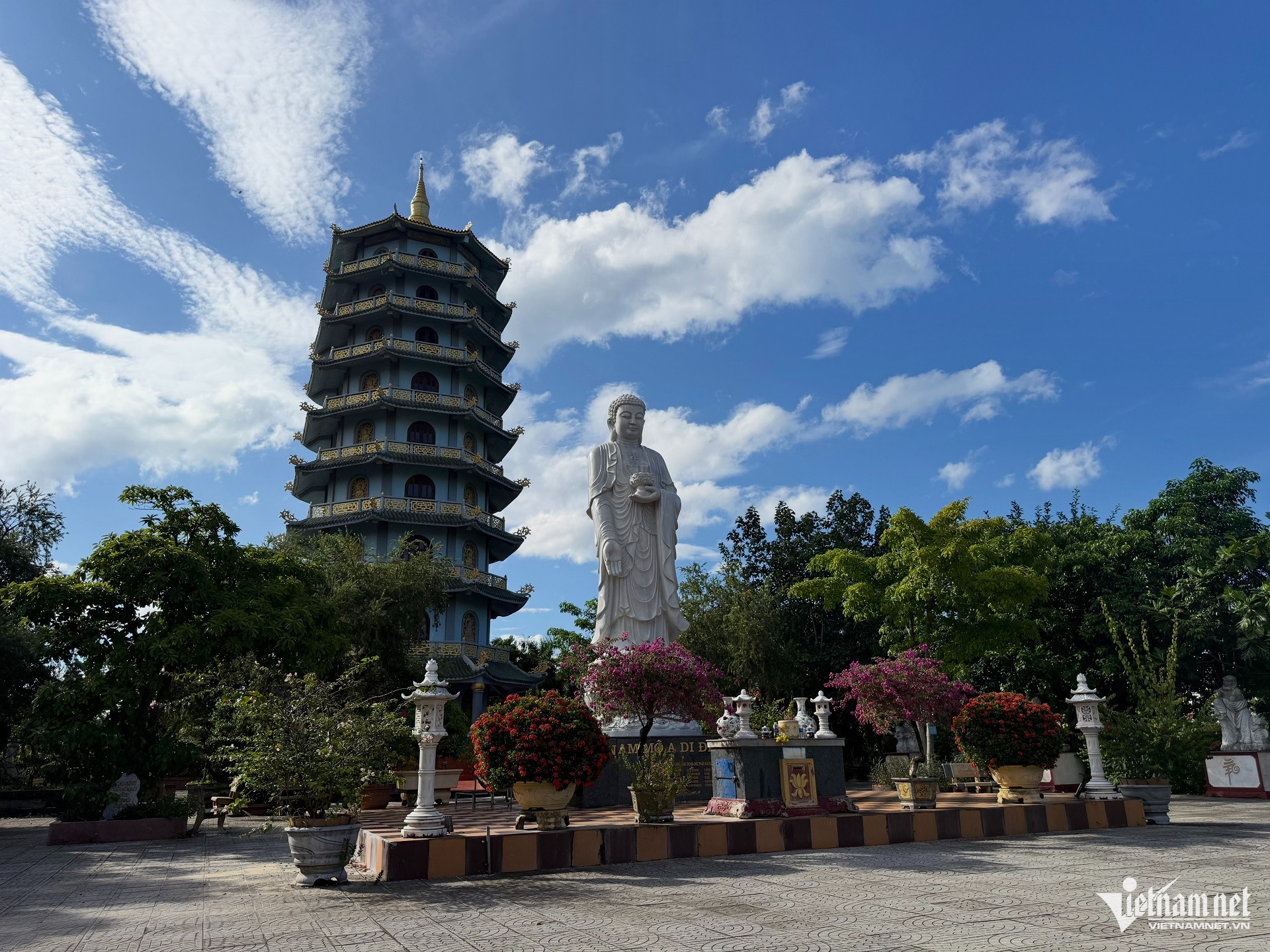
Its most prominent landmark is a nine-story Buddhist tower that rises above the surrounding landscape, creating a distinctive feature of Dong Hoi's skyline and making the pagoda easily recognizable from a distance.
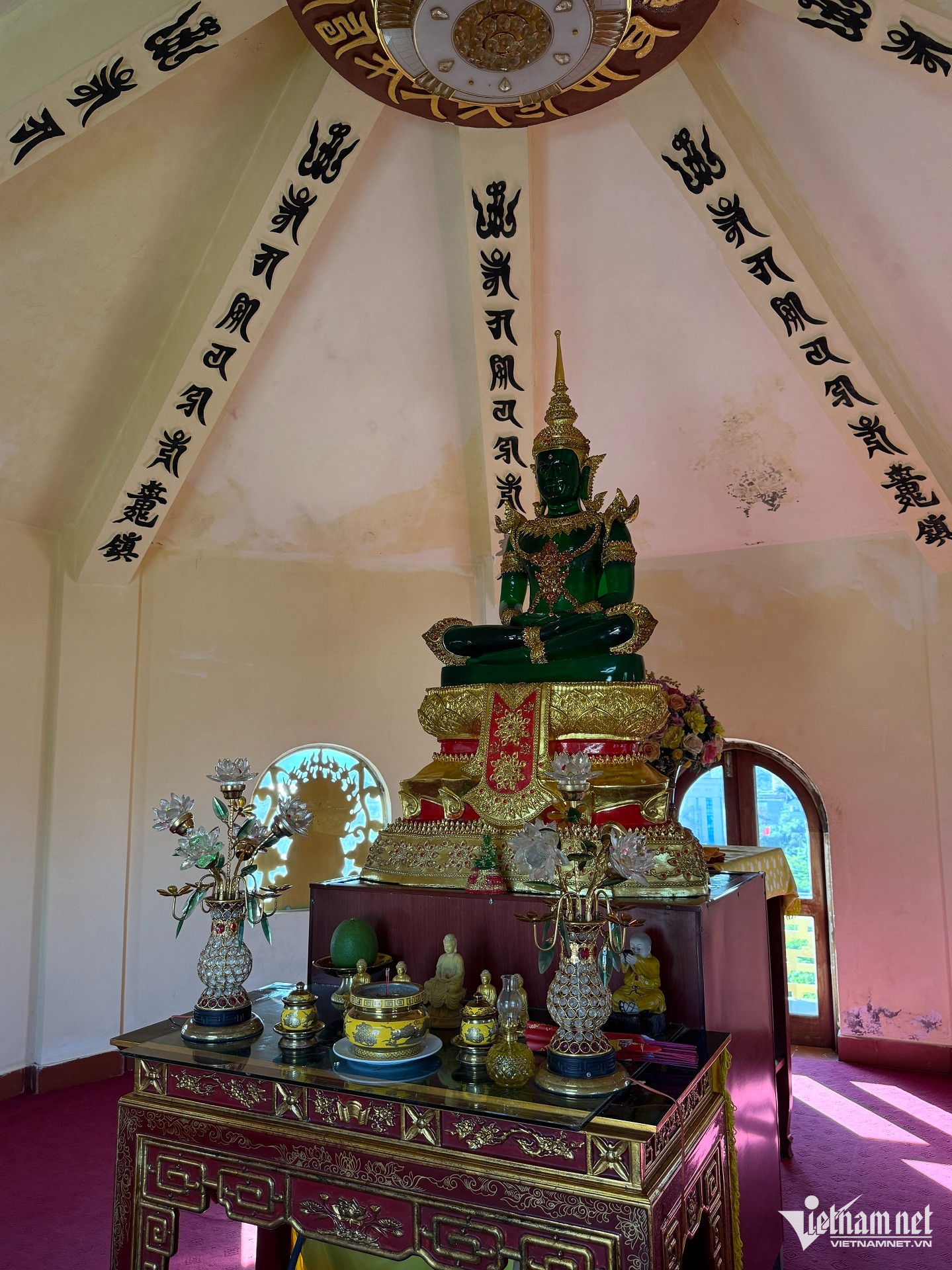
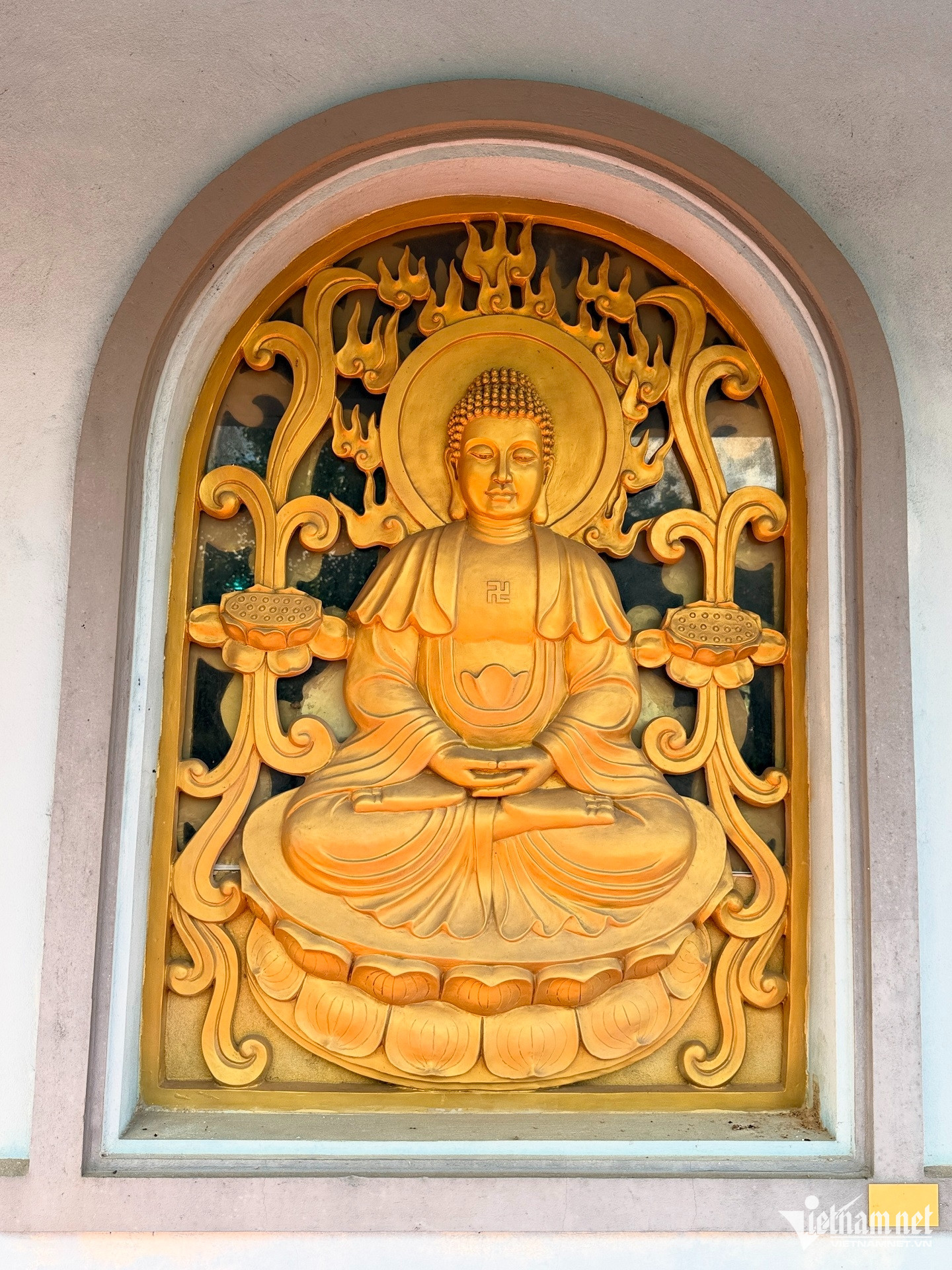
On the tower's highest floor stands a jade Buddha statue in the Theravada Buddhist tradition, brought directly from Myanmar.
In front of the tower is a nine-meter-tall Amitabha Buddha statue weighing 40 tonnes. Carved from a single block of stone and transported from Da Nang, it is among the largest marble Amitabha Buddha statues in Vietnam.
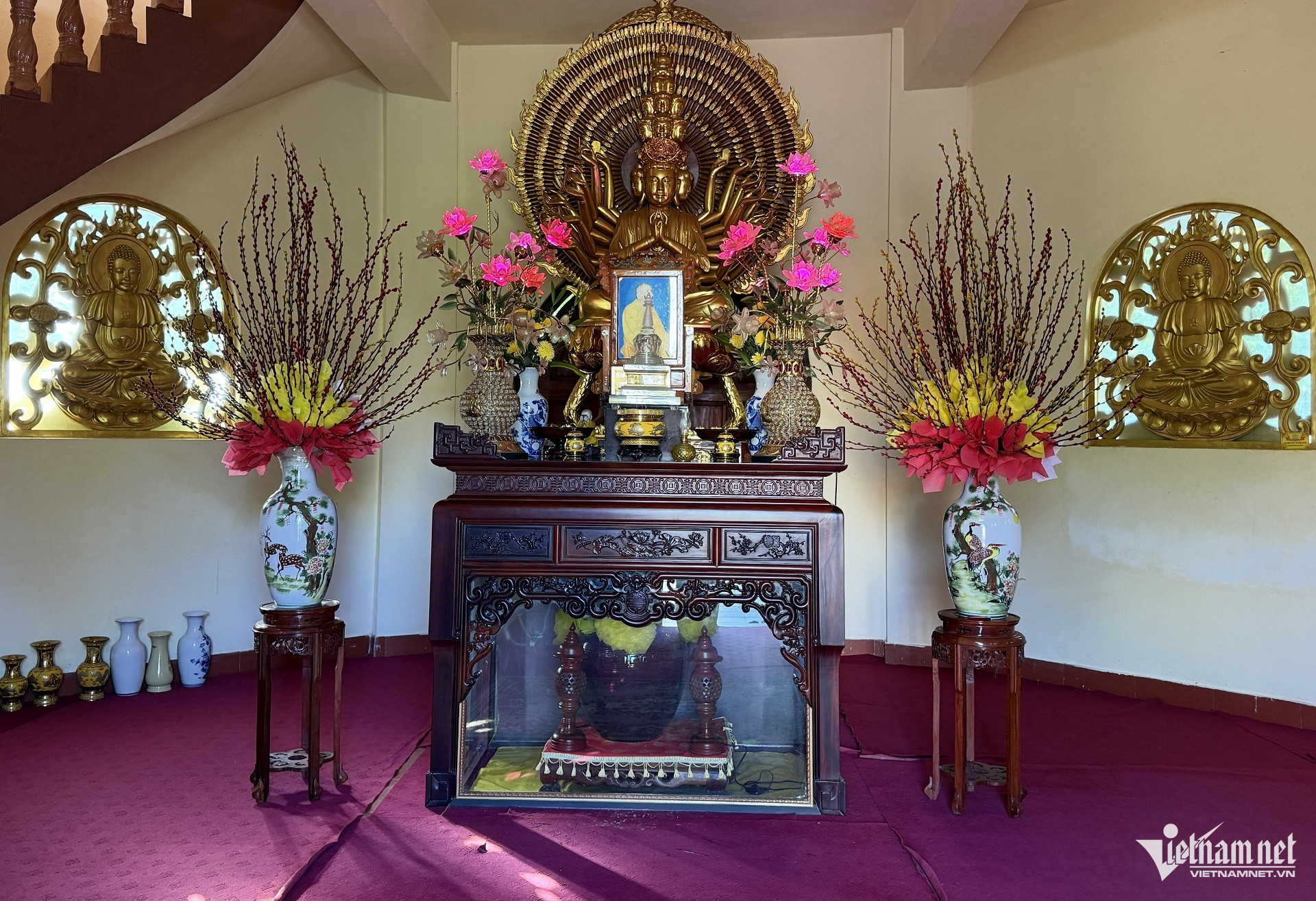
Another particularly significant feature is the presence of sacred relics of Most Venerable Thich Tri Quang, one of Vietnam's highly respected Buddhist monks.
Dai Giac Pagoda is one of only three locations where his relics are enshrined. The other two are Tu Dam Pagoda in Hue and Quang Huong Gia Lam Monastery in Ho Chi Minh City.
At Dai Giac, the relics are housed on the first floor of the nine-story tower.
A continuing mission to restore historic pagodas
Beyond its architectural and spiritual treasures, Dai Giac Pagoda serves as an important center for Buddhist practice and community activities.
The pagoda organizes monthly Eight Precepts retreats and attracts large numbers of worshippers to major ceremonies, including prayers for peace and well-being at the beginning of the Lunar New Year and the Vu Lan festival, which honors parents and ancestors.
It also serves as the office of the Executive Board of the Vietnam Buddhist Sangha in Quang Tri province.
Alongside social welfare initiatives, Most Venerable Thich Tanh Nhiep, the pagoda's abbot, and other local monks have been pursuing a long-term mission to restore historic Buddhist sites.
Venerable Thich Phuong Ho explained that central Vietnam has a long Buddhist history. Before the wars, almost every village had an ancient pagoda.
However, decades of intense bombing and conflict destroyed most of these places of worship, leaving little more than foundations and scattered bricks.
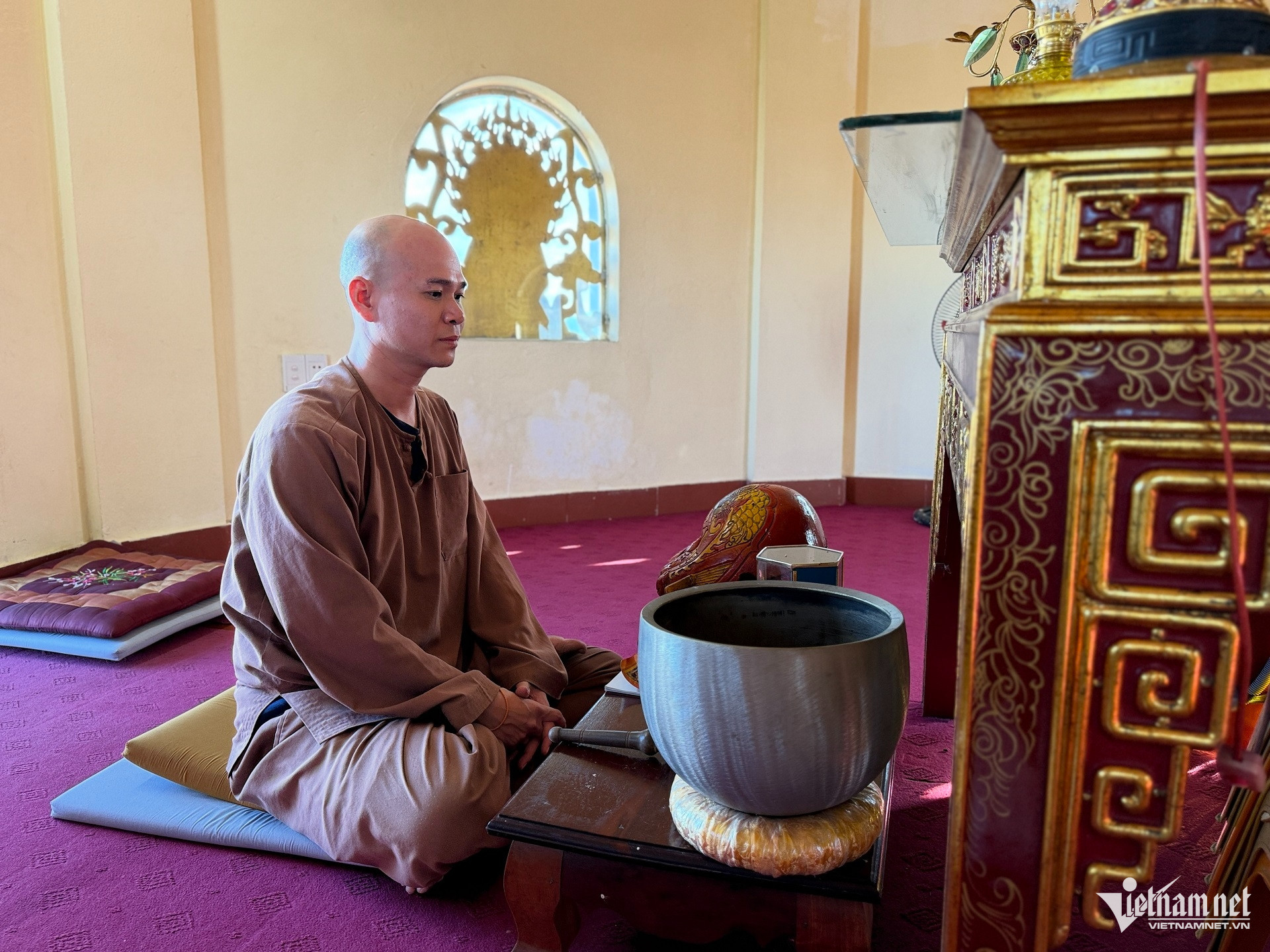
"After provincial Buddhist Sangha organizations were established in places such as Nghe An, Ha Tinh and the former Quang Binh province, monks began a difficult journey," he said.
"They traveled to locate former pagoda sites, collected historical documents, searched for artifacts, recorded memories from village elders and completed legal procedures to obtain permission from local authorities for reconstruction."
According to Venerable Thich Phuong Ho, significant progress has been made in some localities, although the scale of the remaining work is considerable.
"In Nghe An, monks have successfully restored more than 100 pagodas out of over 500 historic sites. In the former Quang Binh province, although more than 200 ancient pagoda sites have been documented, only slightly more than 10 have been restored so far. "Despite the many difficulties, this journey continues," he said.
Restoring historic pagodas is about more than rebuilding religious structures.
These efforts help preserve longstanding historical, cultural and spiritual traditions while creating opportunities for monks to reside at the restored sites and conduct religious activities.
They also provide local communities with places for worship, reflection and spiritual support.
In a region that continues to face economic hardship and severe natural disasters, Buddhist monks remain committed to preserving their religious heritage and serving the community.
Through the restoration of ancient pagodas and the continuation of Buddhist traditions, they are helping reconnect communities with centuries of spiritual history.
Binh Minh

