 Vietnamnet.vn

 Podcast



Tran Tuyen
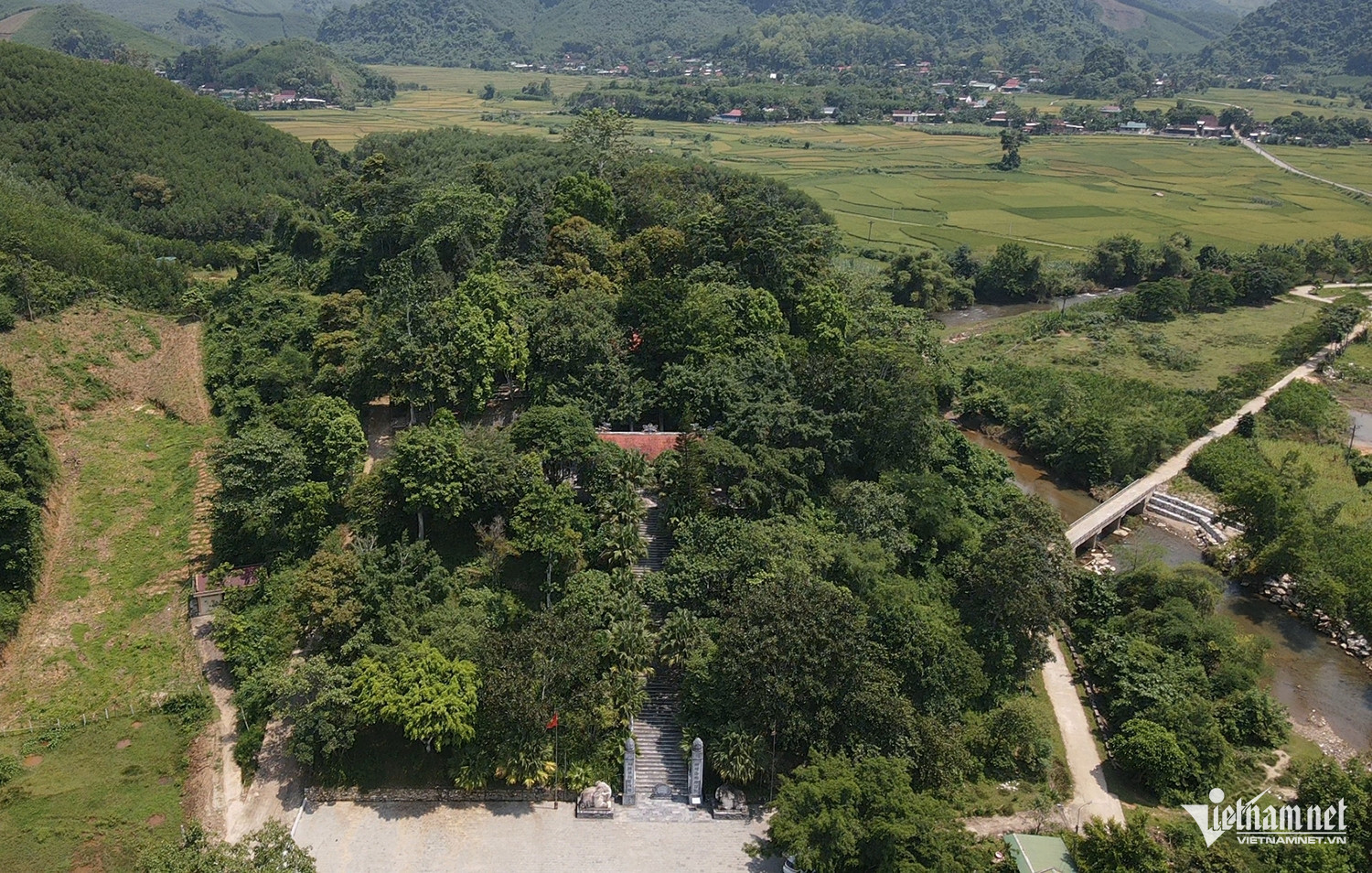
Choong Temple stands on Pu Den, a mountain shaped like a mound of sticky rice, in Muong Chong Commune, Nghe An Province.
Occupying a commanding position, the temple offers views over surrounding villages from the mountaintop. Below, the Nam Choong River flows downstream, while a broad area of land in front of the site has traditionally served as a gathering place where people from different areas come to trade goods and watch folk performances.
Choong Temple was recognized as a provincial-level historical and cultural relic by the Nghe An provincial government in 2015.
The temple is dedicated to Nang Phom Hom, whose name means “fragrant-haired maiden” in the Thai language. A bronze statue modeled on a Thai woman in traditional dress stands in the temple’s upper sanctuary.
According to local legend, Phom Hom was the most intelligent and beautiful Thai woman in the area. Most distinctive was her hair, said to carry the gentle fragrance of forest flowers. Local people believed that wherever she went, she brought good fortune and happiness.
In 1425, while fighting alongside Vietnamese national hero Le Loi against Ming forces in western Nghe An, a talented general of the Lam Son insurgent army fell in love with Phom Hom, and the two pledged to marry.
Phom Hom was entrusted with gathering food supplies for the troops. Each day, she visited local households, helping residents produce more rice, raise silkworms and weave fabric to support the prolonged resistance campaign.
With the help of the “fragrant-haired maiden” and local communities, the Lam Son forces continued to win victories and eventually liberated the vast Hoan Chau region.
One afternoon, after finishing her work, Phom Hom went to wash her hair at a landing on the Nam Choong River.
She accidentally dropped her comb into the water. As she reached down to retrieve it, she lost her footing and was swept into deep water.
When he heard the news, the general rushed back and ordered his soldiers, joined by local residents, to dig through and pile up earth and rocks in a desperate search for his beloved. They never found her.
Mourning the “fragrant-haired maiden,” local people built a temple on the very hill where the Lam Son troops had searched for her day and night.
Over the following 600 years, the temple deteriorated until only 14 stone bases that once supported its columns remained.
In 2014, Choong Temple was restored and reconstructed on its original foundations within a site covering more than nine hectares.
The complex includes an upper sanctuary, lower hall and buildings on either side. The lower hall is a three-bay structure made of ironwood and is primarily used as a place for visitors to drink water, hold discussions and prepare offerings before proceeding to the main temple.
The upper sanctuary also has three bays, with a red-tiled roof and a wooden main entrance. Dragon motifs adorn the roofs of the temple buildings.
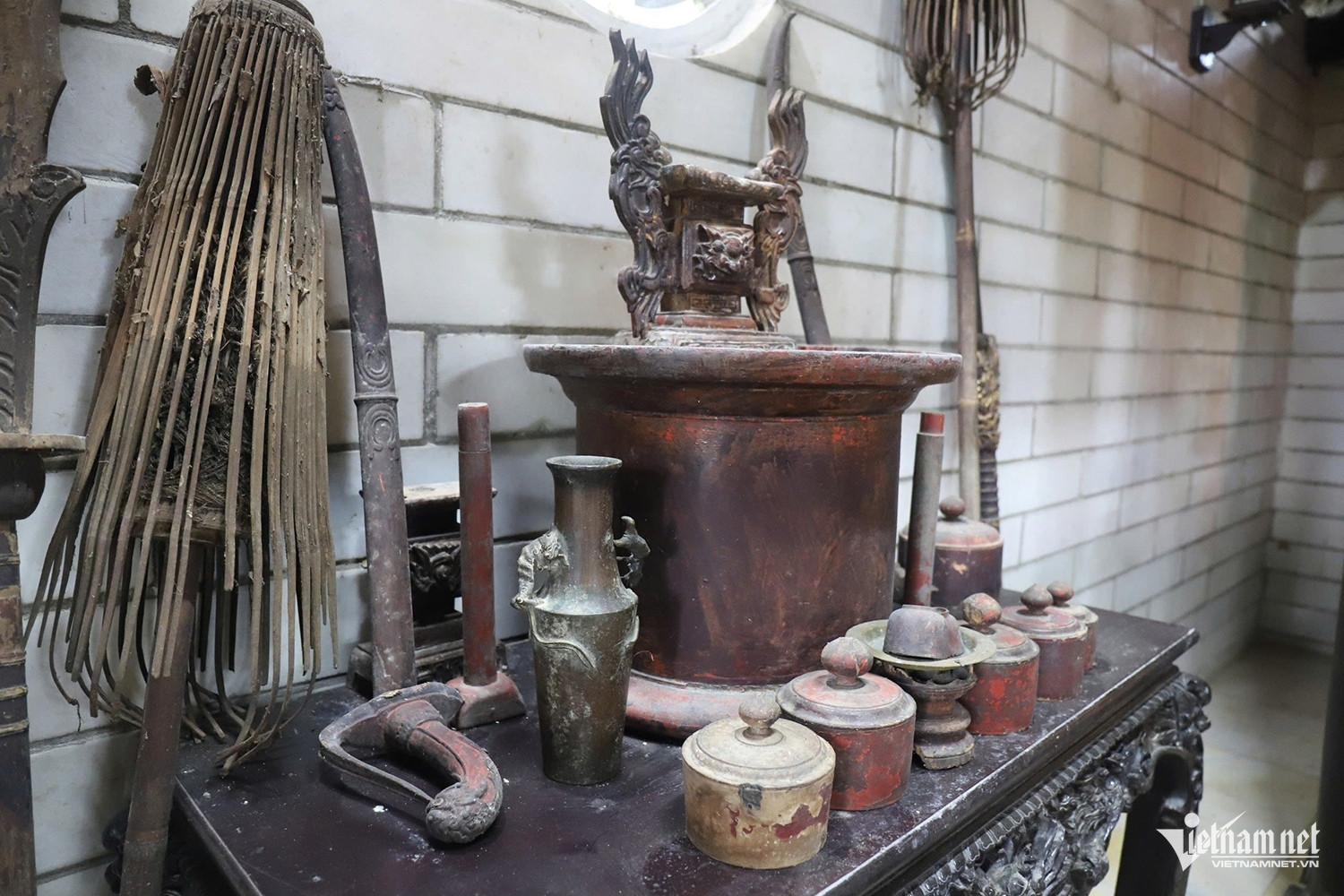
Choong Temple also preserves a collection of historic objects and traditional musical instruments, including gongs closely associated with the cultural life of Nghe An’s highland communities.
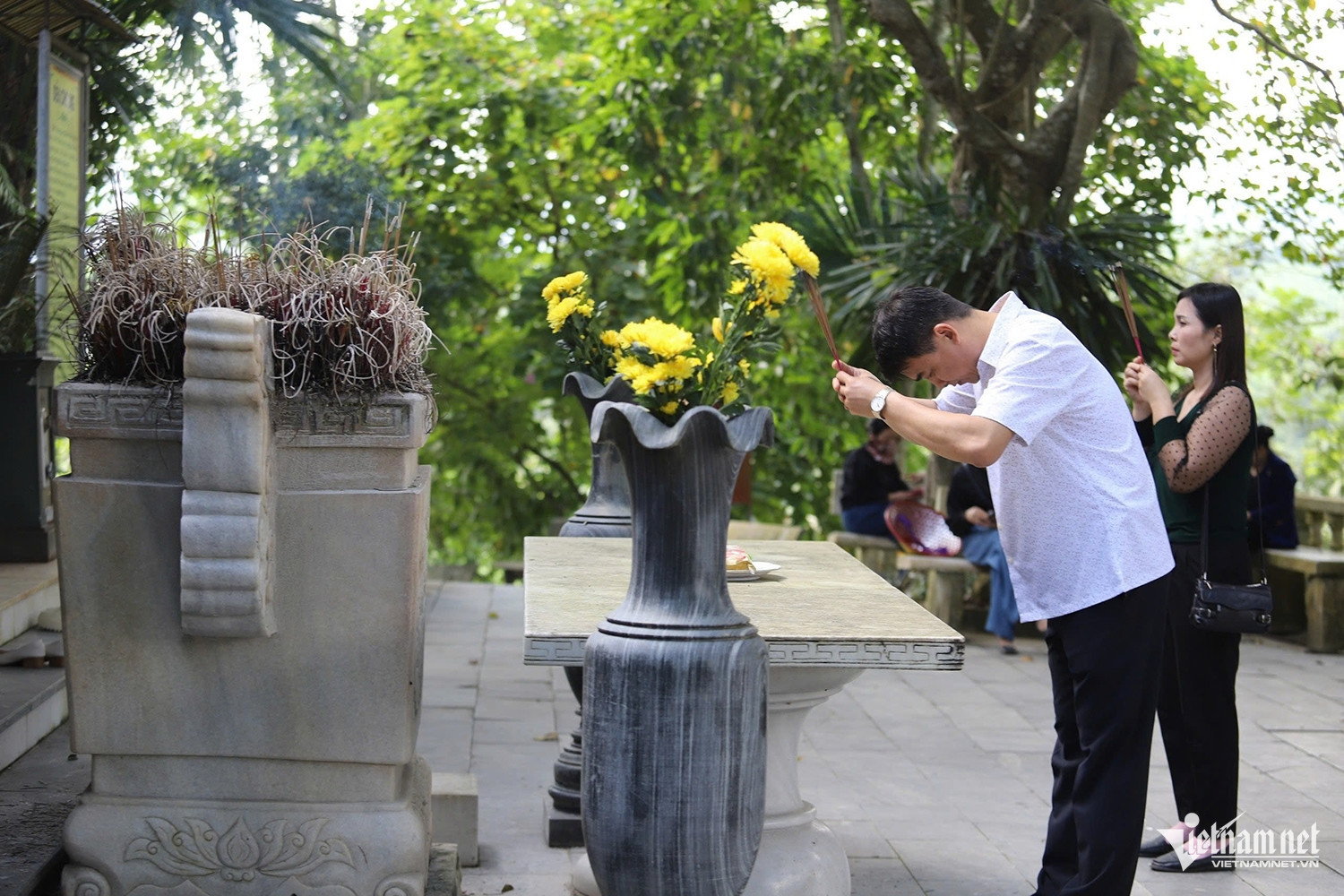
Each year, the temple holds two main ceremonies: Dam Luc Ngoat on the 15th day of the sixth lunar month and a year-end ceremony on the 25th day of the 12th lunar month.
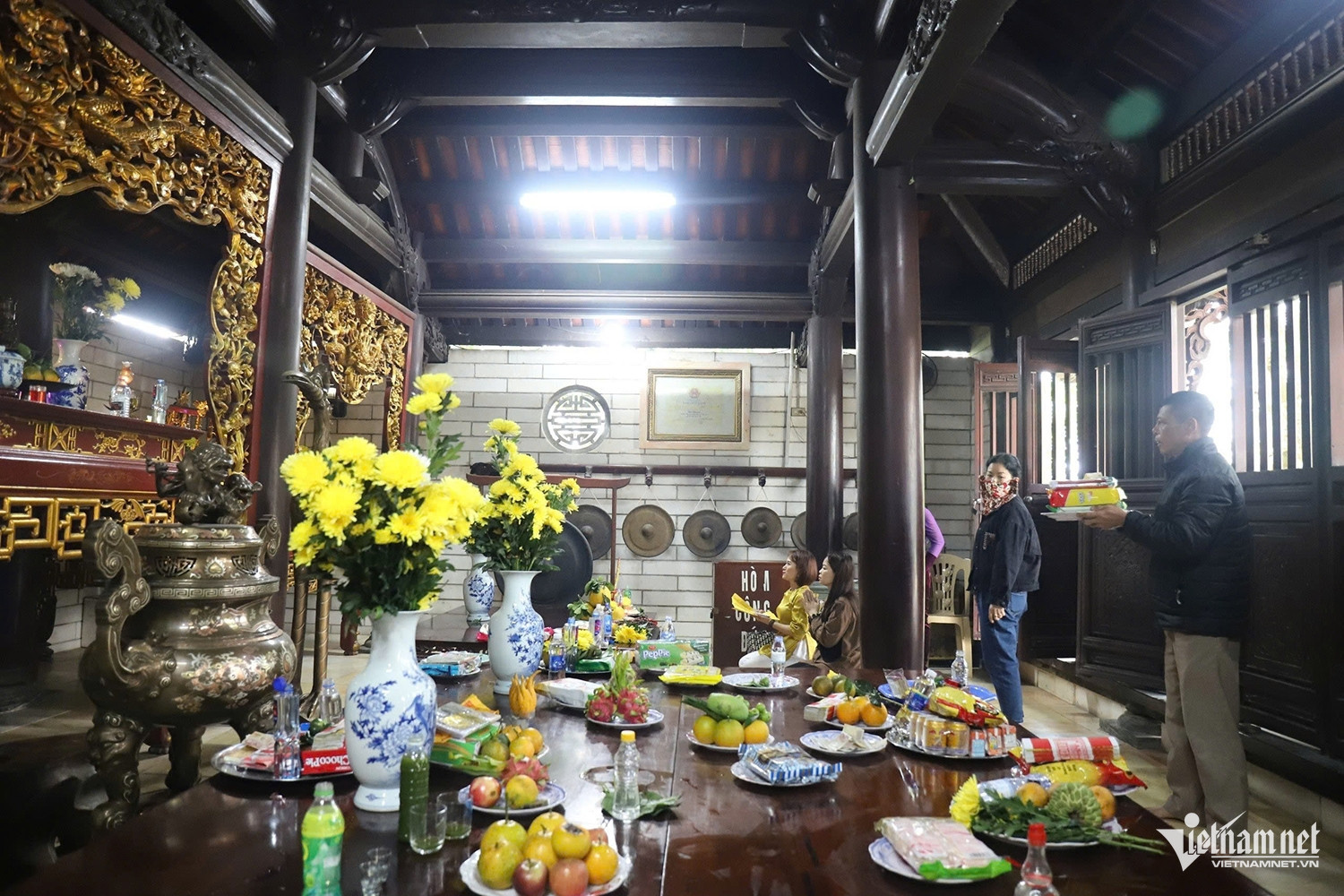
According to local legend, Nang Phom Hom was swept away by the Nam Choong River after losing her footing while trying to retrieve a comb she had dropped into the water.
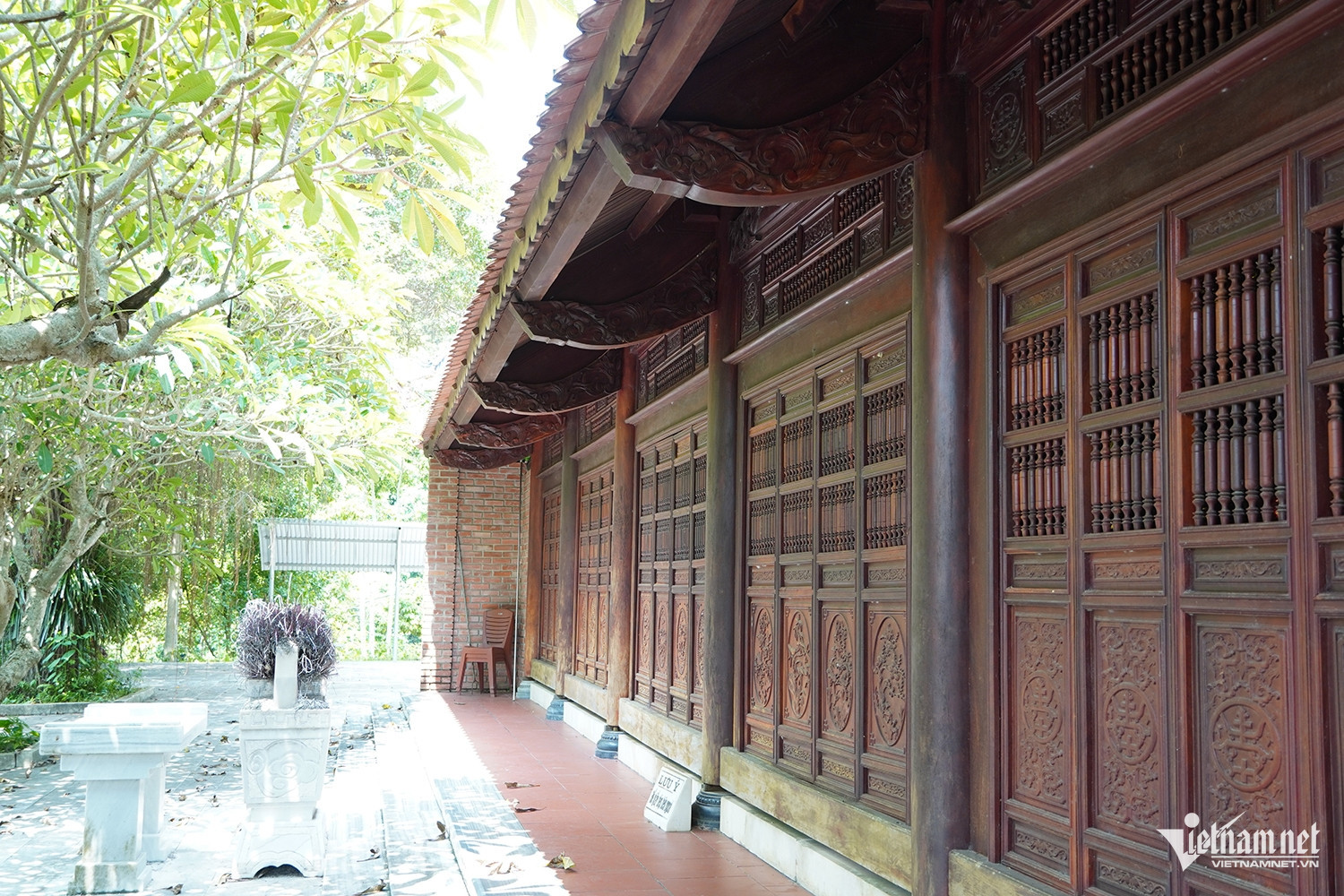
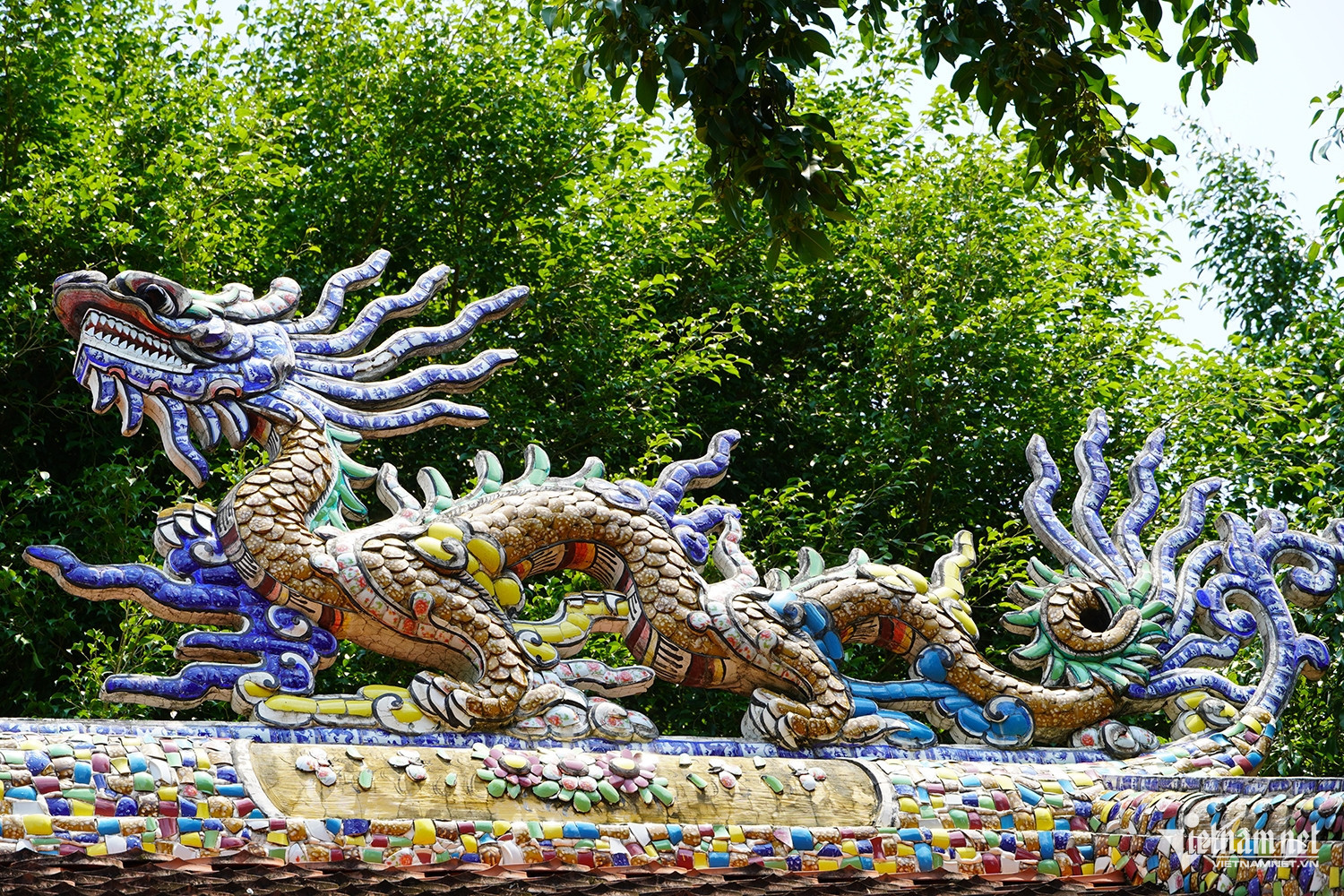
Choong Temple was restored and reconstructed on its original foundations in 2014 within a complex covering more than nine hectares. The upper sanctuary has three bays, a red-tiled roof and wooden main doors, with dragon motifs decorating the roofs of the temple buildings.
.svg)
