 Vietnamnet.vn

 Podcast


Coi Pagoda, also known as Than Tien Tu, stands near National Highway 2A in Vinh Yen Ward, Phu Tho Province, northern Vietnam. The ancient Buddhist site has long been an important part of the local community's cultural and spiritual life.
Covering approximately one hectare, the pagoda is believed to have been founded between the late 12th and early 13th centuries.
In 1939, researchers from the French School of the Far East recognized the architectural complex as a valuable cultural heritage site in Vietnam.
On December 23, 1996, the pagoda was officially designated a provincial-level historical relic.
A seven-story tower and the legend of its overnight construction
The pagoda's most distinctive architectural feature is a seven-story tower standing approximately 7.7 meters tall.
Its structure gradually narrows toward the top, with each successive level receding by about 20 centimeters, creating an elegant, slender silhouette.
The tower has a square base measuring approximately 1.7 meters on each side.
It was constructed using Bat Trang bricks about three centimeters thick, bonded with traditional mortar made from shell lime and molasses. The exterior was subsequently covered with a protective layer of plaster.
According to local historical records, the tower was built around the mid-18th century and is associated with Nguyen Danh Phuong, also known as Quan Heo, who led a peasant uprising in northern Vietnam between 1740 and 1751.
Local legend holds that Nguyen Danh Phuong ordered his troops to construct both Coi Tower and Quan Tien in a single night.
The extraordinary feat was supposedly intended to demonstrate his power and win popular support during his confrontation with the Le-Trinh authorities.
Passed down through generations, the story has become an enduring part of the pagoda's historical identity.
A sacred site named after celestial visitors
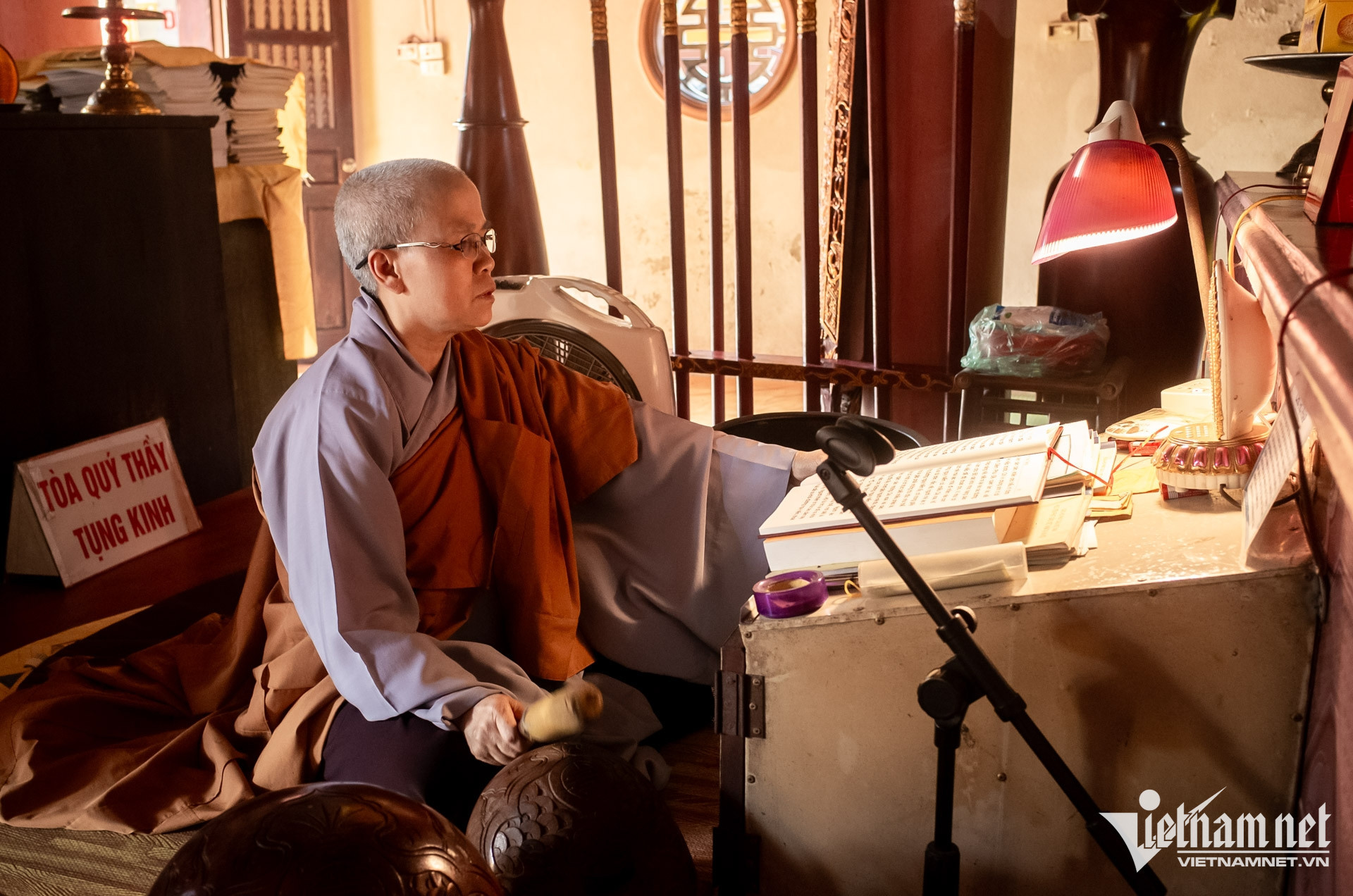
Thich Dam Khang, the Buddhist nun serving as abbot of Coi Pagoda, explained that Coi is the local place name, while the pagoda's formal religious name is Than Tien Tu, meaning Temple of Celestial Beings.
According to stories passed down by local elders, the site was once a high hill where celestial beings were believed to descend to play chess.
The legend inspired the name Than Tien Tu.
Today, the heritage complex consists of a three-entrance gate, the main pagoda and the seven-story tower.
The entrance gate comprises three small sections supported by 10 carefully carved monolithic greenstone pillars, each approximately two meters tall.
The central section also features four solid wooden columns, lending the entrance an atmosphere of antiquity.
One of the stone pillars in the main section still bears traces of a faded inscription.
Although much of the writing has disappeared, the words "Canh Ty, Manh Xuan, Cat Nhat" remain identifiable, referring to an auspicious day in the first lunar month of 1720.
The inscription provides valuable evidence for researchers studying the architectural history and dating of the entrance gate.
Ancient Buddhist statues survive centuries of change
Wars and the passage of time have taken a heavy toll on Coi Pagoda, leaving much of its original architecture damaged or lost.
The present-day pagoda was reconstructed on its former foundations in the late 20th century.
Despite these changes, the site continues to preserve 12 ancient wooden Buddhist statues decorated with red lacquer and gold leaf.
Among them are three statues representing the Buddhas of the Three Times, a set depicting Amitabha Buddha accompanied by two attendant bodhisattvas, a statue of Venerable Ananda and a representation of Shakyamuni Buddha delivering a sermon.
The sculptures display artistic characteristics associated with the late 18th century, offering insight into the religious aesthetics and craftsmanship of the period.
Historical photographs from the 1920s and 1930s also reveal the dramatic changes the complex has undergone.
One archival image shows the ruins of a pagoda tower in the foreground, while another tower in the background is visibly leaning and appears close to collapse.
Remarkably, the leaning tower has survived and remains preserved at the site today.
Together, the ancient statues, three-entrance gate, seven-story tower and surviving architectural traces reflect the pagoda's development through different periods of Vietnamese history.
Although much of its original structure has disappeared, Coi Pagoda continues to preserve significant historical, Buddhist artistic and spiritual values.
Its enduring appeal lies not only in its centuries-old architecture but also in the stories that connect the monument with local history, religious traditions and the memories of generations of residents.
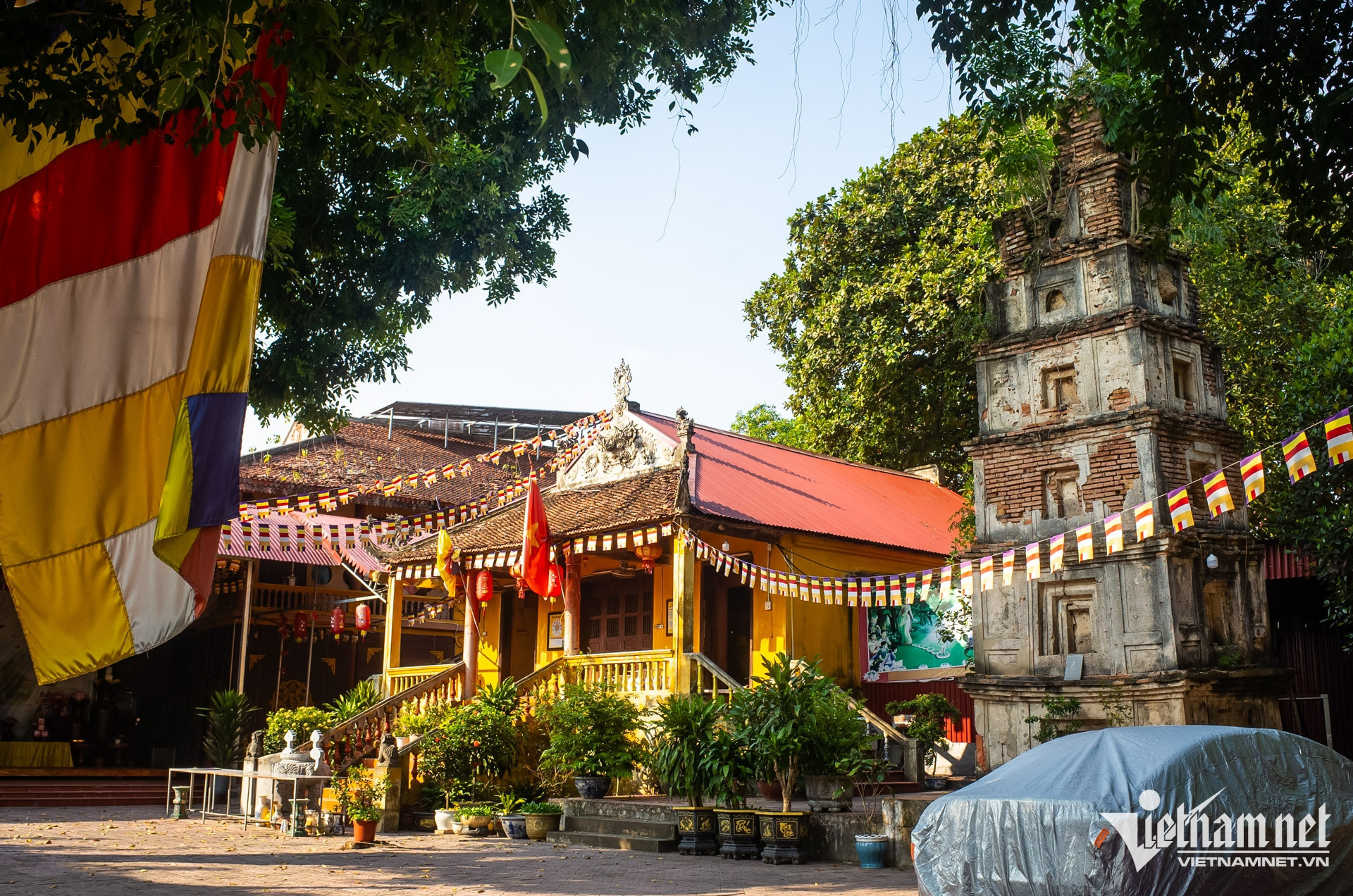
The ancient Coi Pagoda near National Highway 2A in Vinh Yen Ward, Phu Tho Province. Photo: Nguyen Hue
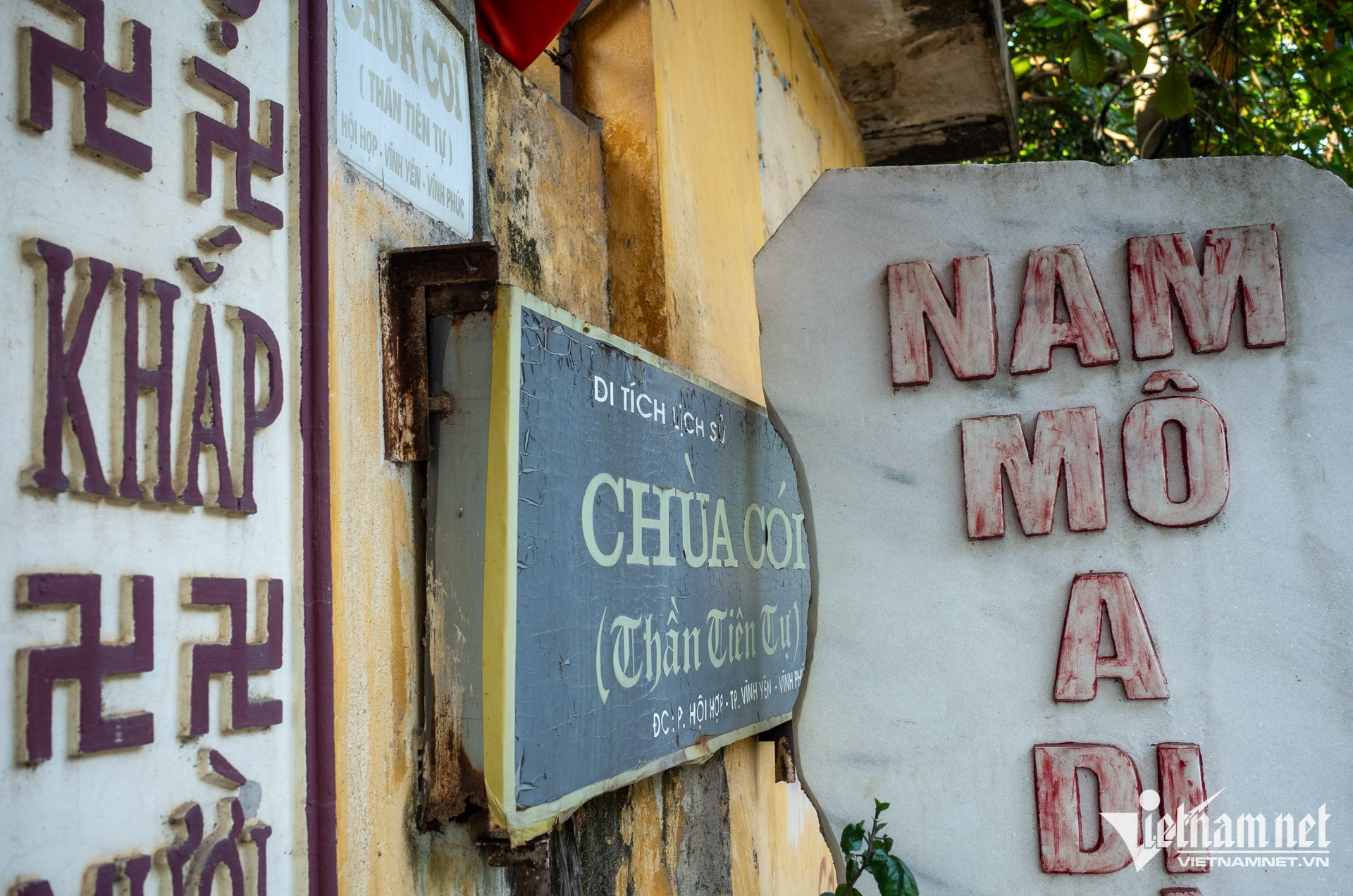
Coi Pagoda is believed to have been founded between the late 12th and early 13th centuries. Photo: Nguyen Hue
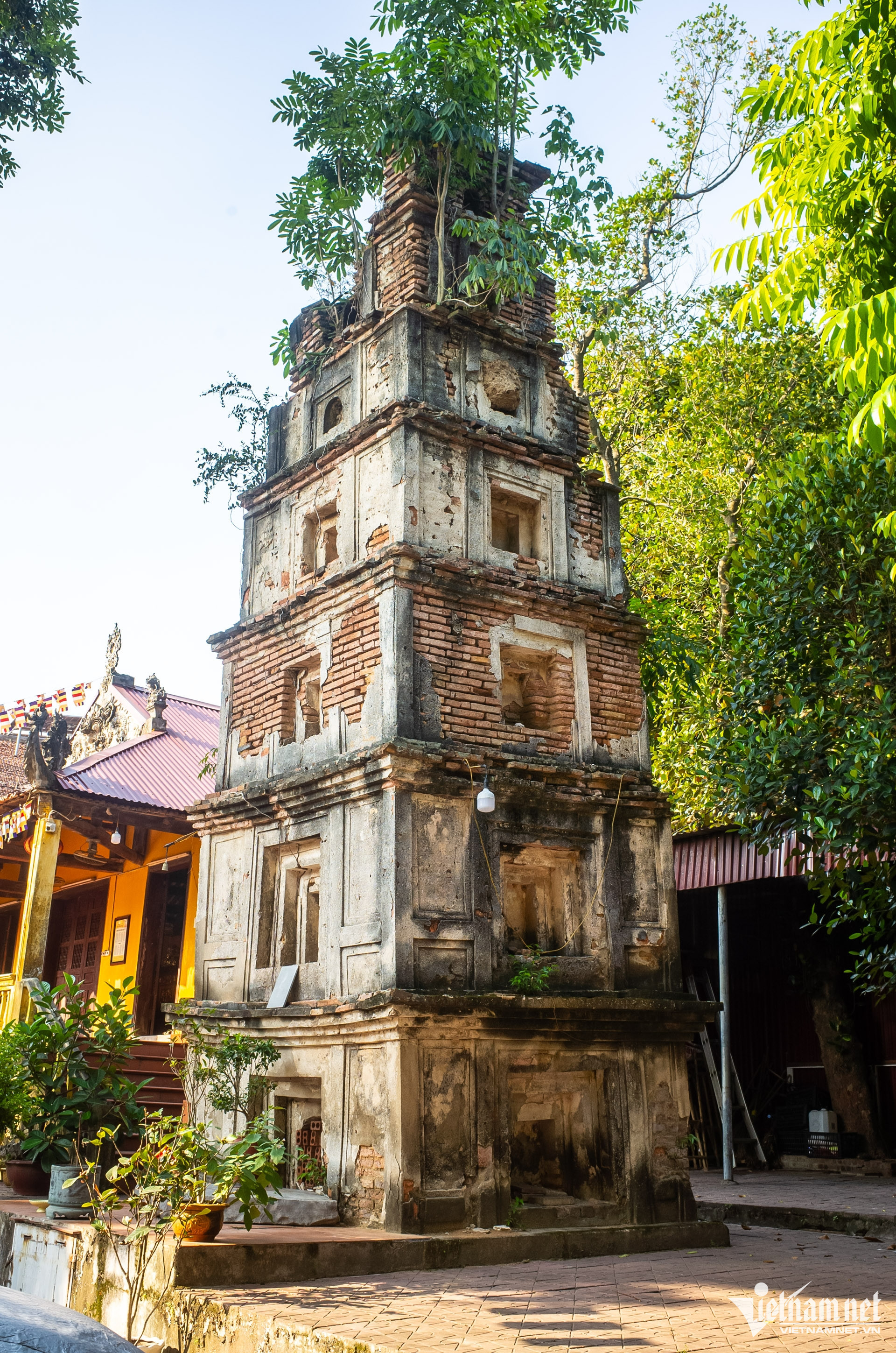
The pagoda was recognized as a valuable cultural heritage site by French researchers in 1939. The seven-story tower, standing approximately 7.7 meters tall, is the pagoda's most distinctive architectural feature. Photo: Nguyen Hue
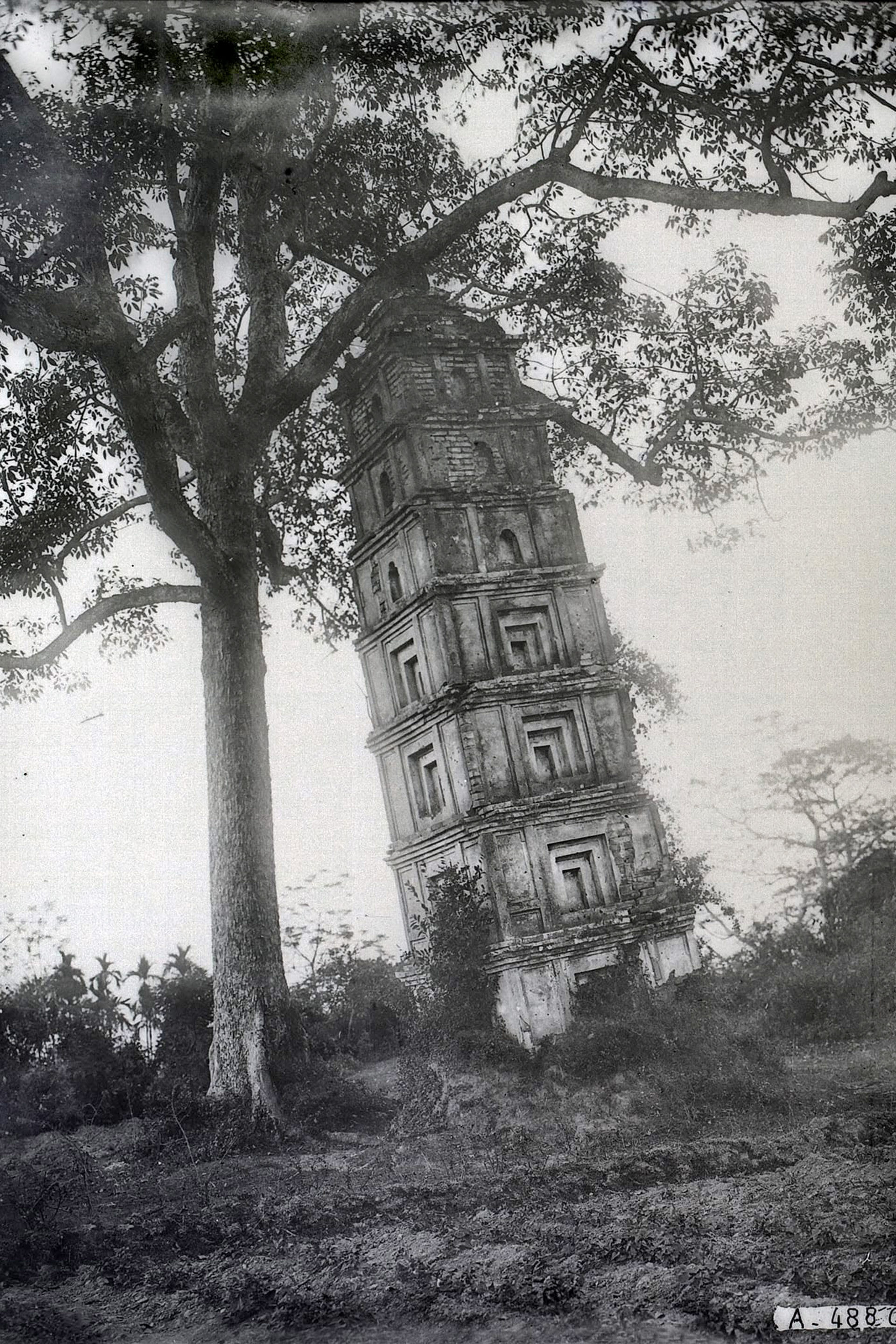
Archival photograph documenting the pagoda's historical architecture.
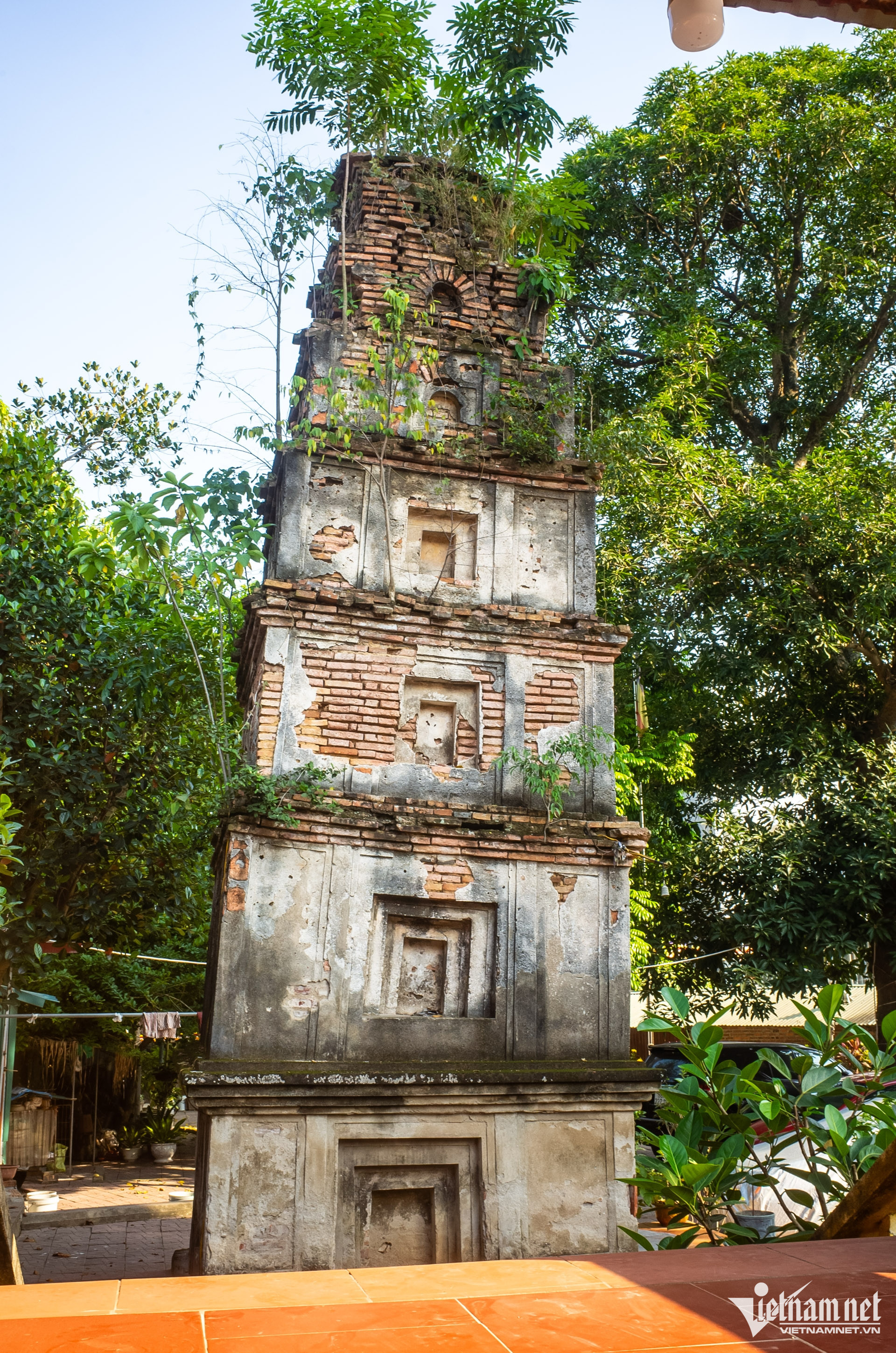
The surviving tower is associated with the 18th-century uprising led by Nguyen Danh Phuong, also known as Quan Heo. Photo: Nguyen Hue
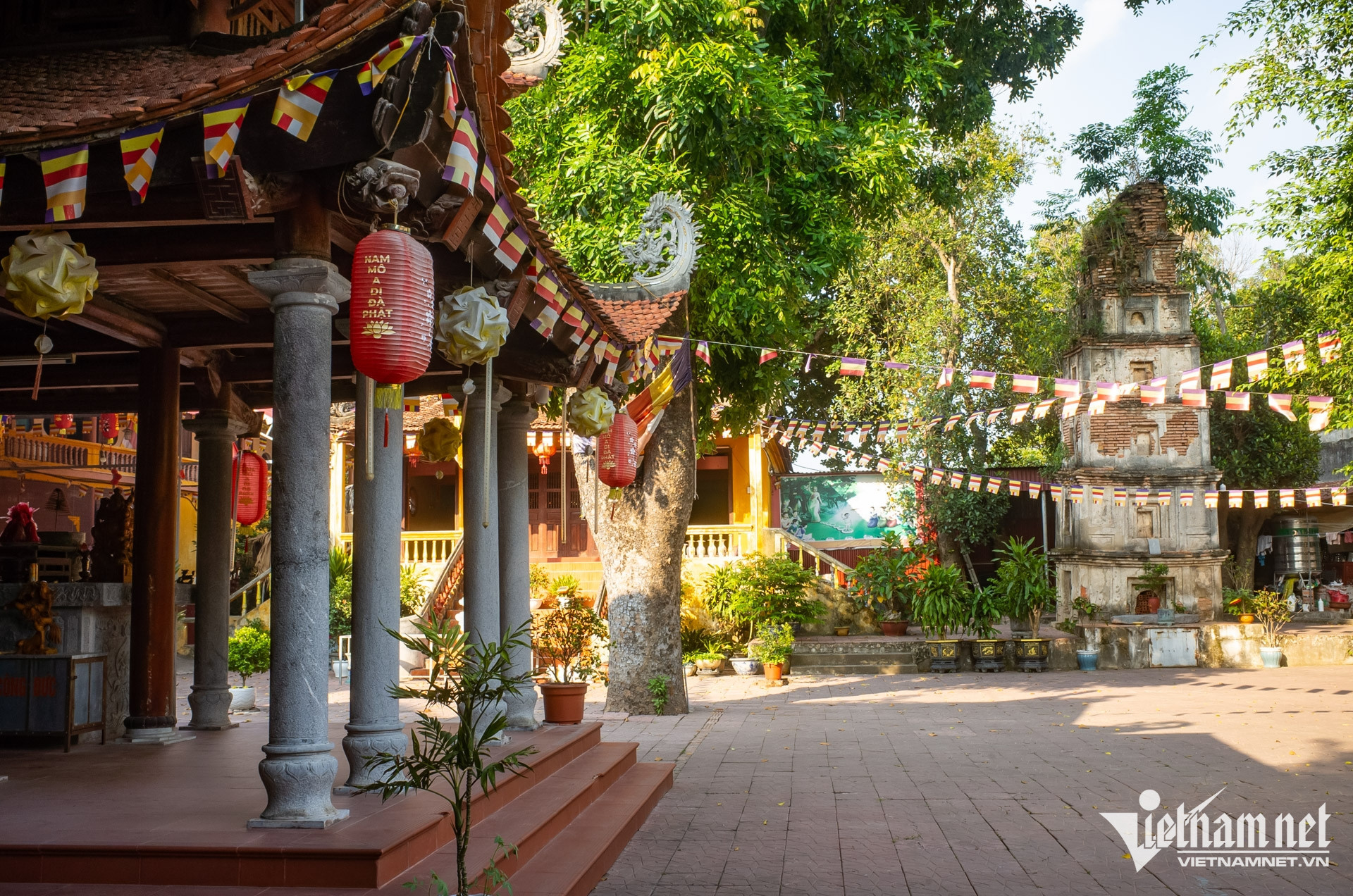
The Coi Pagoda complex comprises a three-entrance gate, the main pagoda and a seven-story tower. Photo: Nguyen Hue
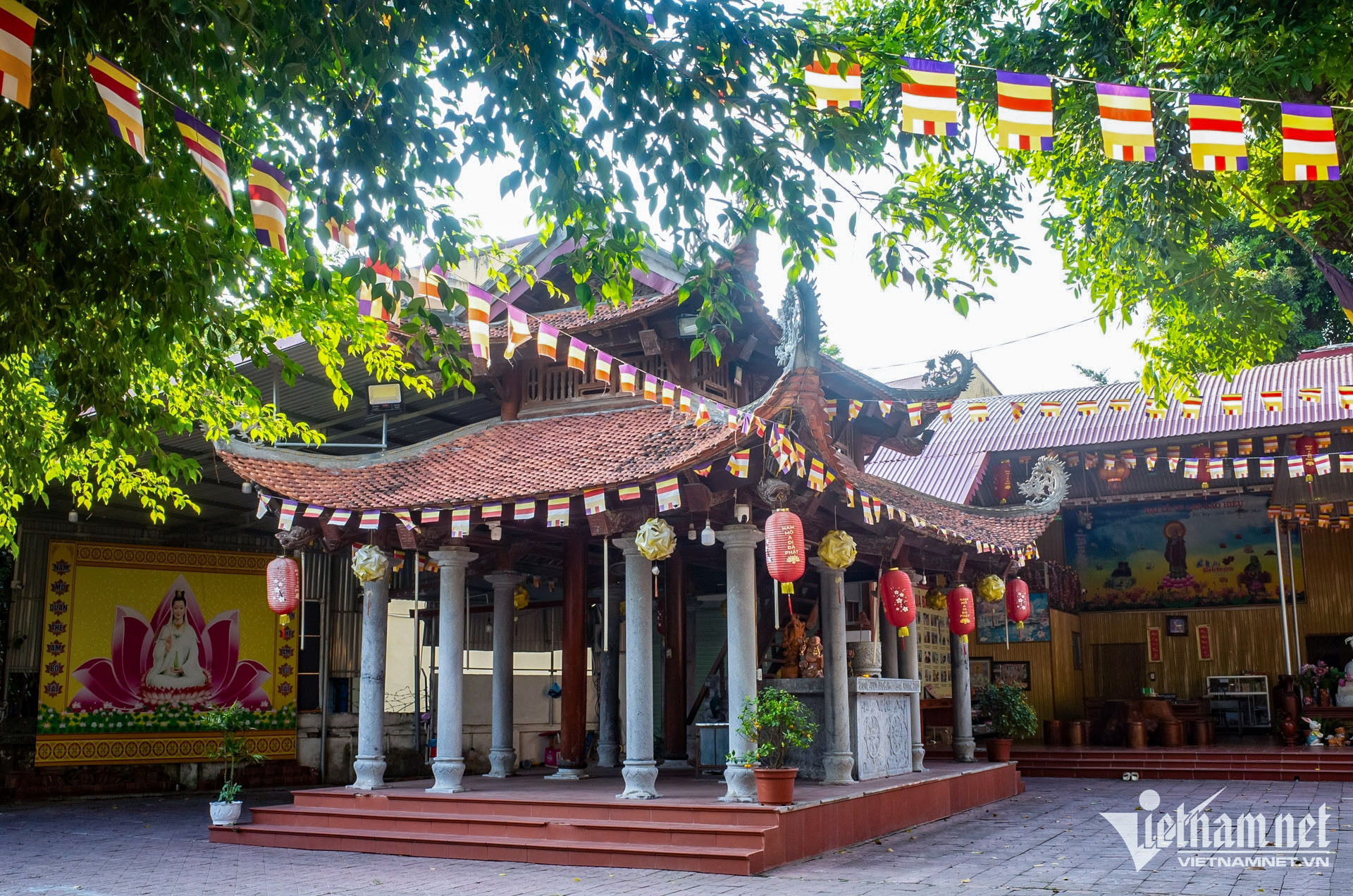
Architectural details and surviving inscriptions provide clues to the pagoda's centuries-old history. Photo: Nguyen Hue
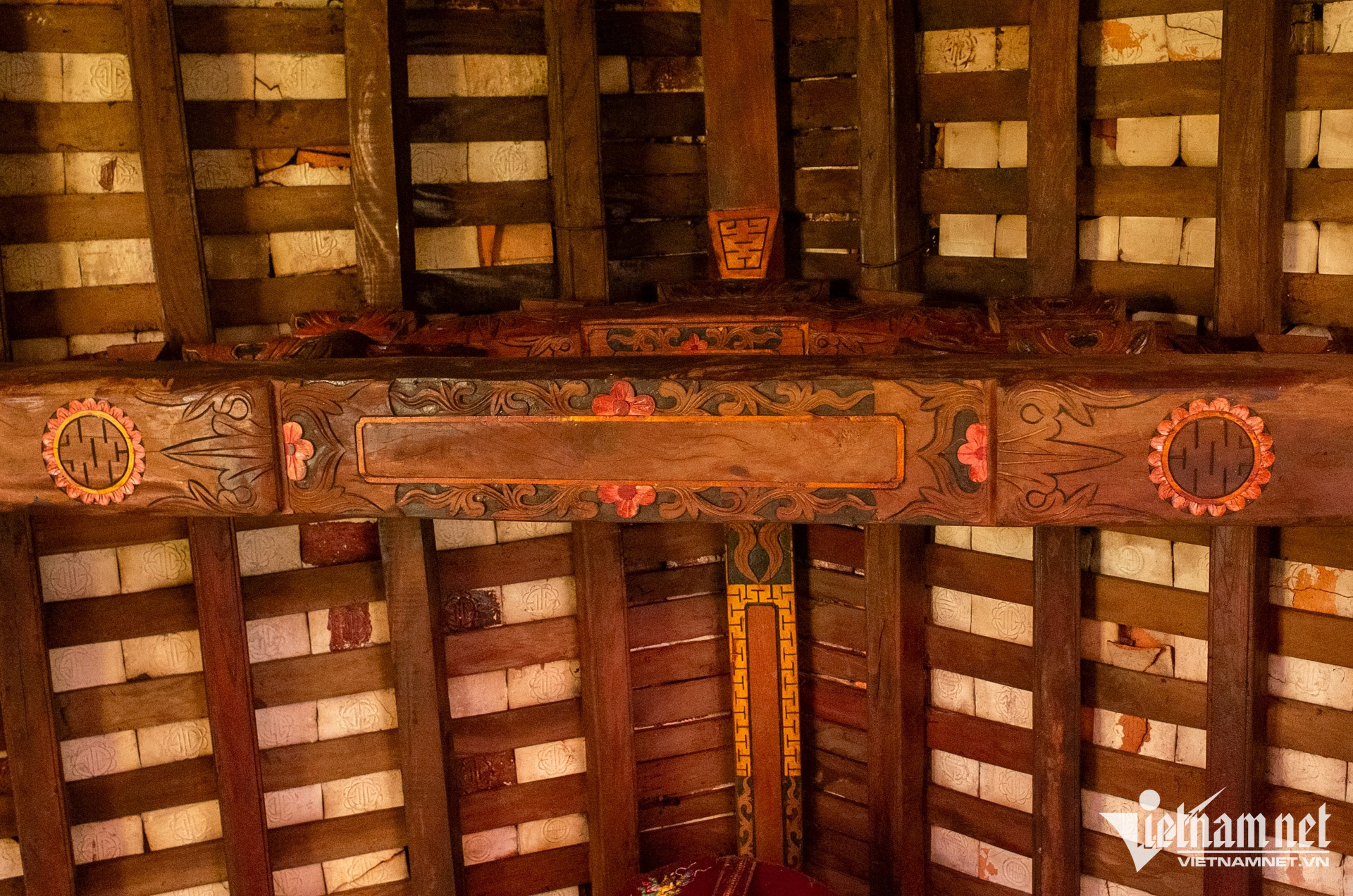
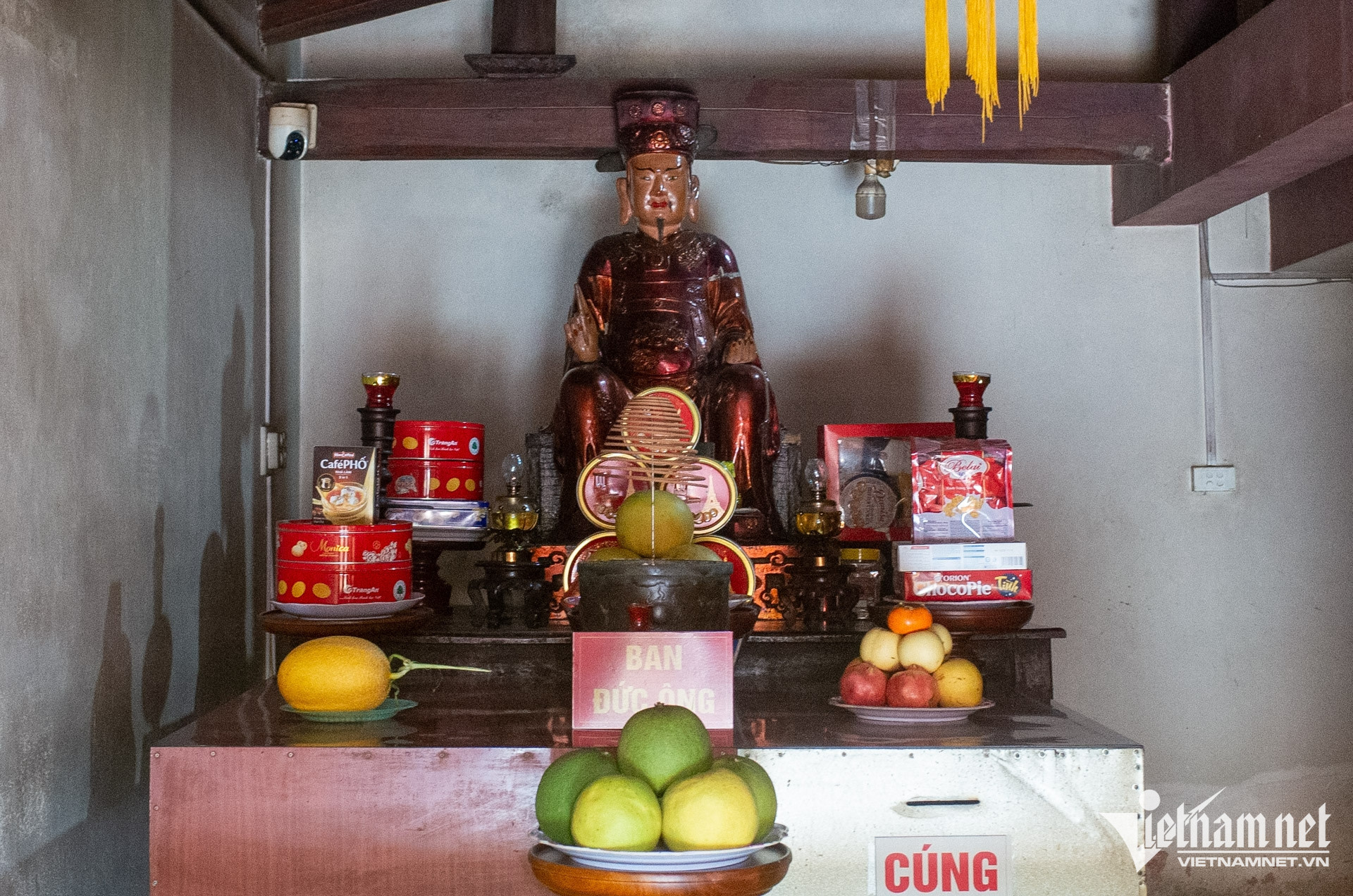
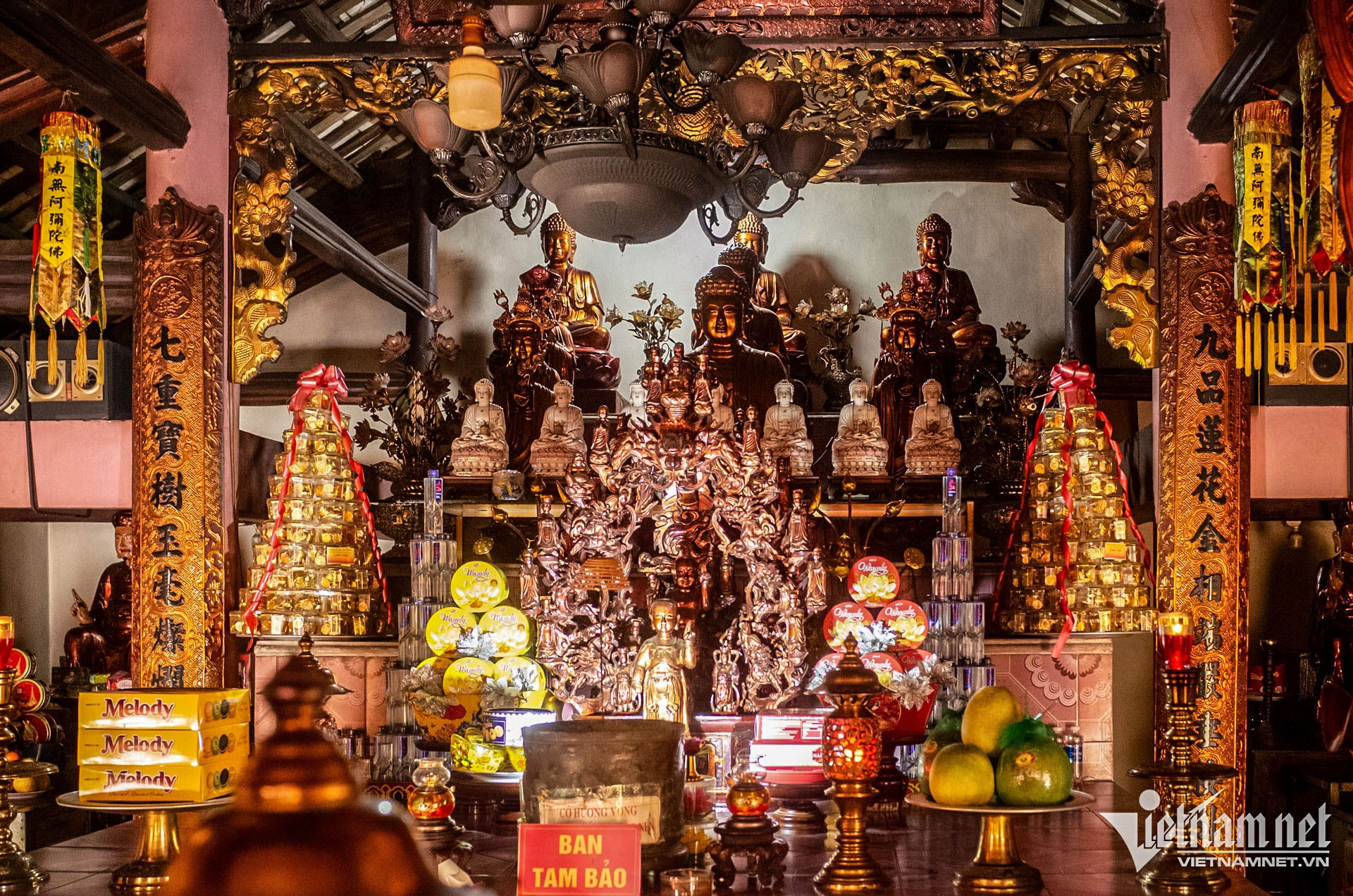
The pagoda preserves 12 ancient wooden Buddhist statues decorated with red lacquer and gold leaf. Photo: Nguyen Hue
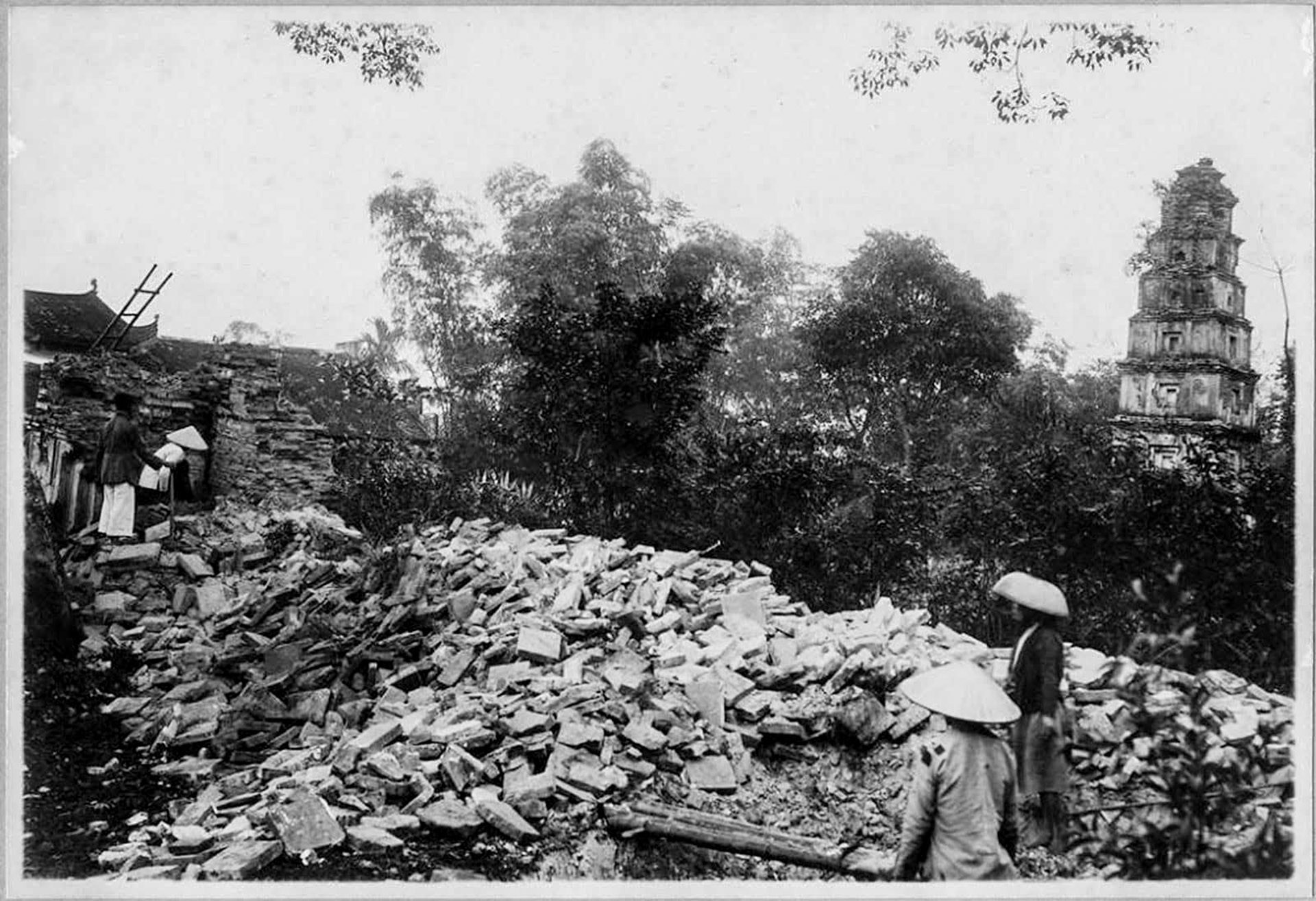
An archival photograph of Coi Pagoda in the former Vinh Phuc Province during the 1920s-1930s. The ruins of one tower appear in the foreground, while another tower, visibly leaning, stands in the background. The latter survives today. Photo: Collection.efeo.fr
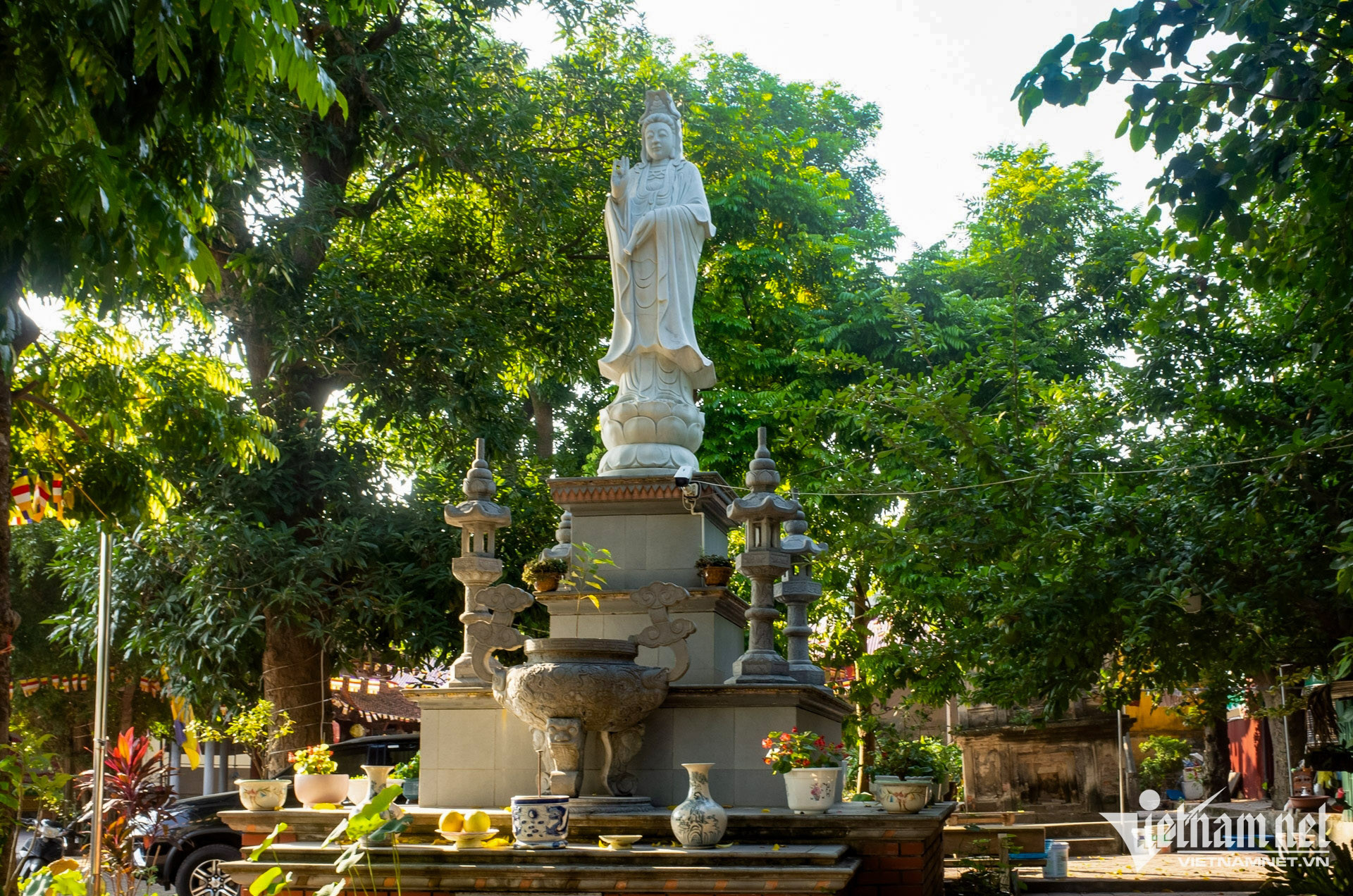
The surviving architectural structures and Buddhist statues reflect Coi Pagoda's historical and cultural significance. Photo: Nguyen Hue
Nguyen Hue

