 Vietnamnet.vn

 Podcast


For years, the Tu Tam Charity Kitchen at Giac Tanh Pagoda in Tan Hoa Ward, Ho Chi Minh City, has been providing free vegetarian meals to hundreds of disadvantaged people.
Beyond helping residents ease the burden of daily living expenses, the meals reflect the Buddhist values of compassion, generosity and sharing.
Hundreds of warm meals served every day
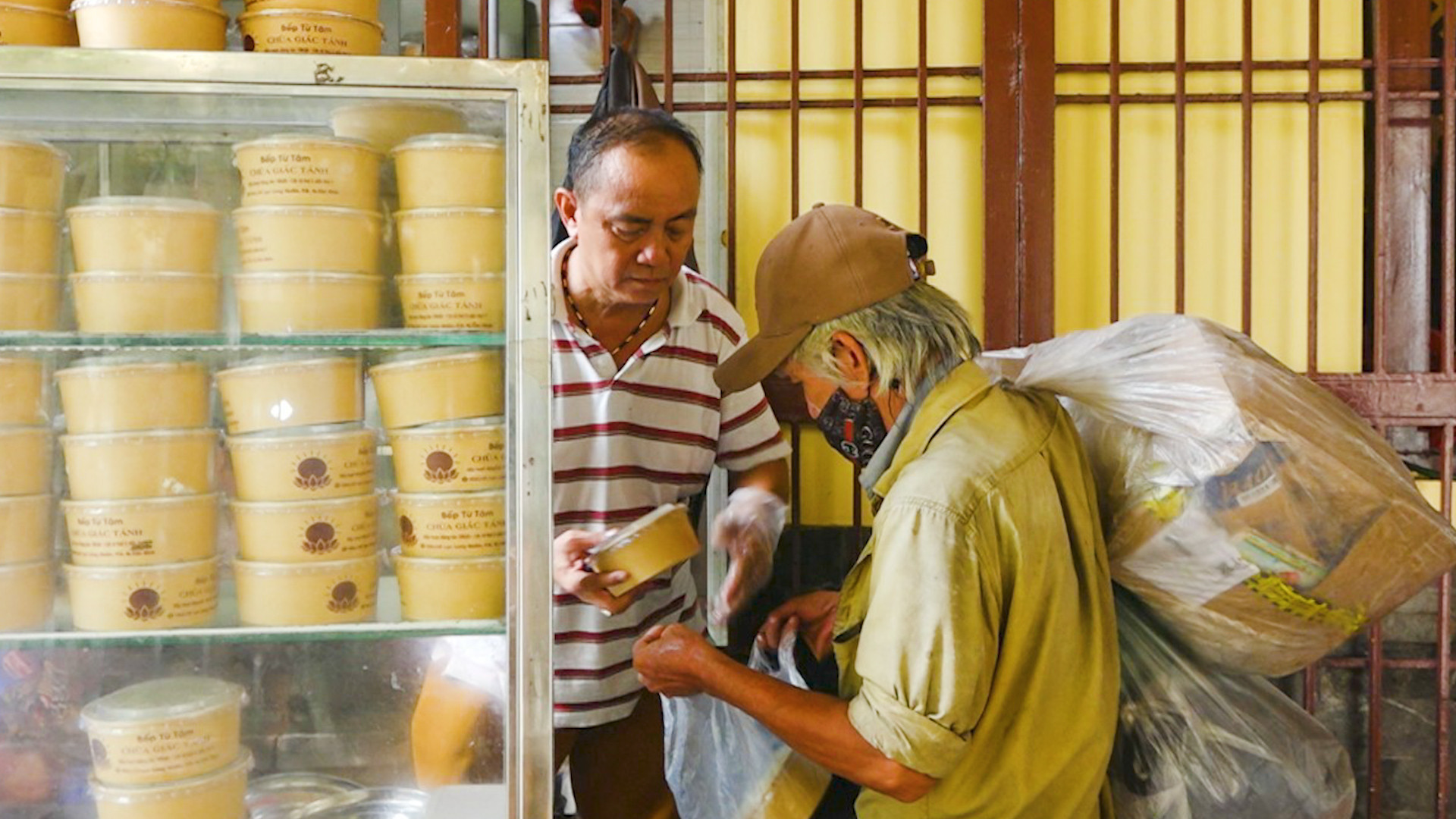
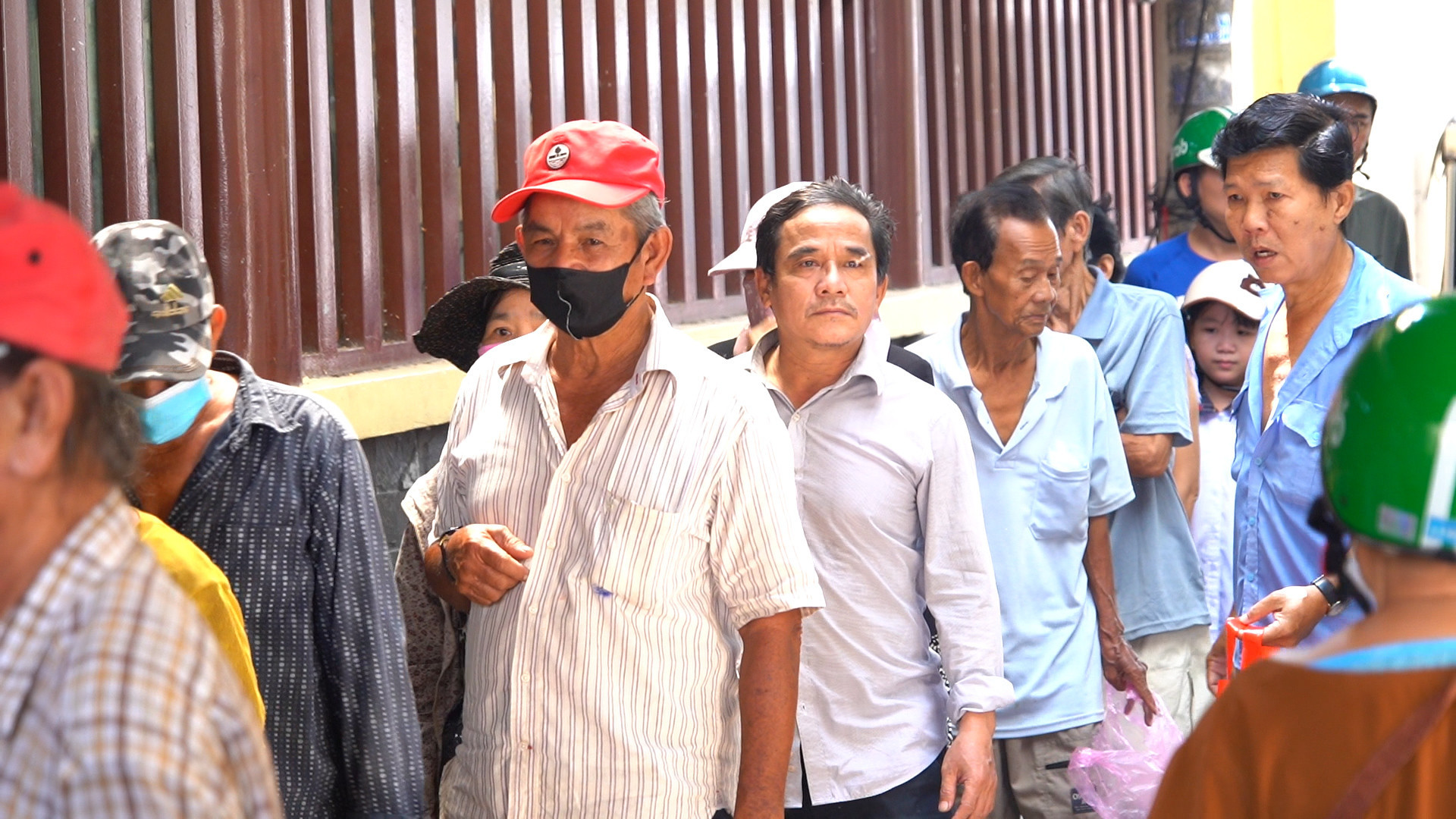
Every lunchtime from Monday to Saturday, the food distribution area at Giac Tanh Pagoda becomes a hive of activity.
People line up patiently to receive freshly prepared vegetarian meals, including lottery ticket sellers, informal workers, elderly residents and people facing difficult circumstances.
Everyone receives a warm meal free of charge.
Doan Dinh Ngoc, a resident of Bay Hien Ward in Ho Chi Minh City, discovered the kitchen a few months ago.
He said what makes the initiative particularly meaningful is not only the food itself but also the kindness and dedication of the monks and volunteers who prepare and distribute it.
"For people with unstable incomes, a free meal helps them save a significant amount on daily expenses. They can use that money for other essential needs or put it aside for a trip back to their hometown at the end of the year," Ngoc said.
Tran Van Tien, another resident of Bay Hien Ward who has benefited from the kitchen for several years, said the number of people collecting meals appeared to have increased recently.
"I make a living as a street vendor and earn only VND 80,000-100,000 ($3-4) a day. Some days, I earn just VND 60,000, while even a cheap meal now costs more than VND 35,000," Tien said. "The pagoda's free meals help me and many others in difficult circumstances make ends meet."
More than six years of sharing kindness
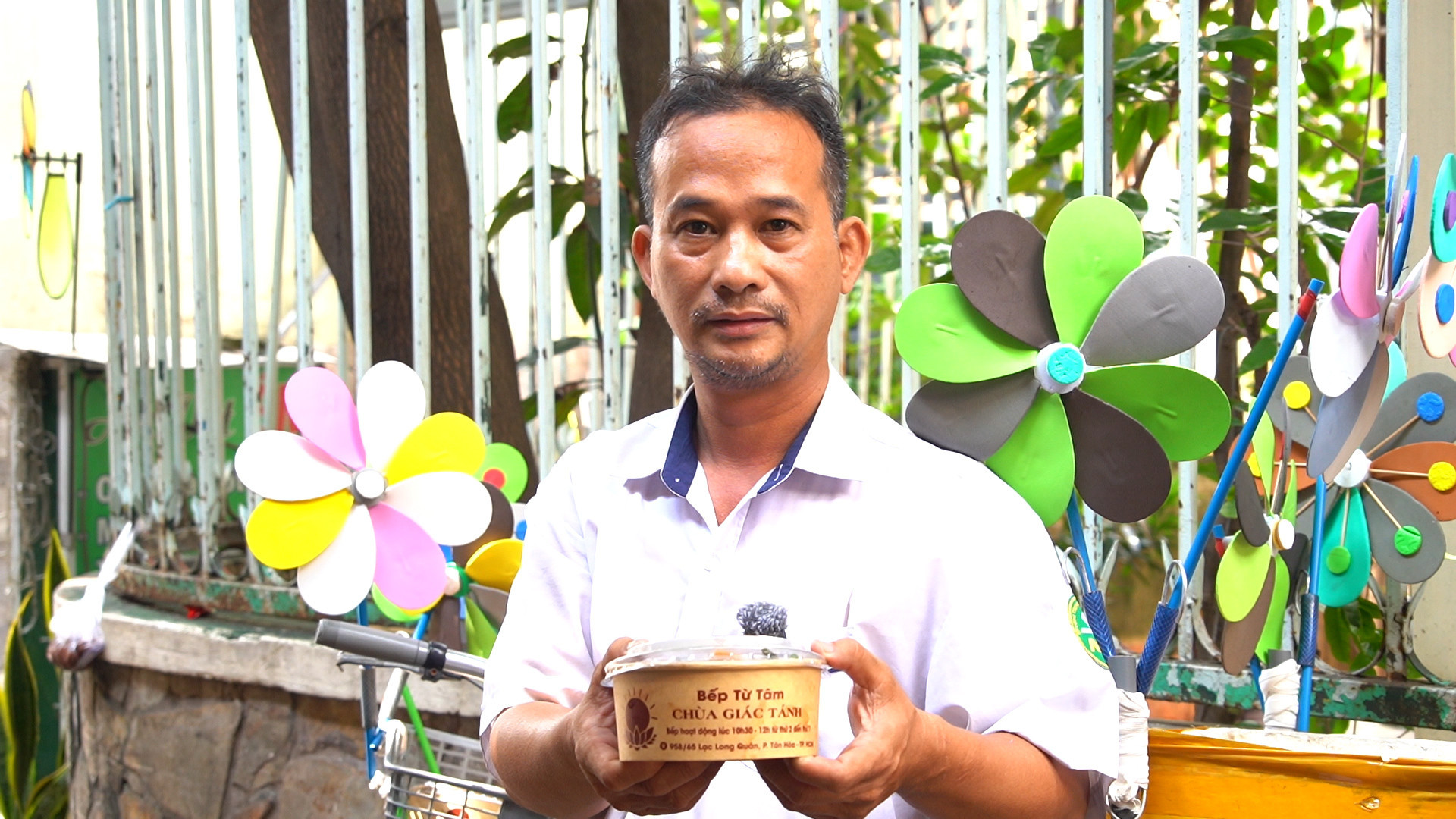
The Tu Tam Charity Kitchen was established in 2020 with a small team of just five or six people, including monks and Buddhist followers.
Over more than six years of operation, the initiative has gradually expanded, attracting additional volunteers and Buddhists who willingly contribute their time and effort.
Today, the kitchen prepares approximately 300-400 free vegetarian meals each day.
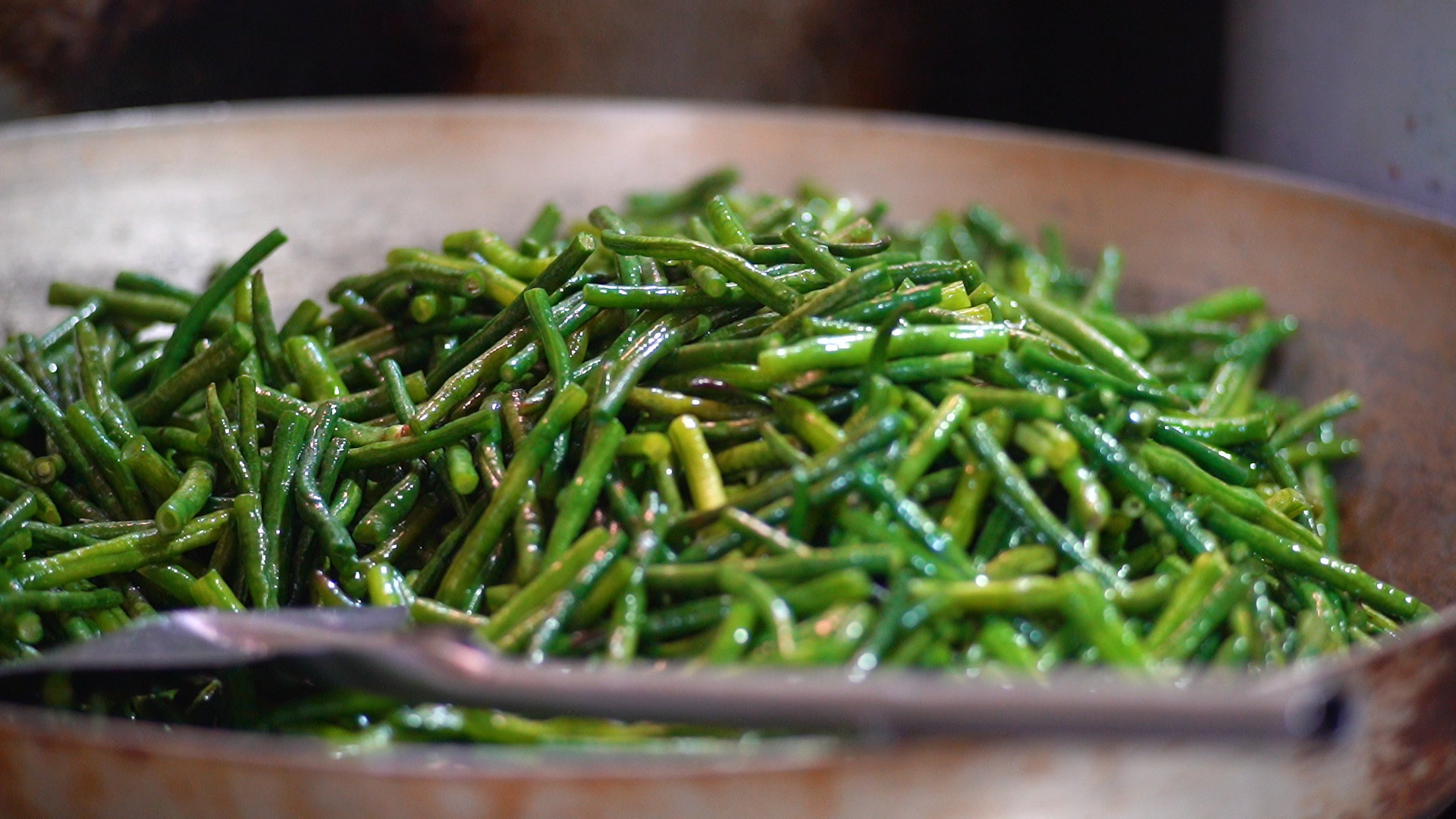
To ensure the meals are ready by lunchtime, monks and volunteers begin work early in the morning, preparing ingredients, cooking dishes and packing individual portions.
The menu changes regularly to provide variety and nutritious, enjoyable meals.
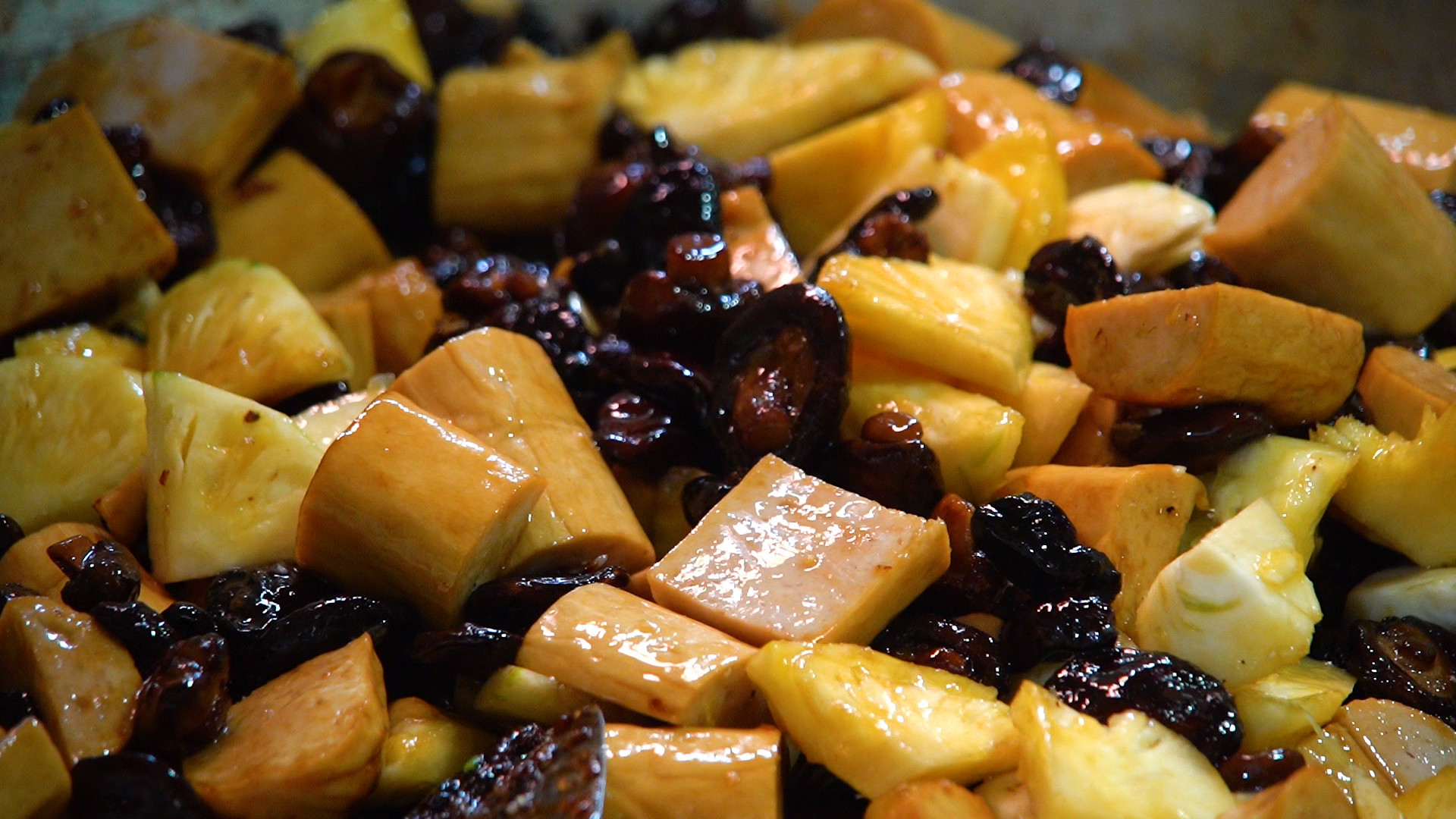
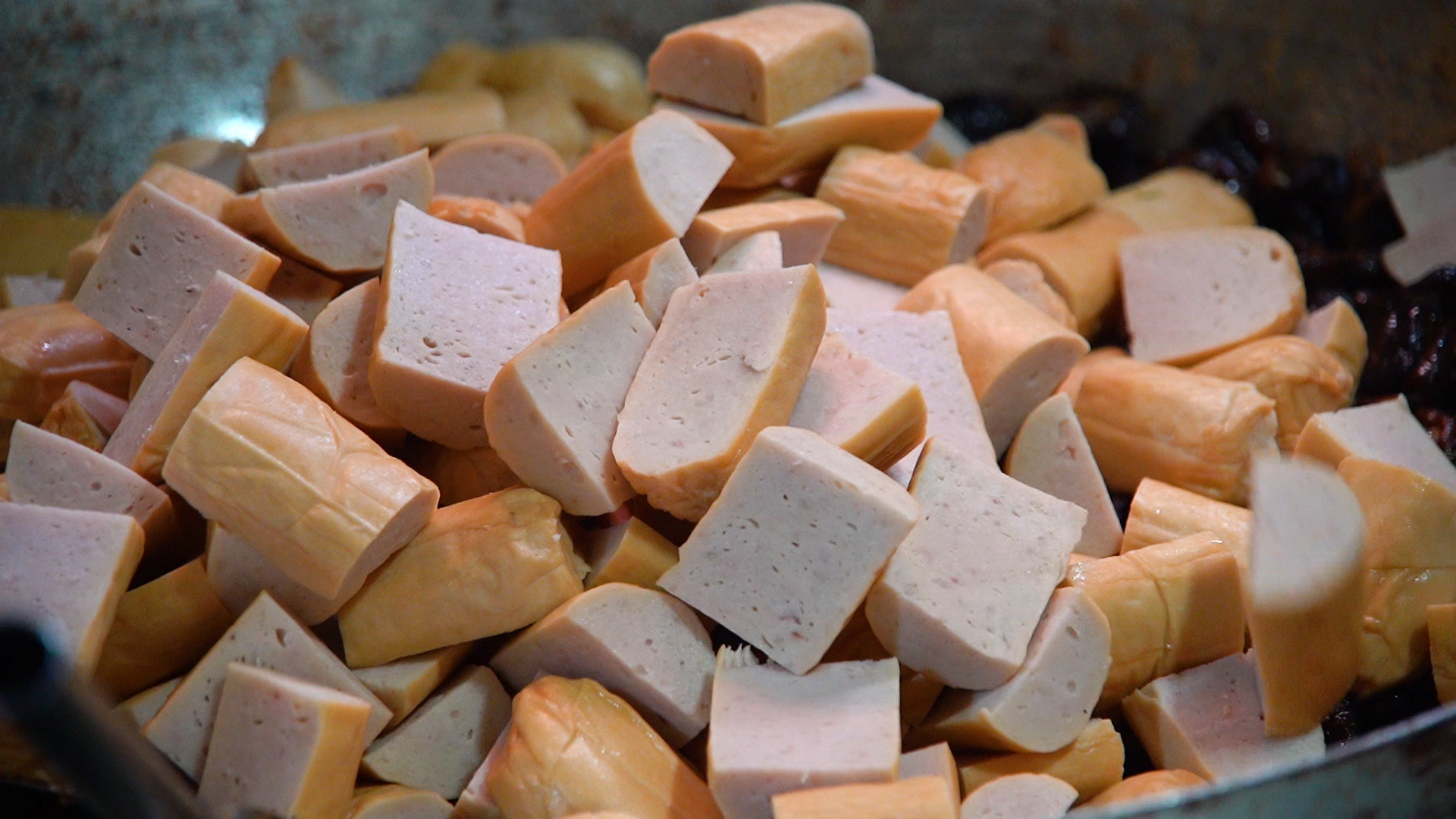
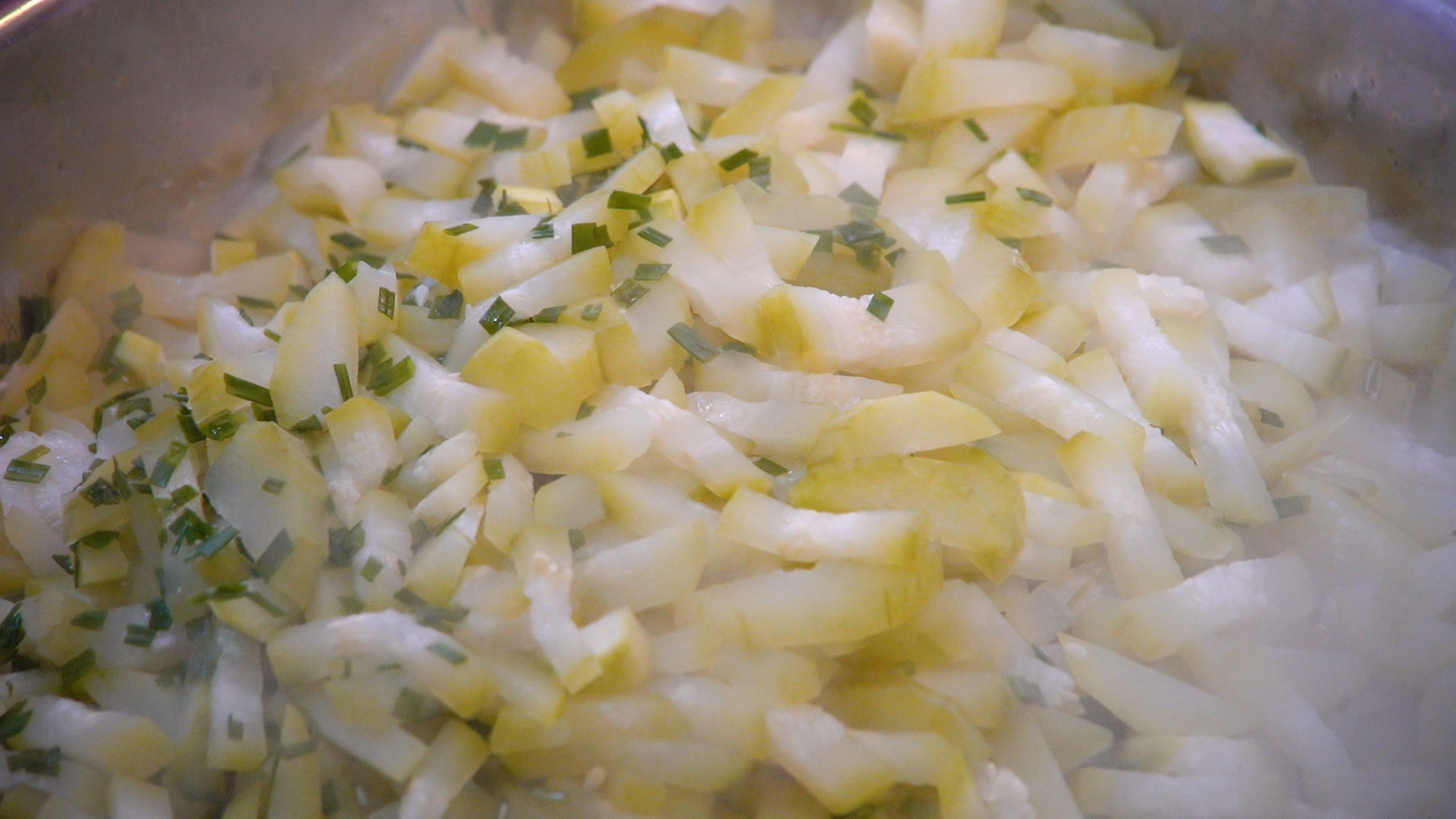
Popular dishes include fried tofu, braised vegetables, vegetarian braised ribs and stuffed bitter melon.
Venerable Thich Tam An, who oversees the Tu Tam Charity Kitchen at Giac Tanh Pagoda, said the initiative was founded on a desire to spread kindness and support people experiencing hardship, particularly lottery ticket sellers, low-income workers and those without stable homes.
He explained that maintaining the kitchen is not an obligation imposed on Buddhist followers. Rather, it is a voluntary effort motivated by a shared wish to help others through practical acts of compassion.
The pagoda does not distinguish between those who come to receive meals. Anyone in need is welcome.
"These may not be extraordinary acts, but they bring happiness both to the recipients and to those taking part," Thich Tam An said. "People continue coming to the pagoda every day, and together with the other monks, we do our best to keep the kitchen running and regularly change the menu so everyone can enjoy a good meal."
Bringing Buddhist compassion into everyday life
Beyond providing material assistance, the Tu Tam Charity Kitchen demonstrates how Buddhist teachings can be put into practice through community service.
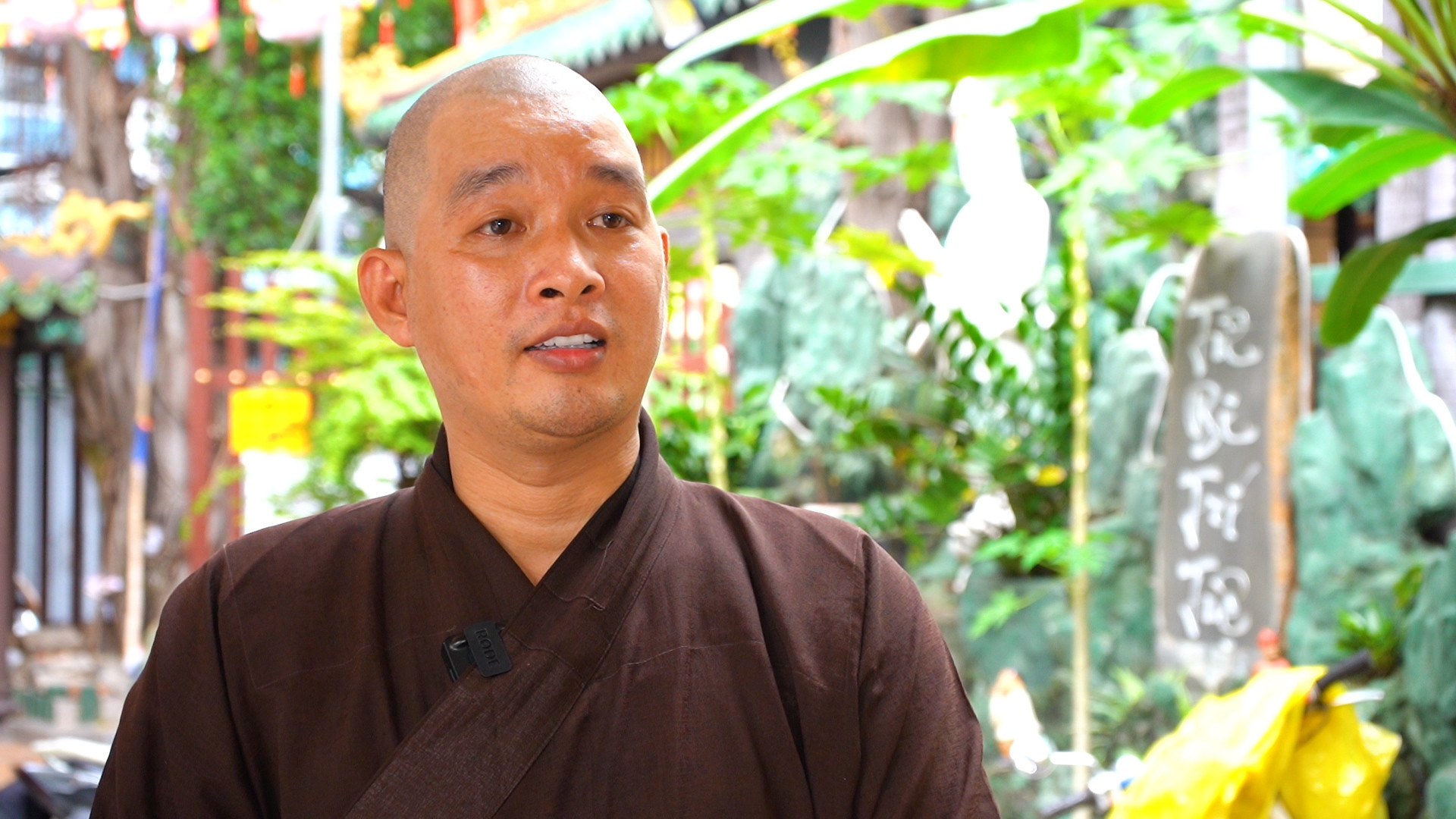
Venerable Thich Tam An, who oversees the Tu Tam Charity Kitchen at Giac Tanh Pagoda, shares how the initiative has quietly spread Buddhist compassion by providing warm vegetarian meals to low-income workers.
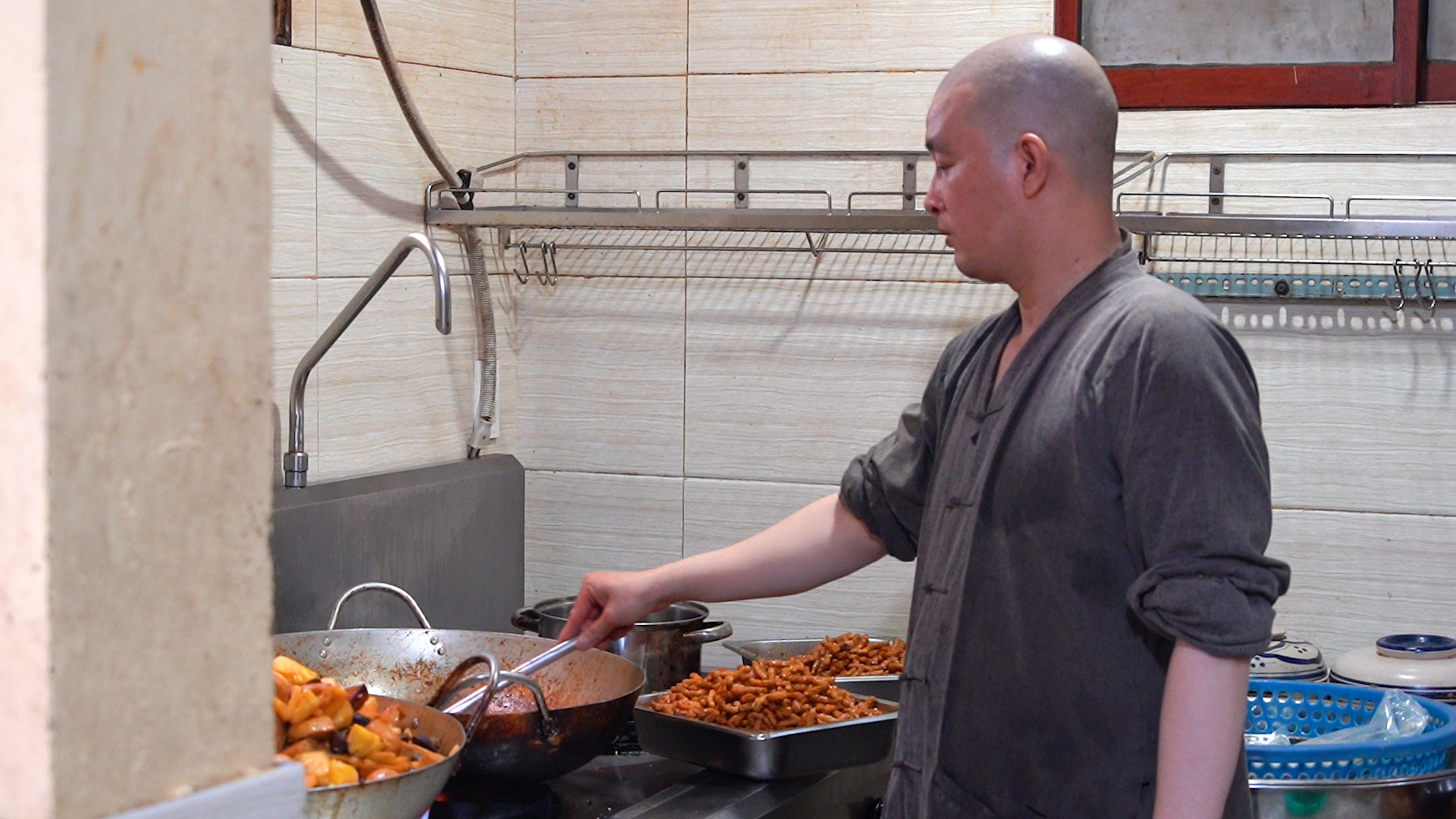
Its activities reflect the spirit of socially engaged Buddhism, bringing compassion and generosity into everyday life.
From a modest kitchen operated by only a handful of people, the initiative has grown into a reliable source of support for many disadvantaged residents.
Although the meals themselves have relatively modest monetary value, they represent genuine care, solidarity and human connection.
For people struggling with the financial pressures of urban life, a free lunch can make a meaningful difference.
It can help a street vendor save part of a day's earnings, allow an elderly person to enjoy a nutritious meal or simply remind someone facing hardship that they have not been forgotten.
By welcoming people regardless of their circumstances or backgrounds, the kitchen also creates opportunities for connection and mutual understanding.
Through hundreds of meals shared each day, the monks and volunteers at Giac Tanh Pagoda continue to turn Buddhist values into tangible acts of kindness, helping foster a more compassionate and supportive community.
Dinh Tuyen

