 Vietnamnet.vn

 Podcast



As global component costs continue to rise, many consumers fear Apple’s upcoming iPhone 18 Pro lineup will see another price hike. However, according to two renowned Apple analysts, the company is unlikely to raise the starting prices of the iPhone 18 Pro and iPhone 18 Pro Max despite mounting cost pressures.
Holding the price line despite cost increases
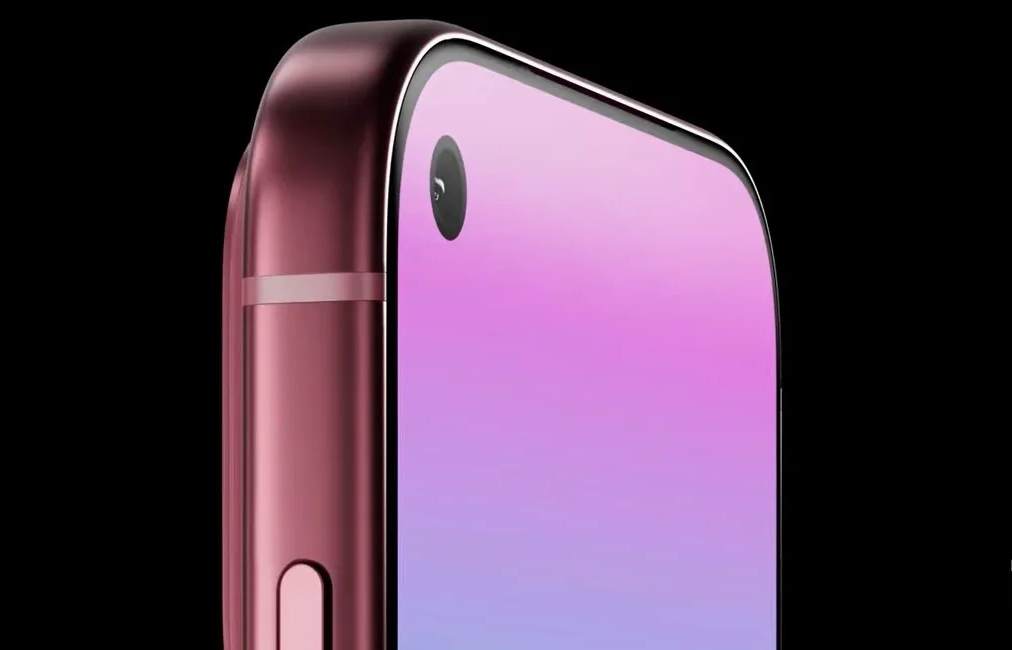
The iPhone 18 Pro may retain its current price despite rising global component costs. Photo: Apple
Jeff Pu, an analyst at GF Securities, recently released a research note obtained by MacRumors. His supply chain surveys suggest Apple is heavily focused on a “cost management” strategy.
Pu forecasts that Apple will keep the same starting prices as the iPhone 17 Pro series - US$1,099 for the iPhone 18 Pro and US$1,199 for the iPhone 18 Pro Max (256GB).
To achieve this, Apple has reportedly negotiated favorable terms with its longtime memory suppliers, Samsung and SK Hynix, both key providers of RAM and NAND flash components for the iPhone.
Beyond memory, Pu believes Apple will use its negotiation leverage to reduce display and camera costs-two of the most expensive components in high-end iPhones. This reflects Apple’s enduring strength: massive order volumes and tight supply chain control, enabling it to pressure suppliers effectively.
Jeff Pu’s optimism is echoed by Ming-Chi Kuo, one of the most respected Apple analysts in the industry. In a recent post, Kuo noted that while RAM prices have risen sharply, NAND flash prices remain slightly below earlier estimates.
The surge in memory costs is largely driven by AI data centers, which consume massive quantities of memory chips to power artificial intelligence models.
Kuo highlighted that Apple’s advantage lies in its ability to negotiate memory pricing quarterly-unlike other companies that operate on six-month cycles. Still, this flexibility means Apple will face higher component costs again in Q2 2026, as it did in Q1.
According to Kuo, Apple has prepared contingency plans to absorb these increased costs, even at the expense of short-term profit margins. Rather than passing the burden to consumers, Apple may choose to “swallow” part of the expense to maintain attractive entry prices for marketing and market share purposes.
Apple’s service ecosystem plays a key role in this strategy. The company can afford thinner hardware margins because it earns strong recurring revenue from its Services division, now its second-largest business after iPhone sales.
In the first fiscal quarter of 2026, Apple’s Services revenue rose 13.93% year-on-year to reach US$30.01 billion. This shift underscores the company’s growing dependence on software and subscription offerings such as the App Store, Apple Music, iCloud, and Apple TV+.
By keeping device prices stable, Apple aims to expand its user base and strengthen long-term service revenue.
Global smartphone prices set to climb
According to IDC, global smartphone prices could rise between 6% and 8% this year due to soaring memory costs driven by AI demand. Samsung’s co-CEO TM Roh has already hinted that Galaxy devices might become more expensive soon.
If Samsung raises prices for its premium Galaxy series, Apple’s decision to keep iPhone prices unchanged could become a strategic competitive advantage. Official pricing for the Galaxy S26 lineup is expected to be revealed at Samsung’s February 25 launch event.
In a market facing widespread inflation, Apple’s move to maintain iPhone 18 Pro prices-if confirmed-would stand out as a contrarian strategy reflecting its unmatched supply chain influence and confidence in its ecosystem-driven business model.
For consumers planning an upgrade, that could be welcome news. Still, much depends on how the volatile AI-driven component market evolves in the months ahead. Whether Apple can uphold its pricing promise will hinge on its ability to control costs in an increasingly competitive landscape.
Hai Phong
.svg)
