 Vietnamnet.vn

 Podcast



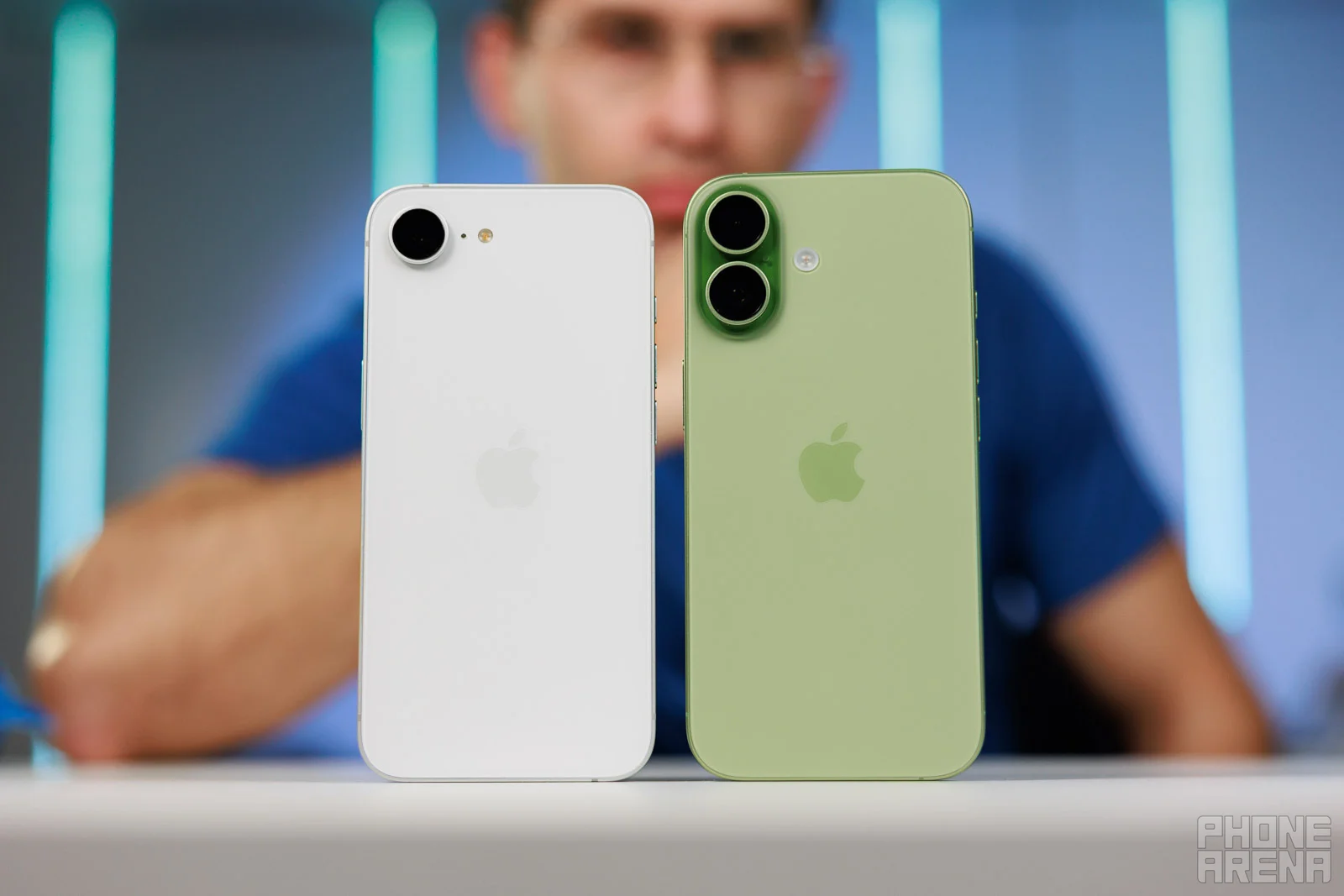
According to industry analyst Dan Nystedt, Apple is expected to equip the entire iPhone 18 lineup with its next-generation A20 chip, manufactured on TSMC’s advanced 2nm process.
This technological shift alone signals a notable improvement in both performance and energy efficiency.
More striking, however, is the possibility that Apple could introduce up to 12GB of RAM across all models, including the standard version.
If confirmed, this would represent a 50% increase over the base configuration of the iPhone 17, marking one of the most significant memory upgrades in recent years.
Combined with an estimated 15% performance boost from the A20 chip compared to its predecessor, the iPhone 18 could emerge as one of Apple’s most powerful upgrades in terms of raw processing capability.
Conflicting signals: cost-cutting still on the table
Despite these optimistic projections, not all sources align.
Some reports suggest Apple is actively exploring ways to streamline production costs, particularly for the standard iPhone 18 and a potential iPhone 18e variant.
This could involve unifying manufacturing processes across models, a move aimed at improving efficiency and maintaining competitive pricing.
Such adjustments may come with trade-offs.
Industry whispers point to possible reductions in GPU performance or the use of less advanced display technologies. In some scenarios, even the rumored RAM upgrade has been called into question.
The divergence in these reports underscores a key reality: Apple’s product strategy for the iPhone 18 remains in flux, with final decisions likely still under evaluation.
Why more RAM makes strategic sense
Looking at Apple’s recent product patterns, increasing RAM capacity appears to be a logical step.
Previous models such as the iPhone 16e and iPhone 17e have typically retained core specifications like memory, even when certain GPU elements were scaled back. This approach has allowed Apple to preserve a consistent user experience across different tiers.
If Apple follows the same philosophy, a jump to 12GB RAM for the iPhone 18 would likely extend to its sibling variants as well.
More importantly, the company is entering a new phase focused on on-device artificial intelligence.
With iOS 27 expected to introduce a more advanced and personalized version of Siri, the demand for higher memory capacity becomes increasingly relevant. While early AI features may function adequately on 8GB RAM, long-term performance and future-proofing will almost certainly require more headroom.
Not all compromises are equal
Apple has a track record of optimizing costs without undermining the core experience.
Historically, any “downgrades” have tended to affect secondary elements - such as GPU cores or display refinements - rather than the fundamental processing power of the device.
This suggests that even if the iPhone 18 undergoes certain adjustments, they are unlikely to significantly impact overall performance.
On the contrary, a combination of increased RAM and a cutting-edge processor could ensure that the device remains competitive in the high-end smartphone market.
A careful balance in a competitive era
As competition intensifies and manufacturing expenses continue to climb, Apple’s challenge lies in striking the right balance between cost efficiency and performance excellence.
The iPhone 18 may ultimately embody this balancing act.
If the rumored RAM upgrade proves accurate, it could stand out as one of the most strategic decisions Apple has made in recent years - reinforcing performance where it matters most while carefully managing the rest.
In a market where expectations are constantly rising, that balance could be the key to sustaining Apple’s position at the top.
Hai Phong
.svg)
