 Vietnamnet.vn

 Podcast



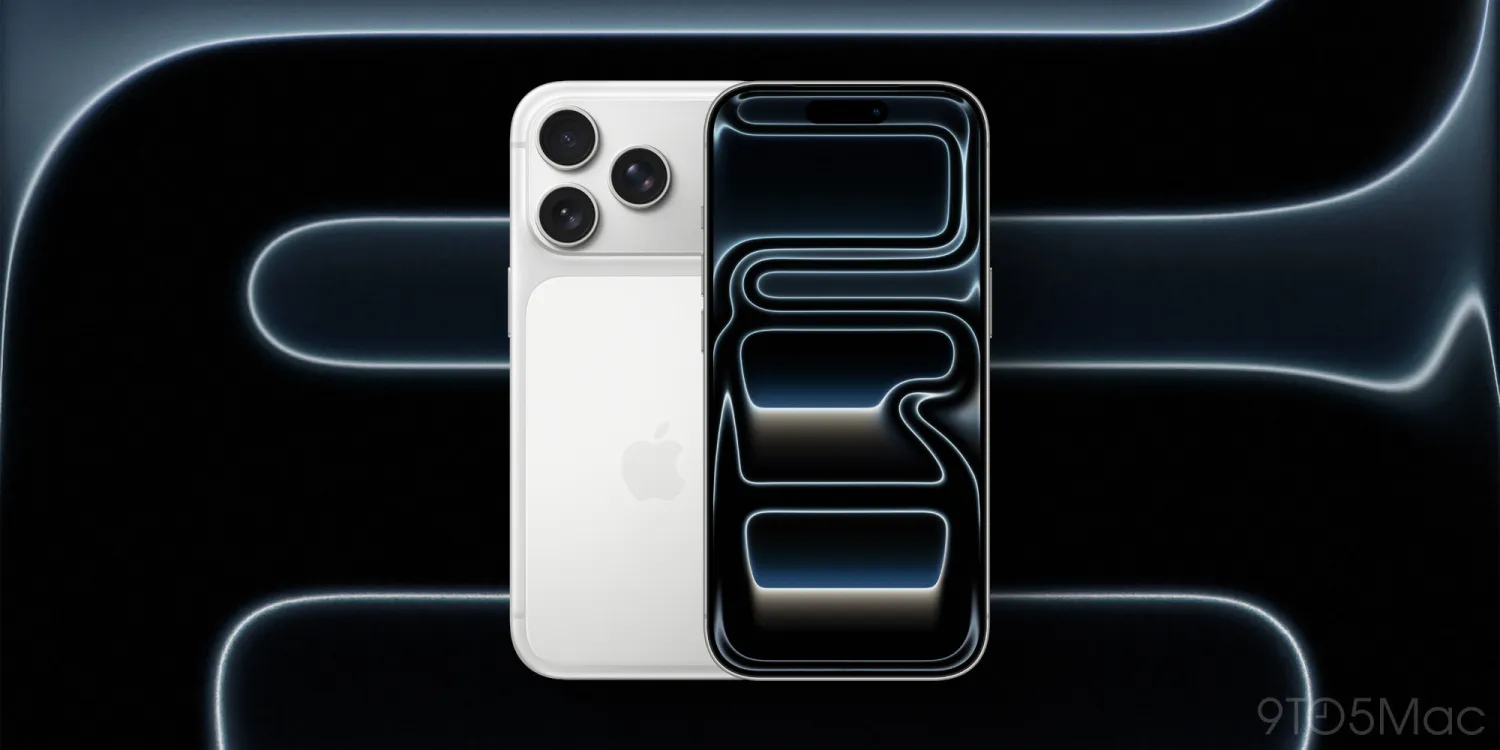
When Apple first introduced satellite connectivity with the iPhone 14 lineup in 2022, many viewed it as more of an emergency backup than a feature for daily use. The technology was designed primarily for crisis situations such as contacting rescue services in mountains, deserts, or areas with no cellular coverage.
But the latest rumors suggest Apple is preparing a major leap forward with the iPhone 18 Pro Max and iPhone 18 Pro - transforming satellite communication from a “life-saving” feature into an essential part of everyday connectivity.
According to industry sources, Apple is developing its next-generation C2 modem for the premium iPhone lineup expected in 2026.
The modem would mark another step in Apple’s effort to fully replace components supplied by Qualcomm. Beyond traditional 5G support, the C2 modem is also rumored to include satellite-based 5G connectivity capable of delivering near-constant coverage almost anywhere.
The most significant detail is support for 5G NR-NTN, short for “New Radio Non-Terrestrial Networks.”
This technology allows satellite networks to function as a natural extension of terrestrial 5G infrastructure rather than as a separate emergency-only system.
No more pointing your iPhone toward the sky
At present, satellite features on iPhones remain relatively limited.
Users typically need to stand outdoors, point the phone toward the sky, and follow on-screen instructions to establish a satellite connection. While practical during emergencies, the process is not convenient for everyday usage.
If rumors surrounding the C2 modem are accurate, that could change dramatically.
With 5G NR-NTN, the iPhone 18 Pro Max could automatically switch to satellite connectivity whenever cellular coverage weakens or disappears, requiring almost no user intervention.
In other words, the device may quietly maintain background connectivity even while sitting in a pocket, inside a car, or in remote regions with weak infrastructure.
Technology journalist Mark Gurman previously reported that Apple wants users to “remain connected even when the iPhone is in a pocket, inside a car, or even indoors.”
If that vision becomes reality, the iPhone experience could fundamentally change.
Instead of treating satellites as a “lifeline” used only a few times in a lifetime, users may begin relying on the technology every day.
Satellite connectivity may no longer be limited to emergencies
Over the past several years, Apple has steadily expanded satellite functionality on the iPhone.
Following Emergency SOS via Satellite, the company introduced Messages via Satellite in 2024, allowing users to send messages without cellular or Wi-Fi connectivity.
Still, these capabilities currently serve relatively niche situations. Most users rarely encounter circumstances requiring emergency satellite communication.
But with the next iPhone generation, Apple may be changing that philosophy entirely.
Imagine driving along highways, hiking through mountains, or staying inside buildings with poor reception. Instead of dropped calls or delayed messages, the iPhone could automatically maintain connectivity through satellites without users even noticing the transition.
That marks a major difference between an “emergency feature” and a permanently available connectivity infrastructure.
If Apple succeeds, satellite technology could become an invisible insurance layer for mobile connectivity - especially in countries with uneven network coverage or during natural disasters that disrupt telecommunications infrastructure.
Apple is laying the groundwork for a future without dead zones
Apple’s strategy also reflects a broader shift happening across the technology industry: eliminating the boundaries between conventional mobile networks and satellite systems.
Several major technology and telecommunications companies are now racing into this space. Firms such as SpaceX, T-Mobile, and AST SpaceMobile are all developing direct-to-device satellite connectivity solutions aimed at global coverage.
Apple’s biggest advantage, however, lies in its ability to integrate hardware, software, and services into a unified ecosystem.
If the C2 modem performs as smoothly as rumors suggest, users may barely notice whether their phone is connected to a terrestrial tower or a satellite network.
That is likely Apple’s ultimate goal: turning highly complex technology into a seamless, almost invisible experience.
Of course, major questions remain unanswered.
It is still unclear which satellite providers Apple may partner with, what real-world data speeds could look like, whether additional subscription fees would apply, and whether satellite connectivity would be stable enough to support common tasks such as voice calls or online navigation.
Still, if these upgrades arrive with the iPhone 18 Pro Max, Apple may be preparing the most important transformation in smartphones since the rise of 5G: a phone no longer fully dependent on traditional cellular towers.
Hai Phong
.svg)
