 Vietnamnet.vn

 Podcast



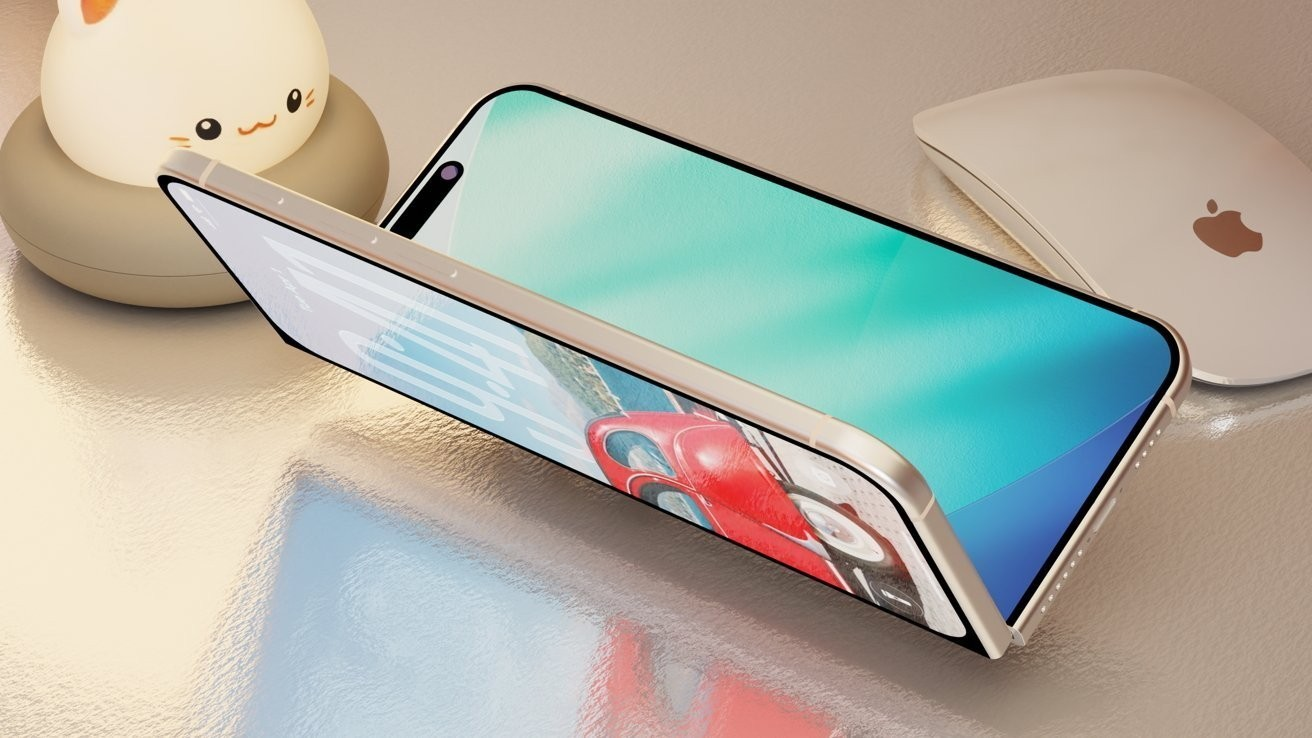
Some people outside Apple have been given the opportunity to try prototype versions of the company’s foldable iPhone, which is expected to be called the iPhone Ultra and unveiled in September, according to Bloomberg’s Mark Gurman.
Initial feedback suggests the device has several strengths that could make it compelling to buyers at the ultra-premium end of the smartphone market.
Although the handset is relatively thick when folded, people who have tried it said it still fits comfortably into a trouser pocket. The hinge mechanism has also drawn praise for its high level of refinement and sturdy feel when opening and closing.
Its large foldable display provides considerably more screen space, allowing Apple to introduce a multitasking app interface similar to iPadOS.
The larger display could also prove particularly useful as a live viewfinder for the phone’s camera system.
However, the iPhone Ultra is expected to make two notable compromises: dropping an optical zoom lens and replacing Face ID facial recognition with a Touch ID fingerprint sensor.
The absence of a telephoto camera on a device expected to start at more than $2,000 could give buyers seeking the most advanced specifications reason to think twice.
At the same time, the return of Touch ID would mark a notable revival of biometric technology Apple has used for years, even as Face ID has become standard across its premium iPhone lineup.
Despite those compromises, analysts believe the iPhone Ultra could emerge as a new halo product for Apple and potentially for the wider smartphone industry.
Apple is entering the foldable smartphone market later than rivals such as Samsung, but its presence and marketing power are expected to bring greater attention to the entire foldable segment.
The launch could also generate broader interest in other iPhone models introduced alongside the foldable device.
Du Lam
.svg)
