 Vietnamnet.vn

 Podcast



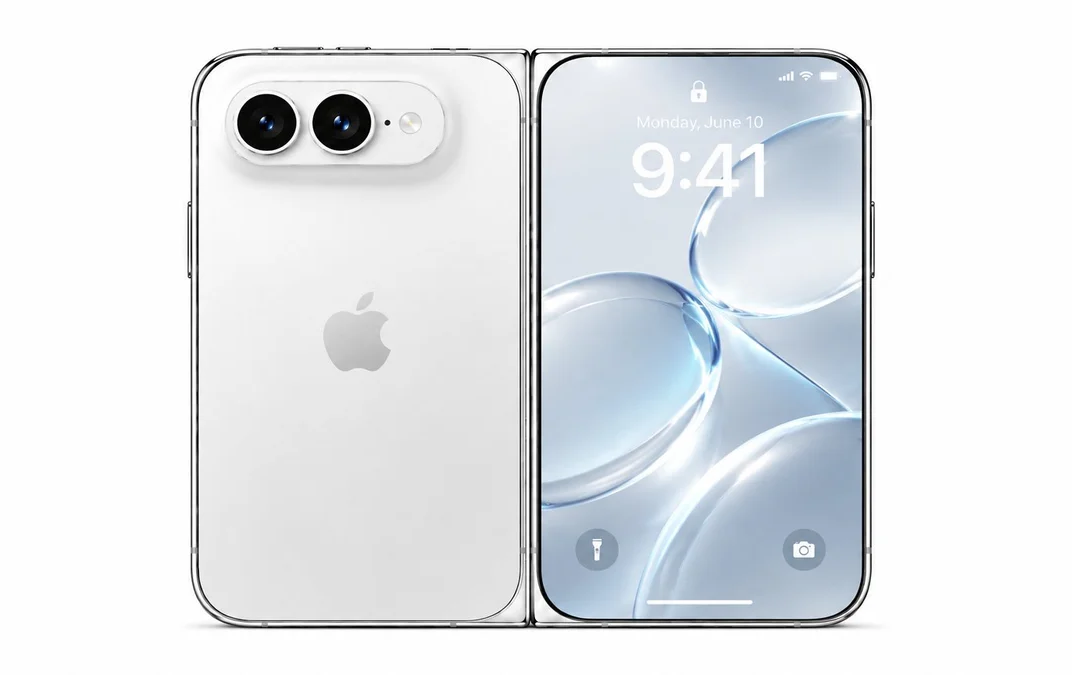
Apple is expected to unveil its first foldable iPhone Ultra early next month alongside the iPhone 18 Pro and iPhone 18 Pro Max.
It is shaping up to be one of the most distinctive iPhones Apple has ever made. Yet one of its most unusual features could turn out to be the selfie camera system.
iPhone Ultra selfie cameras could appear in unusual positions
According to the latest leaks, the iPhone Ultra could feature two selfie cameras positioned in the corners of its displays.
Having two front-facing cameras would not itself be surprising. A book-style foldable smartphone typically needs one selfie camera for the outer display and another for the inner screen. The device is also expected to carry a dual-camera system on the rear.
What stands out is where those two front cameras could be located.
A recently leaked third-party screen protector suggests that the selfie camera on the outer display may sit in the upper-right corner of the device.
The protector features a circular cutout for the camera, offering a clue to where the accessory maker believes Apple will position the lens.
Earlier leaked images, meanwhile, suggested that the selfie camera on the iPhone Ultra’s inner display would sit in the upper-left corner.
If those reports are accurate, the two selfie cameras could occupy mirrored positions or even appear concentrated around the same section of the handset when it is folded.
The leaked screen protector reveals more than just a possible camera position. It also points to another rather unusual design choice for the iPhone Ultra.
According to the images, the device may feature squared-off corners on one side and rounded corners on the other, creating an asymmetrical appearance rarely seen on premium smartphones.
There are, however, reasons to treat these images with caution. Accessory manufacturers often rely on leaked CAD files to design products before a smartphone is officially unveiled.
Those CAD files are not always accurate and can sometimes contain misleading information.
A leaked third-party iPhone Ultra screen protector suggests the outer-display selfie camera could sit in the upper-right corner. Photo: Ice Universe
A series of previously leaked dummy models also showed the inner selfie camera positioned in the corner of the display, while the front camera on the outer screen appeared centered.
That arrangement would arguably be more conventional and closer to the design used on many foldable smartphones currently on the market.
Galaxy Z Fold 8 sticks with centered cameras
One of the iPhone Ultra’s most significant direct rivals is expected to be Samsung’s Galaxy Z Fold 8.
The device is reportedly retaining a more familiar camera layout, with the selfie camera on the outer display positioned in the center.
When unfolded, the selfie camera on the inner display is located around the center of the right-hand half of the screen.
Samsung is also expected to use a similar approach for the selfie camera system on the Galaxy Z Fold 8 Ultra.
Other foldable smartphones take a somewhat different approach to the camera on their inner displays.
The Pixel 11 Pro Fold, Oppo Find N6 and Huawei Mate X7 all position their inner-display selfie cameras in the upper-right corner.
What they have in common, however, is that their outer-display selfie cameras remain centered rather than being pushed toward one side.
From a design perspective, both approaches have their own logic. If Apple places the outer-display selfie camera in the center, the iPhone Ultra would look more familiar, resembling both current iPhones and most mainstream smartphones.
An iPhone Ultra dummy model shows the inner selfie camera positioned in the corner of the display. Photo: Sonny Dickson/X
Moving the camera into a corner, on the other hand, could deliver an important benefit that users would not necessarily notice from the outside: more efficient use of internal space.
If the two selfie cameras are positioned around the same section of the handset but slightly offset from each other, their modules could occupy space in only one part of a chassis rumored to be just around 4.5mm thick.
This could be a clever way for Apple to make better use of the extremely limited internal space rather than placing two camera modules far apart.
Any space saved could then be allocated to other components or potentially make room for a larger battery.
That possibility is particularly noteworthy given recent rumors that the iPhone Ultra could feature the largest battery ever fitted to an iPhone.
If Apple ultimately adopts this arrangement, it could become a striking example of the company trading some exterior design symmetry for more efficient packaging inside an ultra-thin foldable device.
Hai Phong
.svg)
