 Vietnamnet.vn

 Podcast



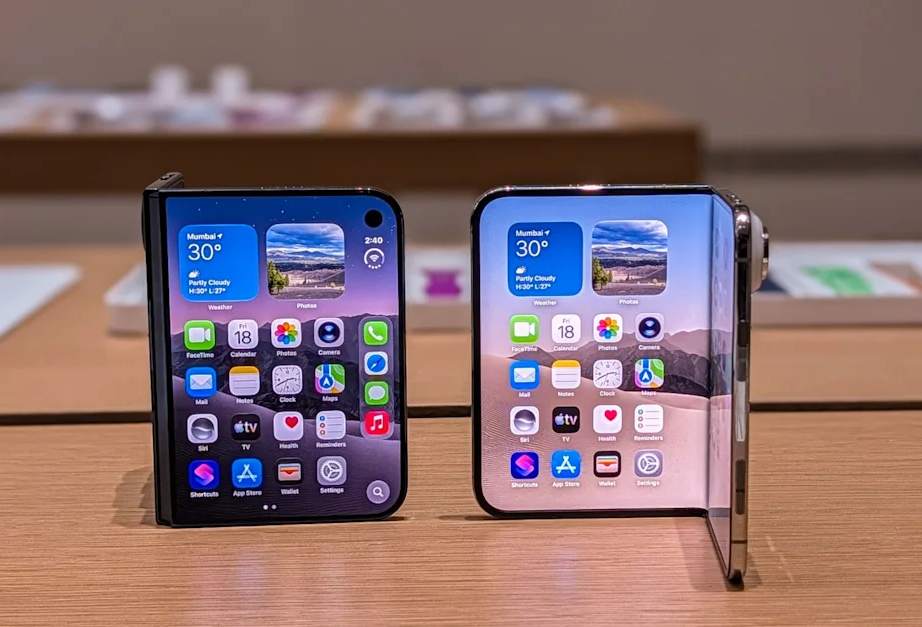
Initial supplies of the iPhone Duo are likely to be limited as production yields on its assembly lines remain low.
iPhone Duo yields barely above 60%
According to China’s Jiemian News, a source said to be familiar with Foxconn’s supply chain said the final assembly yield for the iPhone Duo had only just exceeded 60% as of Sept. 17.
The figure is notable as Apple moves its first foldable iPhone into mass production.
The source said that under Apple’s current quality-control standards, the production line could require another six months to a year before reaching a stable and mature yield rate.
That suggests Apple is facing considerable challenges in manufacturing a device featuring an entirely new design and hardware architecture.
As Foxconn works to scale up iPhone Duo production, it has reportedly been making continuous adjustments to equipment, assembly processes and production parameters.
Suppliers are also waiting to see whether Apple will relax some of its quality requirements to accelerate output.
If Apple maintains its current stringent standards, shipments of the iPhone Duo could remain constrained during its first few months on the market.
OLED display and hinge also face problems
The difficulties apparently extend beyond final assembly.
Jiemian News reported that the foldable OLED display supplied by Samsung Display and components used in the hinge are also experiencing low yields, delayed deliveries and design changes.
The issues are particularly significant because the display and hinge are two core components determining the functionality of a foldable smartphone.
Delays in component deliveries leave Foxconn with less time to fine-tune production lines, test compatibility and improve yields.
Apple reportedly experimented with Liquid Metal for some hinge components before reassessing the approach ahead of mass production.
According to Apple, the iPhone Duo hinge system contains more than 100 components and uses a casing manufactured with 3D-printing technology.
The complexity of the hinge design helps explain some of the manufacturing difficulties Apple and its production partners are working to resolve.
Unlike a conventional slab-style iPhone, a foldable device requires extremely high mechanical precision while maintaining durability through thousands or even hundreds of thousands of folding and unfolding cycles.
Apple may produce only 6-8 million iPhone Duo units in 2026
Another supply-chain source told Jiemian News that Apple’s global inventory target for the iPhone Duo in 2026 is around 6-8 million units.
That is considerably lower than the 20-30 million Pro or Pro Max iPhones Apple typically ships over the full lifecycle of an individual model.
A retail industry source also said Apple’s current sales target for the iPhone Duo exceeds 5 million units.
However, these figures need to be viewed in the context of the iPhone Duo being an entirely new product.
Apple must not only establish new production lines but also manage a hardware system considerably more complex than that of a conventional slab-style iPhone.
A separate report from MyDrivers said one of Apple’s contract manufacturers had asked the company to choose between prioritizing production yields and increasing output.
According to the report, running production lines at higher capacity could result in more devices meeting the required standards and becoming available for sale.
However, doing so could also increase the number of defective units and push up scrap and manufacturing costs.
Apple unveiled the iPhone Duo at its Sept. 9 event. Under the current schedule, pre-orders will open on Oct. 16, with the device officially going on sale on Oct. 23.
The iPhone Duo starts at $1,999 in the U.S., making it one of the most expensive iPhones Apple has ever introduced.
Hai Phong
.svg)
