 Vietnamnet.vn

 Podcast



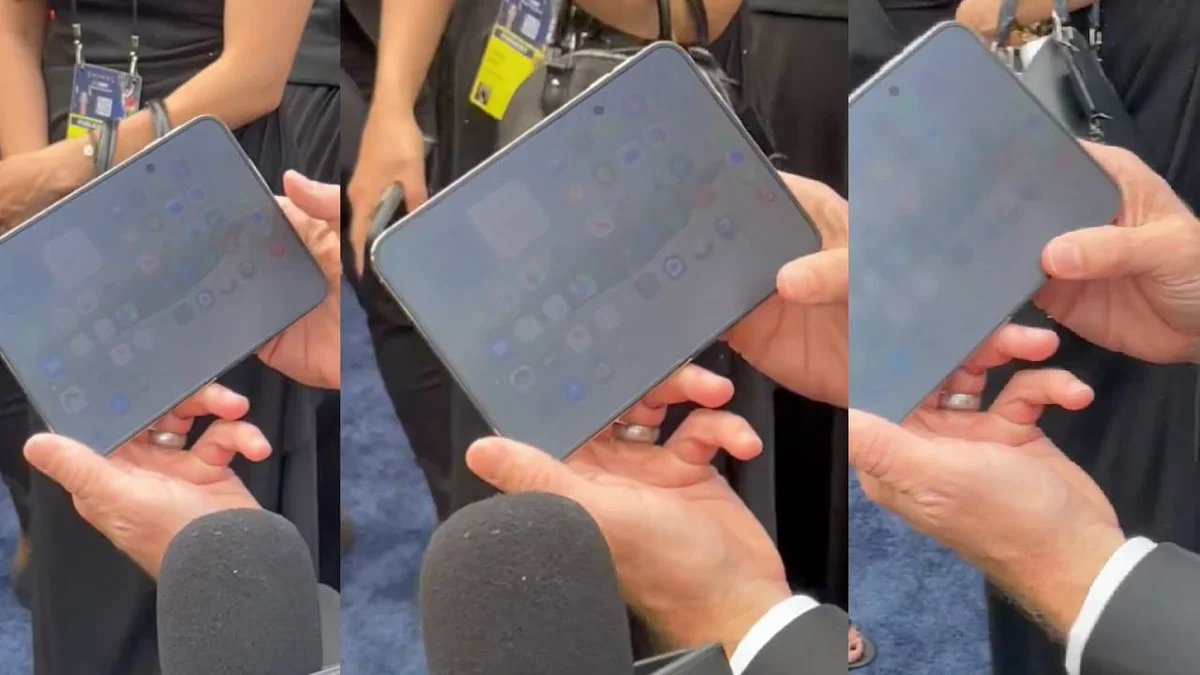
Despite Apple's emphasis on durability improvements, suppliers remain concerned that the iPhone Duo's folding display could develop problems after extended use.
Industry sources say Apple's optimistic claims about the durability of its first foldable iPhone may ultimately be tested by the physical limitations inherent in flexible displays.
Apple touts durability gains, but the foldable display remains a weak point
Scratch, dust and water resistance, along with a hinge comprising more than 100 components, are among the features Apple has highlighted to convince consumers that the iPhone Duo is durable enough for long-term use.
Some supply-chain sources, however, remain unconvinced and believe those expectations could diminish over time.
The concern stems from the physical characteristics of foldable displays themselves. A nano-texture finish helps make the crease almost disappear, giving the iPhone Duo a refined appearance that many other foldable phones have struggled to achieve.
Beneath that finish, however, the screen retains some of the inherent vulnerabilities of flexible-display technology.
Suppliers are particularly concerned that Apple may not have fully solved the problem of the display's protective film separating over time, particularly around the crease.
Foldable displays consist of several layers. The outer protective film sits above flexible glass, optical adhesive and the OLED panel, followed by a metal layer that provides structural support for the display.
Because the shatter-resistant coating is bonded to the flexible glass substrate, its durability still has limits.
After prolonged use, the upper layer could begin to separate from the surface. If that happens, it could affect not only display quality but also the screen's ability to detect input from an Apple Pencil.
According to Apple's disclosures, the durability of foldable phones has improved substantially. Most foldable smartphones can now withstand around 100,000 to 200,000 folding cycles, making the number of folds less of a concern than it once was.
Instead, the technological challenge is shifting toward harder-to-solve issues involving optical adhesives, shatter-resistant films and coatings designed to conceal the crease.
On the iPhone Duo, a matte screen finish makes the crease almost disappear when viewed directly and gives the display a flatter appearance. Apple also uses a multilayer laminated design intended to improve durability.
Suppliers, however, reportedly remain uncertain whether those measures will be enough to prevent the protective film from separating after prolonged use.
That could become a significant challenge if Apple expects the iPhone Duo's display to maintain its quality over several years.
The 'first-generation tax' could bring trade-offs
Another factor is Apple's relatively late arrival in the foldable smartphone market. While Huawei and Samsung have had about seven years to develop foldable devices, the iPhone Duo is Apple's first product in the category.
First-generation products are rarely entirely free of shortcomings, and early adopters generally understand that buying new technology can involve some degree of risk.
The issue becomes more significant, however, with the iPhone Duo starting at $1,999.
At that price, consumers may be less willing to accept signs of display deterioration after only a few years of use.
Apple nevertheless has reasons to believe the iPhone Duo can overcome those concerns.
The company spent years developing the product before bringing it to market, meaning durability was almost certainly among the areas receiving significant attention.
Apple says the iPhone Duo is designed to withstand the wear and tear of everyday use. Its outer nano-texture coating, for example, uses a custom polymer that the company says is 40% harder than materials used by competitors.
That suggests Apple has done more than simply adapt a conventional iPhone to a folding form factor, investing substantially in the device's materials and construction.
Still, concerns from the supply chain highlight a broader reality: foldable display technology has yet to completely overcome some of its longstanding vulnerabilities.
The iPhone Duo may offer a refined design, a sophisticated hinge and an impressively concealed crease, but its real-world durability can only be established after users have spent years opening and closing the device every day.
Hai Phong
.svg)
