 Vietnamnet.vn

 Podcast



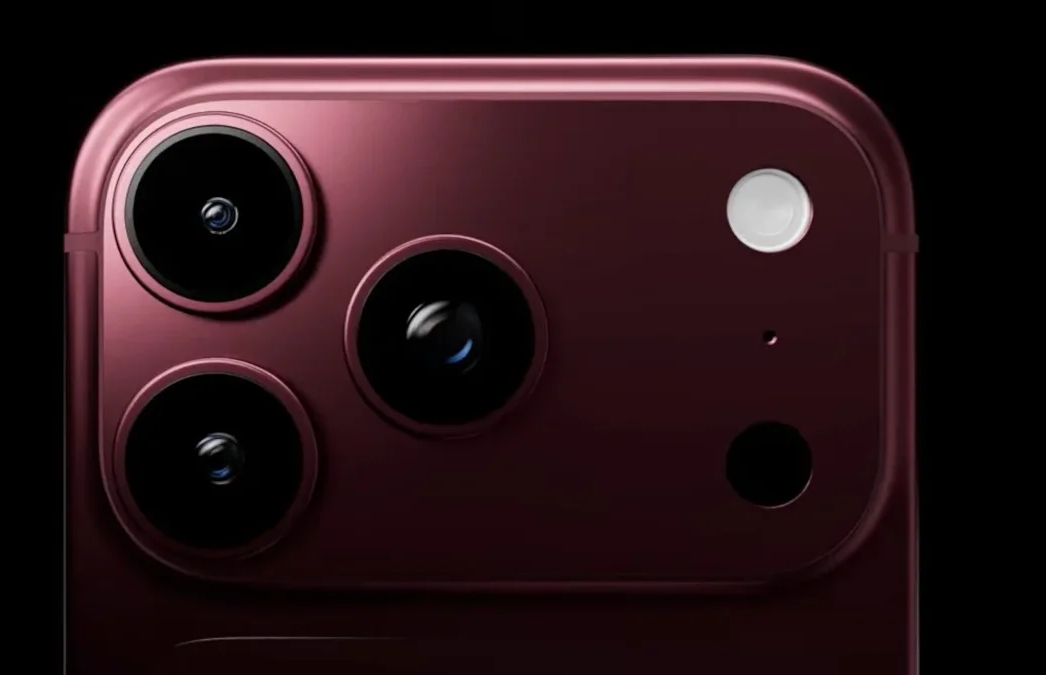
According to renowned Apple analyst Ming-Chi Kuo, the iPhone 18 Pro Max will become the first iPhone to feature a variable aperture main camera. The upgrade is expected to be one of the most significant changes to the iPhone camera system in years, bringing smartphone photography closer to the capabilities of professional DSLR cameras.
However, that technological leap comes with a substantial increase in production costs.
Kuo says the new camera components are roughly 50% more expensive than the premium lenses Apple currently uses. The higher cost could place pressure on Apple's profit margins and raise questions about whether future iPhone prices will eventually increase.
Variable aperture could change the way users take photos
According to supply chain sources, the iPhone 18 Pro Max will replace the fixed-aperture system found on current iPhones with a variable aperture camera.
Technology publication 9to5Mac describes the move as one of the biggest camera-related changes in iPhone history.
The technology allows the camera to adjust the size of the lens opening through which light reaches the image sensor.
In photography, aperture plays a critical role because it directly affects both light intake and depth of field.
A wider aperture can create a naturally blurred background effect that helps subjects stand out, while a narrower aperture keeps more of the scene in focus.
Most smartphones today rely on fixed apertures and use software processing to simulate background blur effects. A variable aperture system would allow the iPhone to adapt more effectively to different shooting conditions, particularly in low-light environments or situations requiring precise depth-of-field control.
In practical terms, users would gain greater creative control while bringing the iPhone camera experience closer to that of dedicated photography equipment.
In a post on social media platform X, Kuo said he has observed encouraging order activity from Apple involving component supplier Sunny Optical.
According to the analyst, Apple has placed significant orders for high-value variable aperture lenses destined for a new generation of iPhones expected to arrive in the second half of 2026.
Those devices are widely believed to be the iPhone 18 Pro and iPhone 18 Pro Max. Current reports suggest the standard iPhone 18 may not launch at the same time and could instead arrive in spring 2027.
Industry observers have also speculated that the technology could appear in Apple's first foldable iPhone, often rumored to carry the name iPhone Ultra.
That possibility remains uncertain, however.
One of the biggest engineering challenges facing foldable devices is maintaining extreme thinness across both halves of the handset. Complex mechanical components such as a variable aperture system may require additional space compared with conventional camera designs, making integration into an ultra-thin foldable device more difficult.
Rising component costs create new pressure for Apple
Perhaps the most notable aspect of Kuo’s report is the cost implication.
He claims that the variable aperture lens planned for the iPhone 18 Pro and iPhone 18 Pro Max is approximately 50% more expensive than the premium seven-element (7P) lenses currently used in Apple's flagship models.
Sunny Optical is expected to supply between 40% and 50% of total production volume.
The increase does not mean iPhone prices would rise by a similar percentage, since the camera represents only one of hundreds of components inside the device.
However, when combined with elevated NAND flash memory and RAM prices, Apple’s overall manufacturing costs are likely to face significant pressure.
This presents a difficult balancing act for Apple.
For years, the company has sought to maintain industry-leading profit margins while also facing increasingly intense competition from premium Android smartphone makers.
Despite rising production costs, several recent reports suggest Apple may not pass the entire burden on to consumers.
According to NotebookCheck, Apple is considering absorbing much of the additional expense itself in order to remain competitive against Android rivals.
Such a move would be somewhat unusual for the Cupertino-based company.
Traditionally, significant increases in component costs are reflected in retail pricing. However, industry sources suggest Apple is evaluating a strategy of absorbing part of the financial impact, similar to its recent approach toward rising memory costs.
If that strategy materializes, consumers could benefit from substantial camera upgrades without facing dramatic price increases.
The final decision will depend on several factors, including supply chain conditions, component pricing throughout 2026 and Apple's broader strategy in the premium smartphone segment.
At a time when smartphone innovation has begun to slow across the industry, a variable aperture camera could become one of the defining features of the iPhone 18 Pro Max.
If Apple ultimately brings the technology to a commercial product, it would represent more than a routine hardware update. It could mark another step toward narrowing the gap between smartphones and professional cameras.
Hai Phong
.svg)
