 Vietnamnet.vn

 Podcast



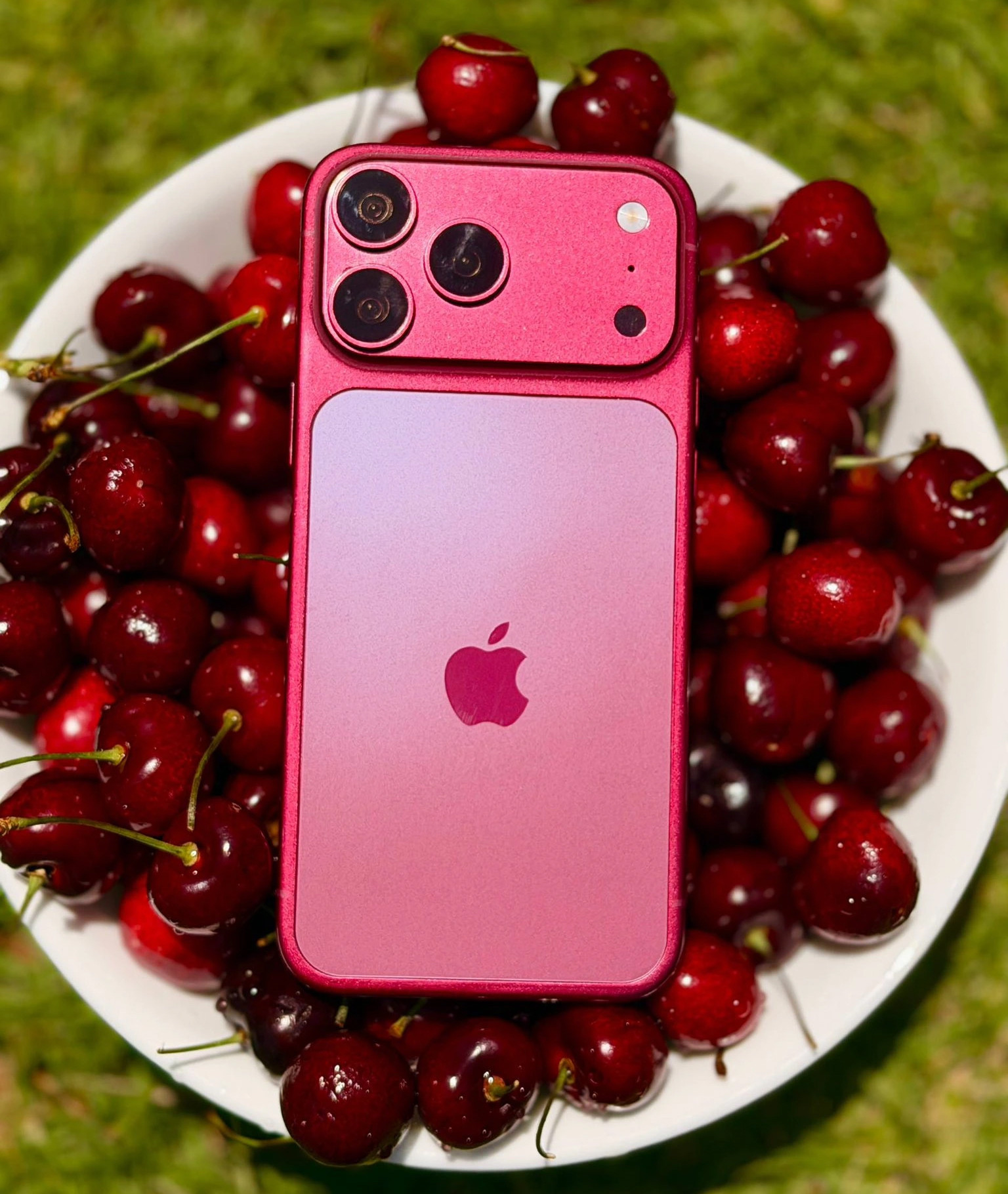
Some of the most disappointing rumors yet about Apple's upcoming iPhone 18 Pro and iPhone 18 Pro Max have just surfaced - and what makes them particularly noteworthy is that they appear to be backed by comments from CEO Tim Cook himself.
The message is becoming increasingly clear: Apple's next-generation premium iPhones are likely to be significantly more expensive. For anyone who has been closely following the technology industry over the past year, that possibility should not come as a surprise. In fact, many analysts have been predicting such a scenario for quite some time.
What is truly worth examining, however, is not the prospect of Apple raising prices, but the reasoning behind it. And the answer goes beyond the simple reality of rising component costs across the technology sector.
Apple is genuinely facing cost pressure
In recent remarks, Tim Cook acknowledged that Apple is dealing with "very substantial" cost increases throughout its supply chain. He stressed that the company has worked hard to shield consumers from those additional expenses, but maintaining that approach is becoming increasingly difficult.
At first glance, it may sound contradictory for a company worth trillions of dollars to discuss cost pressures. Apple was valued at roughly $2.4 trillion in 2024, and by mid-2026 its market capitalization had surpassed $4.3 trillion. Financial hardship is clearly not the issue.
Yet market value and manufacturing costs are two entirely different matters. Regardless of whether Apple’s stock price rises or falls, the company must still confront the reality that electronic components are becoming more expensive.
The technology industry is now entering what some analysts have dubbed the "RAMpocalypse" - a severe memory pricing crisis. The price of 64GB DDR5 memory modules has climbed from around $200 in early 2025 to nearly $1,000 today.
The main driver is artificial intelligence. AI data centers around the world are consuming enormous quantities of high-performance memory chips, tightening supply and pushing prices sharply higher.
Apple is far from alone in feeling the impact. Android manufacturers have already begun adjusting prices. Xiaomi has increased prices across several product lines, while the standard version of Samsung's Galaxy S26 became $100 more expensive earlier in 2026. Before that, Apple's own iPhone 17 Pro saw its starting price rise from $999 to $1,099.
Is a $1,399 iPhone really unrealistic?
If current trends continue, an iPhone 18 Pro Max starting at $1,399 when it launches in September is entirely plausible.
Consider the current specifications. The iPhone 17 Pro starts at $1,099 and includes 256GB of storage and 12GB of RAM. According to memory market analysts, both components are expected to become considerably more expensive over the coming months.
Estimates suggest Apple currently spends roughly $39 on the 12GB RAM package used in the iPhone 17 Pro. For the iPhone 18 Pro, that cost could rise to approximately $145.
Storage is facing similar pressures. The cost of a 256GB storage configuration is reportedly expected to increase from around $13 to more than $50.
When all components are added together, the total bill of materials and manufacturing costs for the iPhone 18 Pro could rise from roughly $530 to as much as $726. If Apple maintains a profit margin similar to the approximately 47% margin estimated for the iPhone 17 Pro, the resulting retail price would land around $1,370.
Given Apple's preference for rounded pricing tiers, the company could choose a starting price of $1,299. That assumes, however, that there are no major additional hardware upgrades.
If a redesigned camera system costs around 50% more than the current generation, then a $1,399 price tag becomes entirely realistic. In a more moderate scenario, Apple may reserve that price for the Pro Max model, while positioning the standard Pro version around $1,299.
A price increase in 2026 may actually be the smarter move
At first glance, a significant price increase would almost certainly hurt iPhone 18 sales.
Consumers are becoming increasingly difficult to impress with familiar marketing messages such as "smarter AI," "thinner design," or "better cameras." After years of steady upgrades, many people have concluded that their current smartphones continue to perform perfectly well.
An iPhone 18 Pro Max priced at $1,399 would represent a major psychological barrier for many buyers. Apple understands that reality better than anyone.
Yet 2027 may be the company’s real strategic target.
That year will mark the 20th anniversary of the original iPhone. Numerous reports suggest Apple is preparing a special product to celebrate the milestone.
Whether the device is called the iPhone 20 or something entirely different, it is widely expected to be a landmark product designed to generate the kind of excitement the iPhone X created in 2017.
Now imagine Apple unveiling a 20th-anniversary iPhone that costs another $100 or $200 more than an already expensive iPhone 18 Pro Max. That is not the headline the company would want dominating global media coverage.
By raising prices in 2026, Apple gains additional flexibility heading into 2027.
By then, component costs may have stabilized. Apple could potentially keep pricing for the anniversary iPhone unchanged relative to the iPhone 18 generation.
That may sound counterintuitive, but sometimes "not raising prices" can be an extremely effective marketing message.
Consumers could perceive the anniversary iPhone as offering better value simply because it carries the same price tag as its predecessor, even if that price remains exceptionally high in absolute terms.
It is a familiar strategy in the technology industry: raise prices ahead of time to create room for future flagship products that are intended to become iconic.
Hai Phong
.svg)
