 Vietnamnet.vn

 Podcast


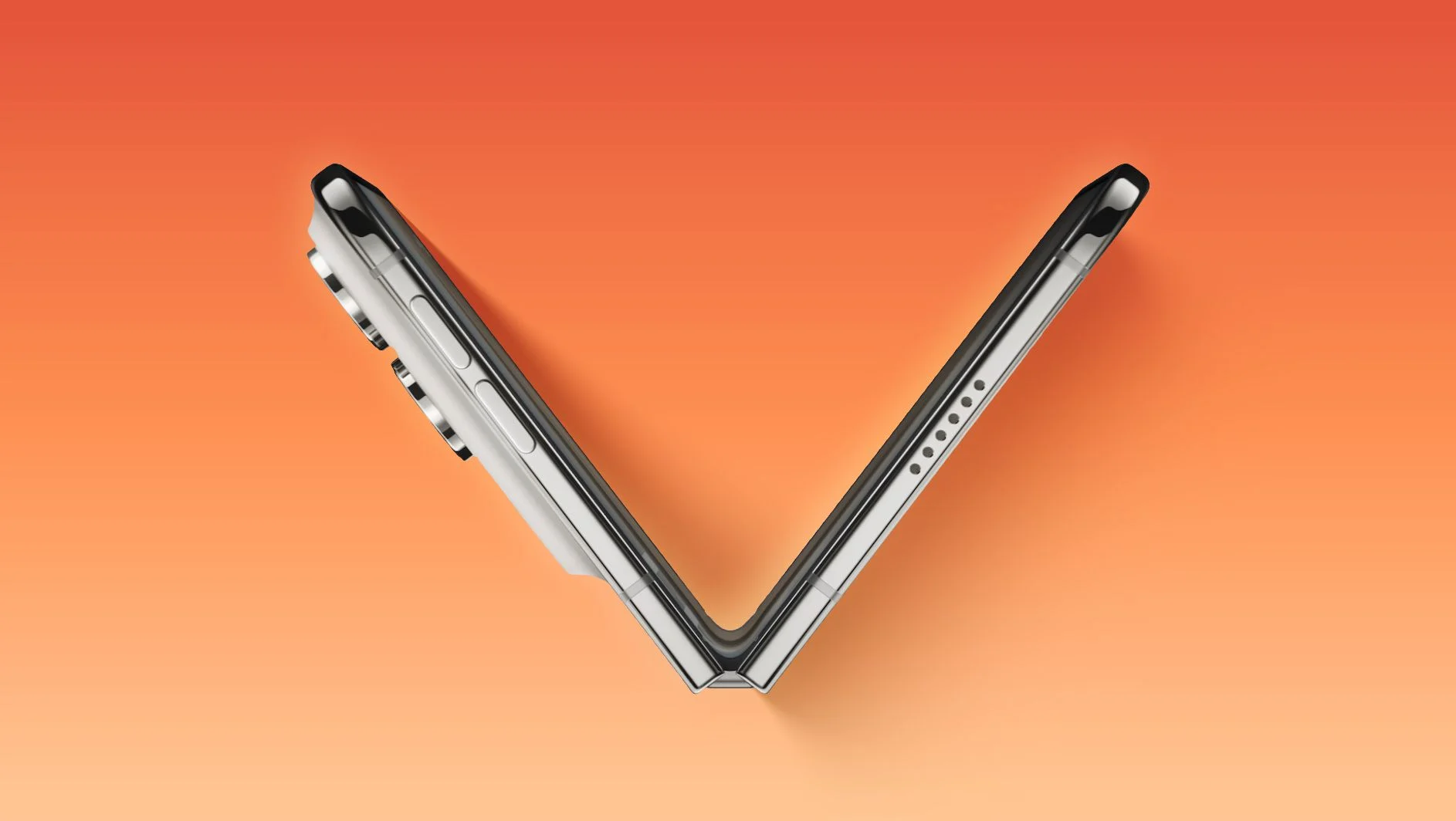
Thermal management has emerged as a recurring topic in reviews published ahead of the iPhone Duo's October 23 retail launch.
Some technology journalists describe the device as becoming moderately warm under heavy workloads, while others report temperatures that make it uncomfortable to hold.
Technology journalist Joanna Stern said the back of the iPhone Duo became noticeably warm during FaceTime calls and photography sessions.
During testing, she even ended a FaceTime call because the phone felt excessively hot.
Stern said the temperature increased significantly while she was holding the device during the video call.
Apple explained to Stern that the heat was evidence of the iPhone Duo's cooling system working as designed.
According to the company, the system transfers heat away from the processor to help maintain performance during operation.
However, Stern was not entirely convinced by the explanation.
She acknowledged that Apple might consider the temperature increase a consequence of effective heat transfer, but emphasized that the practical experience was still that of holding a very hot smartphone.
The difference between Apple's technical explanation and the reviewer's experience highlights an important distinction in thermal management.
A cooling system may successfully move heat away from critical components while still making the device uncomfortable to hold.
For a foldable smartphone with a large display, the sensation of heat during prolonged use can be just as important to consumers as benchmark results.
Ultra-thin cooling system presents engineering challenges
The iPhone Duo uses Apple's A20 Pro processor and a custom vapor chamber cooling system similar to that found in the iPhone 18 Pro series.
However, the vapor chamber in the foldable model is thinner, creating additional challenges for heat dissipation.
To compensate, Apple has incorporated a flexible graphite heat pipe around the hinge.
This component helps transfer heat between the two halves of the device, increasing the surface area available to dissipate heat into the surrounding environment.
The approach is particularly important because foldable smartphones have more complex internal structures than conventional slab-style devices.
Limited space for components, the dual-display configuration and the hinge mechanism all complicate the placement of cooling hardware.
Despite Apple's engineering efforts, early reviews indicate that the system cannot completely prevent heat buildup under every operating condition.
The Verge reported that the iPhone Duo became hot during extended camera use, particularly when both displays were active through features such as Duo Preview.
In these situations, users could clearly feel the device's temperature rising.
More significantly, the review found that prolonged use could sometimes lead to stuttering and lag.
Similar behavior was observed with certain third-party applications, particularly video apps and software developed by Google.
These findings suggest that substantial heat buildup is not limited to graphically intensive games.
Common activities such as extended photography, video recording and prolonged app use can also place significant thermal demands on the device.
Gaming tests show higher temperatures than iPhone 18 Pro models
Photography website PetaPixel also reported that its iPhone Duo review unit became warm during gaming, photo editing and other processor-intensive tasks.
The heat was more concentrated on the right side of the device when it was fully unfolded.
Technology YouTube channel Mrwhosetheboss conducted a 20-minute sustained workload test comparing the iPhone Duo with the iPhone 18 Pro Max.
The results suggested that the foldable device tended to retain more heat when closed and delivered lower performance than the Pro Max.
When unfolded, the iPhone Duo's larger, higher-resolution display also placed additional demands on the system.
However, the reviewer focused primarily on processing performance rather than temperature measurements alone.
According to the test, the performance gap between the iPhone Duo and iPhone 18 Pro Max was not large enough to be easily noticeable during ordinary activities.
That distinction suggests that results from demanding benchmark tests may not always reflect the experience of typical users.
A separate 30-minute gaming test conducted by HTX Studio revealed a more pronounced difference.
The iPhone Duo reached 46.5 degrees Celsius, compared with 43.8 degrees for the iPhone 18 Pro and 43.2 degrees for the iPhone 18 Pro Max.
The foldable also recorded frame rates approximately 20% lower than those of the iPhone 18 Pro models during the test.
Its screen brightness fell to 185 nits rather than maintaining the expected 300-nit level.
These results indicate that under sustained heavy workloads, the iPhone Duo may struggle to maintain optimal performance, display brightness and temperature simultaneously.
The findings also suggest that its thinner design and more constrained cooling hardware can affect performance during prolonged gaming sessions.
Other reviewers find thermal performance acceptable
Not every reviewer considers overheating a major weakness of the iPhone Duo.
9to5Mac reported that the foldable runs slightly hotter than the iPhone 18 Pro but found no substantial impact on overall performance.
Tom's Guide conducted temperature measurements during benchmark testing and observed that heat was distributed relatively evenly across the device.
However, the iPhone Duo still ran several degrees hotter than Samsung's Galaxy Z Fold8, which served as a comparison device.
In the 3DMark stability test, the iPhone Duo achieved a score of 75.9%.
That result was below the iPhone 18 Pro Max's 79% but above the Galaxy Z Fold8's 72%.
The comparison suggests that while the iPhone Duo does not lead in sustained performance, it is not necessarily at a disadvantage against every competing foldable.
Gizmodo offered a more favorable assessment.
The publication did not regard the phone's temperature as a major concern and concluded that its vapor chamber performed effectively.
According to the review, the cooling system helped prevent significant stuttering or performance throttling even when applications placed heavy demands on all CPU and GPU cores.
These differing conclusions may reflect variations in workload, test duration, environmental conditions and temperature measurement methods.
A device that performs reliably during ordinary tasks may still become noticeably hot during prolonged gaming or continuous camera use.
Likewise, higher surface temperatures do not automatically indicate a severe performance problem if the processor remains stable and the device continues operating normally.
Is overheating a serious problem for the iPhone Duo?
The early findings present a mixed picture of the iPhone Duo's thermal performance.
Several reviewers have confirmed that the device can become noticeably hot during demanding activities, and some have reported performance reductions or discomfort when holding it.
At the same time, other tests suggest that Apple's cooling system is reasonably effective given the physical constraints of a thin foldable smartphone.
The most significant concerns appear to involve sustained workloads, including lengthy gaming sessions, extended video calls and prolonged camera use.
For users who primarily browse the web, exchange messages, watch short videos or perform routine tasks, the impact may be less noticeable.
However, customers who regularly play demanding games, record lengthy videos or use intensive applications may need to pay closer attention to thermal behavior.
With the iPhone Duo officially going on sale on October 23, broader consumer experience should soon provide a clearer picture of whether the reported heat buildup is an occasional limitation or a widespread issue.
For now, the available reviews indicate that Apple's first foldable iPhone delivers an ambitious design, but its ultra-thin construction may involve compromises in thermal comfort and sustained performance.
Hai Phong

