 Vietnamnet.vn

 Podcast



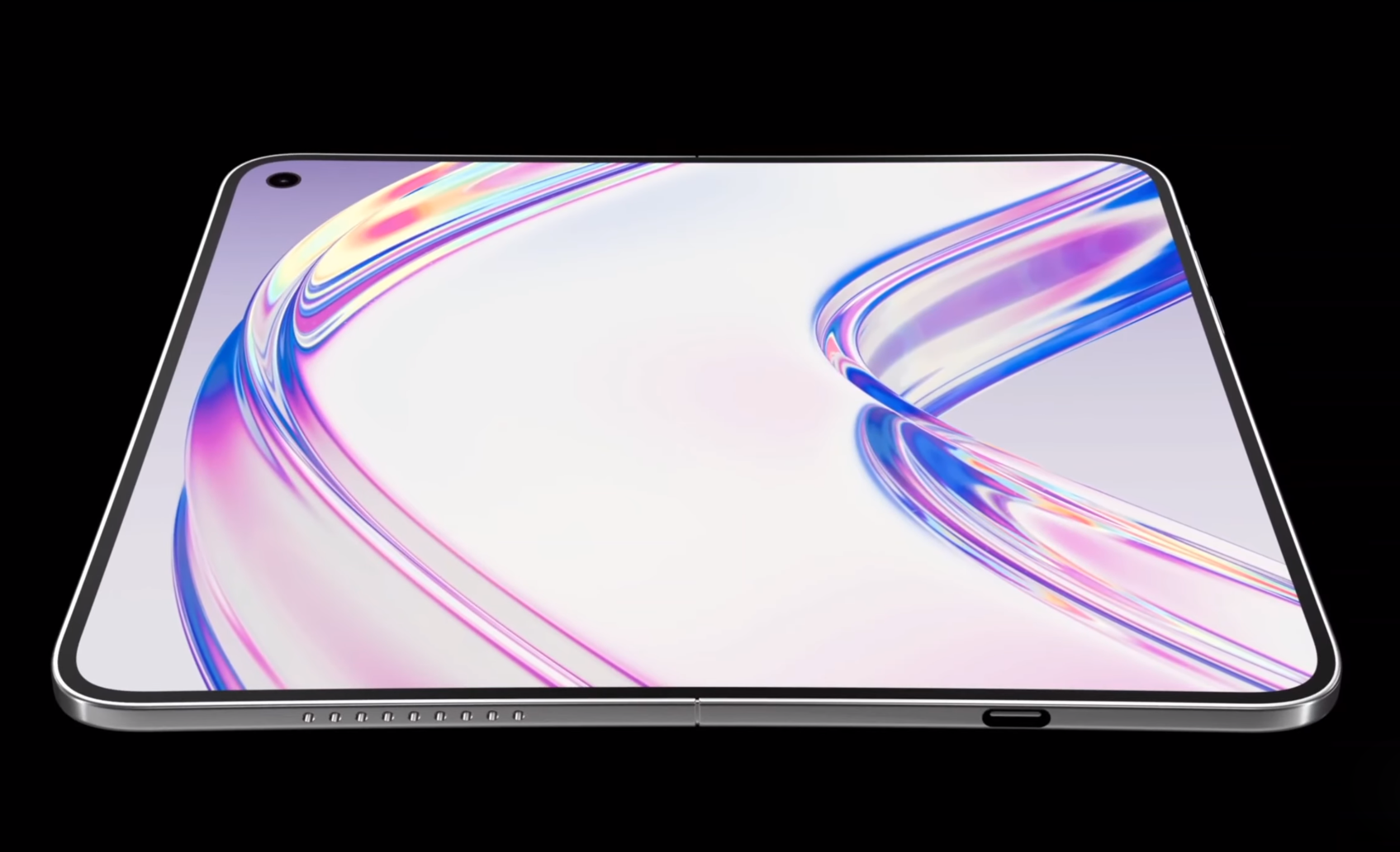
But just as the ambitious project seemed ready to move forward, new problems have reportedly emerged.
According to multiple reports, Apple has already entered the early production phase and was preparing to release the iPhone Ultra alongside the iPhone 18 Pro lineup this year.
However, as the expected launch window approaches, the foldable iPhone project has encountered another obstacle.
This time, the issue appears unusually awkward for a company known for premium design and meticulous engineering: the device reportedly starts making rattling noises after being folded and unfolded several times.
At first glance, the problem may sound minor.
But for Apple, whose brand image has long centered on refinement and product quality, a foldable iPhone producing unpleasant sounds during use would be difficult to accept.
Hinge reportedly rattles after repeated use
According to a newly leaked report, the iPhone Ultra’s hinge begins producing a rattling or loose vibration sound after the device has been folded multiple times.
The issue has reportedly become serious enough that the hinge mechanism repeatedly fails Apple’s internal quality testing standards.
Sources claim the problem stems from Apple’s entirely new hinge manufacturing approach for its first foldable iPhone.
Rather than relying on a traditional hinge structure, Apple is said to be using a 3D-printed hinge system with filler materials designed to hide imperfections or structural inconsistencies created during manufacturing.
The approach reportedly helps Apple significantly reduce production costs, allowing the company to keep the iPhone Ultra’s price lower than originally expected.
However, the tradeoff appears to be weaker durability and reduced structural stability, causing the hinge to produce unwanted sounds over time.
The situation places Apple in a difficult position.
If the company continues with the current hinge design, it risks releasing a product that falls short of its usual standards.
But redesigning the hinge structure entirely could force Apple to postpone the launch once again.
Another possible delay
For months, rumors have consistently suggested Apple remained determined to introduce the iPhone Ultra alongside the iPhone 18 Pro lineup.
Yet with this newly reported issue, the likelihood of disruption to that plan appears to be increasing.
For Apple, the foldable iPhone is far more than just another product launch.
The device represents the company’s long-awaited entry into the foldable smartphone market, where Samsung, Huawei and other Android manufacturers have already built a significant lead.
Because of that, Apple can hardly afford for its first foldable device to leave a disappointing impression.
A foldable iPhone that produces rattling noises would almost certainly damage the premium brand image Apple has cultivated for decades.
According to the report, if Apple cannot resolve the hinge issue quickly enough, the iPhone Ultra could face another postponement.
And this time, the delay may not be limited to a few months after the iPhone 18 Pro launch - it could potentially push the foldable iPhone into next year.
Apple also compromising on display technology
The hinge reportedly is not the only problem Apple is facing.
Sources suggest the company has also been forced to compromise on the foldable display itself.
For years, Apple delayed entering the foldable phone market because it wanted to solve two of the technology’s biggest weaknesses: durability and the visible screen crease.
Apple’s goal has reportedly been to create a nearly flawless foldable phone with an almost invisible crease and a rigid body structure capable of delivering a truly premium feel.
But current reality suggests that goal remains out of reach.
Sources claim Apple has reluctantly accepted the currently available display technology because production timelines have advanced too far for indefinite delays.
In other words, the company no longer has enough time to wait for the “dream display” technology it originally envisioned.
According to leaked information, the crease on the iPhone Ultra’s display will reportedly be difficult to notice under normal use and when viewed directly.
However, users may still see the fold line clearly when examining the screen closely or viewing it from certain angles - similar to most foldable smartphones currently on the market.
The situation suggests Apple is ultimately being forced to accept the same technical limitations Android competitors have faced for years.
The iPhone Ultra has already consumed significant development time and resources.
If the device suffers yet another delay, many technology enthusiasts and Apple fans are likely to feel disappointed.
Still, given Apple’s long-standing emphasis on premium user experience and polished design, the company appears unlikely to release a foldable iPhone that produces distracting mechanical noises.
At the same time, the repeated setbacks may serve as a reminder that consumers should approach Apple’s first-generation foldable iPhone with caution.
Hai Phong
.svg)
