 Vietnamnet.vn

 Podcast



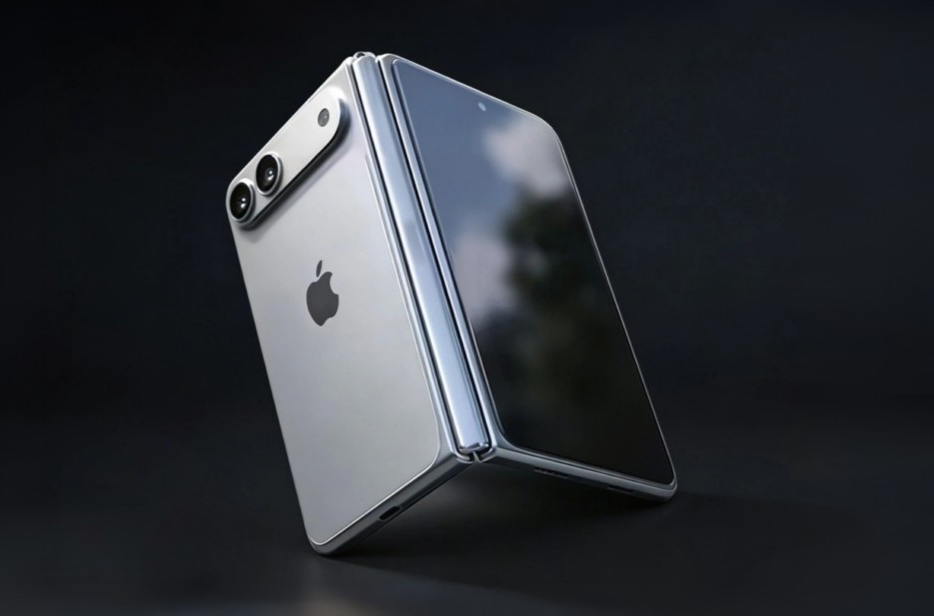
According to the latest information, the device not only aligns with previous rumors but may exceed expectations in terms of thinness and overall design refinement.
The leak reportedly originates from a case manufacturer, a source that often gains early access to the dimensions and physical form of unreleased devices.
Although the leaked images are low in resolution, they still provide enough detail to outline a key takeaway: the iPhone Ultra could be significantly thinner than previously anticipated.
An ultra-thin foldable that pushes engineering limits
Based on the new data, the iPhone Ultra is expected to measure approximately 9.23mm when folded. This figure stands out, especially considering earlier reports suggested a thickness ranging from 9.5mm to 9.8mm or more. Including the rear camera module, the device’s maximum thickness could reach around 13mm.
For comparison, one of today’s leading foldable smartphones, the Galaxy Z Fold 7, measures about 8.9mm when folded, but rises to roughly 14mm when accounting for the camera bump.
This means Apple may slightly trail its rival in body thickness when folded, yet could surpass it in overall thickness when the camera module is included.
However, differences of just a few tenths of a millimeter are far from trivial. In the world of premium smartphone design, such details directly influence how a device feels in hand, its visual appeal, and the perception of build quality.
If Apple achieves the slim profile suggested by the leak, it would represent a notable step forward in foldable engineering.
Late entry, higher expectations
Despite these promising figures, Apple faces an unavoidable reality: it is entering the foldable smartphone market later than its competitors.
Before the iPhone Ultra officially launches, Samsung is expected to introduce the next-generation Galaxy Z Fold 8, alongside a new variant rumored to be called the Galaxy Z Wide Fold.
Recent leaks indicate that Samsung continues to refine its designs, particularly in camera systems and overall finish, maintaining pressure on any new entrant.
This places Apple in a unique position - it must not only catch up but surpass existing standards.
After years of anticipation, users expect Apple’s first foldable iPhone to approach near perfection. Any shortcomings, whether in hinge durability, screen crease visibility, battery life, or software experience, could lead to significant disappointment.
In other words, Apple has little room for error.
A different path with significant risks
Perhaps the most intriguing aspect of the leak is not just the device’s thinness, but its design philosophy. Instead of following the vertical fold style seen in current Galaxy Z Fold models or Oppo Find N devices, Apple is reportedly developing a “wide-fold” design with a distinctly different screen ratio.
This approach has already triggered ripple effects across the industry. Huawei has introduced a similar concept with the Pura X Max, while Samsung is said to be preparing its own Galaxy Z Wide Fold to compete directly.
If this “wide-fold” format gains user acceptance, it could open up an entirely new segment in the smartphone market.
In a more ambitious scenario, it could even replace traditional foldable designs altogether.
Apple has long been known for its strategy of arriving late but executing better. The iPhone was never the first smartphone, yet it redefined the category. Expectations for the iPhone Ultra follow the same pattern.
However, today’s foldable market is far more mature than in its early days.
Users now demand high standards in durability, performance, and software experience. This means Apple cannot rely solely on design elegance or ecosystem strength to win over customers.
If successful, the iPhone Ultra could become a defining milestone, ushering in a new era for premium smartphones. But if it falls short, it may mark one of the rare moments when Apple loses its edge in the technology race.
Hai Phong
.svg)
