 Vietnamnet.vn

 Podcast



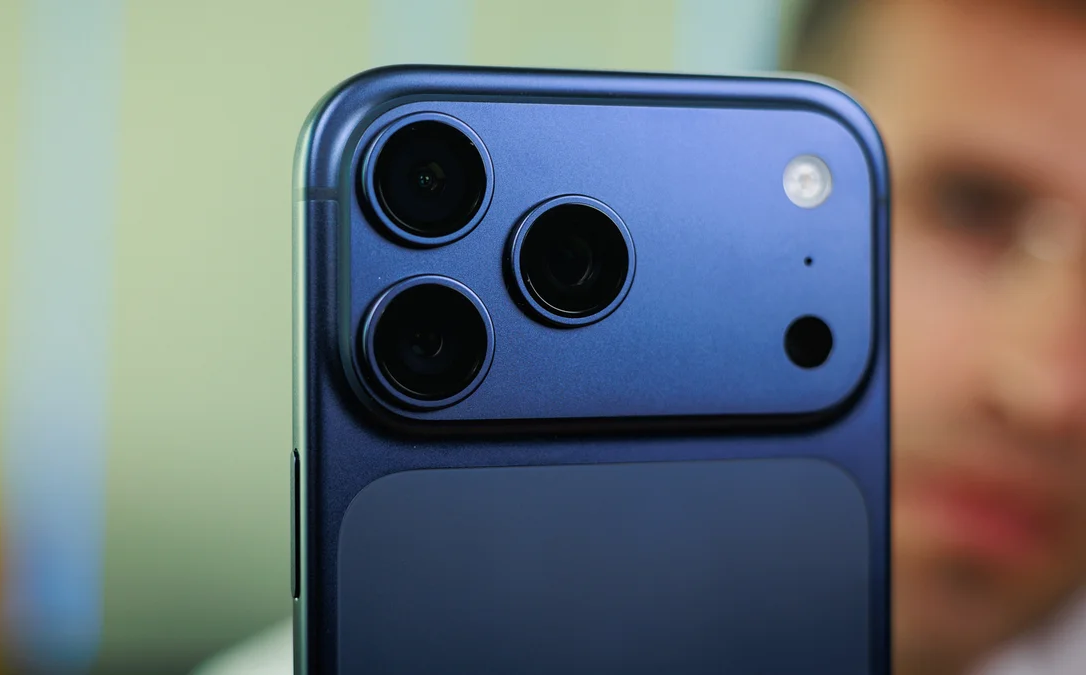
Apple's efforts to diversify its supply chain and curb potential price increases for the iPhone 18 Pro Max have reportedly encountered a significant setback. According to industry sources, the company's plan to add Chinese memory chipmaker ChangXin Memory Technologies (CXMT) to its supplier network is unlikely to materialise this year, making a higher price for its next flagship model increasingly likely.
The obstacle is not geopolitical tensions or concerns over supplier reliability. Instead, it stems from Apple's transition to a new chip packaging technology for its next-generation A20 Pro processor.
CXMT not yet ready for Apple's next-generation platform
Apple is expected to introduce Wafer-Level Multi-Chip Module (WMCM) packaging for the A20 Pro chip powering the iPhone 18 Pro series.
Unlike the long-used Package-on-Package (PoP) design, which stacks DRAM memory directly on top of the processor, WMCM places the memory and processor side by side within the same package. The new architecture is designed to improve performance, increase memory bandwidth, reduce latency and better support increasingly demanding on-device artificial intelligence (AI) features.
Those technical advantages, however, require much closer collaboration between Apple's silicon engineers and memory suppliers. Optimising compatibility and ensuring long-term reliability typically involves months or even years of joint development before a product enters mass production.
That is an advantage currently held by Samsung and SK Hynix.
Both South Korean companies have spent years working with Apple on memory solutions for the iPhone, while CXMT remains in the evaluation stage and currently supplies memory primarily for devices sold within China. With limited time remaining before production ramps up, industry sources believe CXMT is unlikely to complete Apple's rigorous qualification process in time for the next iPhone launch.
Apple has not publicly confirmed these reports.
Broader supplier strategy remains unchanged
CXMT's absence from the iPhone 18 Pro Max does not necessarily mean Apple has abandoned plans to work with additional Chinese suppliers.
Apple currently sources memory from Samsung, SK Hynix and Micron. According to multiple industry reports, the company also hopes to add suppliers including CXMT and YMTC over time to diversify procurement, reduce dependence on a small group of vendors and secure sufficient memory capacity as global demand continues to grow.
The strategy is intended not only to improve supply resilience but also to reduce the risk of memory shortages affecting production volumes for tens of millions of iPhones each year.
Higher component costs could pressure retail pricing
For consumers waiting for the iPhone 18 Pro Max, the reported delay means one of Apple's potential cost-saving options may not be available in the near term.
Recent industry forecasts have suggested that the starting price of the iPhone 18 Pro Max could rise to around US$1,399, although Apple has not confirmed any pricing.
Without access to a broader range of memory suppliers, Apple remains dependent on Samsung and SK Hynix for much of its high-end DRAM supply. If memory prices remain elevated, maintaining current pricing levels could become increasingly difficult.
Reports indicate Apple absorbed higher memory costs with previous iPhone generations to keep entry prices stable. However, the shift to WMCM technology could make that approach harder to sustain.
The pricing pressure extends beyond Apple.
Samsung has also increased prices for several higher-capacity Galaxy S26 models this year as memory costs continue to rise, according to industry reports.
One major factor is the rapid expansion of AI infrastructure. Memory manufacturers are allocating more high-performance DRAM to AI data centres, where customers are often willing to pay significantly higher prices than smartphone makers. As a result, memory available for premium smartphones has become more constrained and more expensive.
If that trend continues, manufacturers across the premium smartphone market - not just Apple - may face growing pressure to pass higher component costs on to consumers.
Hai Phong
.svg)
