 Vietnamnet.vn

 Podcast



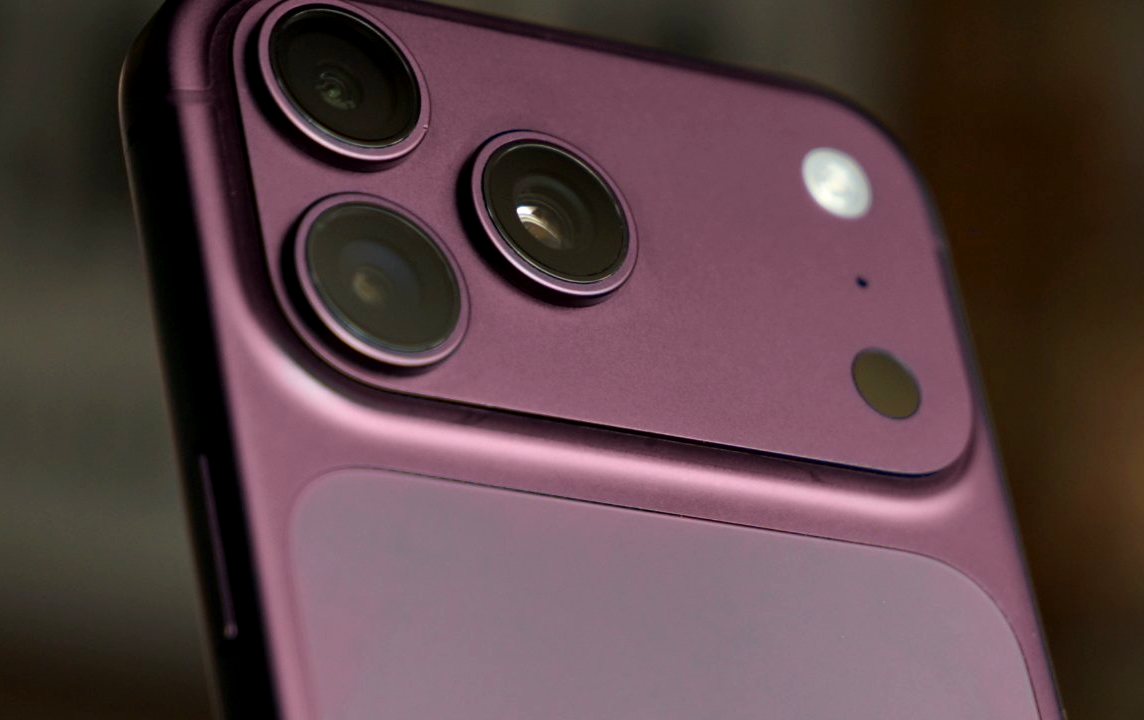
Apple may have little choice but to raise the price of its upcoming iPhone 18 Pro Max, as production costs are projected to rise sharply compared with the current generation. If industry estimates prove accurate, the flagship model could cost consumers around US$200 more, with some analysts suggesting an even steeper increase when it is expected to debut in September.
The anticipated price increase comes despite Apple's recent decision to leave iPhone prices unchanged while raising prices on several other product lines. Market analysts have long argued that maintaining the current pricing strategy will become increasingly difficult, particularly for Apple's next-generation premium smartphones.
Memory shortages drive manufacturing costs higher
According to new estimates from Counterpoint Research, the bill of materials (BOM) required to manufacture an iPhone 18 Pro Max could be roughly US$300 higher than that of the current Pro Max model.
Such an increase would represent one of the largest year-on-year jumps in production costs in the history of Apple's flagship smartphones.
Component costs typically rise with each generation as new technologies are introduced. For example, the iPhone 15 Pro Max reportedly cost around 12% more to manufacture than its predecessor, while the iPhone 16 series also saw modest increases.
This year, however, the situation appears considerably more severe.
Counterpoint attributes the surge primarily to a global shortage of memory chips, forcing Apple to pay significantly more for critical components.
Although the report does not disclose detailed pricing for individual parts, analysts estimate that the cost of NAND flash storage for the 12GB RAM, 1TB storage version of the iPhone 18 Pro Max could increase by nearly four times compared with the previous generation.
The cost of DRAM memory is also expected to rise by a similar margin, making memory components the largest contributor to the higher manufacturing bill.
Other hardware categories are expected to remain relatively stable. Processor costs are forecast to change little, camera modules may become slightly more expensive, while display costs could decline modestly thanks to continued improvements in Apple's supply chain and manufacturing efficiency.
Apple may again rely on subtle pricing strategies
Apple has long been known for adjusting pricing in ways that soften the impact for consumers.
When introducing the iPhone 15 Pro Max, for example, the company discontinued the 128GB storage option. As a result, the starting price appeared unchanged compared with the previous generation's 256GB model, even though customers effectively paid more to enter the lineup.
Analysts believe Apple could adopt a similar strategy with the iPhone 18 Pro series by reshuffling storage configurations while also implementing direct price increases.
Counterpoint estimates that consumers may pay around US$200 more for each iPhone 18 Pro or iPhone 18 Pro Max.
Even with such increases, Apple's profit margins could still come under pressure because component costs are rising faster than retail prices.
While the bill of materials is a useful benchmark for comparing production costs across smartphone generations, it does not reflect Apple's total expenses.
Thanks to its enormous purchasing power, Apple typically negotiates component prices well below standard market rates, meaning its actual manufacturing costs may be lower than industry estimates.
The BOM also excludes spending on research and development, industrial design, software engineering, marketing, supply chain operations and after-sales services - all of which continue to increase as Apple's products become more sophisticated.
As a result, pricing decisions for the iPhone 18 lineup will depend on far more than hardware costs alone.
Foldable iPhone Ultra could arrive at a challenging moment
For now, all estimates remain speculative and are based on current supply chain reports and expected hardware specifications. Apple's official pricing is unlikely to be confirmed until its traditional September product launch event.
At the same time, attention is also turning to Apple's long-rumored foldable iPhone, widely referred to as the iPhone Ultra, which is expected to debut around the same period.
If Apple introduces the device at the prices currently being discussed, analysts believe it could become the company's most expensive consumer smartphone ever - and perhaps its biggest pricing challenge.
According to Apple analyst Ming-Chi Kuo, the foldable iPhone Ultra could retail for between US$2,300 and US$2,500, making it the most expensive iPhone Apple has ever produced.
Other reports, including estimates cited by Engadget, suggest the starting price is unlikely to fall below US$2,000, with many forecasts clustering around US$2,399.
The premium pricing is expected to reflect the use of a new-generation foldable OLED display with an almost invisible crease, a highly durable liquid metal hinge, and numerous newly developed components that will initially be produced in limited volumes.
The foldable model is also expected to require a significantly more complex manufacturing process than conventional iPhones, further increasing production costs.
According to Ming-Chi Kuo's latest supply chain survey, Apple plans to ship only 500,000 to 1 million foldable iPhones during the initial launch phase before increasing production to around 7–8 million units in the following year.
Limited early supply could lead to rapid sellouts after launch, similar to the market response following the debut of the iPhone X in 2017.
Industry observers believe that launching an iPhone 18 Pro Max with a possible US$200 price increase alongside an ultra-premium foldable iPhone priced above US$2,300 would represent a significant shift in Apple's premium product strategy, testing just how much consumers are willing to pay for the company's most advanced devices.
Hai Phong
.svg)
