 Vietnamnet.vn

 Podcast



Apple has officially confirmed its annual September event, set to take place on September 9 at its Apple Park headquarters in Cupertino, California. Industry observers are almost certain the company will unveil the iPhone 17 lineup, new Apple Watch models, and potentially other surprise devices.
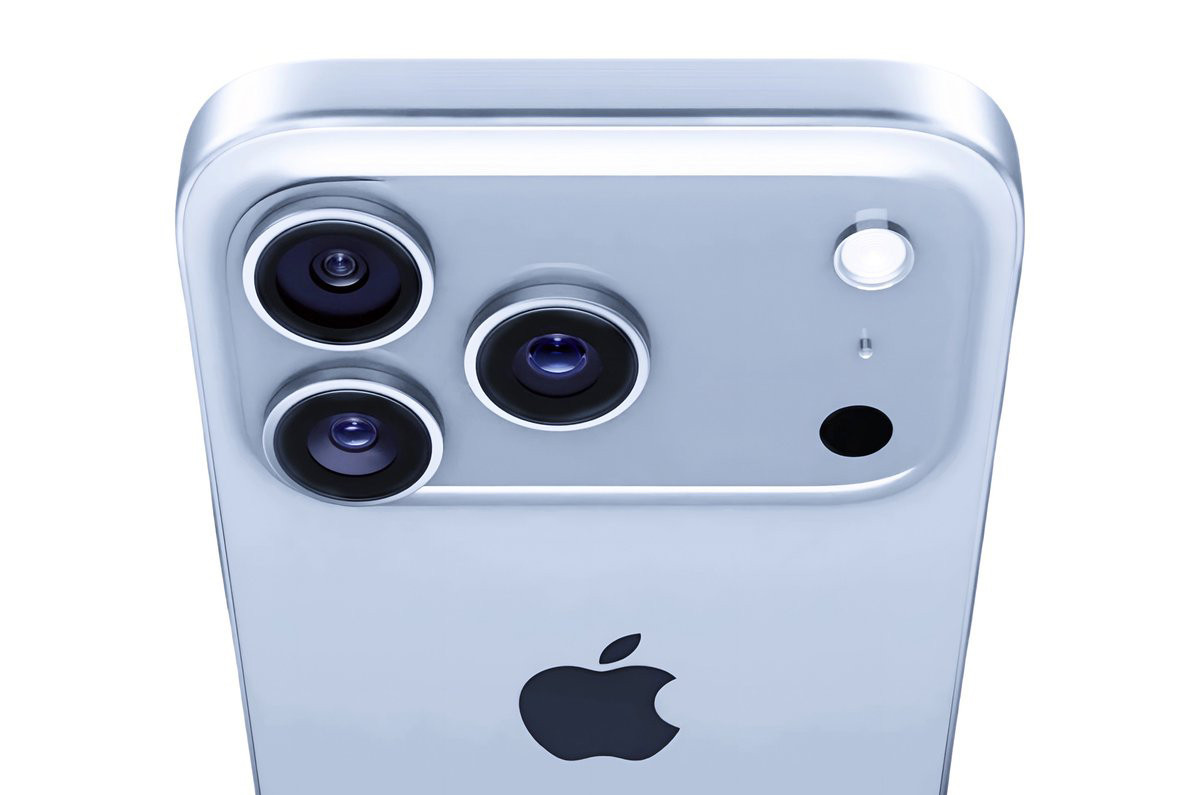
While Apple rarely reveals product details before launch, September has been the traditional time for new iPhone debuts since 2012. This year’s media invitation comes with the tagline “Awe dropping,” hinting at a showcase filled with major announcements.
Apple’s most important event of the year
September has long been considered Apple’s most pivotal month, as the iPhone remains its highest-grossing product line. However, the big question this year is whether consumers are willing to invest in a new phone amid tighter budgets - and whether Apple can prove it remains the innovation leader in the AI era.
Adding to the pressure, Apple has recently delayed major upgrades to Siri, which many expected to bring it in line with rivals like OpenAI’s ChatGPT and Google’s Gemini. Nonetheless, Apple’s Q2 2025 financials were well received on Wall Street, thanks to strong iPhone sales, even as AI initiatives lagged.
Last year, Apple described the iPhone 16 as being “built for Apple Intelligence,” a strategy analysts believe the company will continue pursuing this year.
Ultra-thin iPhone and product lineup shifts
According to Bloomberg, Apple is betting on a new wow factor: an ultra-thin iPhone - described as the “MacBook Air of iPhones.” This sleek, stylish design promises a fresh look, although likely at the expense of battery size and camera performance.
This redesign aims to reignite excitement in a market where most users upgrade only when necessary. While competitors have embraced foldable devices, the iPhone’s design has remained largely unchanged for years.
Apple’s past experiments with sizing didn’t fare well: the iPhone Mini was discontinued after two generations, and the iPhone 16 Plus accounted for just 5–10% of shipments as of July 2024, according to analyst Ming-Chi Kuo (TF International Securities). He predicts Apple will discontinue the Plus model in 2025.
Alongside the ultra-thin model, Apple is expected to launch the standard iPhone 17 and high-end iPhone 17 Pro versions.
The standard iPhone 17 will likely receive moderate upgrades in processor performance, battery life, and camera quality.
The iPhone 17 Pro and Pro Max are rumored to include advanced camera systems, larger displays, more powerful chips, and premium titanium designs (though some leaks suggest a switch to high-grade aluminum).
This tiered approach continues Apple’s strategy of segmenting its offerings between premium Pro models and mainstream standard versions, targeting a wide range of customers.
The AI challenge and geopolitical pressures
The iPhone 17 launch comes as Apple faces challenges from U.S. trade policy under President Donald Trump. In a July investor call, CEO Tim Cook disclosed that Apple anticipates $1.1 billion in tariff-related costs in Q3 2025.
To mitigate risks, Apple has shifted much of its iPhone production for the U.S. market to India, reducing reliance on China, which remains the company’s primary assembly hub. Despite India doubling import taxes on many goods to 50% starting August 28, smartphones are currently exempt.
Trump has also signaled that Apple will not face a 100% tariff on semiconductors, thanks to its commitment to U.S. investment. In early August, Apple announced a $600 billion expansion plan to boost domestic operations, including establishing a local chip supply chain.
A closely watched aspect of the upcoming event will be Apple’s positioning in the AI race. While Samsung and Google have aggressively integrated AI into their smartphones, Apple appears to be moving more cautiously.
Analysts say the iPhone 17 will be a key litmus test for whether Apple can truly embrace the AI wave. If the new features resonate, the company could reassert its leadership in a rapidly evolving market.
The September 9 event is more than just a product launch - it’s a test of Apple’s enduring appeal in a global smartphone market marked by slower growth, cautious spending, and intensifying competition from Asian rivals.
With an ultra-thin design, potential farewell to the Plus model, and meaningful performance upgrades, Apple seems poised to rewrite the narrative around smartphone design and user experience - not merely engage in a hardware specs race.
But to succeed, Apple must prove the iPhone 17 is not only beautiful, but also meaningfully different and worth the price - while maintaining technological leadership in the AI era.
Hai Phong
.svg)
