 Vietnamnet.vn

 Podcast



This year's forum brought together more than 1,200 delegates from around the world - a record turnout for the event. Among the high-level participants were Prime Minister Le Minh Hung, Lao Prime Minister Sonexay Siphandone, Cambodian Prime Minister Hun Manet, Thai Prime Minister Anutin Charnvirakul, Timor-Leste Prime Minister Xanana Gusmao, ASEAN Secretary-General Kao Kim Hourn, and United Nations Under-Secretary-General and High Representative for Disarmament Affairs Izumi Nakamitsu.
Deputy Foreign Minister Nguyen Manh Cuong presented the outcomes of the Southeast Asian political parties dialogue, held for the first time within the framework of the ASEAN Future Forum. The event took place in an open, candid and constructive atmosphere, with active participation from 11 political parties across Southeast Asia as well as a large number of regional scholars and experts.
Strengthening trust and regional resilience
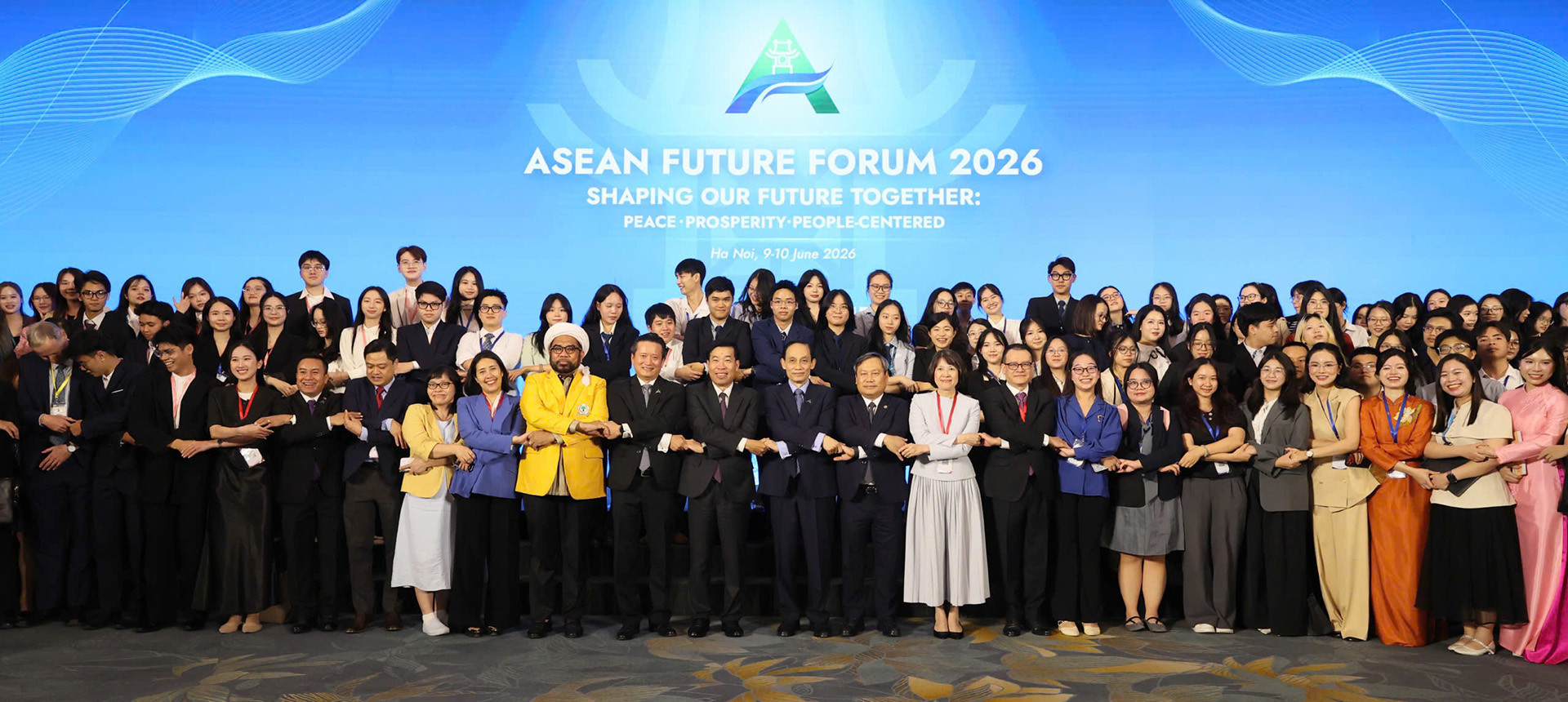
Delegates agreed that enhancing dialogue, building trust and fostering mutual understanding among political parties are essential to strengthening ASEAN unity, improving regional resilience and reinforcing ASEAN centrality amid a rapidly evolving regional and global environment.
Participants also proposed a range of concrete initiatives aimed at deepening cooperation, strengthening confidence-building measures and supporting the implementation of the ASEAN Community Vision 2045.
Summarising the ASEAN Cities Leadership Conference 2026, Hanoi People's Committee Chairman Vu Dai Thang said the meeting had been a success, attracting more than 250 delegates representing over 25 cities and localities from ASEAN member states, alongside academics and experts from both within and outside the region.
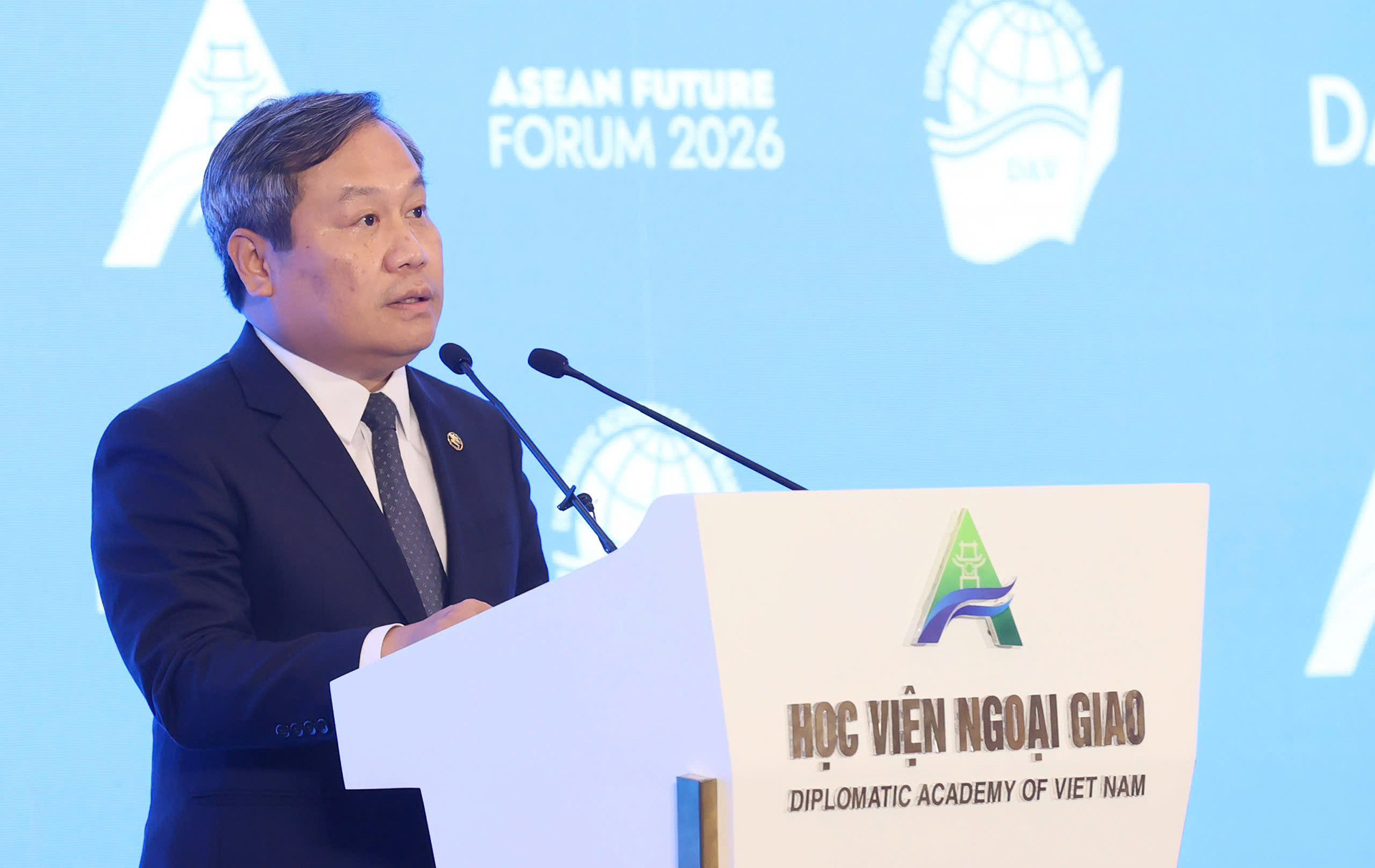
Delegates highly valued Hanoi's initiative in hosting the conference, describing it as a practical platform for dialogue, connectivity and the sharing of urban development experiences among ASEAN cities.
Cities across the region shared the view that urban areas are playing an increasingly important role in driving economic growth, innovation, digital transformation, green development and improvements in quality of life.
Through in-depth discussions, the conference identified two key directions for future cooperation. Participants agreed that technology and digital infrastructure can only deliver their full potential when combined with modern governance and a stronger focus on serving citizens.
ASEAN cities were also encouraged to prioritise green infrastructure, strengthen resilience against climate change and advance sustainable development solutions, placing citizens at the centre of adaptation, response and development strategies.
From “Made in ASEAN” to “Made by ASEAN”

In his closing remarks, Foreign Minister Le Hoai Trung said the forum had successfully completed its agenda and produced a range of meaningful outcomes. Equally important, he noted, were the insightful presentations and exchanges delivered by speakers throughout the event.
According to Trung, the issues discussed were highly relevant to ASEAN member states and the bloc's partners.
The discussions were substantive and innovative, generating ideas that could be presented to ASEAN leaders for consideration. Delegates explored a wide range of topics, including long-term issues such as ASEAN resilience and cohesion, conflict prevention, and the transformation of growth and development models.
The conversations also highlighted inclusive artificial intelligence and energy security, while producing creative ideas for transforming "Made in ASEAN" into "Made by ASEAN".
The forum demonstrated a stronger sense of community than ever before. Contributions from leaders and scholars reflected deep concern for regional security and reaffirmed that respect for and adherence to international law remain essential foundations for sustainable development.
Participants also reaffirmed their commitment to ASEAN's future, underscoring the bloc's values and strategic importance.
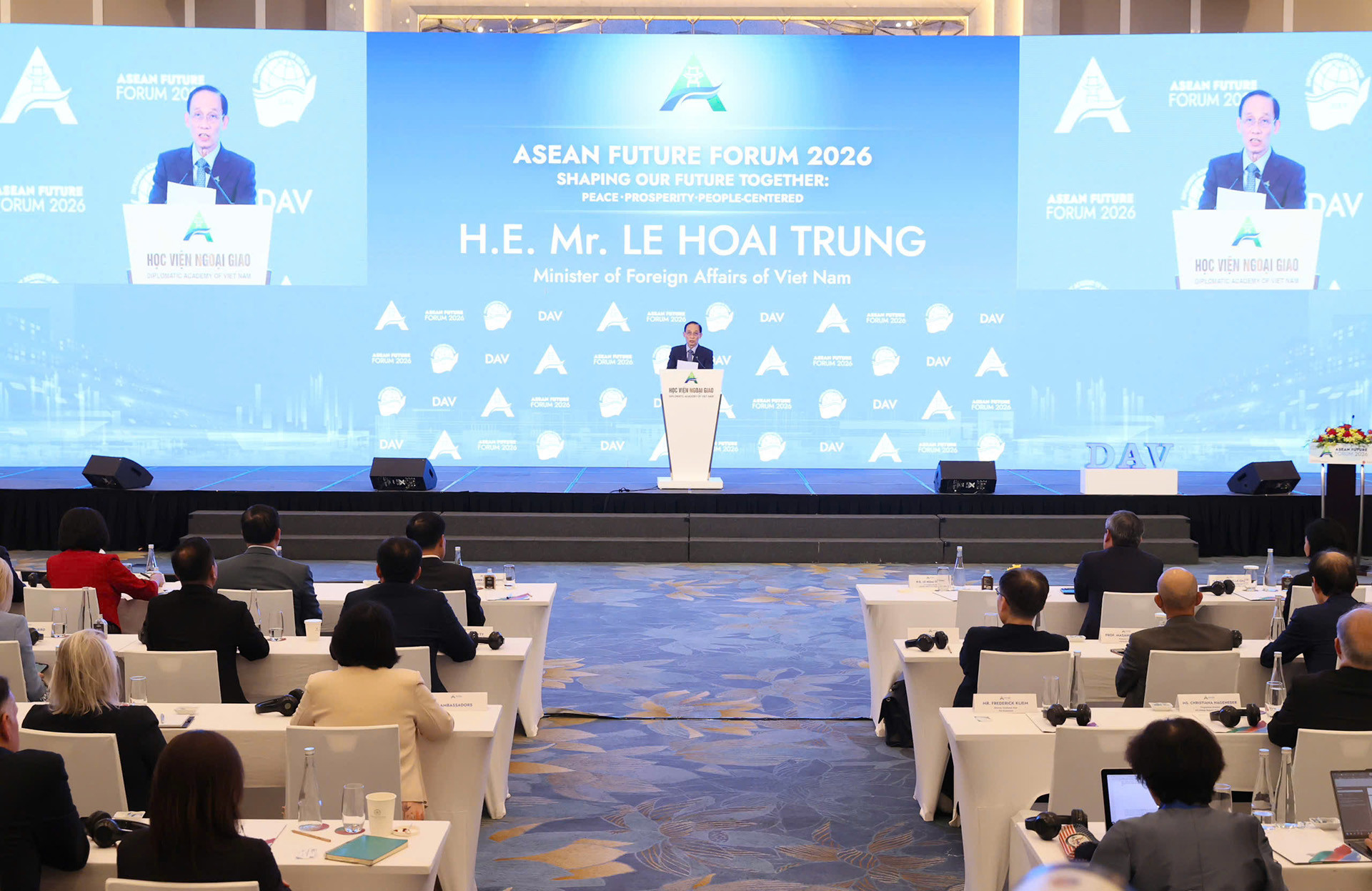
This year's forum introduced several new elements, including the ASEAN Cities Leadership Conference, the first-ever dialogue among political parties from ASEAN member states, youth-focused discussions and dedicated sessions involving the Mekong sub-region.
"We have seen a convergence of views within ASEAN in responding to current challenges. Strengthening regional resilience and adaptability remains one of our highest priorities. Speakers emphasised the need to build a long-term strategic environment rather than focusing solely on short-term responses," Trung said.
The foreign minister also welcomed the strong interest shown in this year's forum and expressed appreciation for the friendship and cooperation extended to Vietnam by speakers, delegates, partners and colleagues.
Tran Thuong
.svg)
