 Vietnamnet.vn

 Podcast



Perched amid mist-covered mountains in Son Luong commune, Lao Cai province, Giang Pang village was once marked by hardship and deprivation. Today, the Hmong community is taking on a different appearance.
Much of that change bears the imprint of Giang A Thu, born in 1996, who serves as secretary of the village Party cell and head of its Fatherland Front working committee.
A Hmong son’s ambition for his village
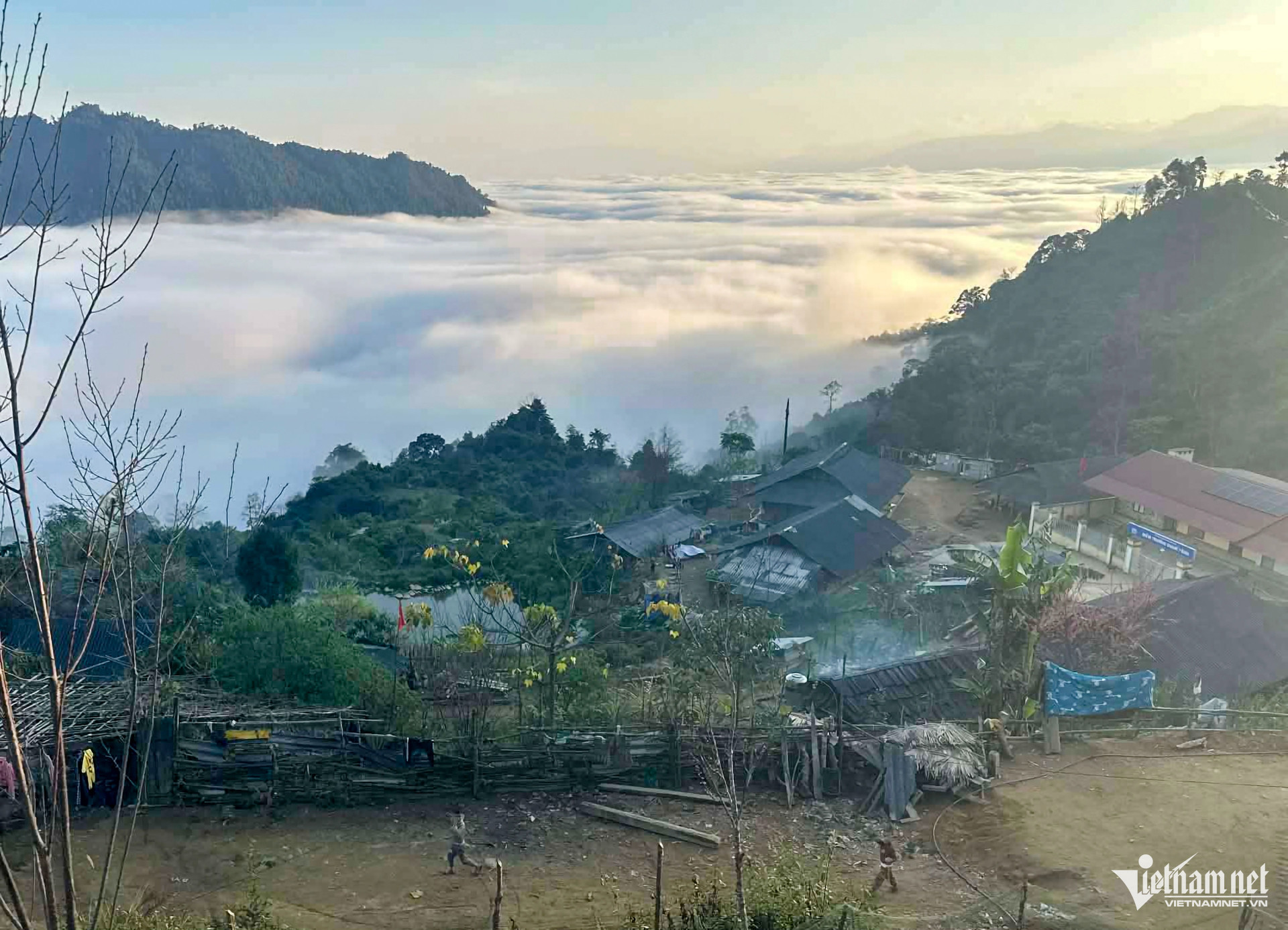
Born and raised in Son Luong, Thu grew up understanding the difficulties faced by ethnic minority communities in his homeland.
He also understood that translating government policies and development programs into tangible changes in a remote mountain community required persistence.
Familiar with local customs and the language spoken by residents, the young community leader adopted a gradual, personal approach.
In addition to 12 regular meetings held over 2025 and 2026, Thu frequently visits families in the village to hear their concerns and weave information about local policies into everyday conversations.
His work covers issues ranging from rural development and environmental protection to discouraging child marriage and marriage between close relatives, changing outdated practices surrounding weddings and funerals, and preventing drug use in the community.
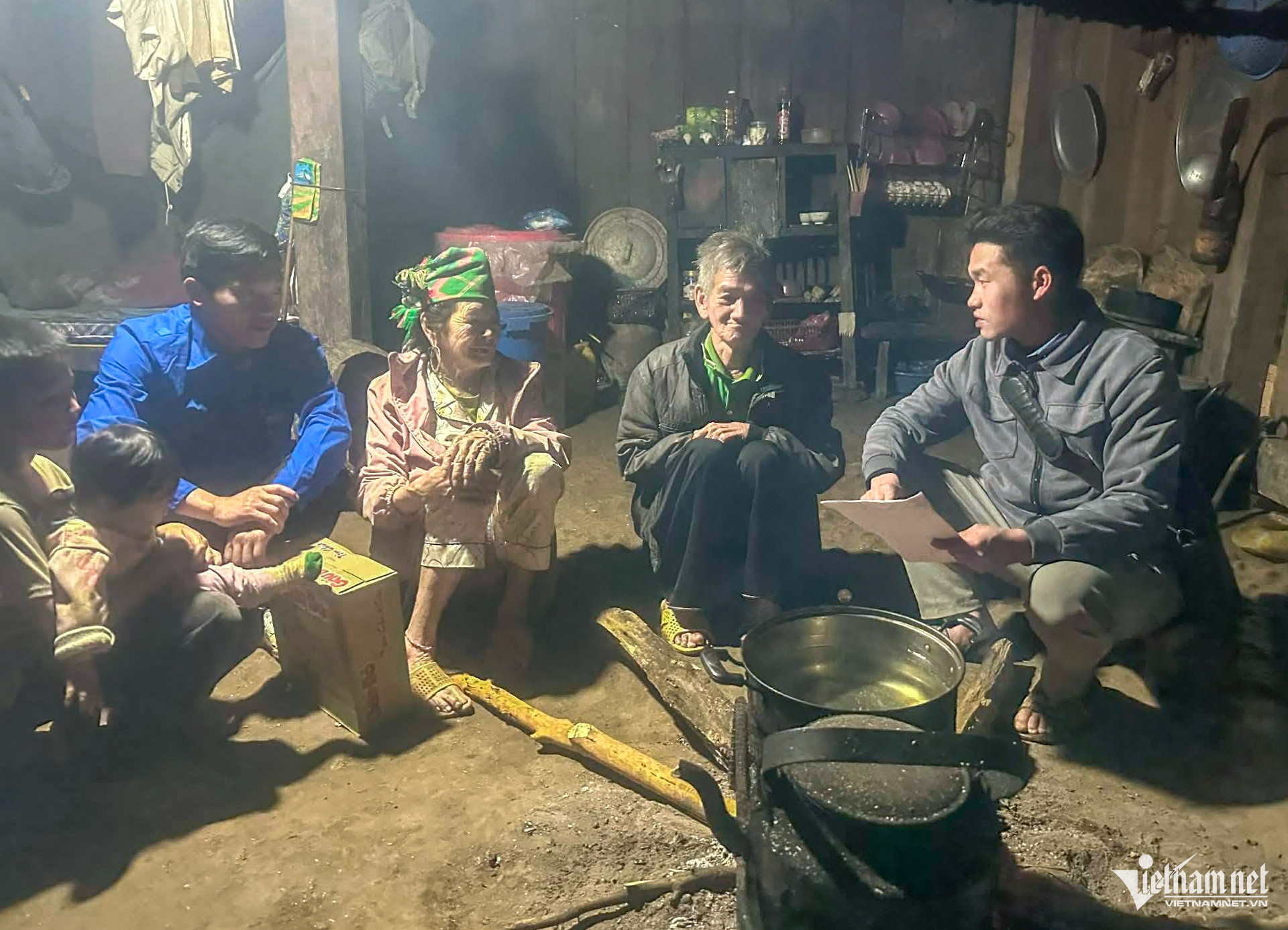
Local figures show that all households in Giang Pang comply with community regulations, while more than 90% are recognized annually as “cultural families,” a Vietnamese designation for households meeting standards related to community life and social conduct.
For several consecutive years, the village Party cell and Fatherland Front working committee have been rated as successfully or exceptionally completing their duties, with no Party members disciplined for violations.
Thu’s role becomes even more visible when natural disasters hit.
Villagers have grown accustomed to seeing him wading through mud to help secure homes during storms and floods, or bringing assistance to elderly residents living alone.
Building roads and pathways out of poverty
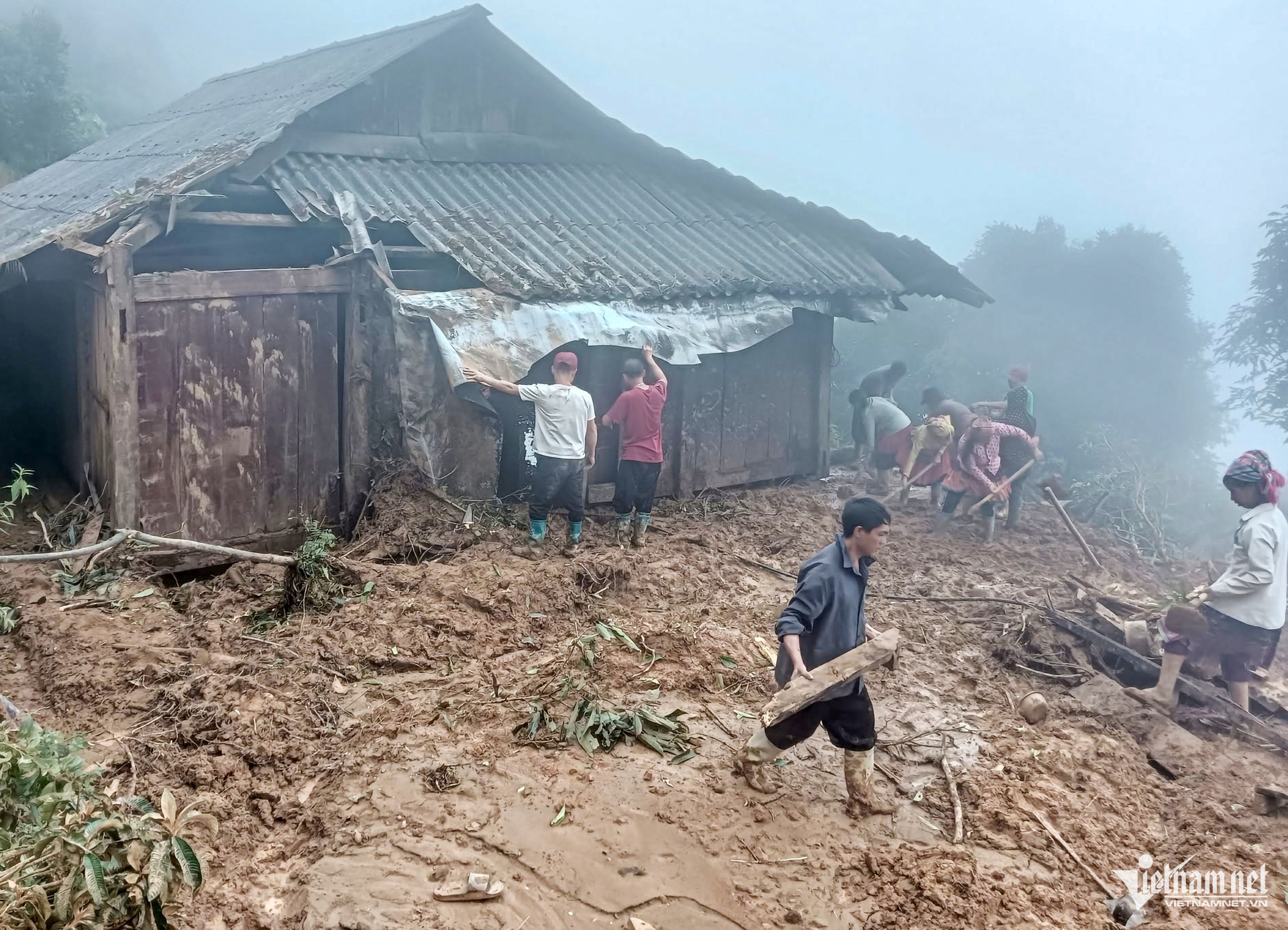
Residents clean up their homes after flooding caused by the circulation of a storm in 2025. Photo: Hoang Yen
One of Giang Pang’s biggest obstacles has long been its difficult terrain.
Poor roads made journeys to school particularly challenging for children during heavy rain and storms, while farmers struggled to transport their produce to markets.
Thu and the village Party cell responded by launching a plan to build concrete roads through a model combining government support with contributions from residents.
His own family led by example, voluntarily donating more than 200 square meters of land and contributing many days of labor.
Thu also persuaded villagers to clear cinnamon trees and donate land to open another three kilometers of inter-village roads. Nearly two kilometers of roads within Giang Pang have also been concreted.
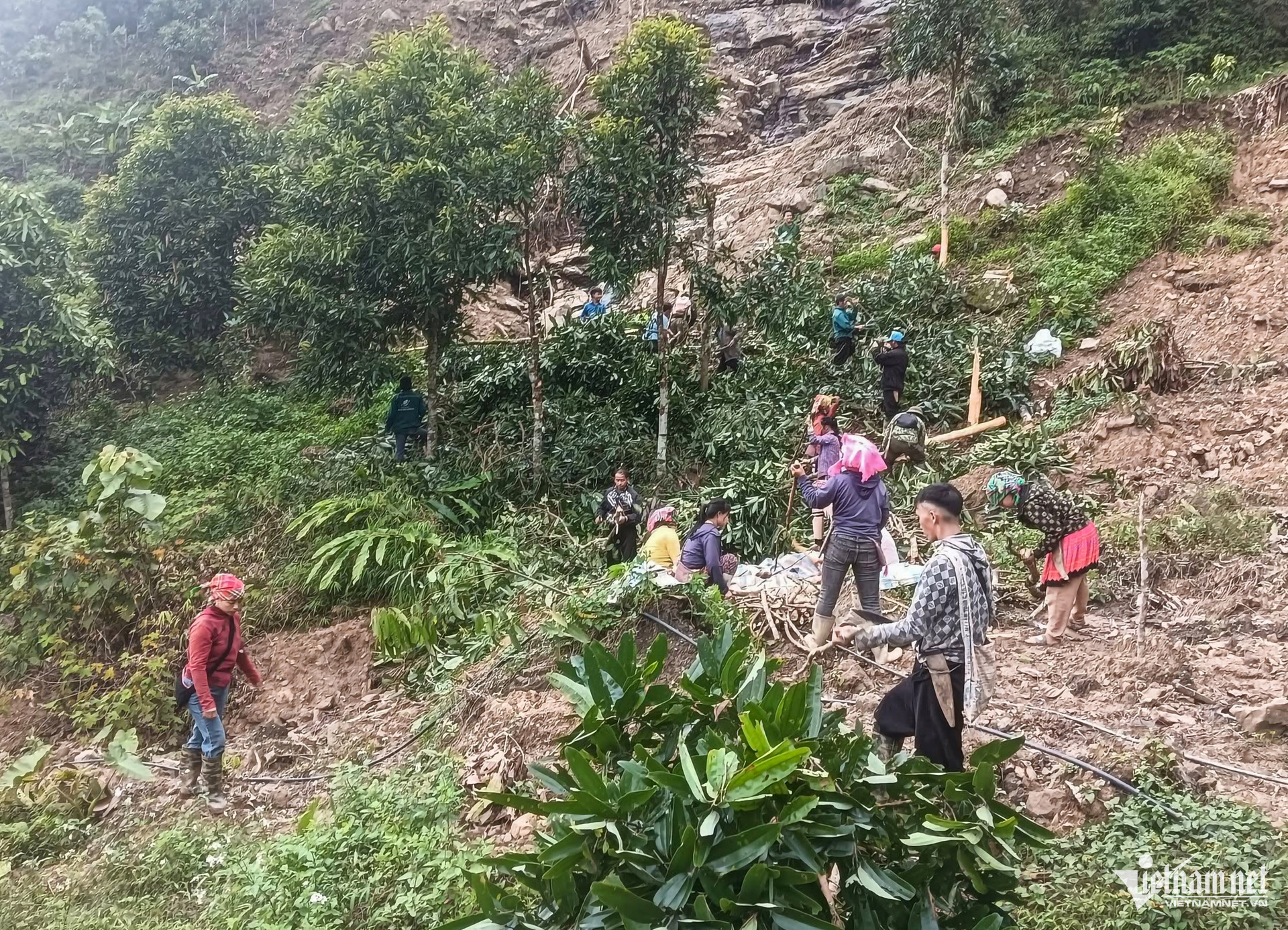
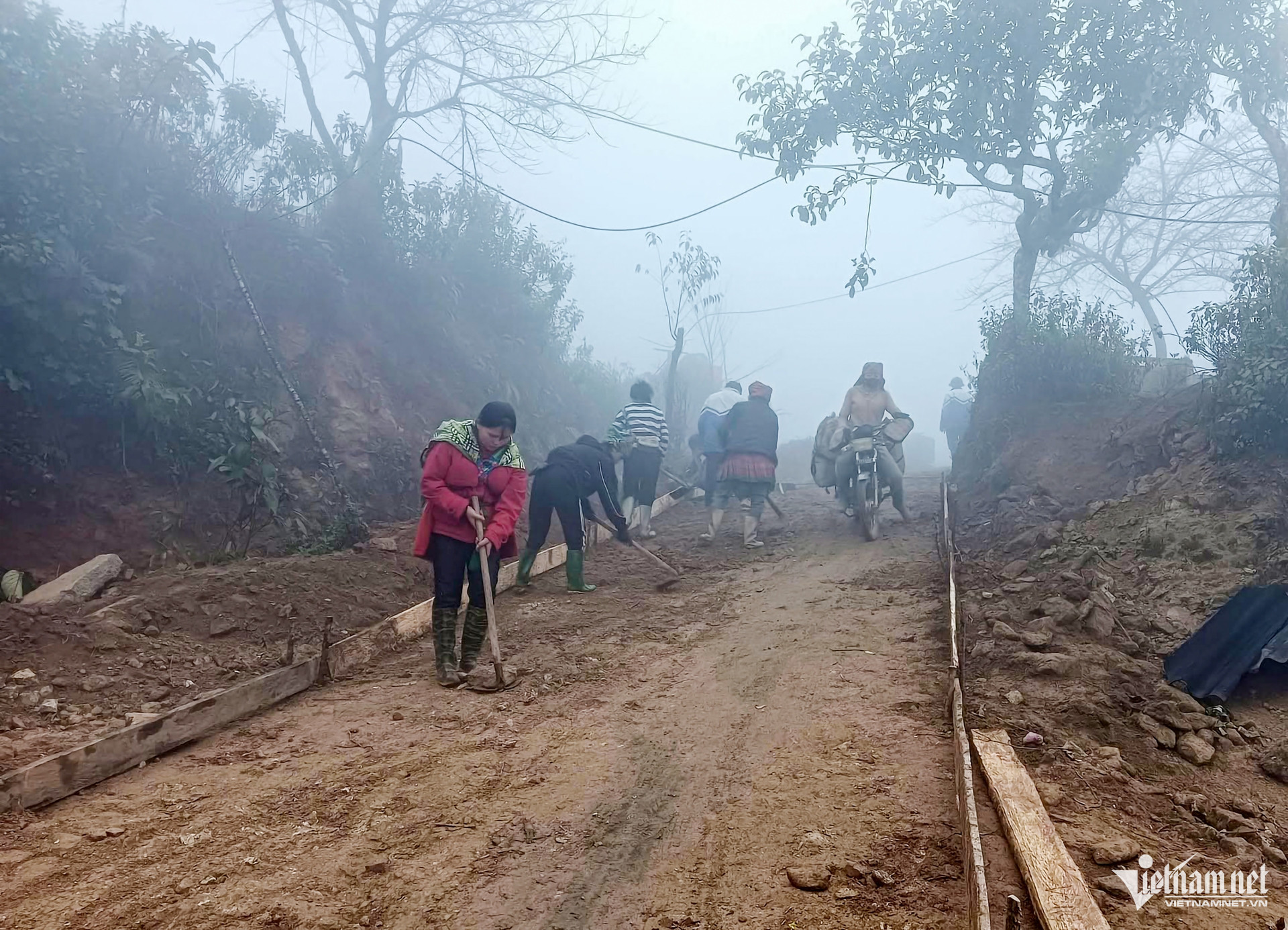
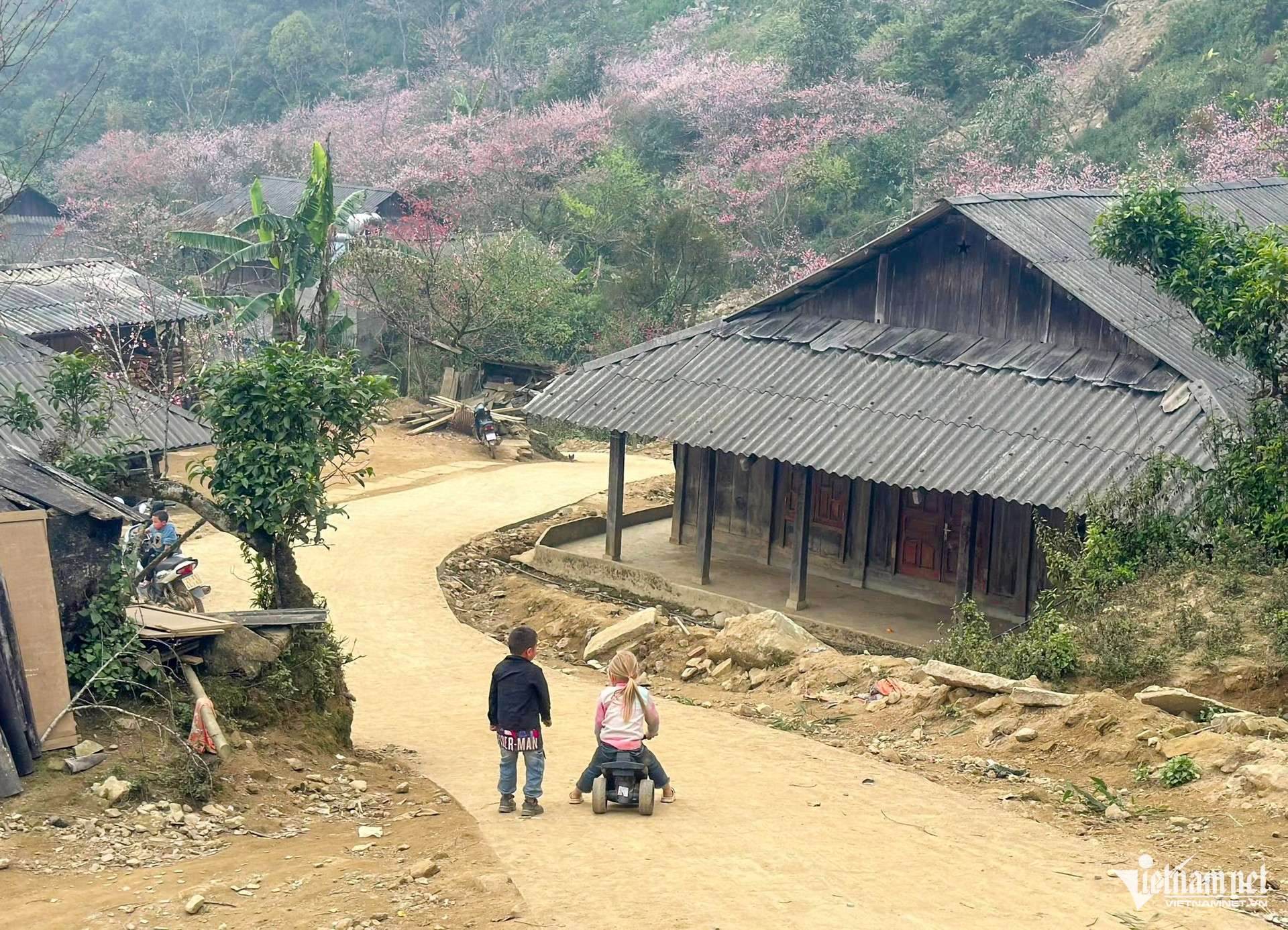
The new roads winding across the hillsides have made school journeys safer for children and allowed agricultural products to be transported more easily.
Residents were involved in discussing, implementing and monitoring the work, as well as benefiting from the completed infrastructure.
Tea and cinnamon harvested on the surrounding hills can now be moved more easily to markets, while children face a less arduous journey to school.
Thu has also sought to tackle poverty by encouraging families to improve their gardens and expand livestock farming.
In particular, he has encouraged residents to develop tea and cinnamon production, two of Son Luong’s key crops.
The results can be seen in the village’s poverty figures. The share of poor households fell from 24% in 2021 to 12% by the end of 2025.
A growing number of Hmong farmers are also generating annual incomes of more than VND100 million (about US$3,800).
Among them is Mua Thi My, who has pioneered the production and processing of higher-quality white and black teas.
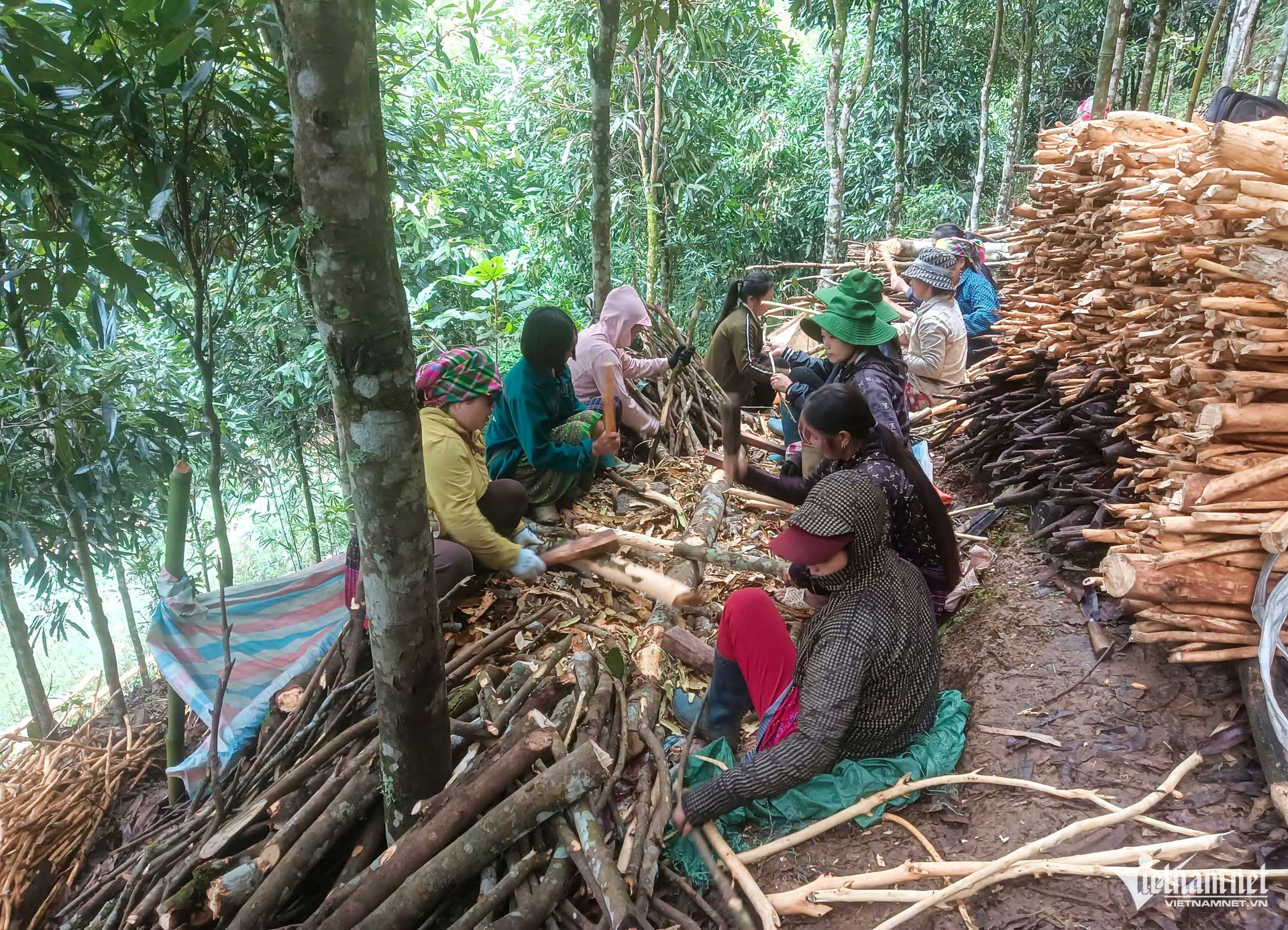
Families including those of Giang A Chu, Giang A Chu and Vang A Lang have also improved their incomes by combining tea cultivation, forestry and livestock farming.
Alongside economic development, Thu has focused on improving living conditions for vulnerable families.
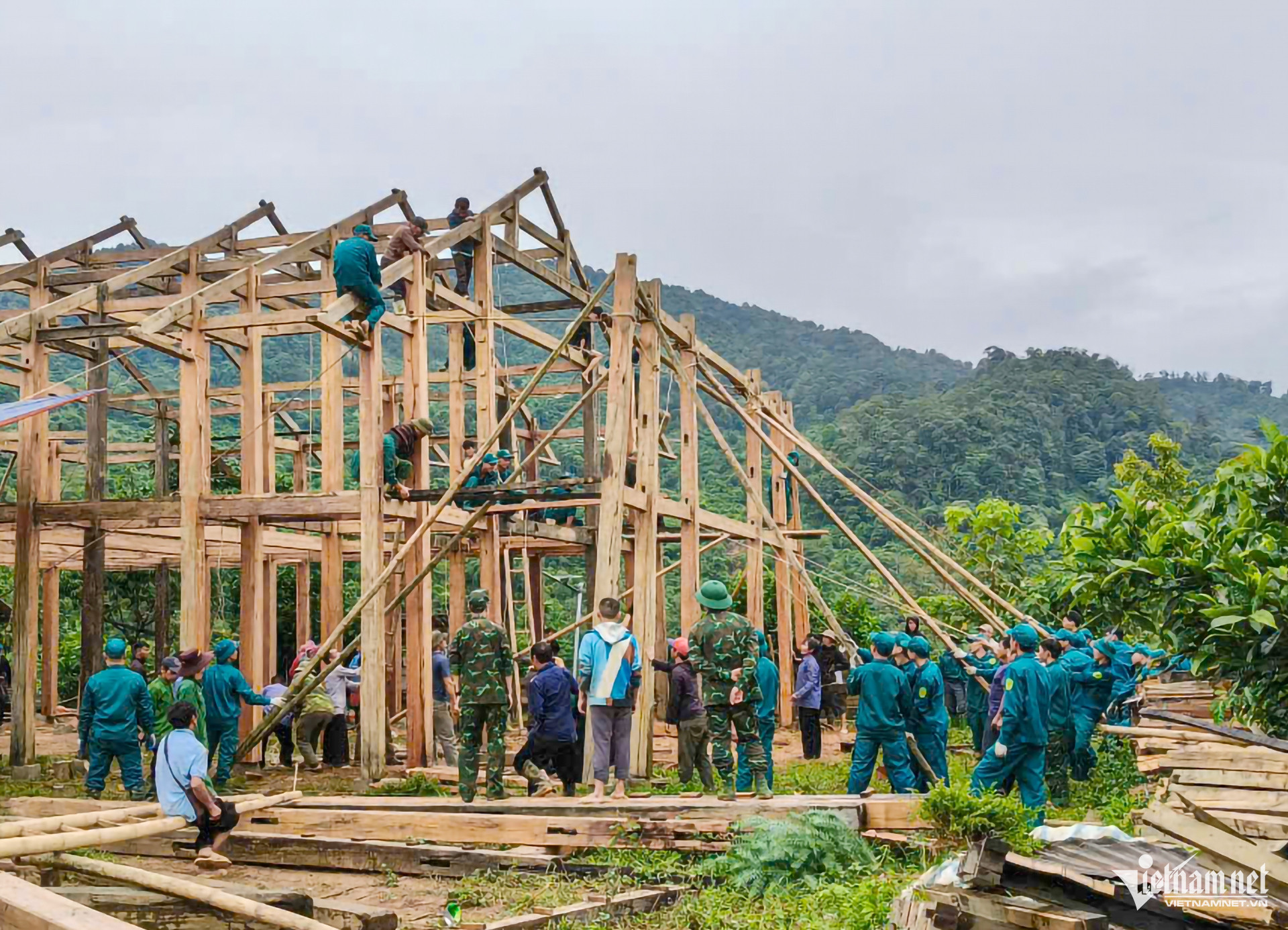
Working with local organizations, he helped mobilize more than 500 days of volunteer labor to replace temporary or dilapidated homes for 15 disadvantaged households, while encouraging residents to keep their surroundings clean and green.
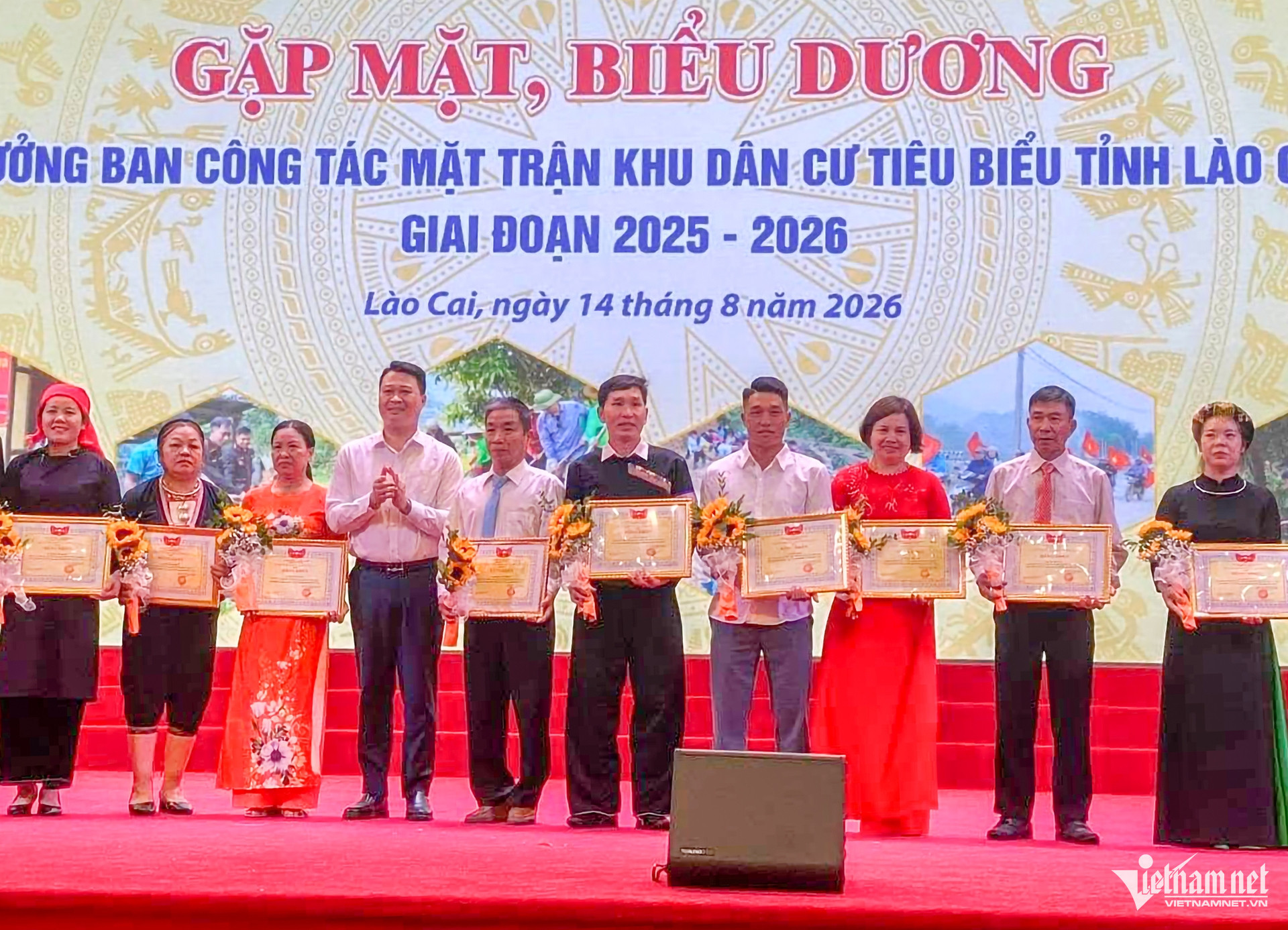
The young leader’s community work has also received recognition beyond the village. Thu was recently among 400 outstanding heads of Fatherland Front working committees honored by the Vietnam Fatherland Front Committee of Lao Cai province.
For Giang Pang, however, the most visible signs of change are much closer to home: concrete roads now crossing the mountainsides, produce moving more easily from farms to markets, improved homes and a poverty rate that has fallen by half in four years.
Tuan Ninh - Hoang Yen
.svg)
