 Vietnamnet.vn

 Podcast



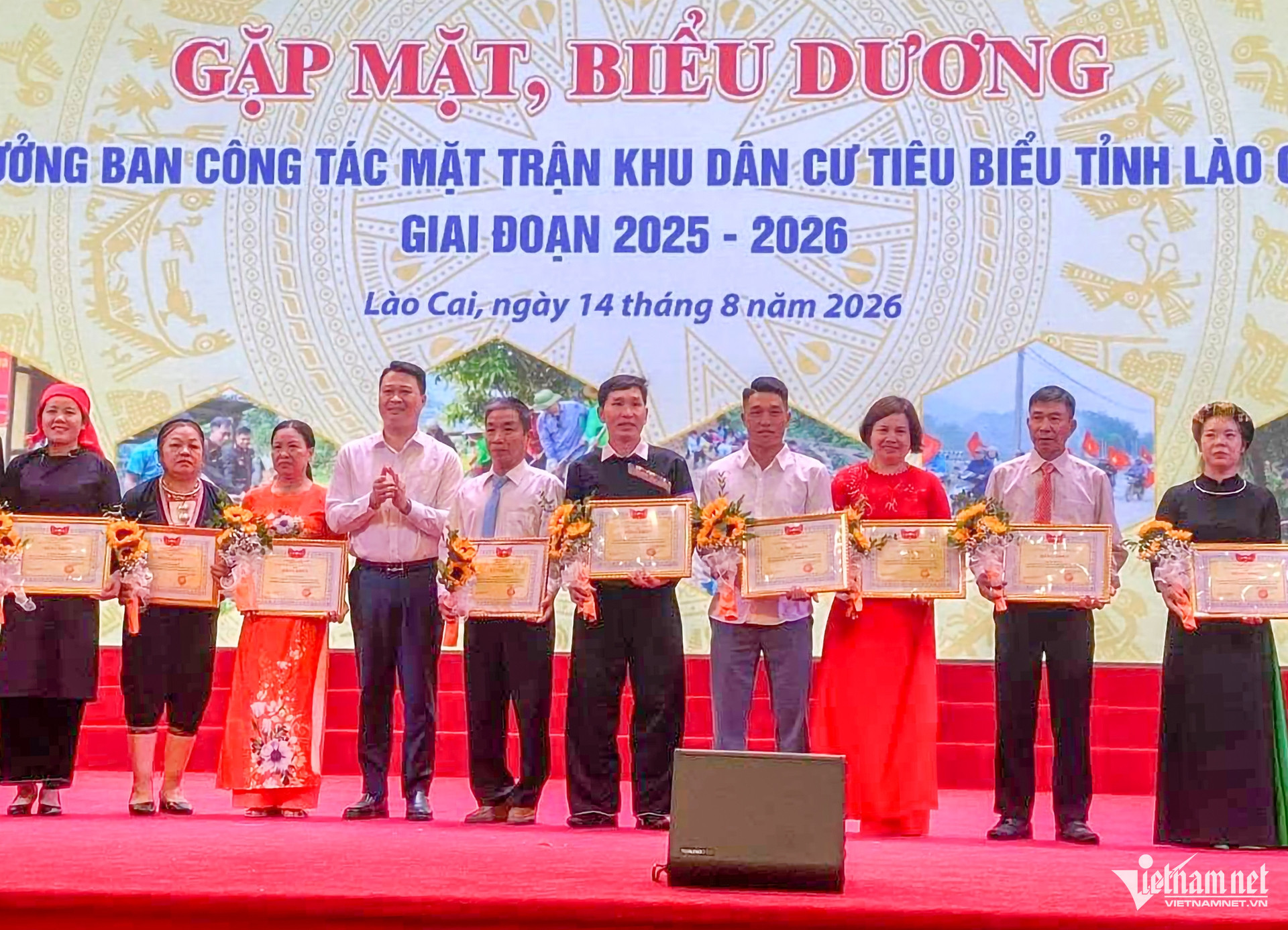
Behind much of that transformation is Giang A Thu, born in 1996, who serves as Secretary of the village Party Cell and Head of its Fatherland Front Working Committee.
From the aspirations of a son of the Hmong community...
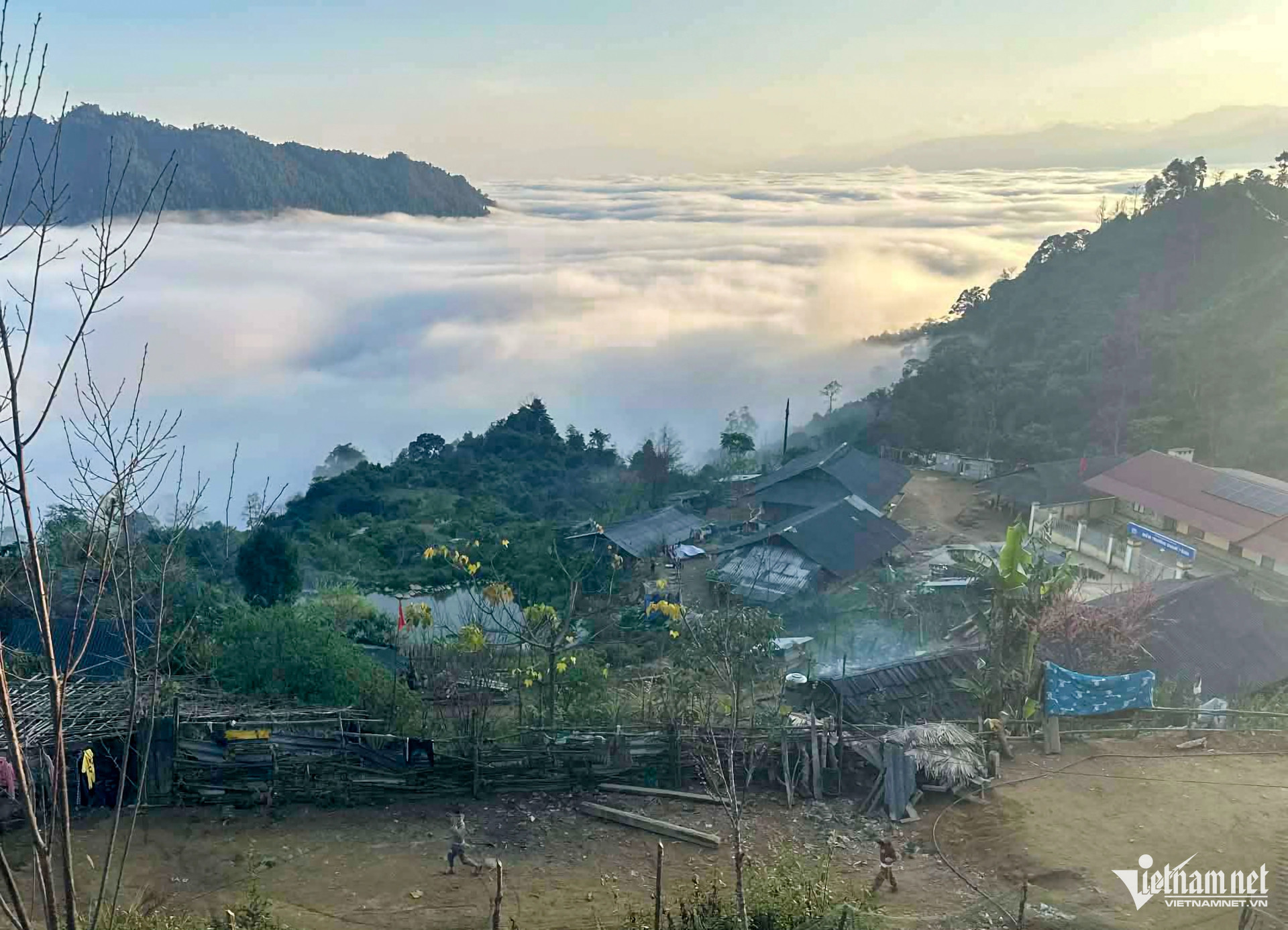
Born and raised in Son Luong, Giang A Thu knows firsthand the hardships faced by ethnic minority communities in his homeland. The young Hmong leader understands that bringing the Party’s resolutions and the State’s policies and laws into everyday life in the highlands requires patience and persistence.
With a deep understanding of local customs, attitudes and language, Thu has adopted an approach built on steady, sustained engagement.
In addition to 12 regular meetings held over the past two years, from 2025 to 2026, Thu frequently visits families throughout the village to listen to their concerns, weaving information about government policies into simple conversations about everyday life.
From building new-style rural communities and protecting the environment to addressing deeply rooted issues such as child marriage and consanguineous marriage, eliminating outdated practices in weddings and funerals, and keeping the village free of drugs, the messages are conveyed in ways that resonate with local people.
As a result, all households in Giang Pang consistently comply with local regulations. More than 90% of households qualify each year as “Cultural Families,” helping the village retain its recognition as a “Cultural Residential Area.”
For many consecutive years, the Giang Pang Party Cell and Fatherland Front Working Committee have been rated as having successfully or excellently fulfilled their duties, while none of the Party members have committed disciplinary violations.
... to opening roads out of poverty
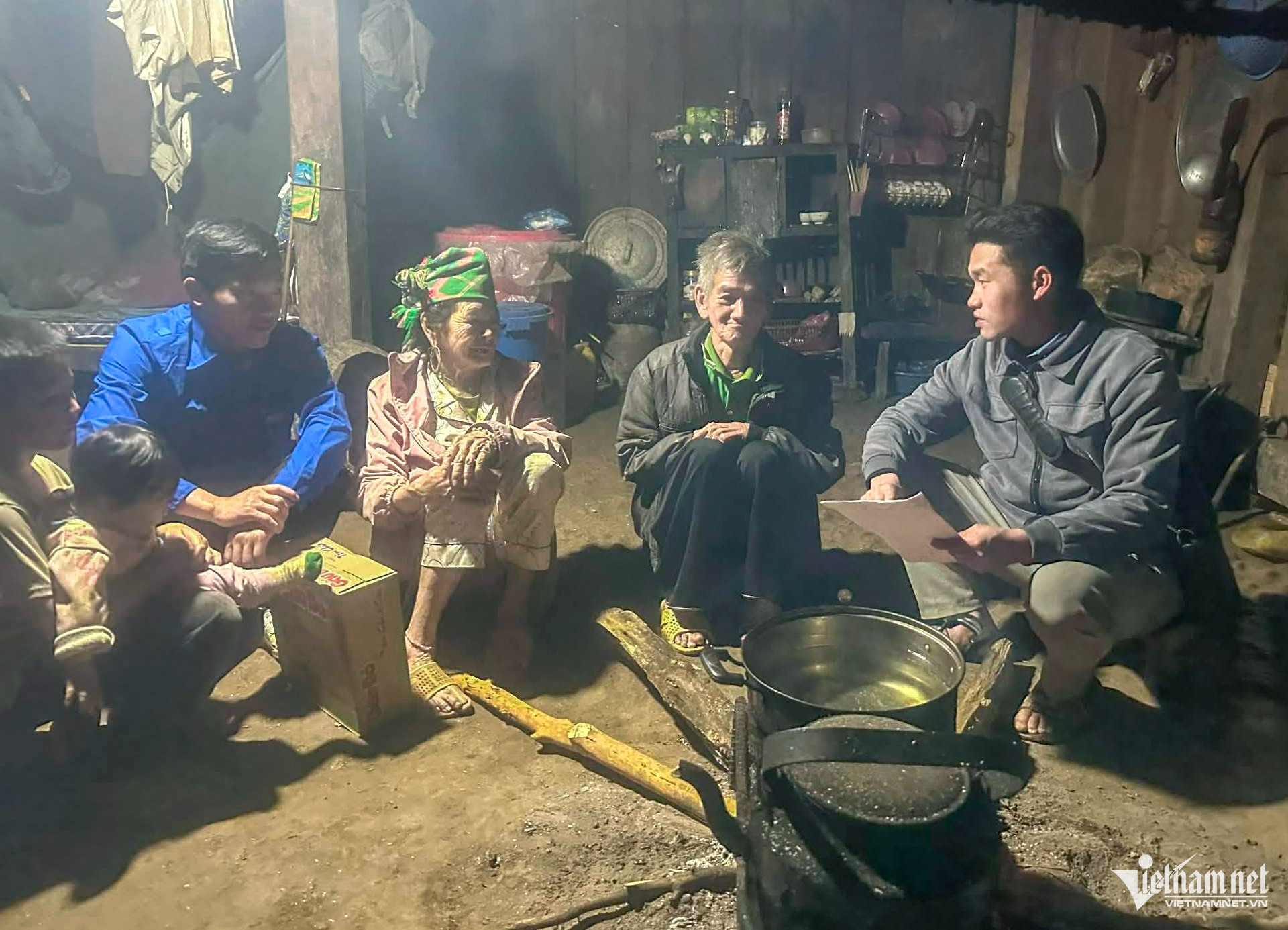
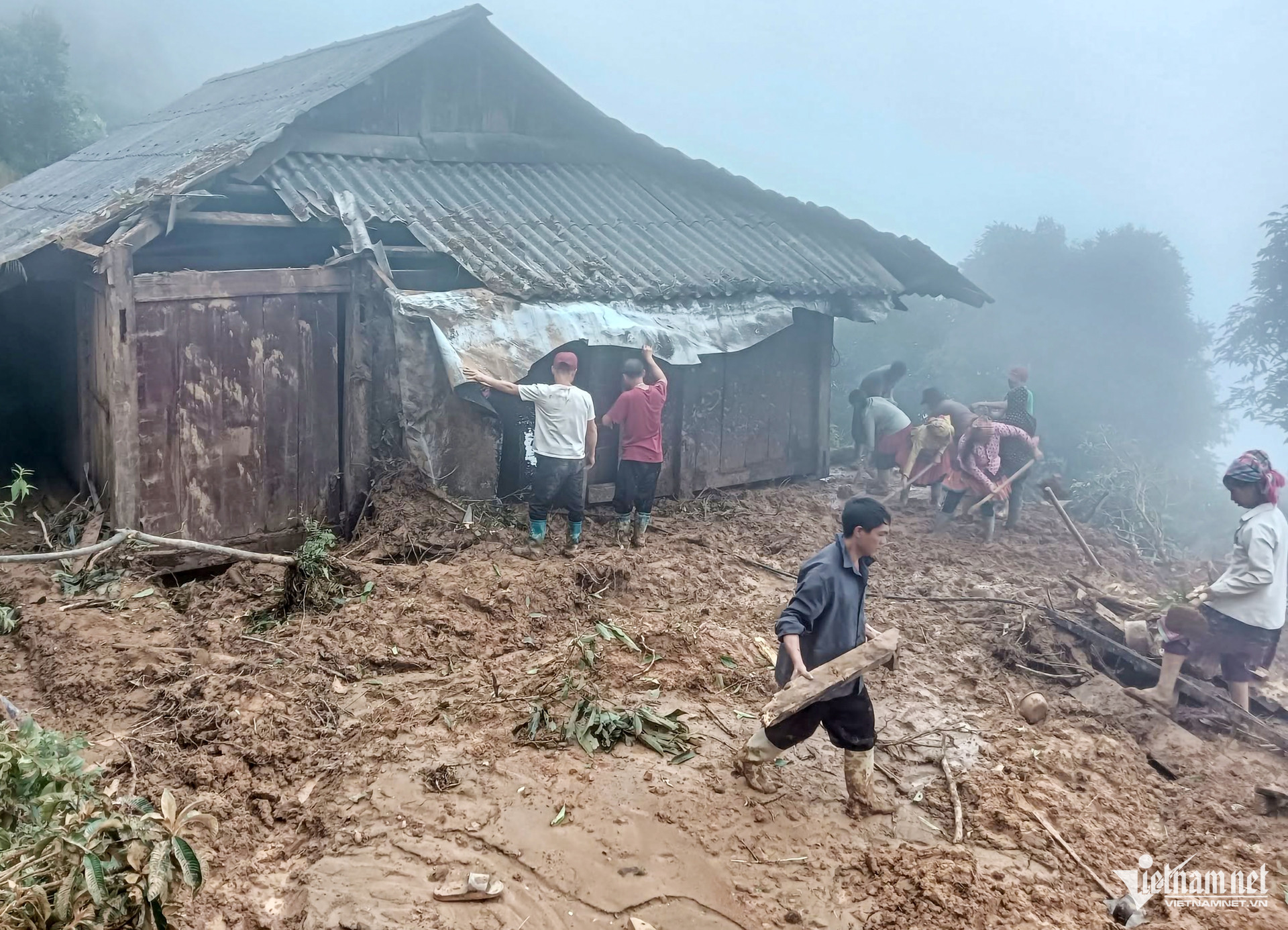
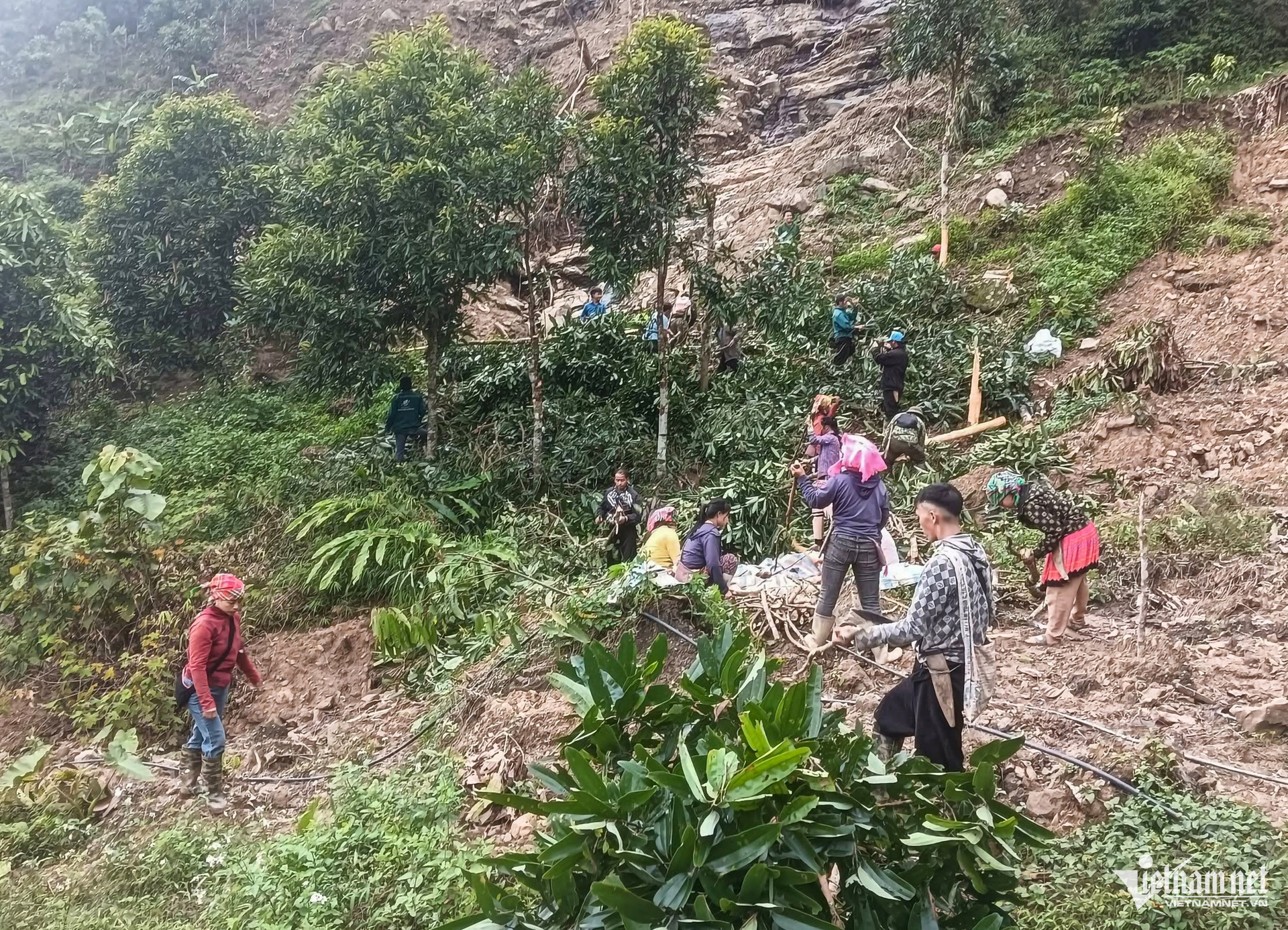
Thu’s involvement goes far beyond community advocacy. Whenever storms and floods strike, villagers have grown accustomed to seeing the young Party Secretary roll up his trousers and wade through the mud, helping families secure their homes or personally delivering aid to elderly people living alone.
One of Giang Pang’s biggest obstacles has long been its rugged terrain. During storms and heavy rain, children face difficult journeys to school, while farmers struggle to transport and sell their produce.
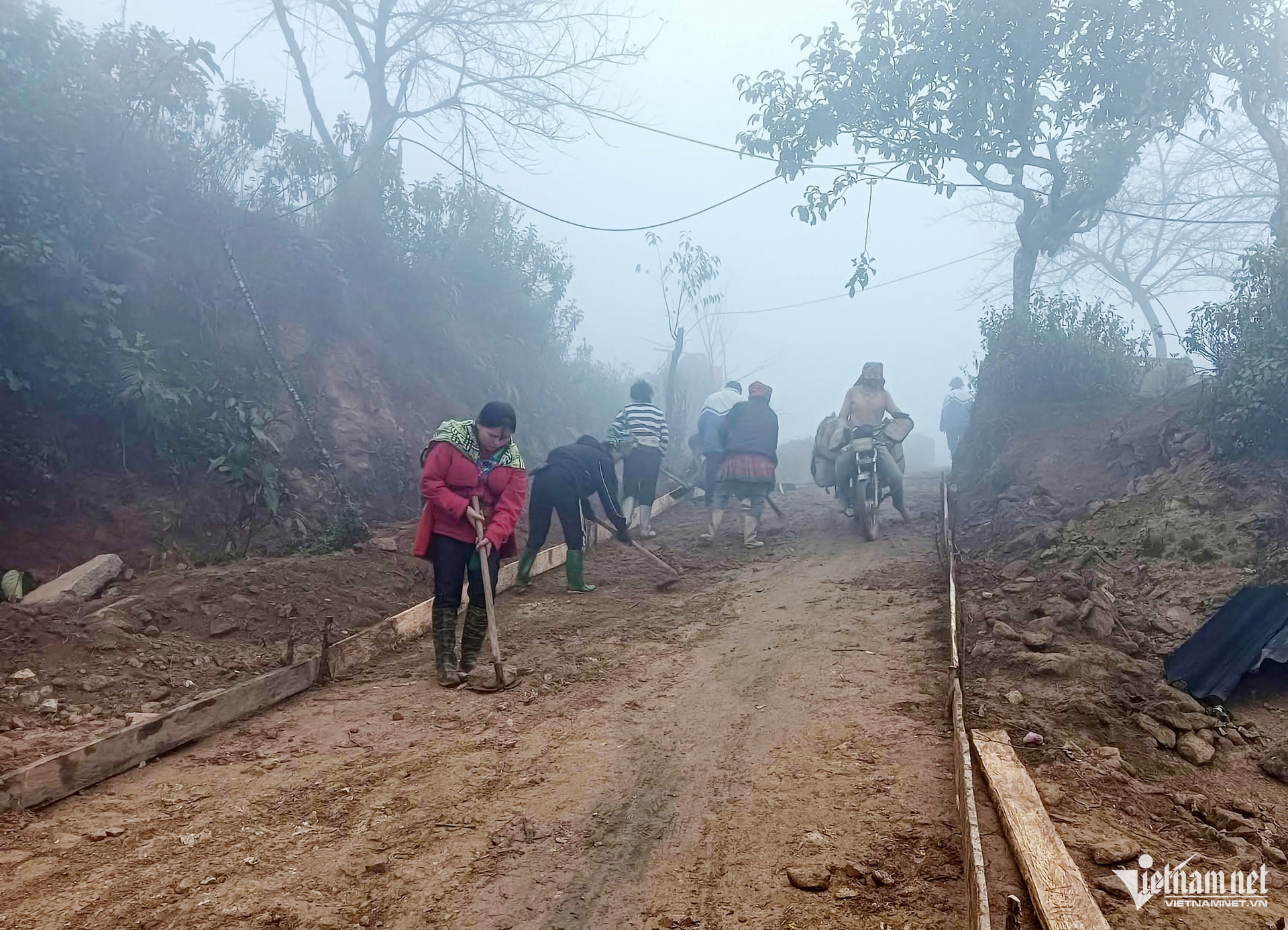
Determined to change that, Thu and the village Party Cell launched a concrete road-building initiative based on a simple principle: the State and the people would work together.
Leading by example, Thu’s family voluntarily donated more than 200 square meters of land and contributed many days of labor. He also persuaded villagers to harvest cinnamon trees and donate land to clear space for an additional three kilometers of inter-village roads. Nearly two kilometers of roads within Giang Pang have also been concreted.
Along the smooth roads now winding across the hillsides, the principle that “people know, people discuss, people act, people supervise and people benefit” has been put into practice transparently, bringing a new sense of optimism to the village. Farm produce can now travel more easily from tea hills and cinnamon forests to markets in the lowlands, while children face a less arduous journey to school.
Infrastructure is only part of the story. Thu has also become a driving force behind local economic development and poverty reduction. Staying closely connected with the community, he provides hands-on guidance and regularly works with local organizations to encourage families to improve their gardens and expand livestock farming.
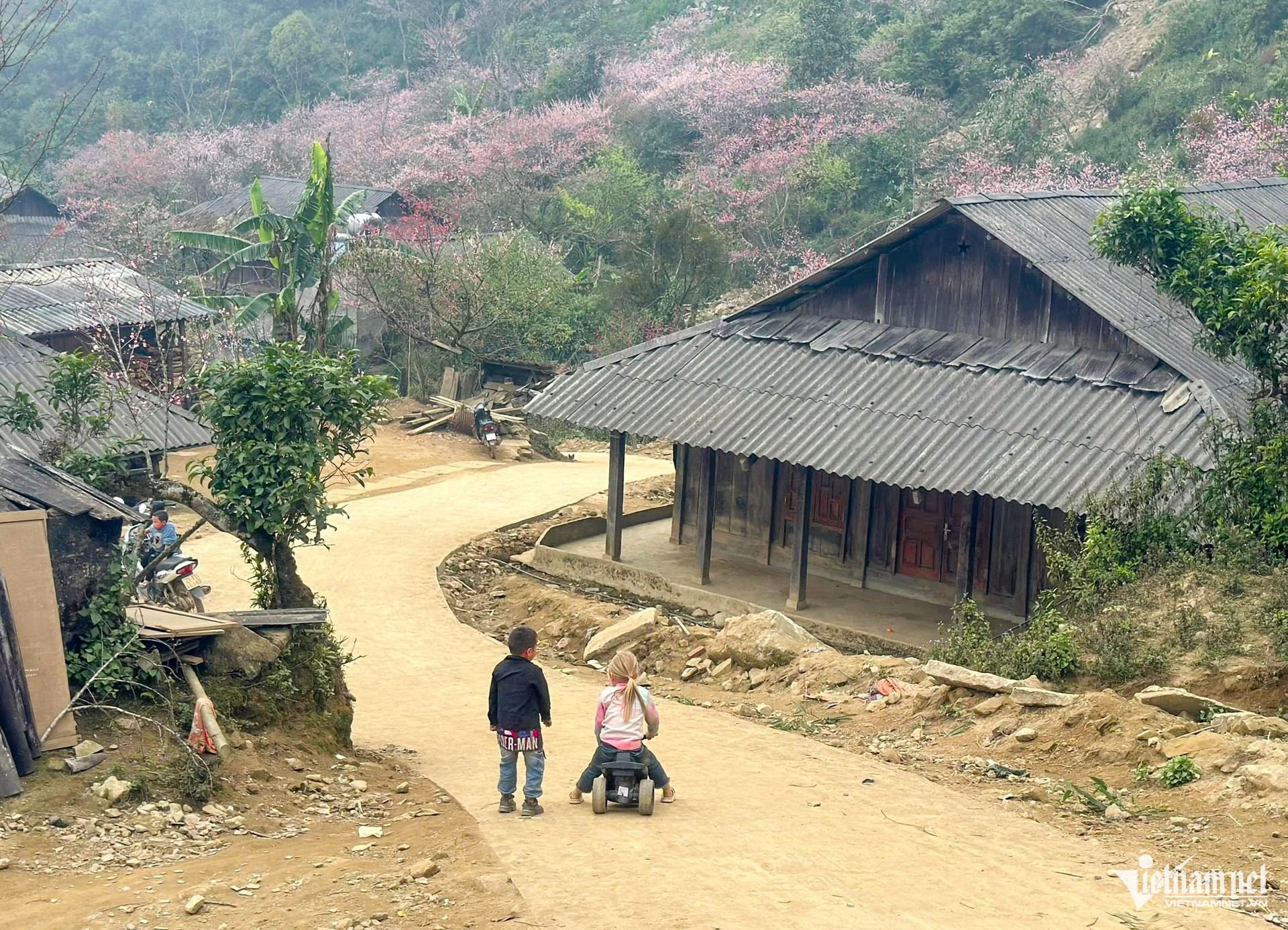
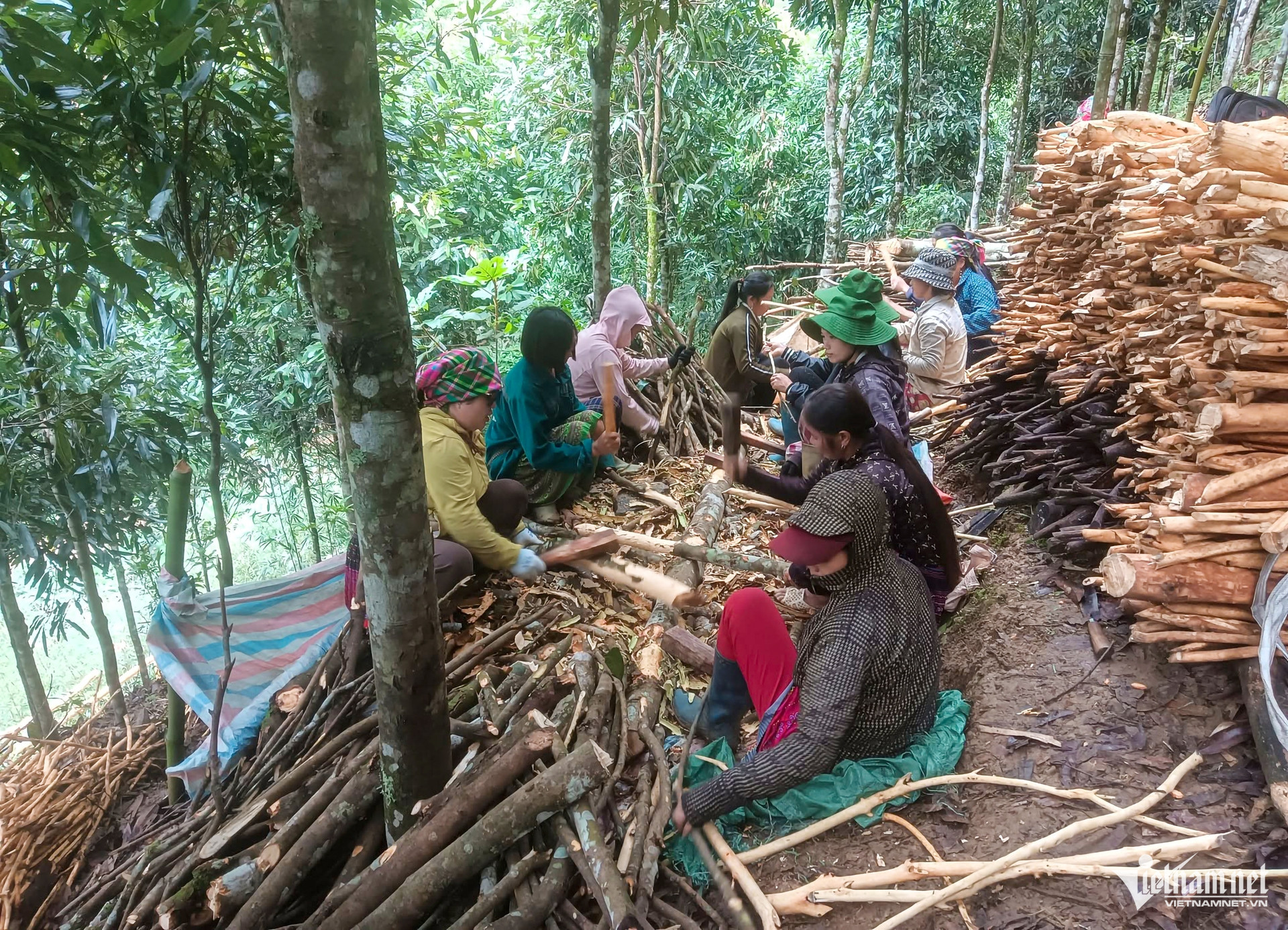
In particular, he has encouraged villagers to build better livelihoods from tea and cinnamon, two of Son Luong’s key crops.
The impact of the young Party Secretary’s efforts can be seen in the numbers. Giang Pang’s poverty rate fell sharply from 24% in 2021 to 12% by the end of 2025.
A spirit of self-reliance and determination to escape poverty has spread throughout the village. Several Hmong farmers have become successful examples, earning more than US$3,800 a year. They include Mua Thi My, a pioneer in producing and processing high-quality white and black teas, and the families of Giang A Chu, Giang A Chu and Vang A Lang, who have improved their livelihoods by combining tea cultivation, forestry and livestock farming.
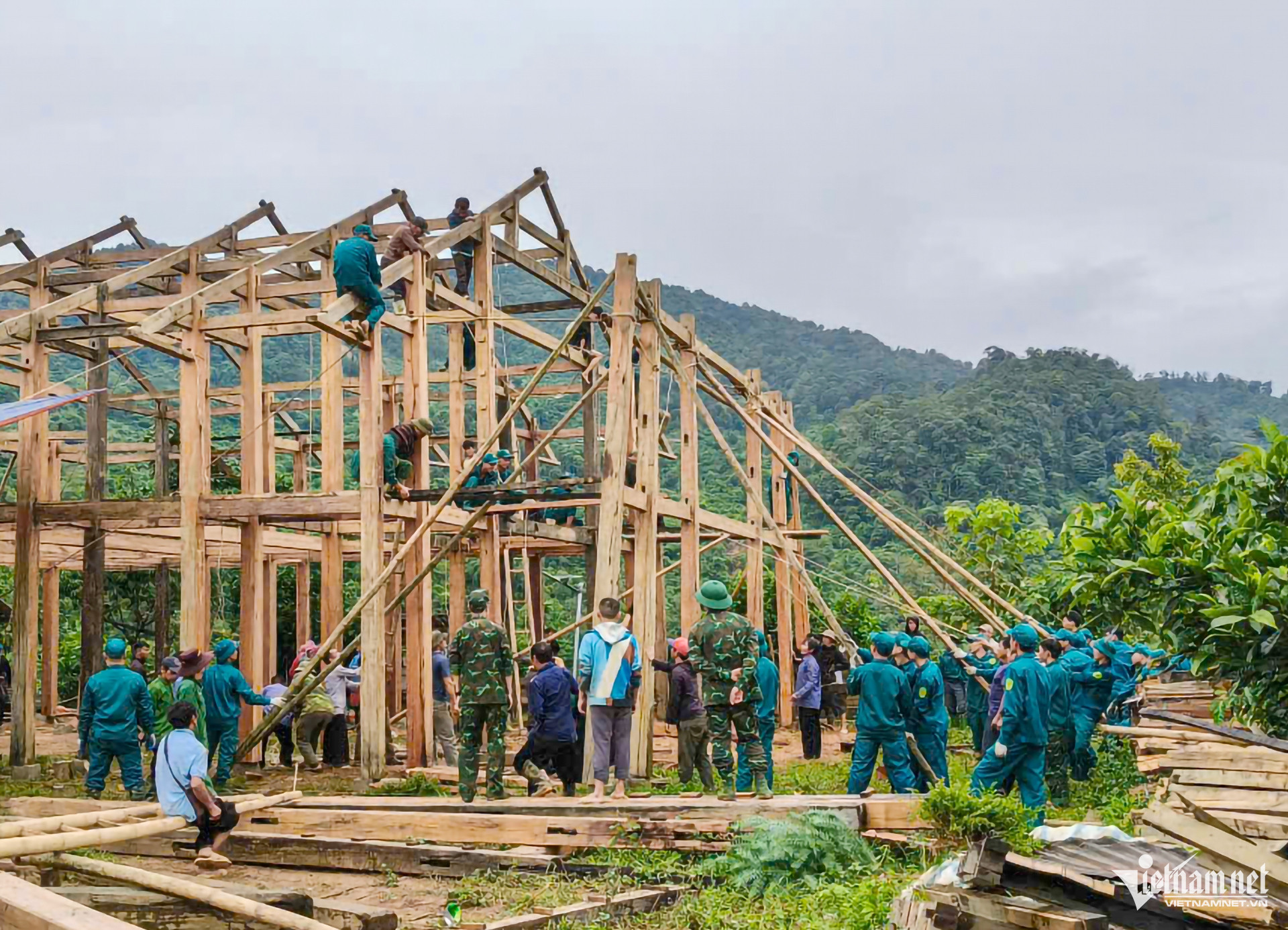
Alongside economic development, the village leader has also placed strong emphasis on social welfare. Thu and local organizations have mobilized more than 500 days of volunteer labor to help 15 disadvantaged households replace temporary and dilapidated homes, while maintaining a greener, cleaner and more attractive living environment.
Tuan Ninh – Hoang Yen
.svg)
