 Vietnamnet.vn

 Podcast



For more than a decade, Lau A Po - better known by his stage name NT One - has pursued a dream that began in a remote Hmong village in northern Vietnam: bringing traditional Hmong music into the rhythm of the global contemporary music scene.
Born in a remote mountain village
Born in 1995, Lau A Po grew up in Ban Bung, a small village in Yen Tho Commune, Cao Bang Province.
The village is home to just over 20 Hmong households living alongside Dao families. A road accessible by car reached the village only two years ago. It still has no connection to Vietnam's national electricity grid, and internet access remains unreliable.
Despite these challenging beginnings, the 30-year-old is now an independent music producer, rapper and visual director based in Hanoi.
"My family was very poor. There were times when I wanted to quit school so I wouldn't be a burden. But my parents borrowed money so my siblings and I could all finish high school," Lau A Po recalled.
His artistic talent first emerged in sixth grade when he took his first music class. He quickly realized that he had a natural ability for both music and drawing and was constantly experimenting with new ideas. By the time he reached 10th grade, he had begun studying guitar seriously and writing his first songs.
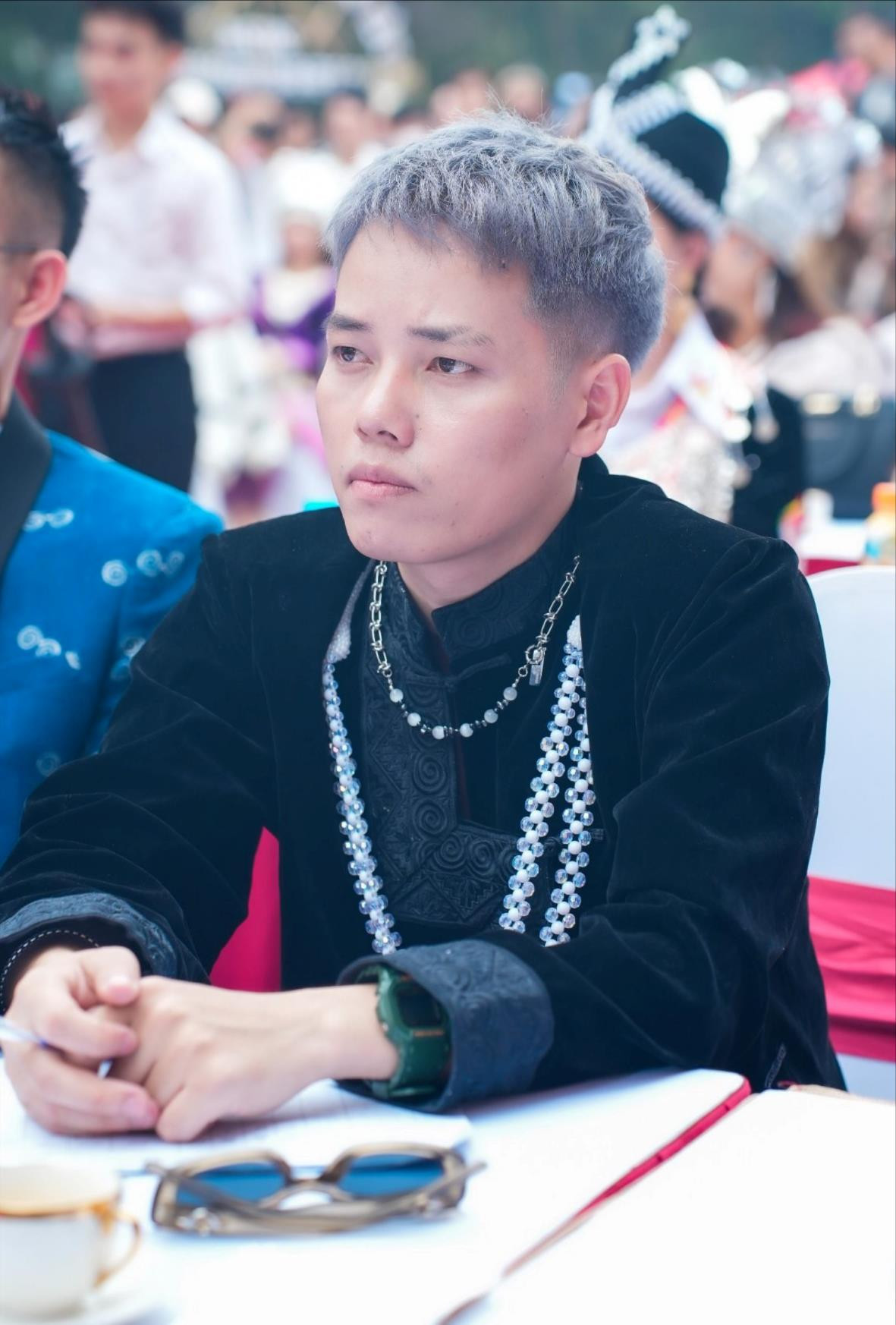

The summer of 2011 marked a turning point.
While studying in the district town, he gained access to the internet for the first time from his rented room. Western pop music and K-pop opened up an entirely new musical world, inspiring a dream that would define his career: applying those contemporary influences to traditional Hmong music.
After graduating from high school, he planned to study vocal performance at Viet Bac College of Culture and Arts, which offered financial support to students from ethnic minority communities.
His career took an unexpected turn in 2018 when a fellow musician told him: "You strike me more as a Hmong rapper than a classical singer. Hmong rap is where you'll find your future."
The comment resonated deeply.
That same year, the first Hmong-language rap song he wrote for a singer in Laos - "Koj Ib Leeg Xwb" (Only You) - unexpectedly surpassed one million views on YouTube.
Faced with this opportunity, he made a bold decision.
He chose not to complete his college graduation examination, instead moving to Laos and traveling through several countries to pursue professional music production for Hmong communities around the world.
Breaking barriers to pursue a musical dream
In the early years, his biggest challenge did not come from his family.
Instead, Hmong audiences in Vietnam and overseas simply were not accustomed to listening to rap or R&B in their mother tongue.
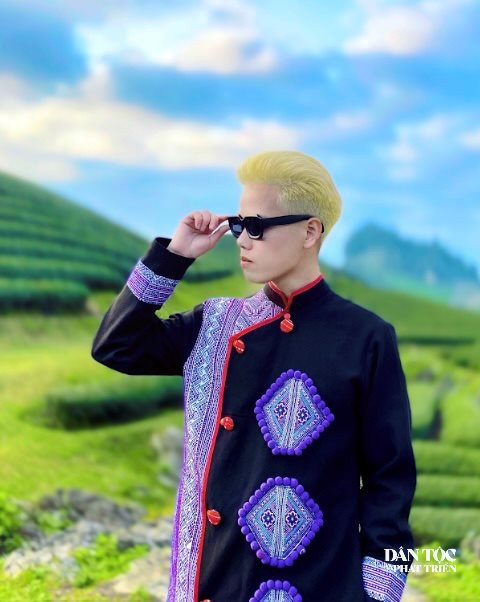
"Many days I'd spend from morning until night with nothing but my guitar and forget to eat. I only practiced rapping when nobody else was home because I worried my parents and neighbors would find it strange. Whenever I recorded cover songs in professional studios, the engineers looked at me with curiosity, and I became too self-conscious to release my own songs because I couldn't afford proper music production," he said.
Through years of study, NT One realized that traditional Hmong folk music shared remarkable similarities with hip-hop culture.
Traditional Hmong courtship songs, performed by young men and women at mountain markets or in the fields for hours at a time, follow patterns in which words, rhymes and meanings respond directly to one another.
He believes that tradition closely resembles the lyrical storytelling and wordplay found in modern rap.
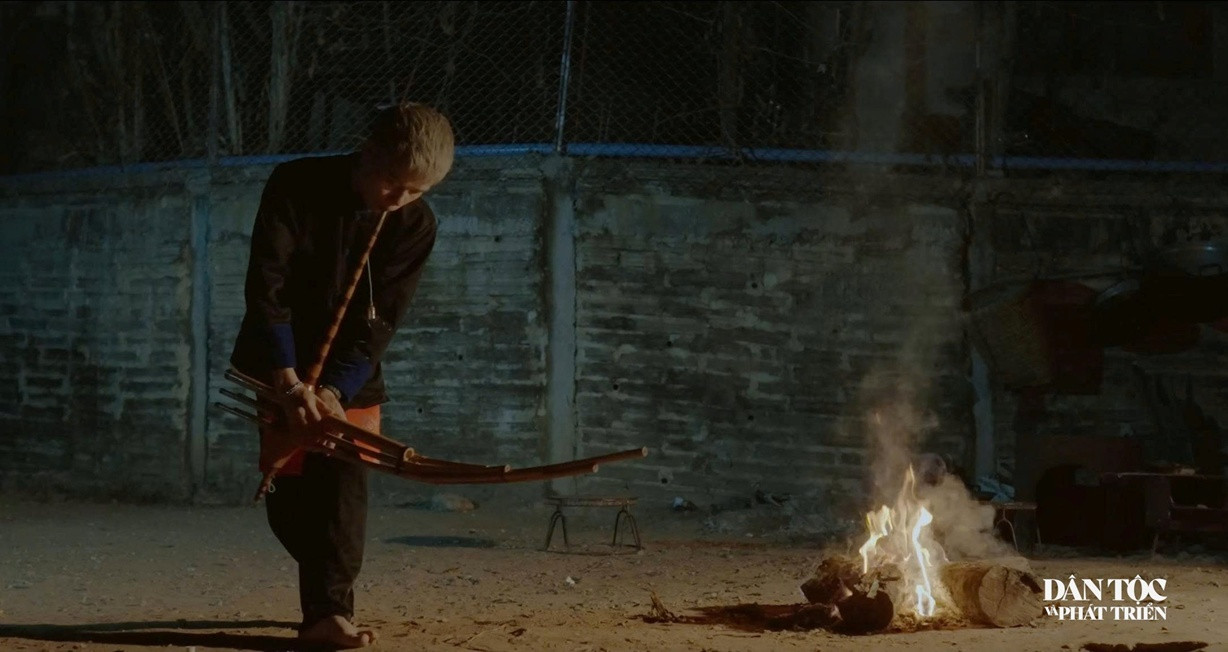
Understanding those cultural foundations allowed him to blend contemporary electronic beats with the haunting melodies of the Hmong flute and the powerful sound of the traditional khen reed instrument.
Language presented another major obstacle.
Growing up in modern times meant his knowledge of classical Hmong vocabulary was limited.
To write meaningful rap lyrics rich in traditional identity while remaining accessible to younger audiences, he spent years carefully learning old vocabulary, proverbs and oral traditions from village elders.

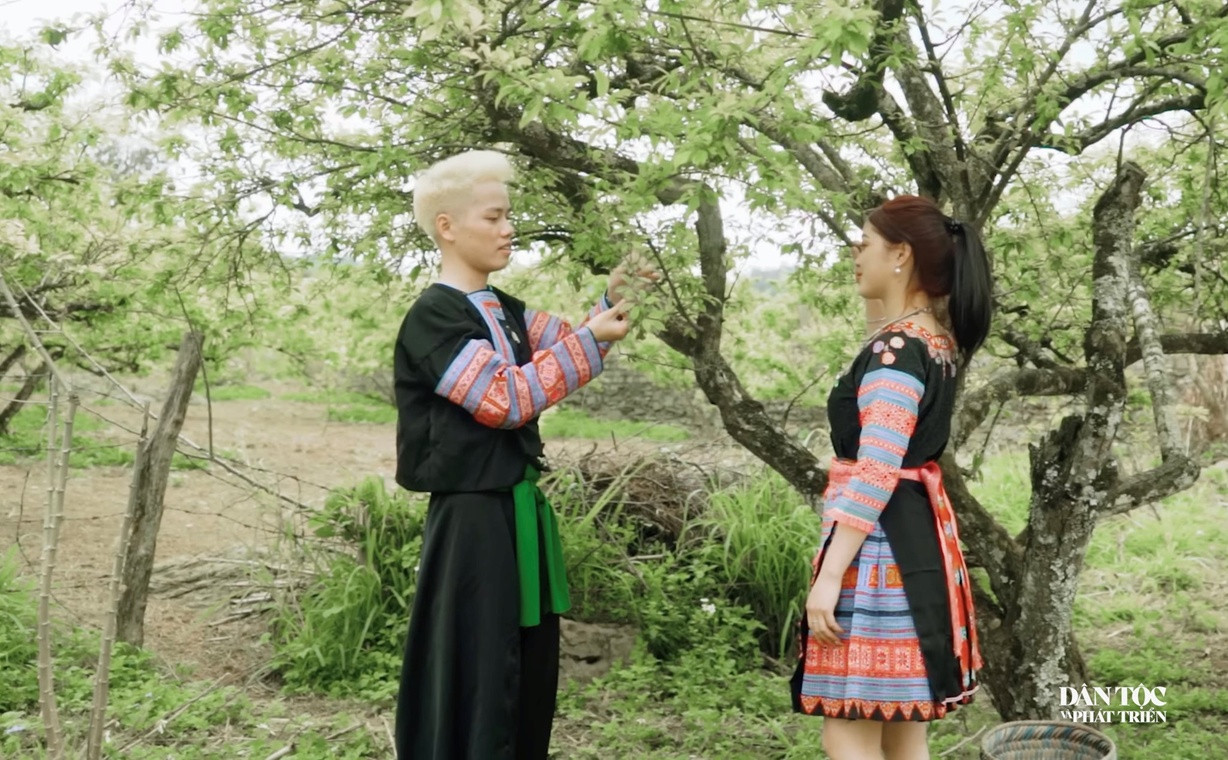
Carrying Vietnam's flag onto the global stage
His breakthrough arrived in 2023.
His debut solo single, "Baby Xav Ntsib Koj", accumulated nearly eight million views across digital platforms and significantly raised his profile.
His music soon crossed national borders, leading to performances in countries with large Hmong communities, including Laos, Thailand, France, China and especially the United States.
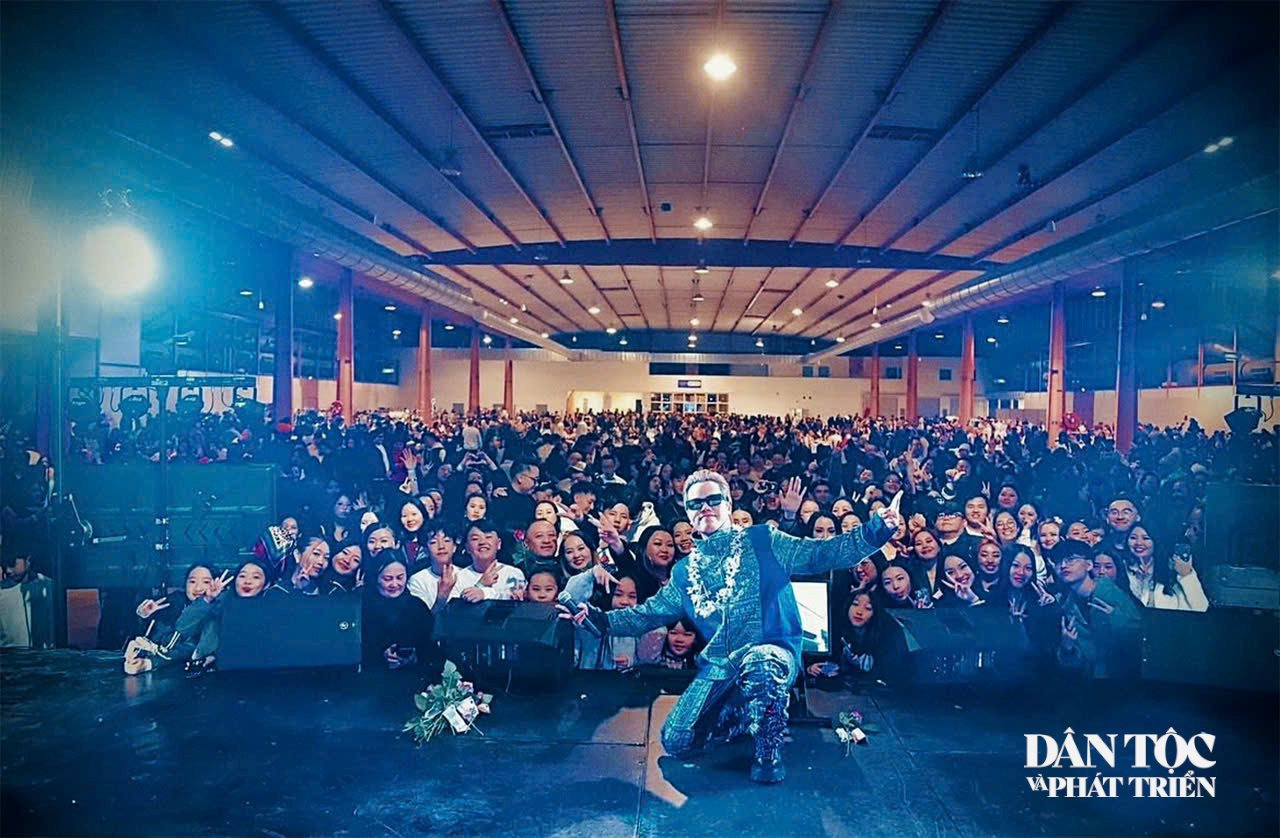
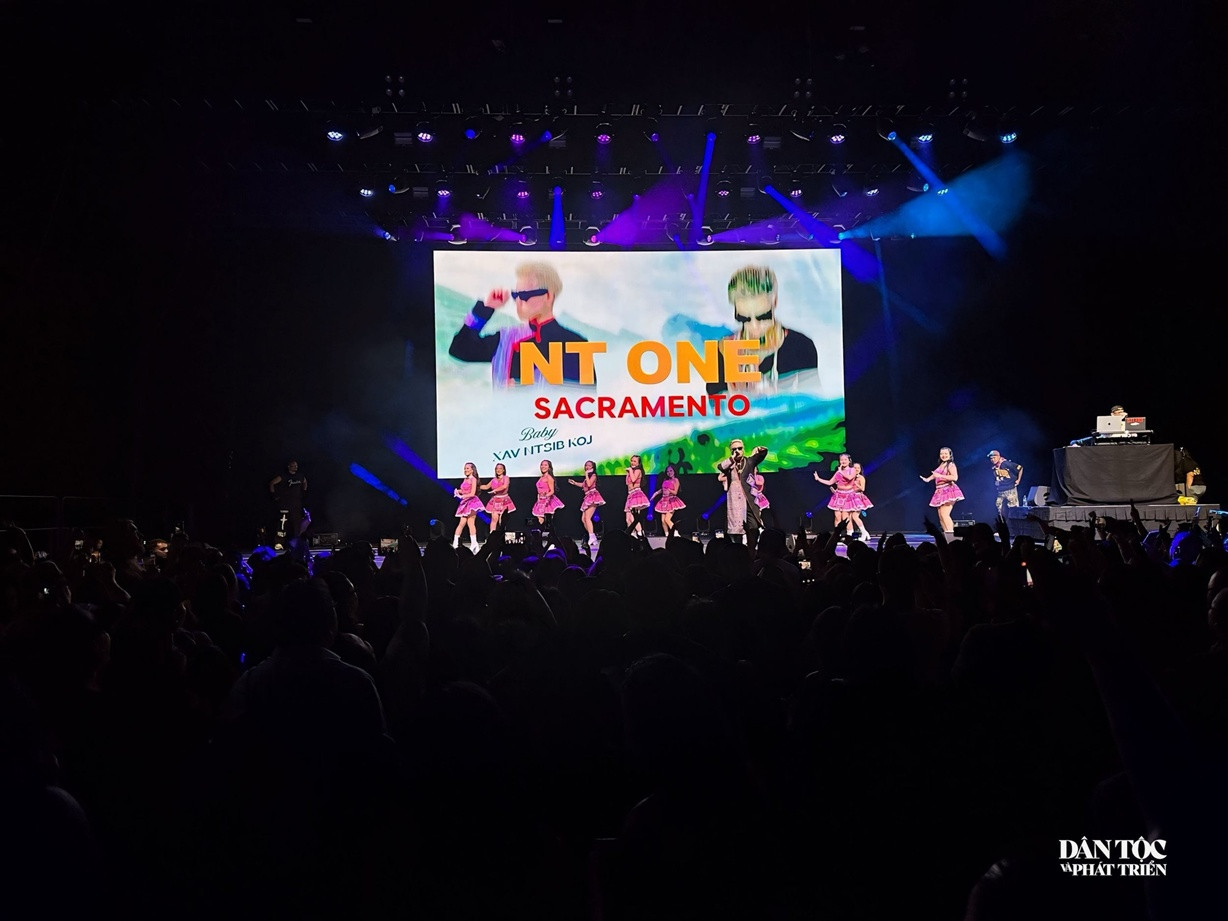
In 2024, NT One reached another milestone by performing at Sabaidee Fest in the United States, one of the country's largest Southeast Asian music and cultural festivals.
Looking out at thousands of international audience members and overseas Vietnamese dancing to music inspired by Vietnamese Hmong traditions, he became emotional.
"That was an incredibly important milestone for someone like me, who has built everything independently without a management company or mentor. Standing on that stage reminded me of the early days when I made music simply out of youthful passion," he said.
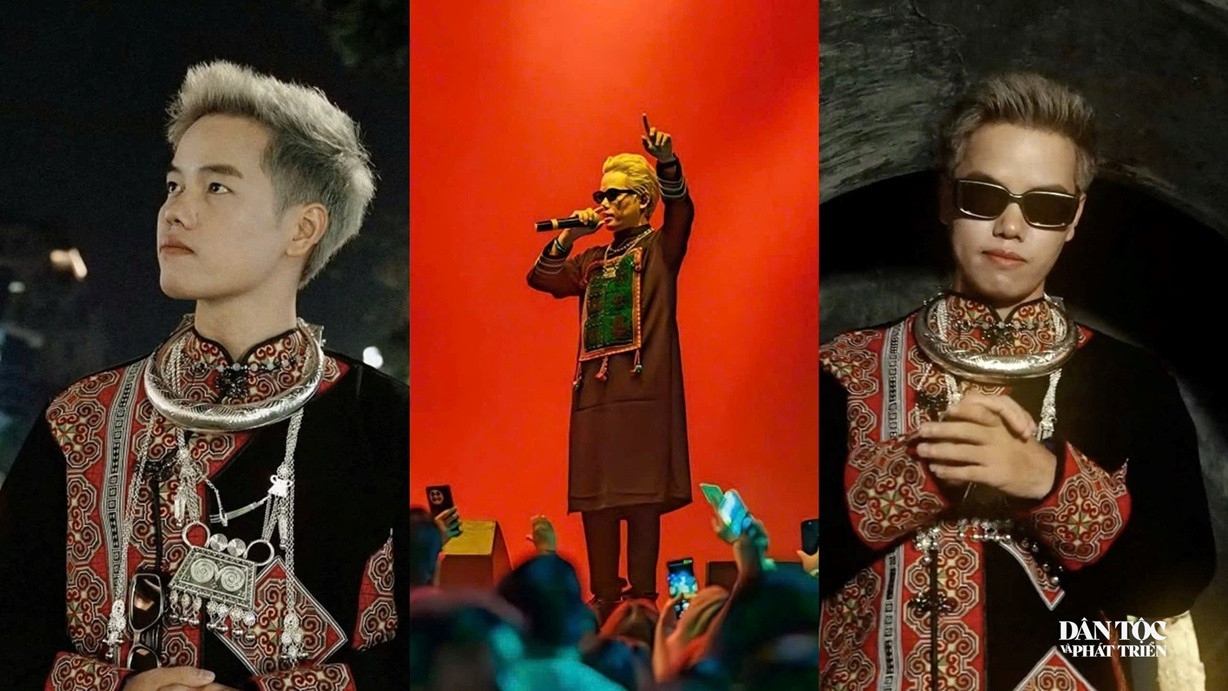
In the Baby Xav Ntsib Koj music video, he deliberately included Vietnam's national flag alongside sweeping images of his mountainous homeland.
"I want international audiences to know that I'm a Vietnamese Hmong artist. This is Vietnamese Hmong music, and that is the sound of the Vietnamese Hmong flute. Carrying that pride in my homeland is something I've always wanted," he said.
Although he has yet to receive any major industry awards, largely because of the niche nature of the Hmong-language music market, Lau A Po considers his greatest achievement to be changing how young Hmong people view their own music.
Many now listen proudly to songs in their mother tongue wherever they are, no longer feeling embarrassed by their cultural identity.
Some international visitors have even chosen to travel to Vietnam after discovering his music and that of his collaborators.
Back in Hanoi after each overseas tour, Lau A Po returns to the recording studio to continue creating.
To young people from ethnic minority communities who dream of achieving more than their circumstances might suggest, he offers one message:
"Don't let the place where you were born become the limit of your dreams. Everyone has their own path, and what truly sets you apart from countless other artists is the culture, language and story of your own people."
Tuan Ninh
.svg)
