 Vietnamnet.vn

 Podcast



With deep love for her ethnic identity and a determination to preserve it, Aya (born 1991), a Ba Na woman from Piom village, Đak Đoa commune, Gia Lai province, created a digital Kinh–Ba Na dictionary app with nearly 6,000 entries.
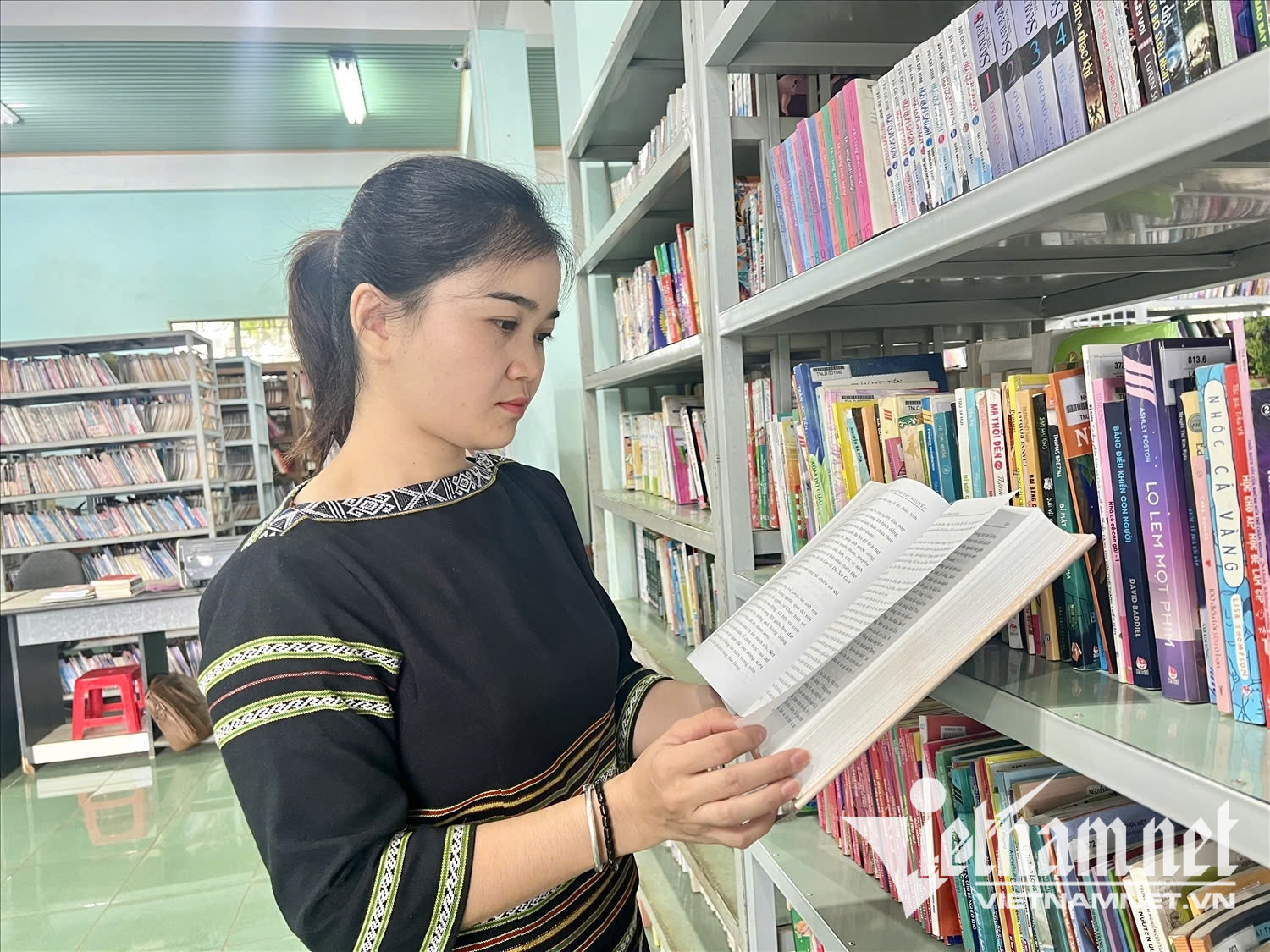
From engineering graduate to cultural guardian
Aya graduated in Computer and Electronic Engineering from the Ho Chi Minh City campus of the Posts and Telecommunications Institute of Technology.
In 2014, she made a pivotal decision to return to her hometown and began working at the Đak Đoa District Cultural and Information Office (now the Đak Đoa Center for Culture, Information and Sports).
In 2019, she was tasked with translating and reading Ba Na-language news bulletins. That work sparked her deep dive into the Ba Na written language, and she quickly realized how limited her own knowledge of her mother tongue was.
She enrolled in a Ba Na language course offered by the local Continuing Education Center to strengthen her linguistic foundation.
“I didn’t know the Ba Na had so many subgroups,” Aya said. “Each uses slightly different vocabulary, and you wouldn't understand that without studying it deeply.”
She borrowed a printed Kinh–Ba Na dictionary and began transcribing its contents by hand. The dictionary was thick, rare, and cumbersome to carry - sparking an idea: Why not build a digital version that’s portable and accessible to everyone?
Coding culture into a mobile app
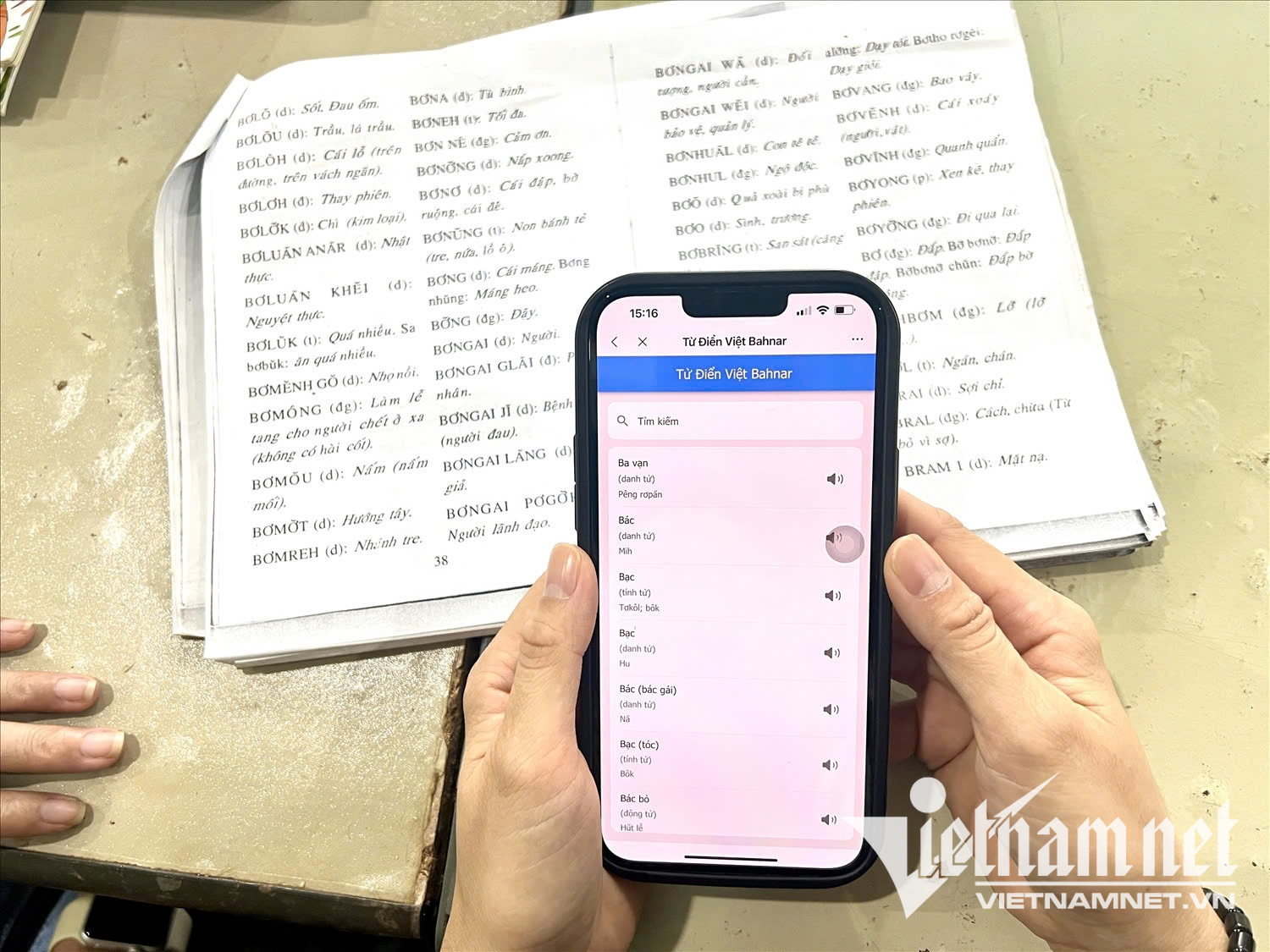
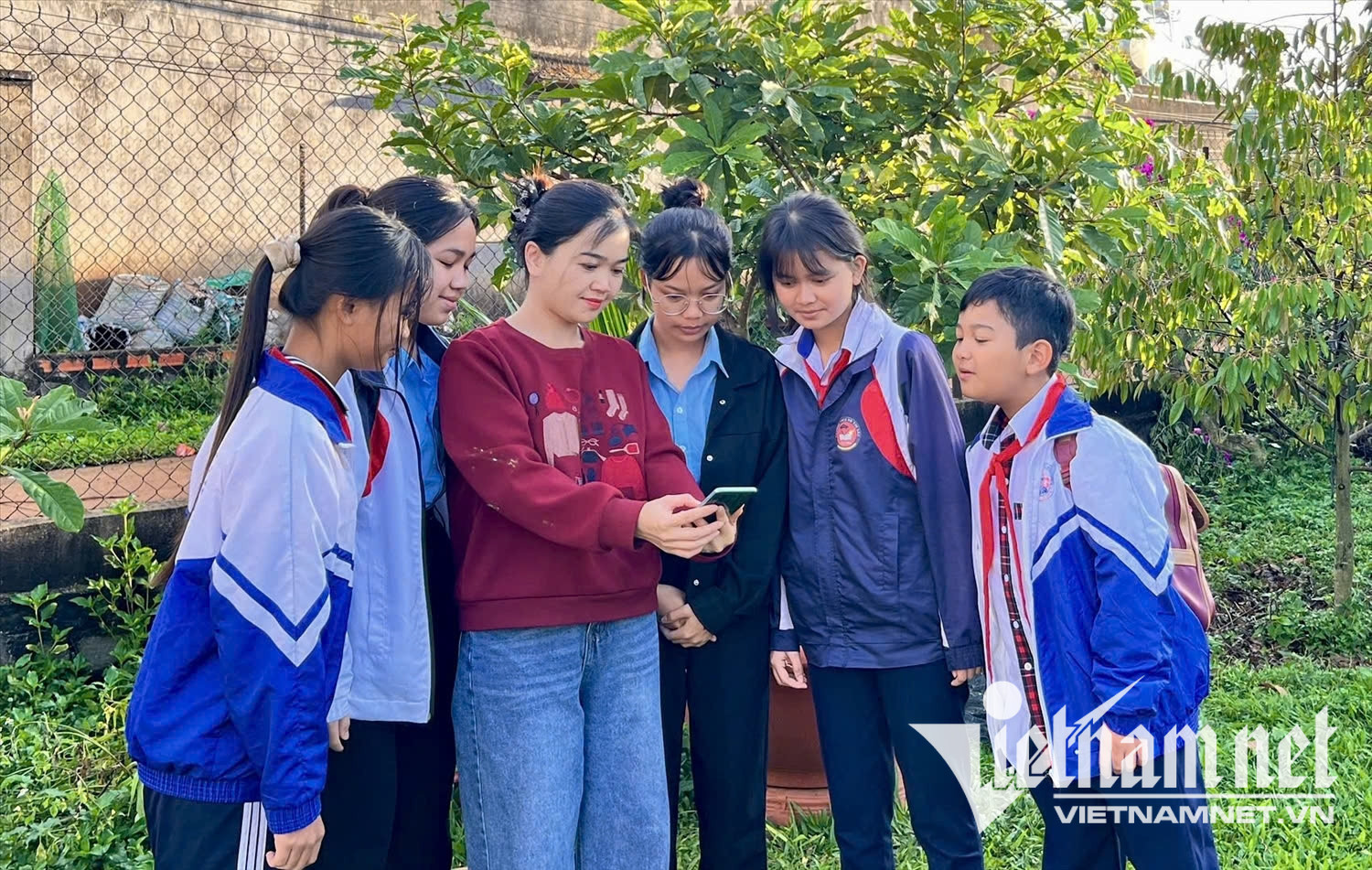
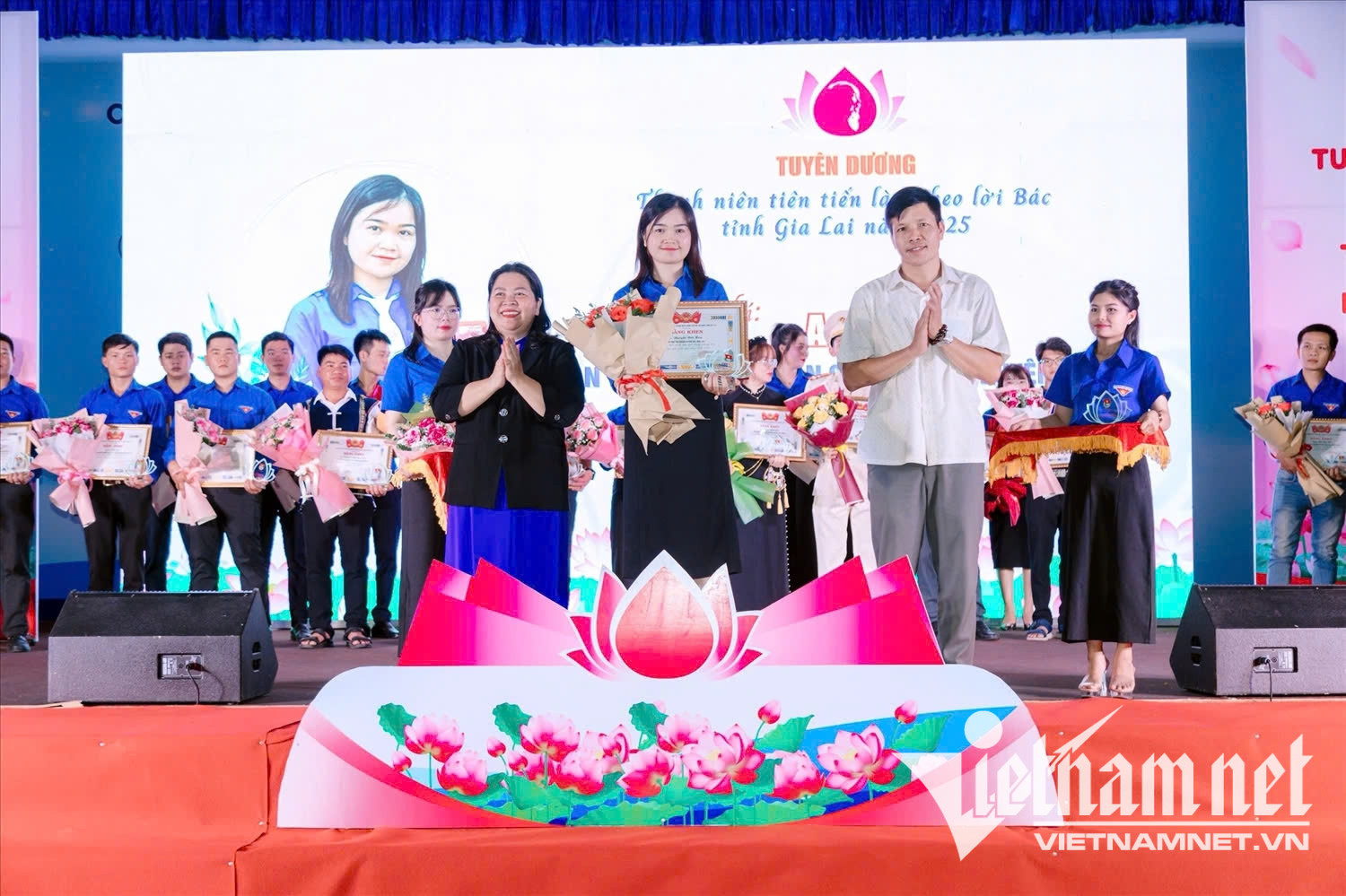
Photo: Ngoc Thu
By August 2025, the app was complete. It runs smoothly on Android and iOS, supports quick search, and includes audio playback - all completely free of charge.
Users can now look up Ba Na words on their smartphones or computers anytime, anywhere.
The app has received widespread praise.
Voices from the community
Y Minh Son, a public officer in Đak Đoa commune, said: “I’m so happy to see a Kinh–Ba Na dictionary app. It helps young people like me learn our ethnic language more easily and keeps our culture alive in the digital era.”
Khao, an 8th-grade student at Vo Thi Sau Secondary School, shared: “Thanks to the app, I can quickly look up words I don’t understand and pronounce them correctly. It really helps me in school.”
Aya’s contributions were recognized in May 2025, when she received the “Outstanding Youth Following Uncle Ho’s Teachings” title from the Gia Lai Provincial Youth Union.
Mai Thi Nhu Ngoc, Secretary of the Đak Đoa Youth Union, praised Aya’s work: “She’s an active young woman, always involved in youth programs and community work. Her digital dictionary project is not only valuable for the Ba Na people, but also for government officers working in ethnic areas. It helps bridge communication gaps and promotes cultural understanding.”
Looking ahead, Aya hopes to hand over the project to a government or organization that can help expand and maintain the dictionary.
“I’m ready to transfer all the data I’ve collected over the years,” she said. “My only wish is for the Ba Na language to live on, for future generations to understand and be proud of who they are.”
Ngoc Thu
.svg)
