 Vietnamnet.vn

 Podcast



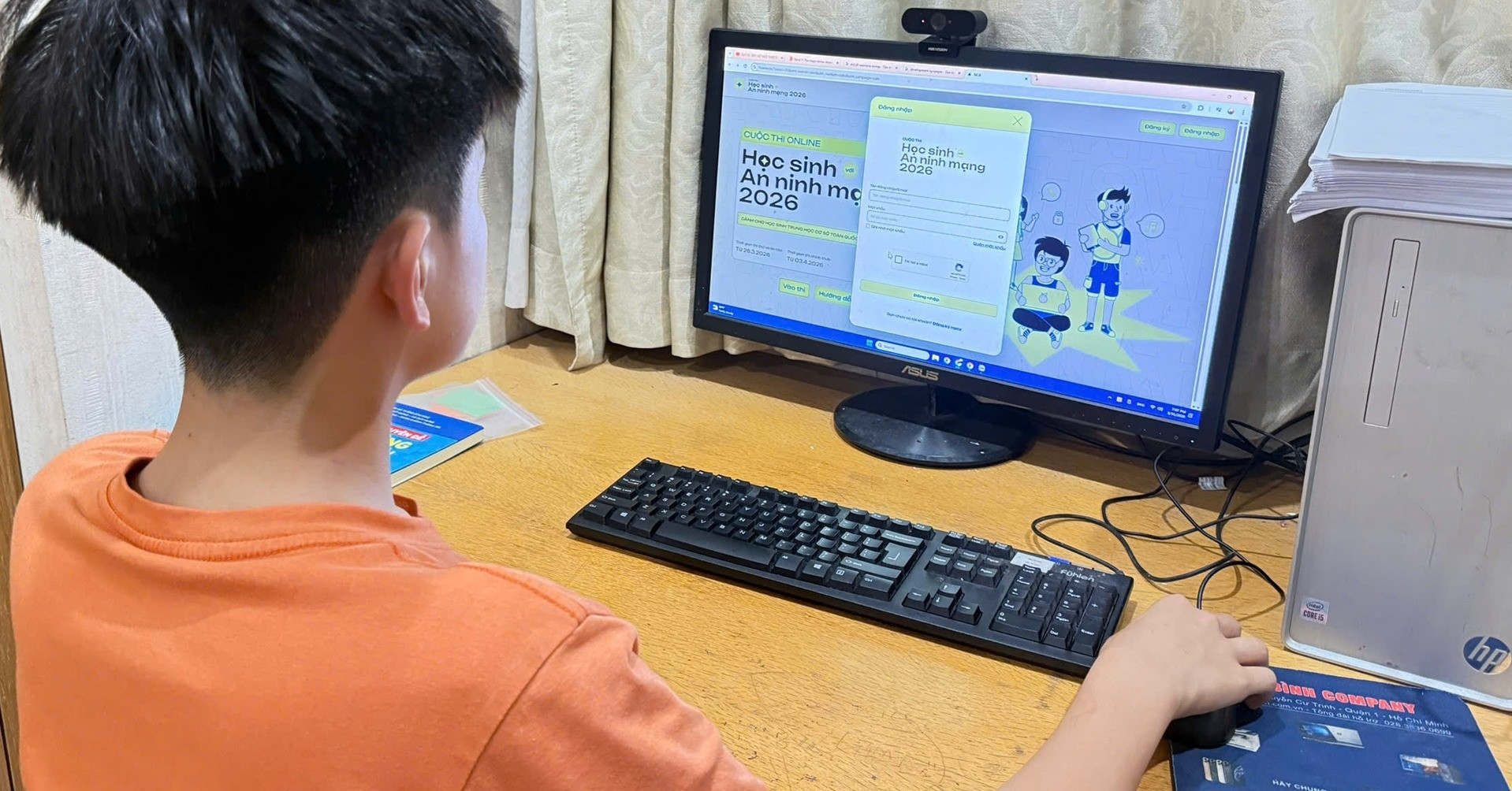
Calls to restrict or ban children from using social media platforms may appear necessary in response to rising online risks, but experts warn that such measures could unintentionally disrupt the very ecosystem that supports modern learning.
According to independent education expert Bui Khanh Nguyen, concerns over cyberbullying, online scams, abuse and social media addiction are real and increasingly visible. In a context where many parents are too busy to closely monitor their children’s online activities, strong interventions may be seen as an urgent response to reduce immediate risks.
Experiences from some countries suggest that setting age limits can help raise social awareness and compel technology platforms to take greater responsibility.
Yet Nguyen cautions against a blanket ban.
Today, social media is no longer merely a space for entertainment. It has become an integral part of how students learn, communicate and develop digital skills. In Vietnam, platforms such as Facebook, Zalo and messaging applications are routinely used in educational settings - from assigning homework and making announcements to facilitating group discussions.
A rigid ban or restriction, therefore, risks disrupting this learning ecosystem. Students may lose a fast and convenient channel to interact with teachers and peers, while many schools may lack the resources to implement alternative platforms. This could, in turn, widen disparities between regions and institutions.
There are also behavioral risks. When faced with strict prohibitions, children may seek ways around them - using fake accounts or borrowing adult profiles - making oversight even more difficult.
Moreover, limiting access may inadvertently hinder the development of digital skills, which are increasingly essential in the 21st century. Early exposure to technology, when guided properly, remains a significant advantage.
The issue, Nguyen argues, is not whether to ban social media, but how to manage its use effectively so that children are protected without undermining essential learning activities.
A need for flexible management
Rather than imposing sweeping bans, experts recommend more flexible regulatory approaches.
These could include setting time limits, strengthening content controls and requiring stricter age verification from platforms. For example, children under 13 might only access “safe” versions with filtered content, while those aged 13 to 16 could be allowed broader use under supervision.
At the same time, there is a need to develop dedicated educational platforms separate from entertainment-focused social media. Schools should gradually adopt official learning management systems to handle assignments, communication and resource sharing, reducing reliance on mainstream social networks.
Equally important is the promotion of digital literacy and online safety education. Instead of focusing solely on restriction, students should be equipped with the skills to protect themselves - recognizing scams, practicing responsible online behavior and safeguarding personal information.
When children understand risks and know how to respond, protection becomes more sustainable than through prohibition alone.
For these measures to be effective, coordinated efforts are required across multiple levels.
Policymakers could mandate that platforms integrate child-friendly modes, including content filters, time limits and activity reporting for parents, alongside clear penalties for violations such as cyberbullying or harmful content distribution.
Schools, meanwhile, should build their own digital learning systems, limit reliance on social media for official purposes, and invest in teacher training and student education on digital skills.
Parents remain central to this ecosystem. Rather than relying on outright bans, they should accompany their children, set clear rules, maintain open communication and use control tools when necessary, while building trust so that children feel comfortable sharing concerns.
Ultimately, managing children’s use of social media cannot rely on a single solution. Only through a combination of policy, education, technology and family engagement can society both protect children and ensure their holistic development in the digital age.
Thuy Nga
.svg)
