 Vietnamnet.vn

 Podcast



As beauty queens and social media celebrities increasingly make their way onto the big screen, many continue to question the real value they bring to filmmaking. Cinema has never been a superficial game designed merely to attract attention, nor is it a place for those seeking fleeting fame.
What does the rush into acting tell us?
The growing presence of beauty queens, TikTok creators and influencers in cinema reflects a shift in how society defines stardom.
In the past, film stars were primarily created through memorable performances. Today, many enter the industry already famous on social media before becoming actors. They bring with them fan communities, personal brands, media histories and, in some cases, controversies.
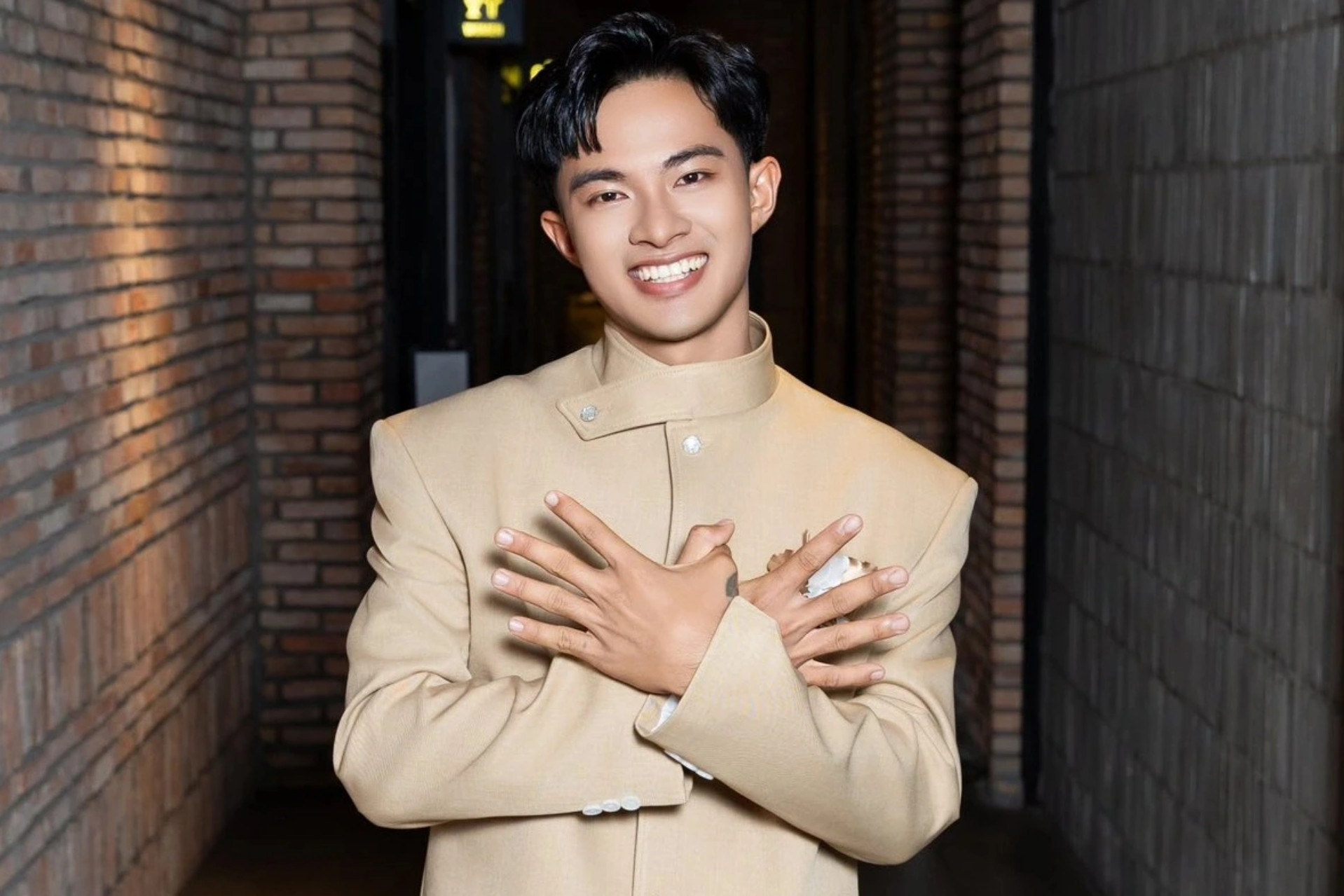
The influx of beauty queens and influencers into films partly reflects the reality of a market where producers and directors must increasingly cater to public tastes while capitalizing on the advantages these personalities already possess.
Experts argue that the phenomenon should be viewed objectively and fairly. It is not simply a matter of producer pragmatism but also a consequence of an attention-driven economy.
Cinema is both an art form and an industry. A film needs audiences, revenue and publicity. Producers cannot be expected to operate in an ivory tower while ignoring audience preferences. The real question is how far commercial considerations should go and whether they ultimately compromise professional standards.
From the perspective of producers and directors, they have every right to choose resources that can support a project. In today's environment, a person's name recognition, online reach and promotional value often become part of that equation.
Speaking with VietNamNet, cultural researcher Nguyen Anh Tuan of the Vietnam National Institute of Culture, Arts, Sports and Tourism Studies (VICAST) said the rise of short films, web dramas and increasingly affordable recording technologies has blurred the line between professionally trained performers and amateurs.
"From a commercial standpoint, every production company wants its project to reach the widest audience possible, sell tickets and generate revenue. No one wants a project to fail or lose money," he said. "There is nothing inherently wrong with responding to audience preferences. However, every casting decision must be carefully considered based on an individual's abilities and suitability for the role."
Yet those resources must ultimately be transformed into artistic capability. Otherwise, they hold little value.
"The issue is not that beauty queens or TikTok stars are acting. The question is whether they enter the profession as serious artists with genuine passion or simply as personal brands seeking another platform," he added.
A path forward for non-professional performers

People's Artist Le Khanh, whose performances have become a mark of quality in many productions, highly values the advantages that young and attractive newcomers can bring to cinema.
However, she emphasized that they must commit seriously to acting if they wish to be recognized as genuine performers rather than simply decorative figures on screen.
On set, Le Khanh often guides younger actors, helping them understand character psychology and creating a comfortable environment that allows them to adapt quickly.
While working with beauty queen Doan Thien An in Hen Em Ngay Nhat Thuc (See You on Eclipse Day), she frequently encouraged and mentored the young performer.
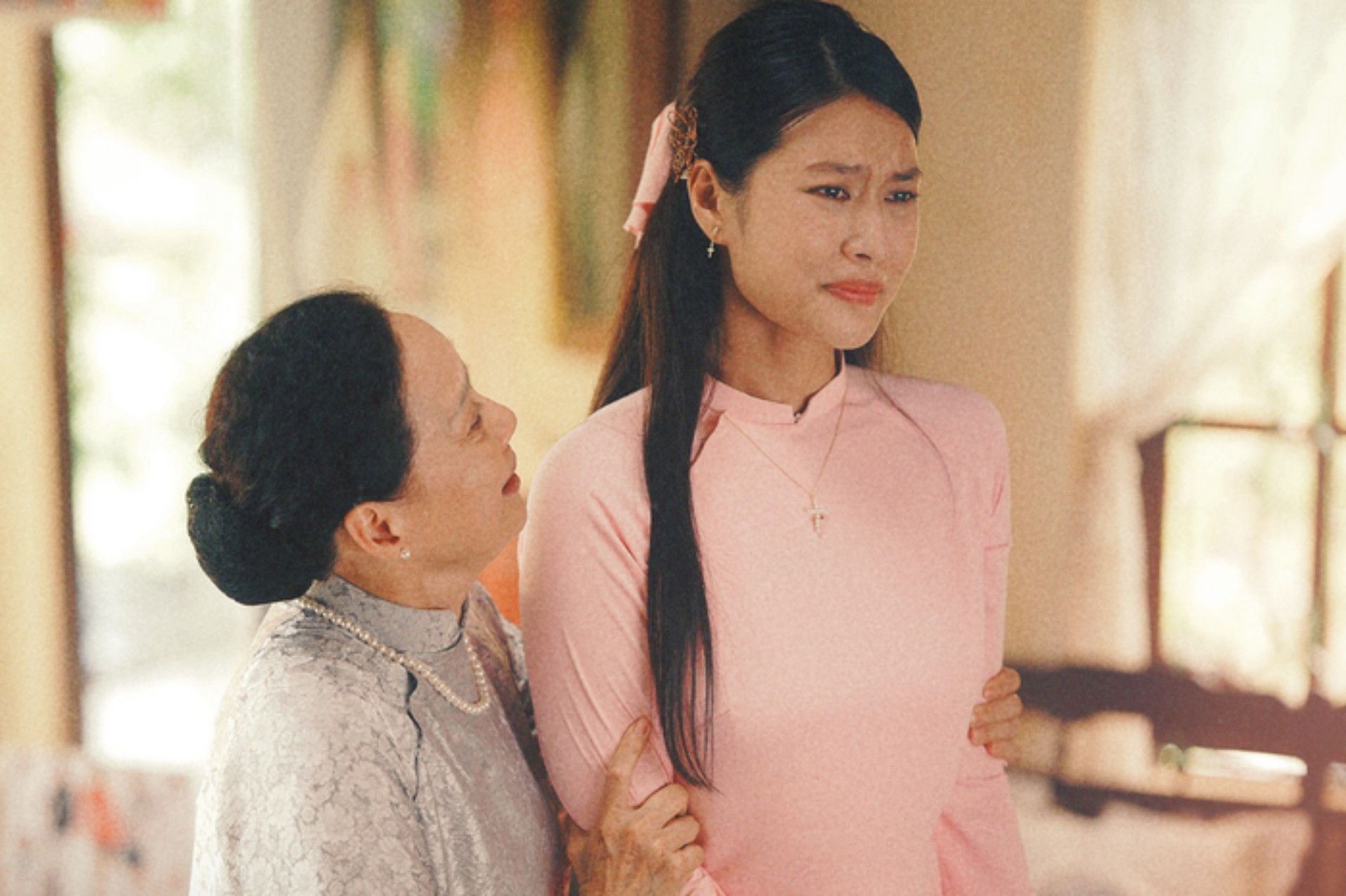
According to the veteran actress, once young people identify a genuine passion for acting, they should seek professional training to develop their voice, facial expression and character-building skills.
Every film release ultimately becomes a public assessment of their progress. It can help them earn recognition if they improve, or expose them to criticism if they remain stagnant.
Over the past several years, Le Khanh has established an acting academy and trained hundreds of performers, both professional and amateur. She devotes significant time to teaching and sees mentoring the next generation as a personal mission.
Director Le Thien Vien told VietNamNet that suitability for a role remains his highest priority when casting.
When searching for the lead actress in Hen Em Ngay Nhat Thuc, he considered Doan Thien An alongside several high-profile names. In the end, the beauty queen proved she was the right choice.
Earlier, in his debut film Vu Quy Dai Nao, he cast Ngoc Trinh because he felt the role shared many similarities with her real-life personality and believed she could embody the character effectively.
As a producer and director, he argues that no one would invest tens of millions of dollars in a film only to cast someone incapable of acting and risk damaging the entire project.
"I have never cared about a performer's title or how many millions of followers they have. Those things do not tell me anything important," he said.
Discussing the trend of beauty queens and TikTok stars entering cinema, Le Thien Vien acknowledged that every phenomenon has both positive and negative aspects.
He believes time and market forces will ultimately provide the clearest answer.
"If beauty queens or TikTok creators want to try acting, we should be open-minded. They may not have had access to formal training, but some possess natural talent and potential that can surpass those who hold university degrees in acting," he said.
Director and producer Charlie Nguyen also believes cinema is an open world where anyone with the right qualities, inner strength and foundation should be welcomed.
He emphasized that aspiring performers must first answer a fundamental question: "Do you want to make films because you want to be famous, or because you genuinely love filmmaking?"
Once they answer that honestly, they will better understand the path they should follow.
"Cinema and acting certainly come with glamour and a powerful allure. But to me, that is only a flavor, not the main course," Charlie Nguyen said. "If you become obsessed with the surface-level attraction and rush in because of it, disappointment is inevitable."
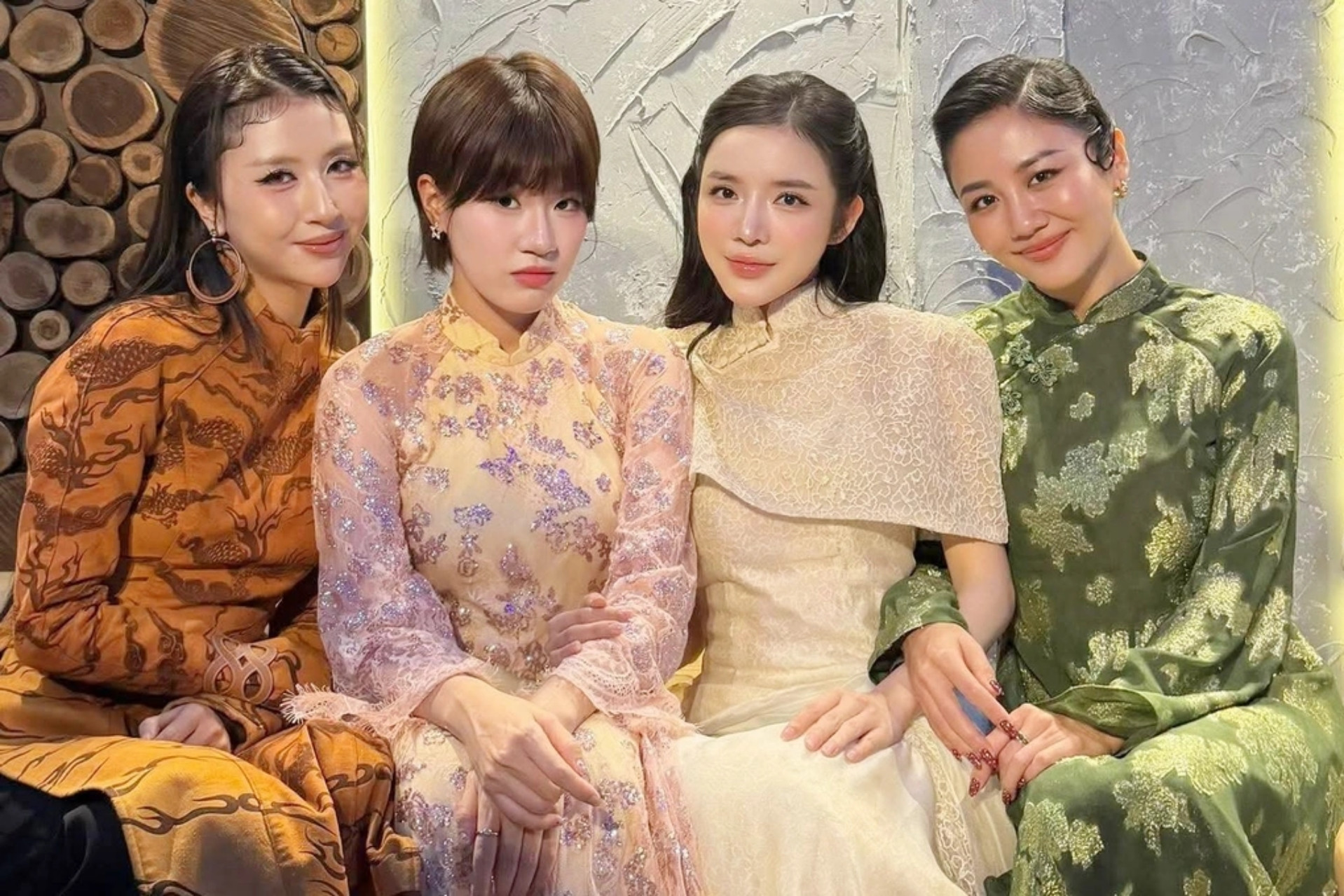
Of course, one successful role or a single viral project is far too little to form a definitive judgment.
When trends fade and promotional campaigns disappear, what ultimately matters is the actor. That will always be more important than a crown, a title or temporary popularity.
Cinema is a demanding profession that requires expertise, acting ability and relentless effort. Media attention and social media fame may serve as an entry ticket, but they cannot guarantee long-term success in an industry known for its competitiveness, pressure and constant turnover.
Whether performers remain in the profession ultimately depends on the quality of the work they leave behind.
Tuan Chieu
.svg)
