 Vietnamnet.vn

 Podcast



Vietnamese cinema is experiencing a boom, with more films being released each year. As a result, producers are constantly searching for fresh faces from different fields to attract audiences alongside established stars.
Casting beauty queens and TikTok personalities can help address the shortage of actors while also leveraging their existing fan bases. However, the strategy comes with significant risks. Not everyone can act, and in some cases, inexperienced performers may even undermine a film's quality.
VietNamNet presents a special series examining both the benefits and drawbacks of the growing trend of casting beauty queens and social media influencers in films.
A golden opportunity for non-professional faces
TikTok personalities have become a familiar presence in Vietnamese films. As social media celebrities continue to attract public attention, they have increasingly become an important part of many productions.
One of the most notable success stories is TikToker Tin Nguyen.
She won a role in director Ly Hai's Face Off 7 through an audition process despite widespread skepticism. Her portrayal of a sharp-tongued but deeply devoted Central Vietnamese wife resonated with audiences and helped establish her credibility as an actress.
The role opened the door to further opportunities, leading to appearances in films including Detective Kien, Breaking Up Mother's Birthday Party, and Ma Xo, which is currently performing well at the box office.

Hoang Kim Ngoc also made an impression on the big screen with her role as medium Co Lieu in The Soul Lantern.
Similarly, in Face Off 8, Le Tuan Khang appeared only in a cameo role but attracted more media attention than the film's male lead.
Beauty queens have also shown varying degrees of promise.
Doan Thien An, who made her acting debut in The Silver Billion Kiss, has continued to develop through See You on Eclipse Day. Miss Grand International 2021 Nguyen Thuc Thuy Tien earned recognition for her role as a maid in Linh Mieu, while Miss Universe Vietnam winner Ky Duyen was viewed as a promising talent after portraying a supporting antagonist in The Four Troublemakers.
Most beauty queens entering acting attend short-term acting courses or workshops, helping them acquire basic skills in character analysis and adapt more confidently to film sets.
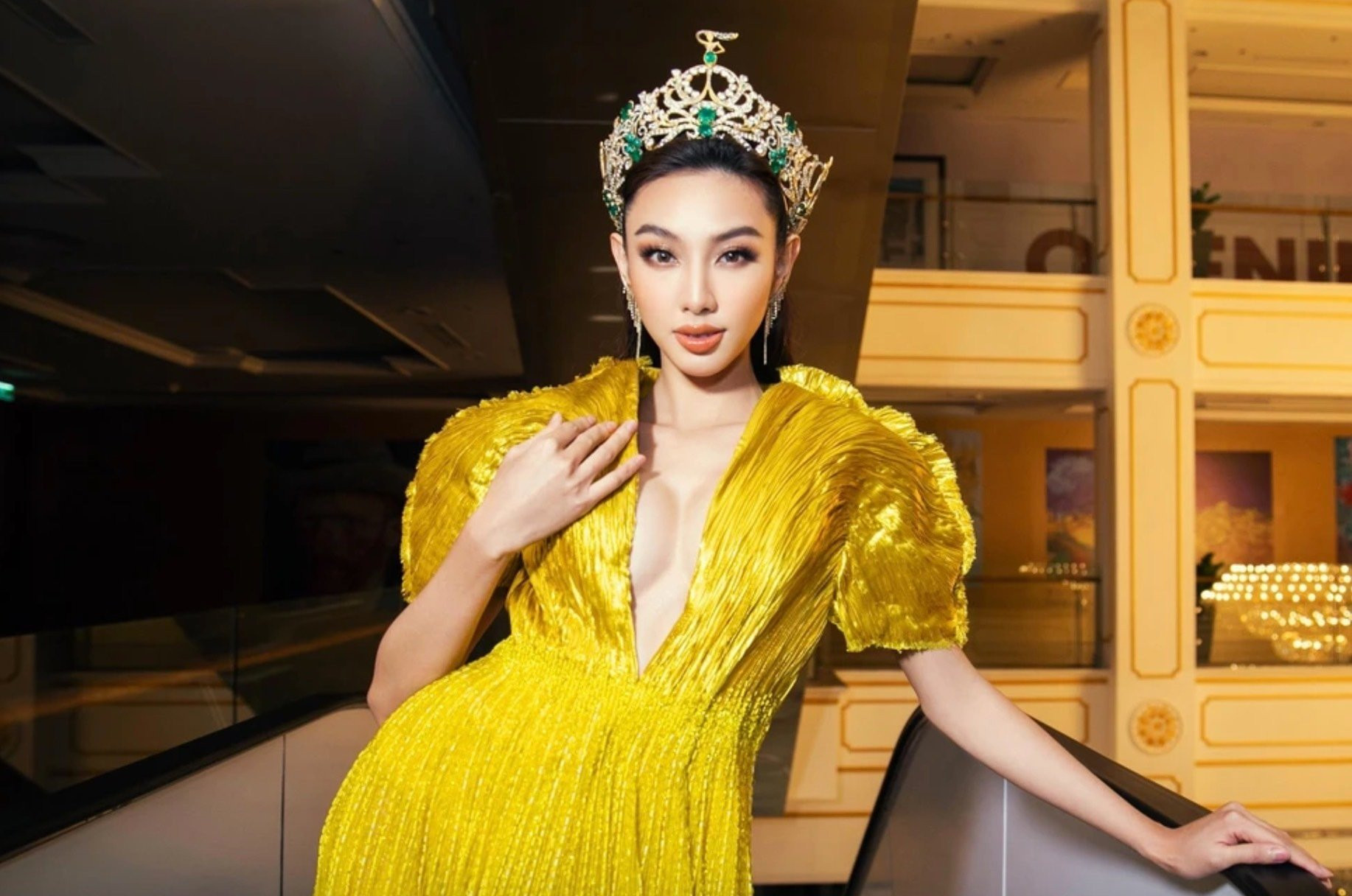
Speaking with VietNamNet, Dr. Ha Thanh Van said beauty queens and TikTokers possess certain advantages when entering the film industry.
For beauty queens, those advantages include appearance, stage presence, public visibility and an existing fan base built through beauty pageants.
TikTok creators, meanwhile, understand online communication, know how to generate viral moments and often have direct access to young audiences.
Many influencers also bring creativity, trend awareness and a strong understanding of audience preferences.
When cast appropriately, non-professional performers can create a refreshing presence on screen.
Some characters do not necessarily require highly complex acting techniques but instead depend on charisma, authenticity and suitability.
A beauty queen may naturally fit the role of a beauty queen, model or entertainment industry figure. Likewise, a TikToker may be well suited to comedic roles, urban youth characters or personalities shaped by digital culture.
When directors understand how to leverage their strengths and limitations, these performers can become memorable highlights.
Before her recent legal troubles, Thuy Tien was widely regarded as one of Vietnamese cinema's most promising emerging talents.
However, Dr. Van emphasized the need to distinguish between a celebrity acting in a film and a professional actor.
"Fame is a communication advantage, not an artistic qualification," she said. "Cinema requires the ability to transform into a character, deliver dialogue effectively, control emotions, understand rhythm, collaborate with fellow actors, follow production discipline and, most importantly, become someone entirely different rather than simply bringing one's personal brand onto the screen."
"I don't view this phenomenon in an extreme way. We should not automatically assume beauty queens or TikTokers are bad actors. At the same time, popularity should not be treated as a passport into cinema. The real issue is the attitude with which they approach acting - whether they see it as a serious artistic challenge or merely an opportunity to expand their personal brand," she added.
A double-edged sword and a risky move
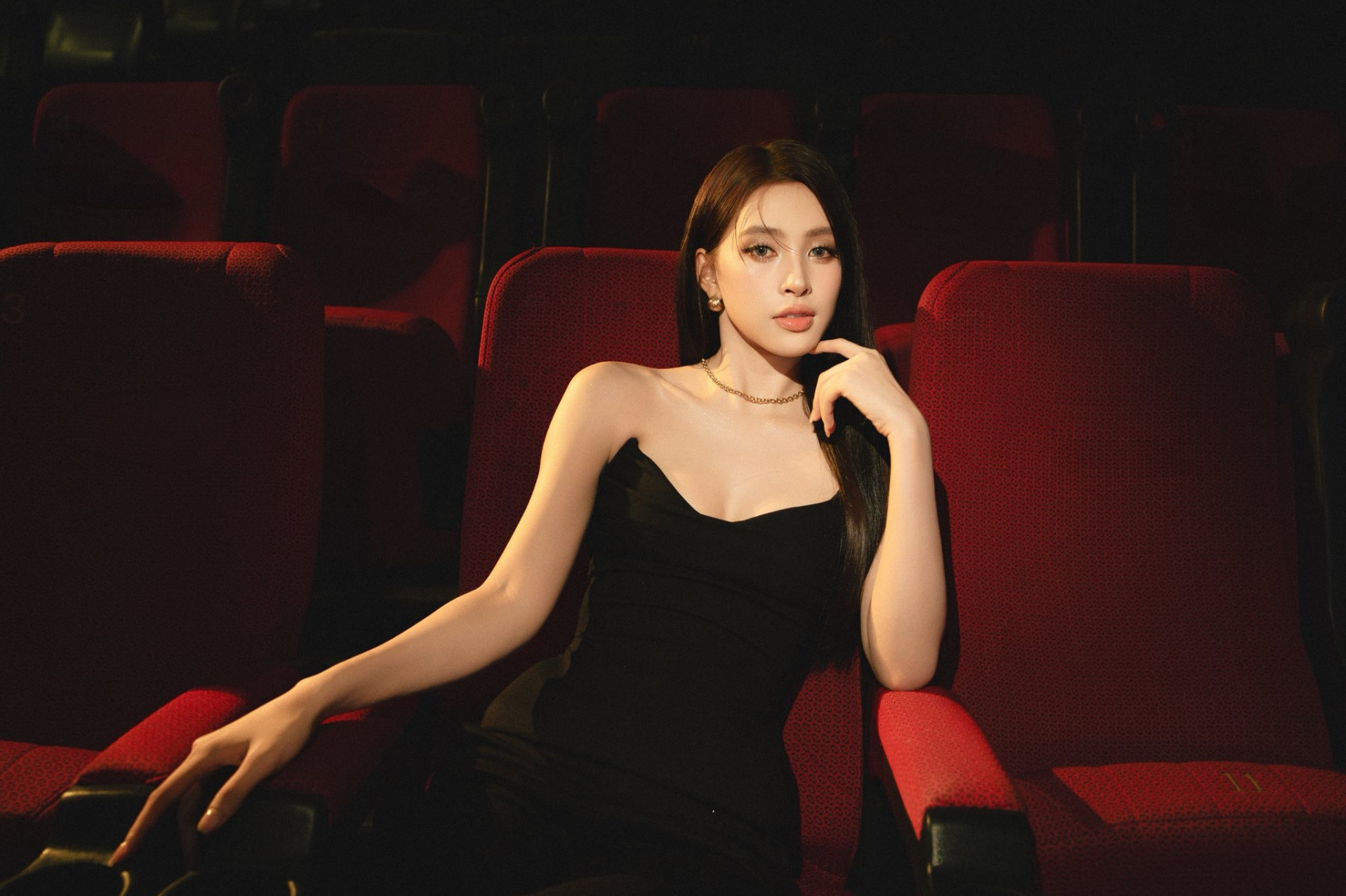
Casting beauty queens, influencers and internet personalities offers undeniable publicity benefits and satisfies audience curiosity.
Yet many industry observers remain concerned about the potential downsides.
According to experts, if the trend is not carefully managed from casting to final production, it could undermine artistic quality and acting standards.
When a role exists primarily to capitalize on beauty or social media following, the film risks losing its essence as a storytelling medium.
If the acting fails to convince audiences, initial curiosity can quickly turn into disappointment.
Another challenge is the risk of audience detachment.
When performers are too strongly associated with a public image, viewers may see only the celebrity rather than the character being portrayed.
This can weaken audience immersion and affect the overall quality of a project.
Several beauty queens have been heavily promoted before a film's release, only for public discussion afterward to focus almost entirely on their appearance while their acting performances receive little recognition.
Miss Vietnam 2018 Tran Tieu Vy has pursued acting professionally for several years through films including The Four Troublemakers, Mai, Jackpot Island - Tu Mau Thien Linh Cai and, most recently, Borrowed Soul.
Despite no longer being a newcomer, her acting abilities continue to divide opinion.
Across multiple projects, critics have praised her beauty and screen presence while questioning her facial expressions and dialogue delivery.
Responding to criticism, Tieu Vy admitted feeling hurt when labeled a "pretty vase" - a Vietnamese term used to describe someone valued only for appearance.
She said she hopes audiences see her as a flower still learning to bloom, acknowledging her shortcomings while emphasizing her efforts to improve over the past eight years.
Director Dinh Tuan Vu told VietNamNet that differing audience opinions about acting performances are entirely normal.
"As a director, I always view a role within the larger context of the film," he said. "Tieu Vy still has a long journey ahead in acting, just like any performer. What pleased me was that she brought a distinct color to the character. After the first screenings, audiences debated her character - whether they loved her, disliked her, sympathized with her or distrusted her. To me, that indicates the character created a connection with viewers."
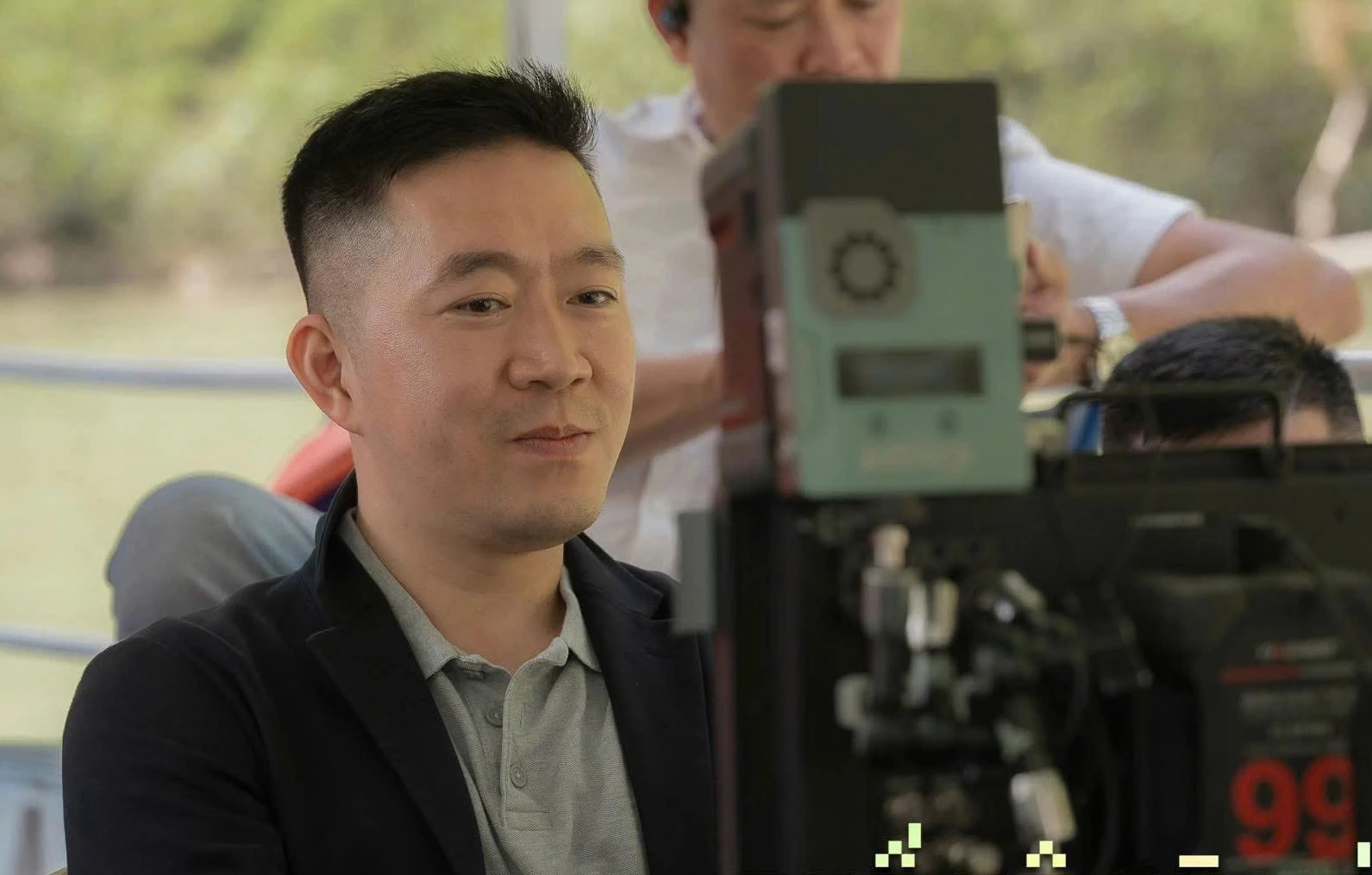
According to the director, the ultimate measure of a role is not universal praise but whether audiences remember the character after leaving the theater.
Perhaps the most important concern is the long-term impact on Vietnamese cinema itself.
If producers increasingly prioritize celebrities over trained actors, professionally educated performers may lose opportunities.
Over time, this could weaken the industry's talent pipeline.
A healthy film industry requires actors who have undergone formal training, accumulated experience and developed the versatility needed to portray a wide range of characters.
Social media algorithms, experts argue, should never fully replace professional casting processes.
The consequences can already be seen in some projects.
Director Khuong Ngoc's Live: Livestream, released in September 2023 and featuring numerous TikTok stars including Ngan 98, Long Chun, Tina Thao Thi, Hoang Anh Panda and Be 7, generated only around USD 77,000 in box office revenue.
Beyond its weak storyline, critics pointed to shallow character development and underwhelming performances as major factors behind its failure.
A similar outcome befell director Hoang Nam, a former YouTuber whose film The Miracle Generation featured a cast of TikTok personalities.
The disappointment contrasted sharply with the success of his previous film The Soul Lantern, which grossed more than USD 4 million.
These examples suggest that relying on TikTok stars for publicity alone is not enough.
Strong storytelling and compelling screenplays remain the core ingredients that persuade audiences to buy tickets and stay engaged.
Tuan Chieu
.svg)
