 Vietnamnet.vn

 Podcast



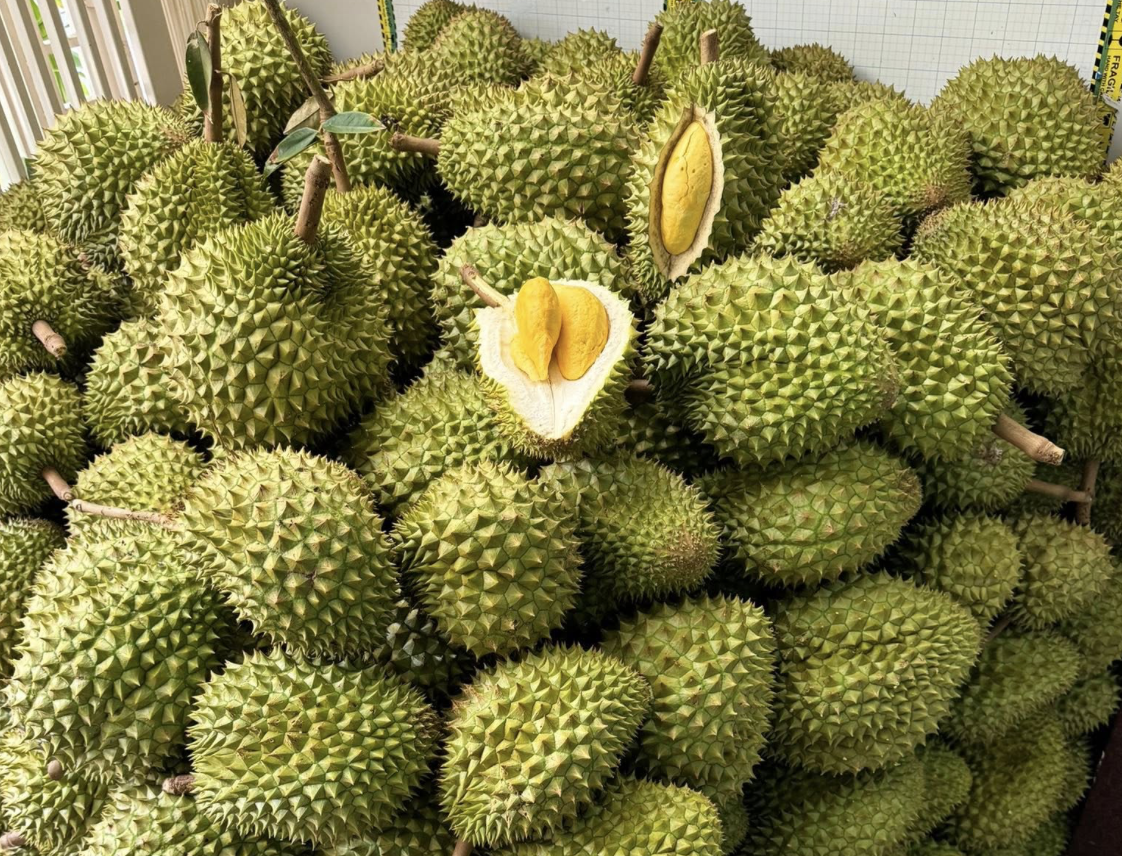
A single durian can tell a much bigger story about how Vietnam builds agricultural brands capable of earning trust - and retaining value - in global markets.
This year was my first time attending the Dak Lak Durian Festival. Sitting in a windswept square and listening to stories of new thinking and new ways of doing business, I came away with greater confidence in the transformation of a Central Highlands region brimming with vitality. And from a single durian, my thoughts turned to the broader question of how Vietnamese agricultural brands can make their mark on the world.
By 2026, Dak Lak has around 41,000 hectares of durian, with output expected to approach 500,000 tonnes. The province has 280 approved growing-area codes and 41 packing facilities serving exports. In 2025 alone, its durian industry contributed around US$1.1 billion to Vietnam's export turnover.
Those figures show that durian has become a major industry. At this scale, the question is no longer simply how much can be grown or sold. Increasingly, it is about quality, markets, value chains and how much of the value created can remain in the producing region.
One notable aspect of Dak Lak's direction is the shift from managing output to managing value.
The question is no longer just how many tonnes of durian are produced, but how much value each hectare generates, whether product quality remains consistent, how much growers receive and where the local brand stands in the market.
Producing more is an achievement. Creating higher and more sustainable value is another challenge altogether.
Interest from international partners is also opening up new expectations. Ambassadors, diplomatic and trade representatives, businesses and international partners have come to learn, connect and explore opportunities. They are clearly interested in durian.
But turning that initial interest into lasting relationships ultimately comes down to trust. People may first be curious because a fruit tastes good. To persuade them to buy it again - and sign another contract - its quality has to remain consistent.
A durian grower may naturally think first about their own orchard. But once a fruit bearing the Dak Lak name enters the market, the story becomes much bigger.
Buyers do not know who grew an individual fruit. What they know is that it is Dak Lak durian. One good fruit adds a little more trust. One shipment that fails to meet quality standards can damage confidence in the name as a whole.
From that perspective, the responsibility of each grower becomes decisive.
Following proper production procedures, maintaining quality, harvesting at the right time and ensuring traceability are not merely contractual requirements. They affect the reputation of the product and, ultimately, growers' own access to markets in future seasons.
Harvesting early when prices are high may deliver an immediate return. But if quality suffers, the price paid later could be much greater.
Such decisions are not always easy, particularly when farmers and businesses face real market pressures. Yet it is through these seemingly small choices that a product's reputation is gradually built.
Going big means thinking long term
Dak Lak is taking steps toward developing durian on a much larger commercial scale.
But being "big" should perhaps be measured by more than acreage or output. It also lies in how production, processing, packaging, transportation, distribution and branding are organized.
As an industry gains opportunities to expand, the demands for quality and consistency become increasingly apparent.
In that sense, doing business on a large scale is not simply about becoming bigger. It is about planning for the long term.
Markets need to be considered early, growing areas better organized, quality controlled, different stages of the value chain connected, and more of the value created returned to growers.
When that happens, the ability of a hectare of farmland to generate high and stable value can itself become a measure of how "big" agriculture has become.
What stood out at this year's festival was that the conversation extended well beyond the fruit itself.
Activities connecting production with consumption, transactions conducted directly at orchards, farm visits, processing, cuisine, tourism and cultural events all pointed toward a broader approach.
Starting with a single agricultural product, Dak Lak is seeking connections with culture, tourism, trade and technology.
I met a veteran tourism entrepreneur enthusiastically telling the durian story through creative products.
The creation of 102 dishes made with durian demonstrates not only the versatility of the fruit, but also the potential to expand the value of an agricultural product - turning a fruit into a story of cuisine, tourism and culture.
Businesspeople from China traveled to the region and sampled the dishes themselves, gaining more material with which to introduce the product to their market.
From one durian, the story expands into different spaces and becomes more accessible to consumers.
A durian can tell a story about basalt-red soil, climate, orchards, farmers and the cultural landscape of the Central Highlands. That is a natural advantage.
A high-quality product combined with the distinctive story of its place of origin has a better chance of leaving a lasting impression in the market.
But story and quality cannot be separated.
The story of the Central Highlands becomes more compelling when consumers can genuinely taste the quality of the product. Likewise, a good product gains additional value when consumers understand the land, people and culture behind it.
From Dak Lak durian to the Vietnamese agricultural brand
Dak Lak durian also offers a starting point for thinking more broadly about the brand of Vietnamese agricultural products.
Vietnam has an abundance of delicious produce, distinctive regions and hardworking farmers.
Where considerable room for improvement remains is in turning those advantages into lasting value.
A famous product is not necessarily a strong brand.
A brand also requires consistent quality, clear origins, the ability to honor commitments and a sufficiently strong value chain.
The festival will eventually end. What matters is what follows: more meetings, more contracts, better-organized growing areas, businesses building stronger relationships with farmers and new markets opening up.
If those things continue to happen, the festival will achieve more than promoting a fruit. It can become a connecting point in the longer journey of building a brand for an entire region.
From a single durian, the conversation can therefore become much broader.
It is not only about how much we grow, but how much value we create. Not only how much we sell, but how much trust we retain. Not only how far the product travels, but how a growing share of its value can remain with the farmers and the land that produced it.
Dak Lak durian can travel far through quality, consistency and an authentic story of the Central Highlands.
When consumers in distant markets see Dak Lak durian and already associate the name with trust, and when farmers receive a fair share of the value their product creates, a fruit truly begins to become a brand.
And from the brand of one region, it can contribute to something larger: the global story of Vietnamese agriculture.
Associate Professor, Dr. Do Chi Nghia
.svg)
